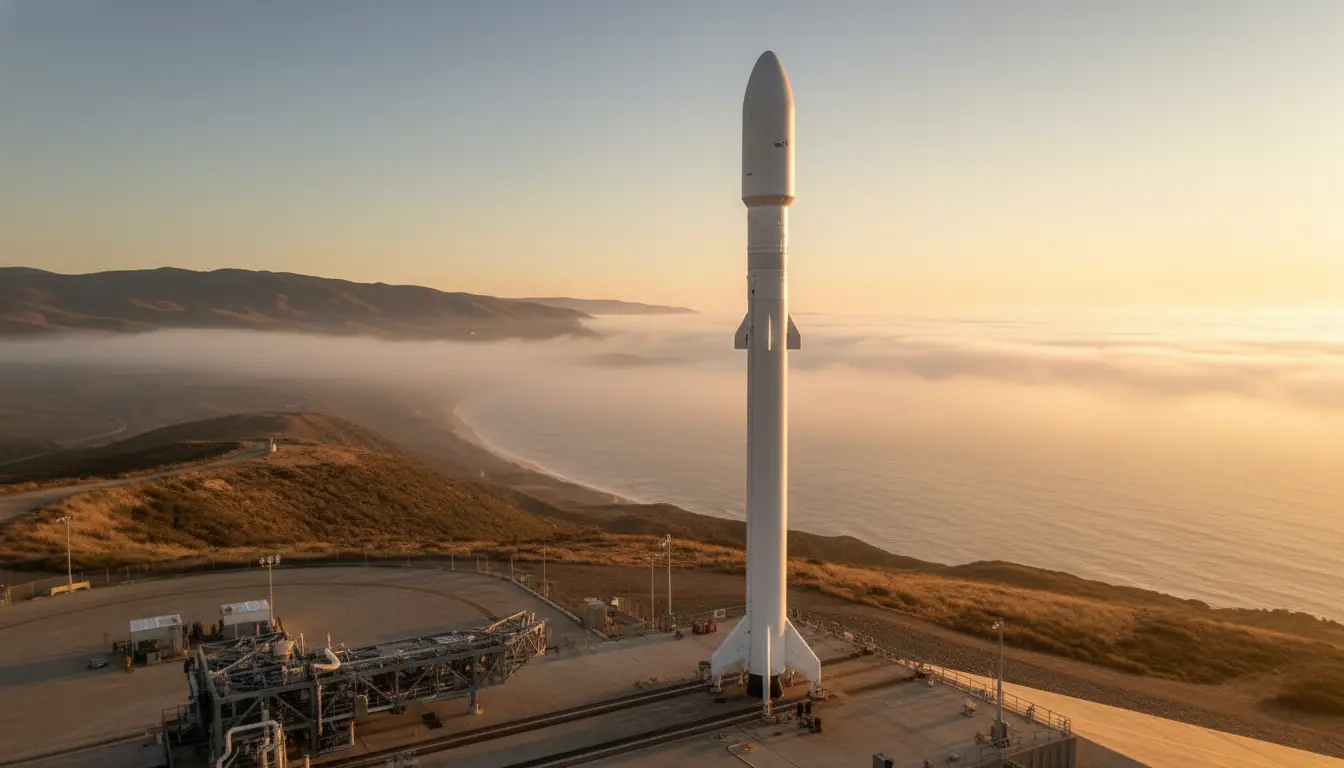
Falcon 9 Set to Launch Starlink Group 17-37 on May 16
Everything you need to know about the upcoming SpaceX Falcon 9 launch from Vandenberg Space Force Base, targeting Saturday, May 16, 2026.
SpaceX is preparing for another spectacular Falcon 9 launch from Vandenberg Space Force Base this Saturday, May 16, 2026, as the company continues expanding its revolutionary Starlink satellite constellation. The mission, designated Starlink Group 17-37, will deploy 24 advanced satellites into low Earth orbit to further enhance global internet connectivity through SpaceX's ambitious space-based communication network.
Scheduled for liftoff from Space Launch Complex 4E, the Falcon 9 Block 5 rocket represents the latest iteration of SpaceX's proven workhorse vehicle. This particular booster configuration has demonstrated remarkable reliability and reusability, making it the backbone of SpaceX's frequent launch operations. The rocket's first stage will likely attempt another precision landing after separating from the upper stage, continuing SpaceX's impressive streak of successful booster recoveries.
Central Coast residents are in for a treat, as launches from Vandenberg typically provide stunning viewing opportunities across the entire 805 region. Unlike launches from Florida's Kennedy Space Center that head eastward over the Atlantic, Vandenberg missions often follow southerly trajectories over the Pacific Ocean, creating magnificent visual displays for observers from San Luis Obispo County down through Santa Barbara and Ventura counties.
Weather conditions and atmospheric factors can significantly impact visibility, but clear skies often reveal the rocket's brilliant exhaust plume ascending through the atmosphere. During twilight launches, spectators frequently witness the ethereal phenomenon of the rocket's exhaust creating luminous, expanding clouds as it climbs into space. The booster separation event can appear as a bright flash, followed by two distinct points of light representing the first stage and continuing upper stage.
This Starlink mission continues SpaceX's methodical construction of what will eventually become a mega-constellation comprising thousands of satellites. These spacecraft work together to provide high-speed internet access to remote and underserved areas worldwide, from rural communities to maritime vessels. Each satellite weighs approximately 260 kilograms and features advanced ion propulsion systems for orbital maneuvering and collision avoidance.
For optimal viewing experiences, launch enthusiasts should seek locations with unobstructed southern and western views, away from urban light pollution. Popular spots include beaches, elevated parks, and open fields throughout the region. Those planning to watch should check 805.life/launches/where-to-watch for detailed information about the best local viewing locations, complete with directions and parking details.
Saturday's launch represents another milestone in commercial spaceflight operations from California's premier launch facility, reinforcing Vandenberg's crucial role in supporting America's growing space economy while providing Central Coast residents with front-row seats to humanity's continued expansion into space.
Related Launches

More Articles
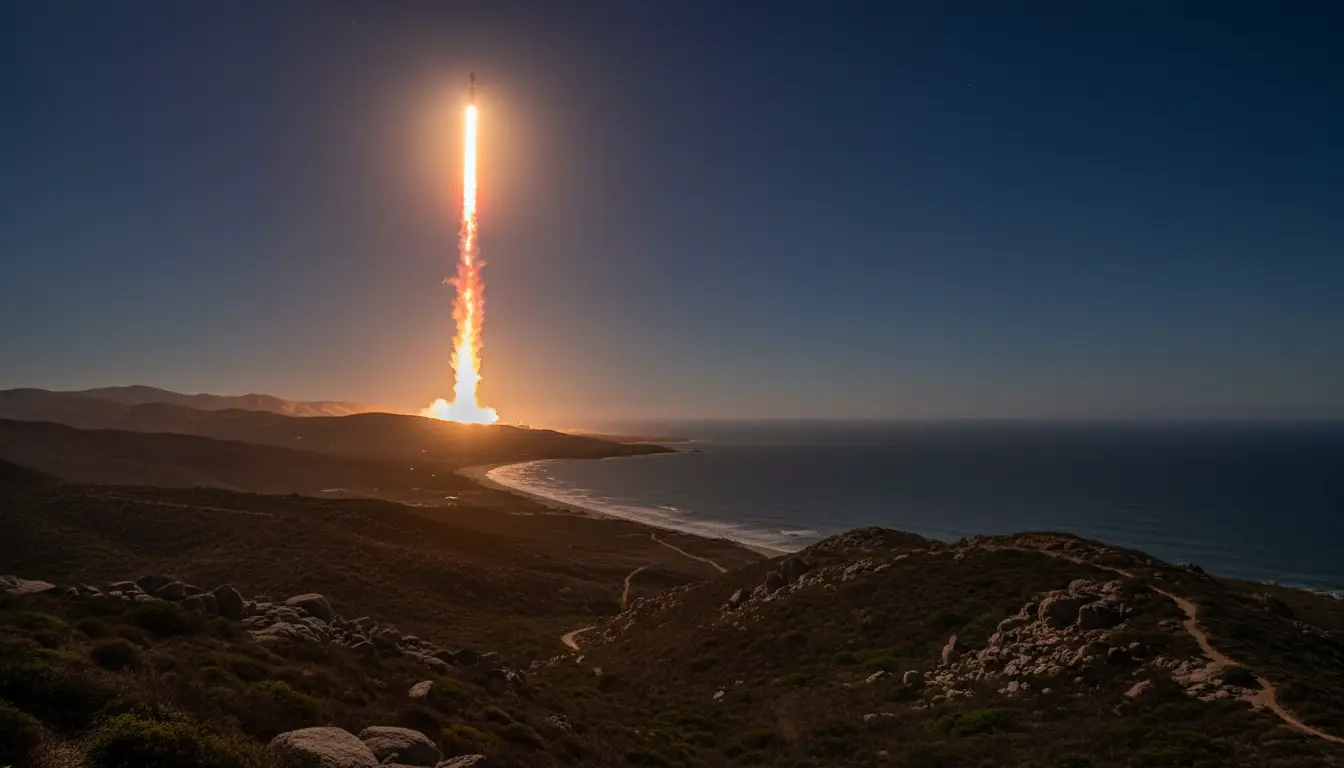
SpaceX Falcon 9 Successfully Launches NROL-172
Recap of the SpaceX Falcon 9 launch from Vandenberg Space Force Base on Monday, May 11, 2026. Mission successful.
Launched May 11, 2026
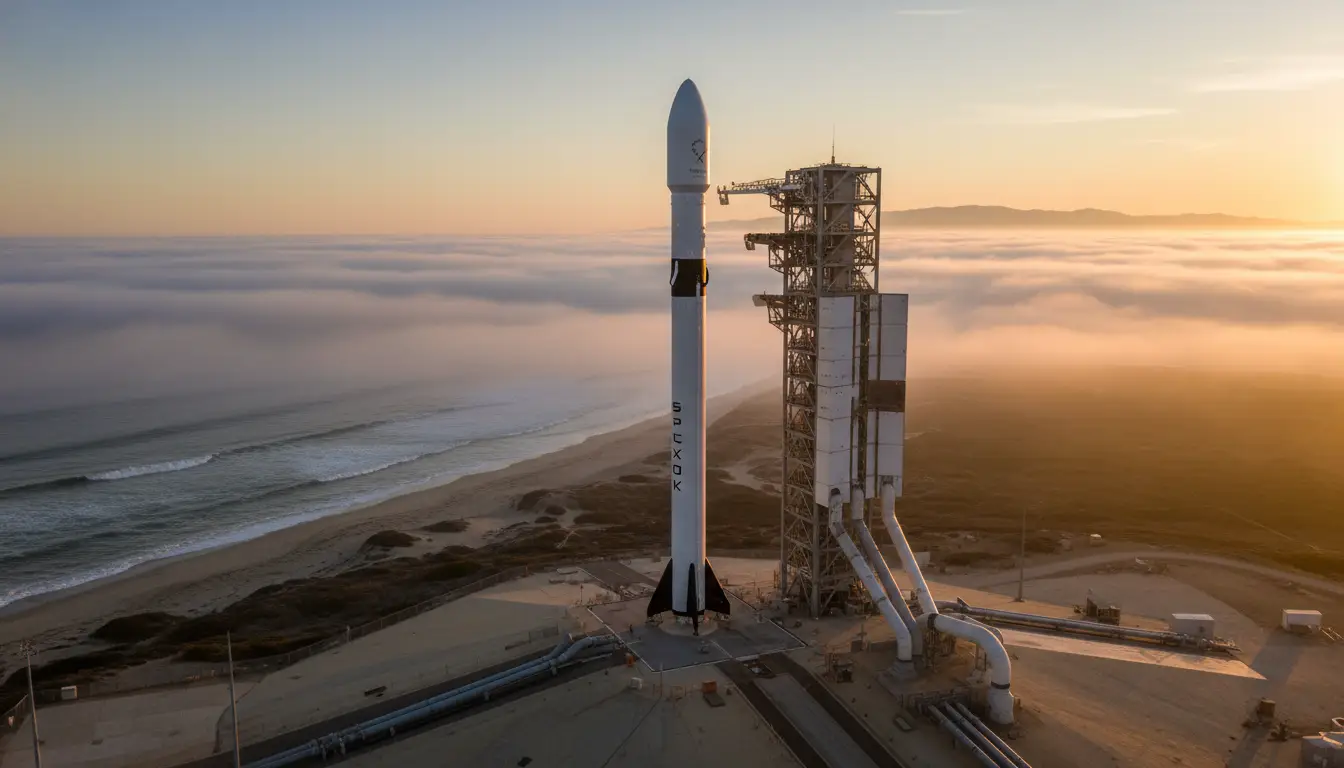
Falcon 9 Set to Launch NROL-172 on May 11
Everything you need to know about the upcoming SpaceX Falcon 9 launch from Vandenberg Space Force Base, targeting Monday, May 11, 2026.
Launches May 11, 2026
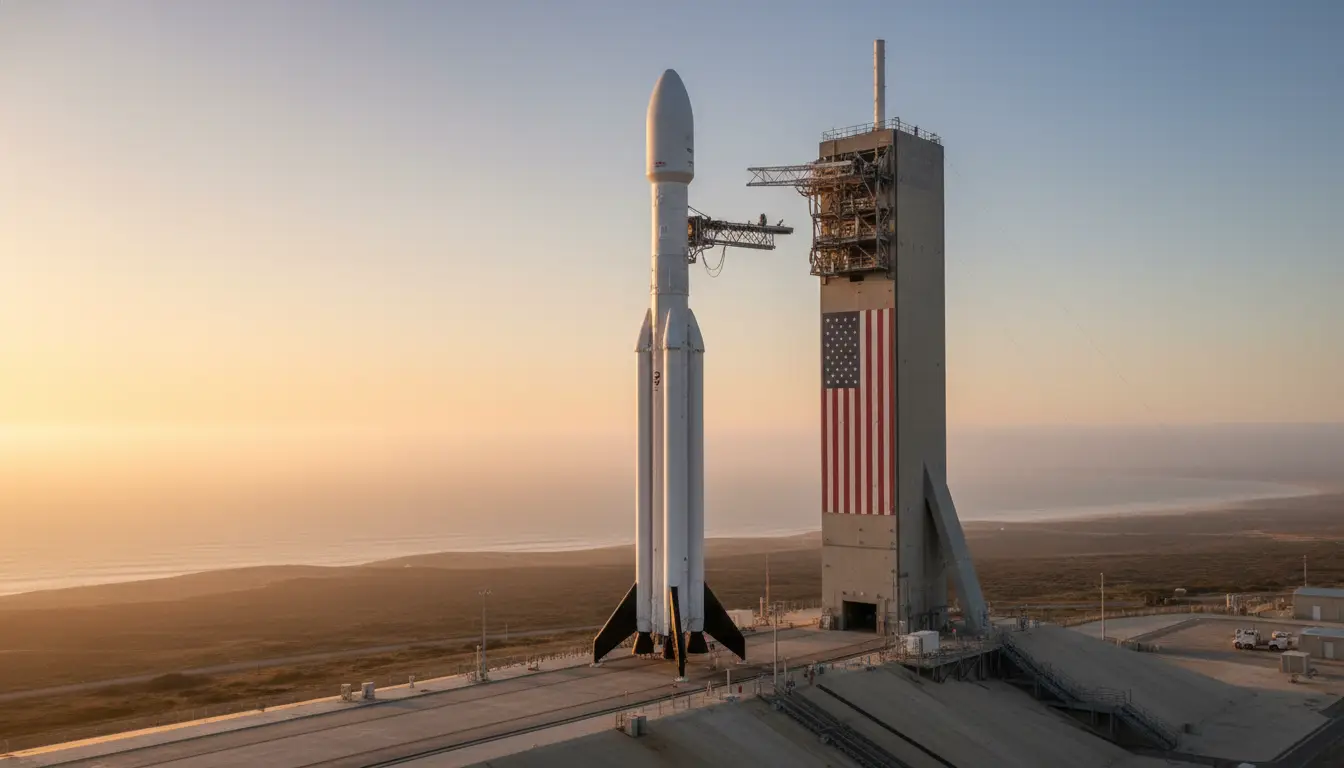
Falcon 9 Set to Launch Starlink Group 17-42 on May 18
Everything you need to know about the upcoming SpaceX Falcon 9 launch from Vandenberg Space Force Base, targeting Monday, May 18, 2026.
Launches May 18, 2026