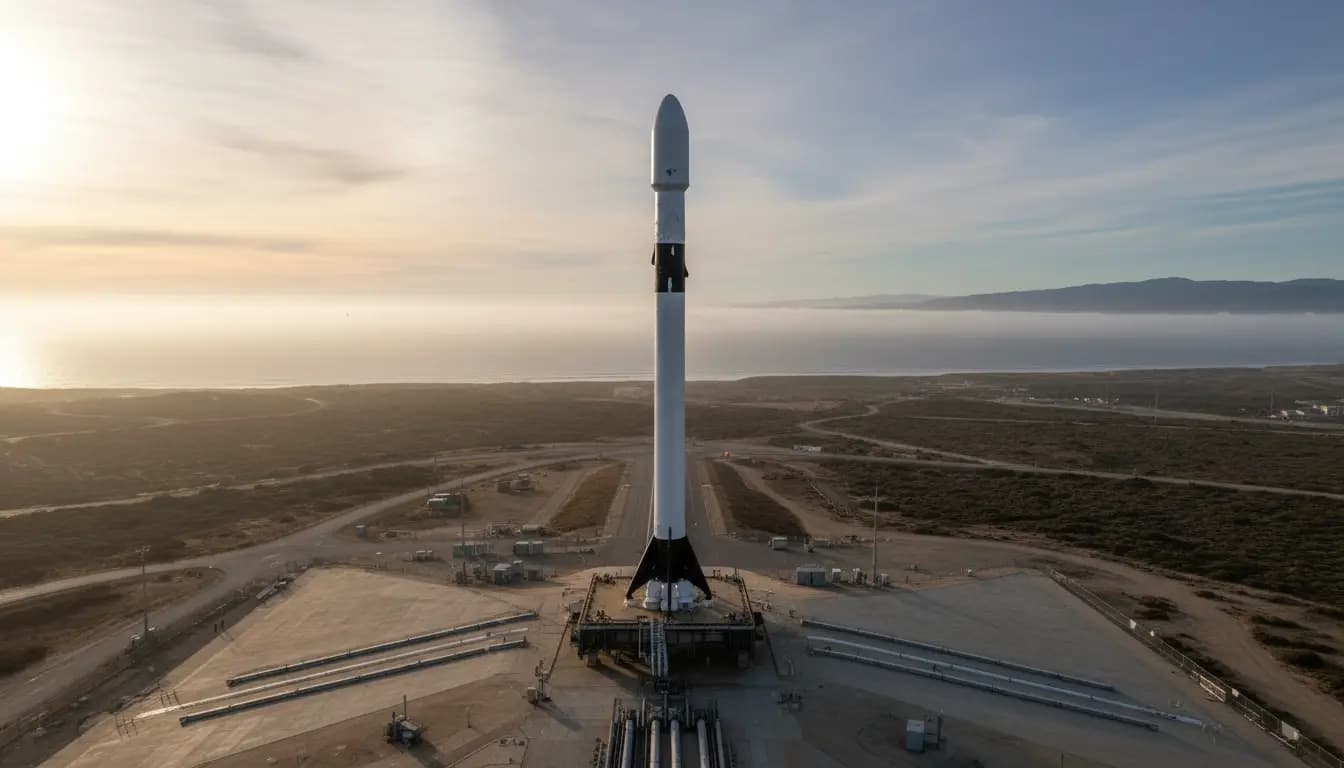
Firefly Alpha Block 2 Set to Launch VICTUS HAZE Jackal on June 29
Everything you need to know about the upcoming Firefly Aerospace Firefly Alpha Block 2 launch from Vandenberg Space Force Base, targeting Monday, June 29, 2026.
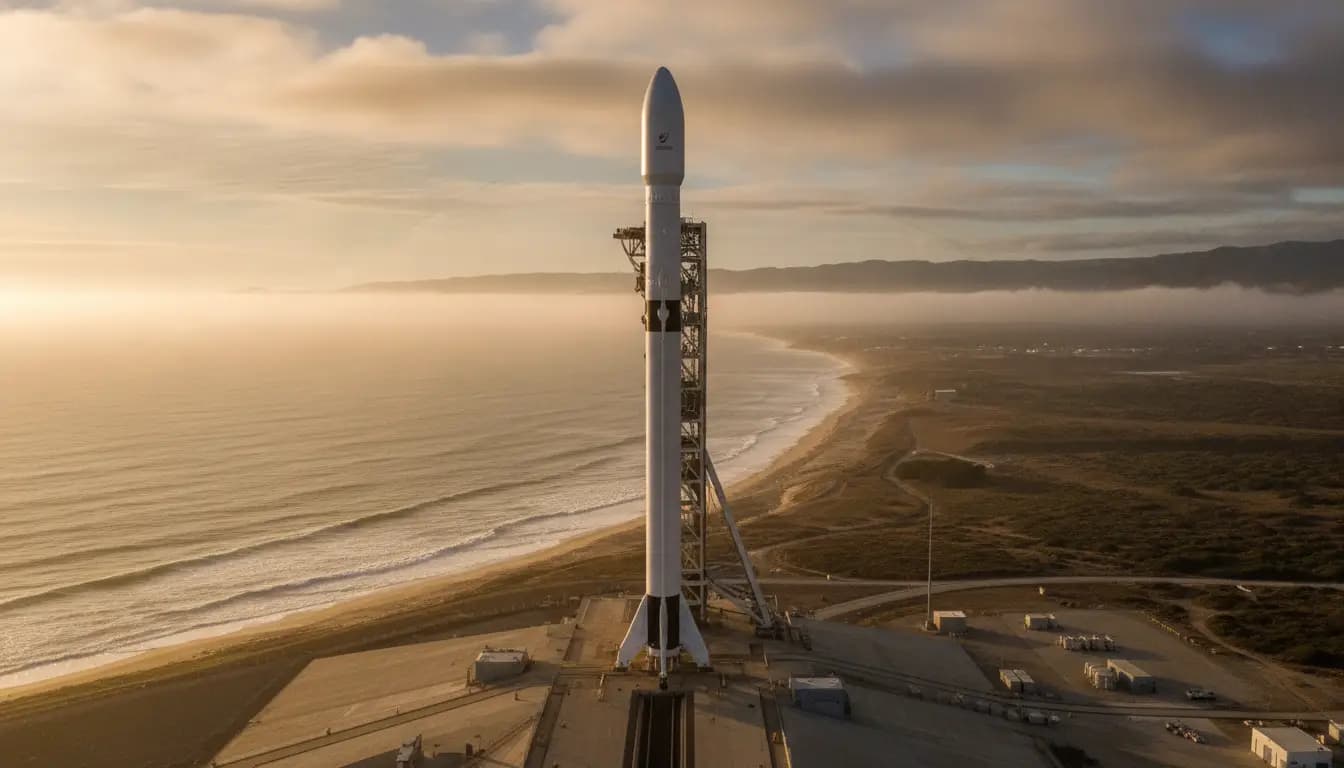
Spectators across California's Central Coast will have front-row seats to witness cutting-edge space technology in action when Firefly Aerospace launches its Alpha Block 2 rocket on Monday, June 29, 2026, from Vandenberg Space Force Base. The mission, designated VICTUS HAZE Jackal, represents a significant milestone in responsive space operations and promises to deliver an impressive visual display for observers throughout the 805 region.
Firefly's Alpha Block 2 rocket will lift off from Space Launch Complex 2W, carrying True Anomaly's innovative Jackal Autonomous Orbital Vehicle into low Earth orbit. This isn't just another routine satellite deployment—the Jackal spacecraft will support the U.S. Space Force Space Systems Command's VICTUS HAZE Tactically Responsive Space mission, demonstrating advanced capabilities in orbital proximity operations alongside another spacecraft constructed by Rocket Lab National Security.
The VICTUS HAZE program showcases the military's evolving approach to space operations, emphasizing rapid deployment and tactical responsiveness. Once operational, the Jackal Autonomous Orbital Vehicle will conduct sophisticated maneuvers in orbit, working in coordination with its companion spacecraft to validate new technologies and operational concepts that could reshape how the Space Force approaches future missions.
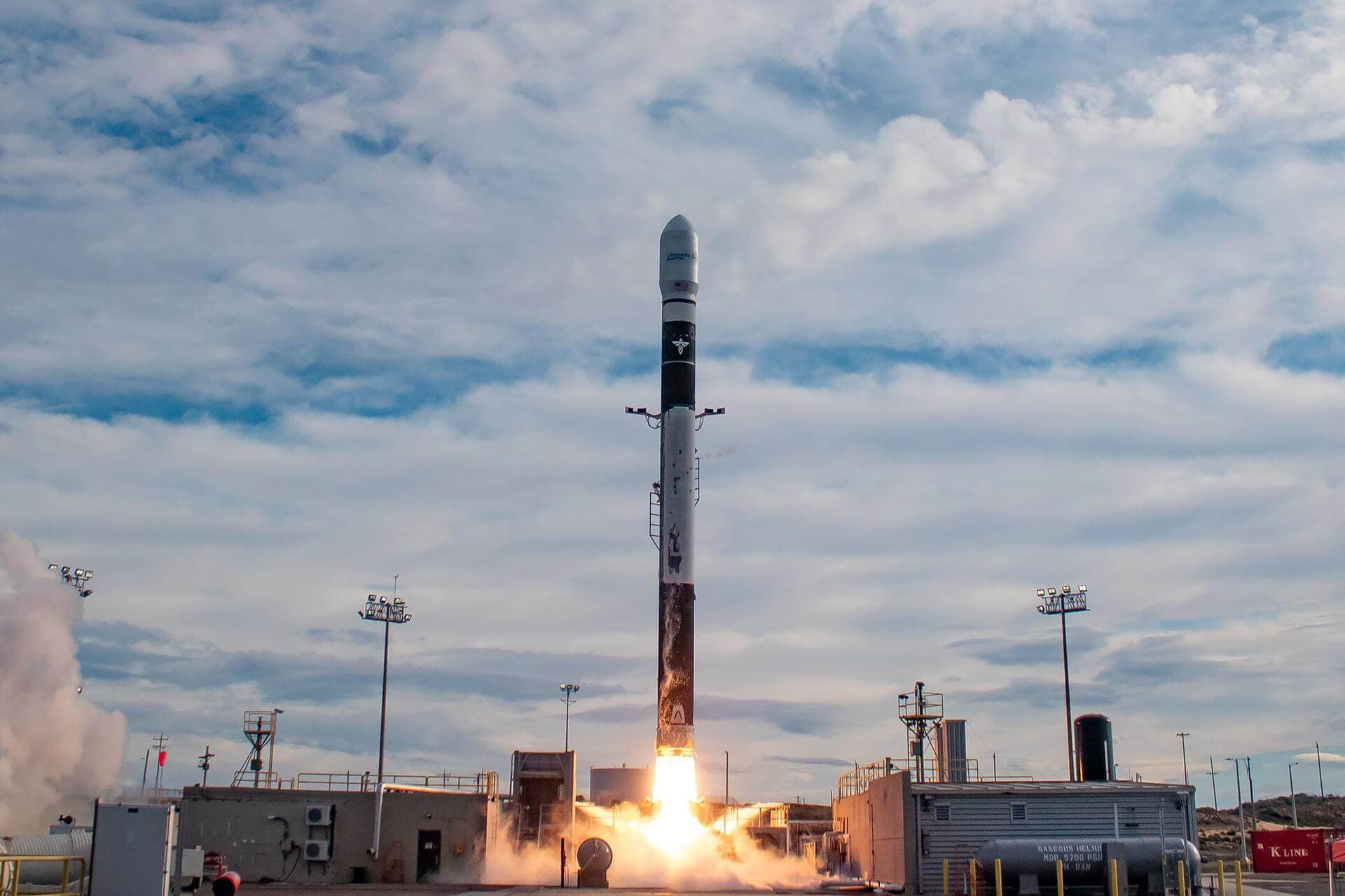
Firefly Aerospace's Alpha Block 2 represents the company's enhanced launch vehicle, building upon lessons learned from earlier missions. The four-stage rocket stands approximately 95 feet tall and utilizes innovative Reaver engines that burn rocket-grade kerosene and liquid oxygen, producing the distinctive bright orange flame that makes Firefly launches particularly photogenic against the California sky.
Central Coast residents from San Luis Obispo to Santa Barbara counties will likely witness the rocket's ascent as it arcs over the Pacific Ocean. The launch should be visible as a brilliant moving star, gradually brightening before potentially creating a spectacular light show as the vehicle reaches higher altitudes and sunlight illuminates its exhaust plume against the darker sky.
Weather permitting, the best viewing experience will come from elevated locations with unobstructed western views toward the ocean. Beaches, coastal bluffs, and hillside vantage points typically offer excellent perspectives of Vandenberg launches, though the exact trajectory may influence optimal viewing positions.
The mission underscores Vandenberg's growing importance as a launch hub for national security missions and commercial space operations. As space becomes increasingly congested and contested, missions like VICTUS HAZE demonstrate America's commitment to maintaining technological superiority through innovative spacecraft design and operational concepts.
For those planning to watch this historic launch, detailed information about the best viewing locations throughout the Central Coast can be found at 805.life/launches/where-to-watch, ensuring spectators don't miss this remarkable demonstration of space technology and regional aerospace capabilities.
Related Launches
More Articles
Falcon 9 Set to Launch USSF-385 on September 26
Everything you need to know about the upcoming SpaceX Falcon 9 launch from Vandenberg Space Force Base, targeting Saturday, September 26, 2026.
Launches Sep 26, 2026
Falcon 9 Set to Launch SDA Tranche 1 Transport Layer A on October 5
Everything you need to know about the upcoming SpaceX Falcon 9 launch from Vandenberg Space Force Base, targeting Monday, October 5, 2026.
Launches Oct 5, 2026
Falcon 9 Set to Launch Transporter 18 (Dedicated SSO Rideshare) on October 1
Everything you need to know about the upcoming SpaceX Falcon 9 launch from Vandenberg Space Force Base, targeting Thursday, October 1, 2026.
Launches Oct 1, 2026