SpaceX Falcon 9 Block 5 Successfully Launches Transporter 16 (Dedicated SSO Rideshare)
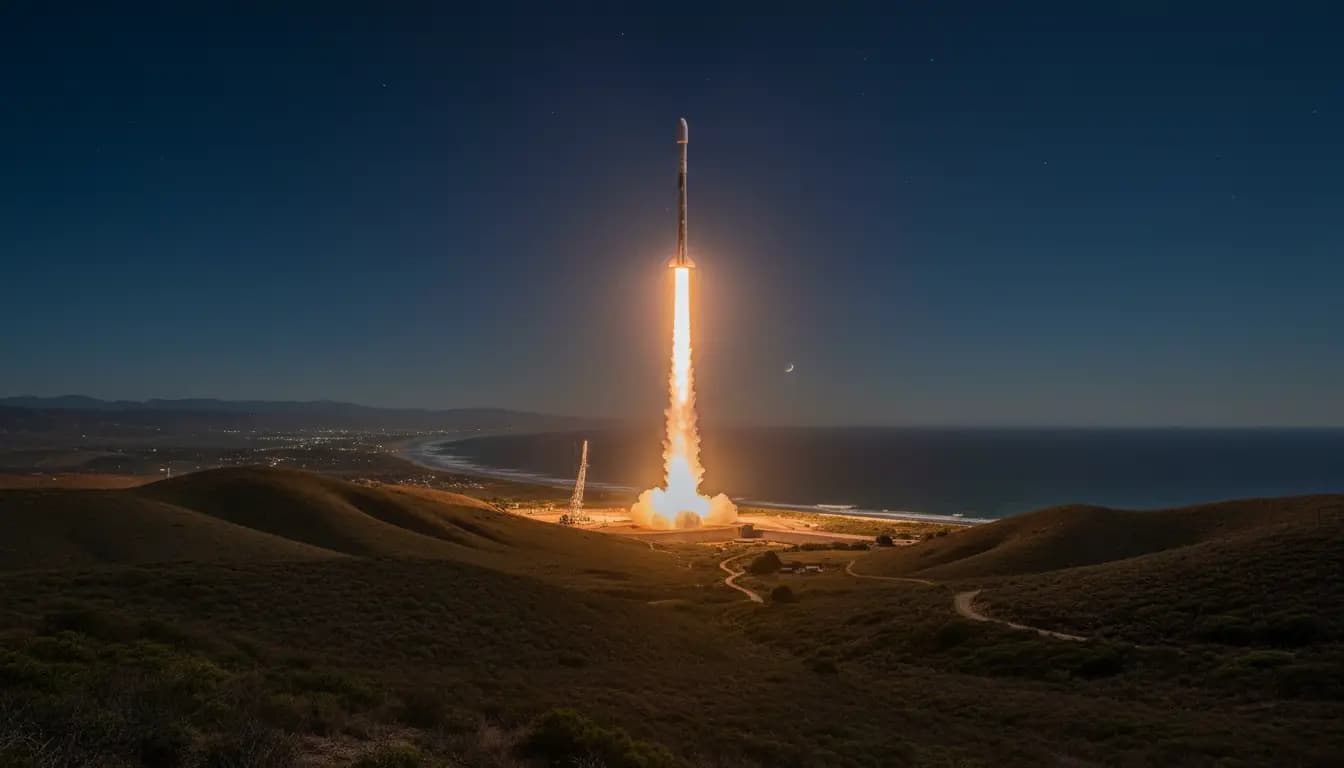
Recap of the SpaceX Falcon 9 Block 5 launch from Vandenberg Space Force Base on Monday, March 30, 2026. Mission successful.
SpaceX successfully launched another batch of small satellites into orbit Monday evening from Vandenberg Space Force Base, marking the company's sixteenth dedicated rideshare mission aboard a Falcon 9 rocket. The launch took place at Space Launch Complex 4E on California's Central Coast, sending dozens of payloads into sun-synchronous orbit as part of the Transporter 16 mission.
Liftoff occurred right on schedule as the Falcon 9 Block 5 rocket lifted off into clear evening skies, carrying a diverse collection of small satellites from companies and organizations around the world. The mission represents SpaceX's ongoing commitment to providing affordable access to space for smaller satellite operators who benefit from sharing launch costs on these dedicated rideshare flights.
Within minutes of launch, the rocket's first stage completed its burn and successfully separated from the upper stage, beginning its journey back to Earth for a powered landing. SpaceX's reusable booster technology continues to demonstrate remarkable reliability, with this particular first stage having flown multiple previous missions. The booster executed a precise landing downrange on one of SpaceX's autonomous drone ships positioned in the Pacific Ocean.
Meanwhile, the second stage continued climbing toward its target orbit approximately 500 kilometers above Earth. The sun-synchronous orbit is particularly valuable for Earth observation satellites, as it allows spacecraft to pass over the same locations at consistent local times, providing optimal lighting conditions for imaging and data collection missions.
Mission controllers confirmed successful payload deployment roughly one hour after liftoff, with satellites being released in a carefully choreographed sequence. The diverse manifest included Earth observation satellites, technology demonstration missions, and communication satellites from various commercial operators, universities, and government agencies seeking cost-effective orbital access.
Transporter missions have become increasingly popular among small satellite operators since SpaceX began offering these dedicated rideshare opportunities. By pooling resources, customers can launch payloads at significantly reduced costs compared to booking entire rockets for individual missions.
Space enthusiasts along the Central Coast won't have to wait long for the next spectacular launch from Vandenberg. SpaceX has another mission scheduled for early April, continuing the steady cadence of launches from the historic military installation that has become a hub for polar and sun-synchronous orbital missions.
Related Launches

More Articles
Falcon 9 Set to Launch USSF-385 on September 26
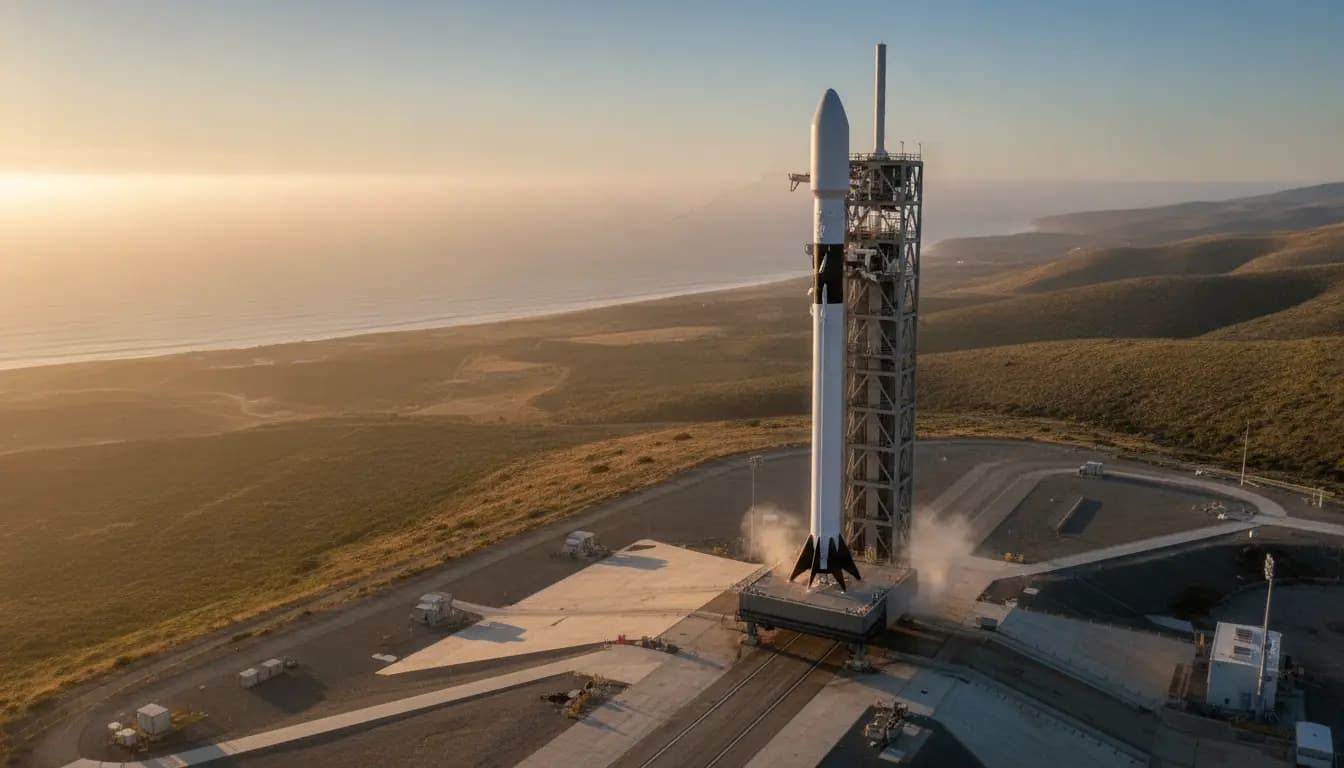
Everything you need to know about the upcoming SpaceX Falcon 9 launch from Vandenberg Space Force Base, targeting Saturday, September 26, 2026.
Launches Sep 26, 2026
Falcon 9 Set to Launch SDA Tranche 1 Transport Layer A on October 5
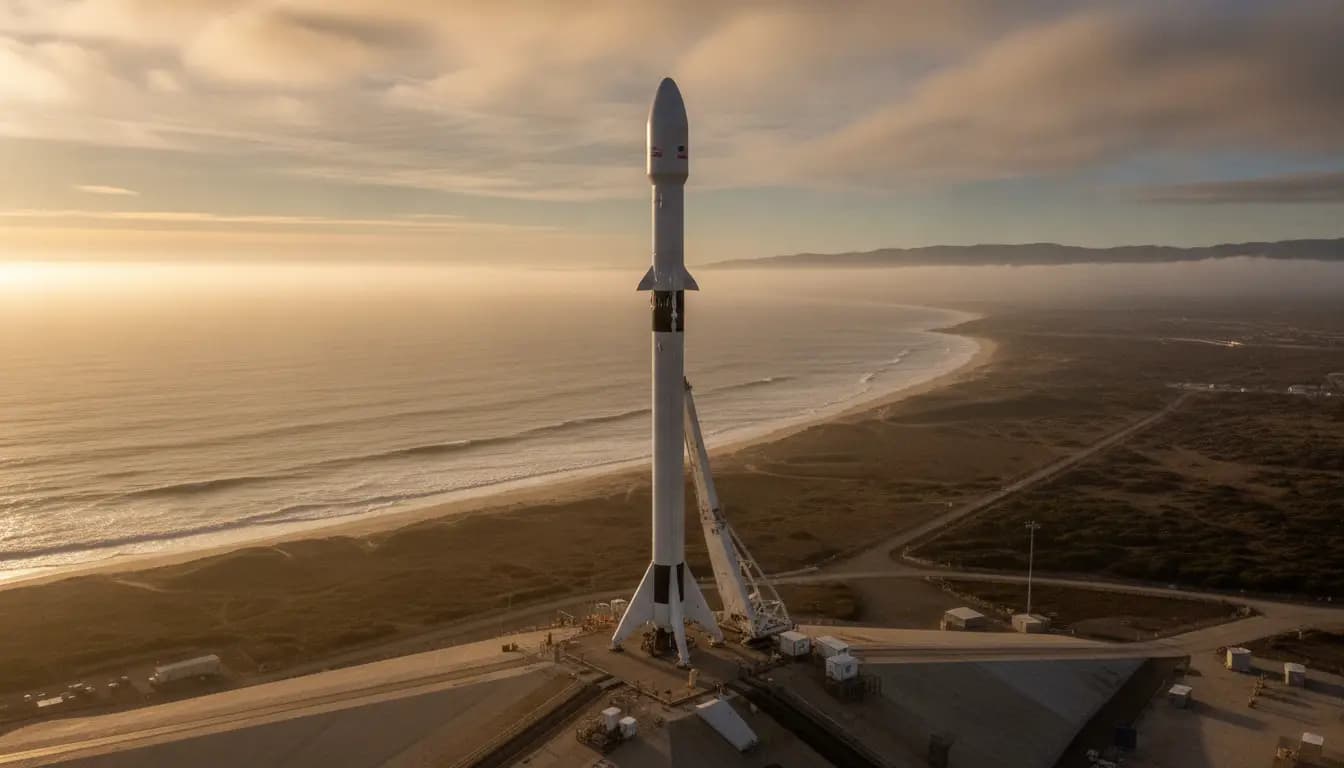
Everything you need to know about the upcoming SpaceX Falcon 9 launch from Vandenberg Space Force Base, targeting Monday, October 5, 2026.
Launches Oct 5, 2026
Falcon 9 Set to Launch Transporter 18 (Dedicated SSO Rideshare) on October 1
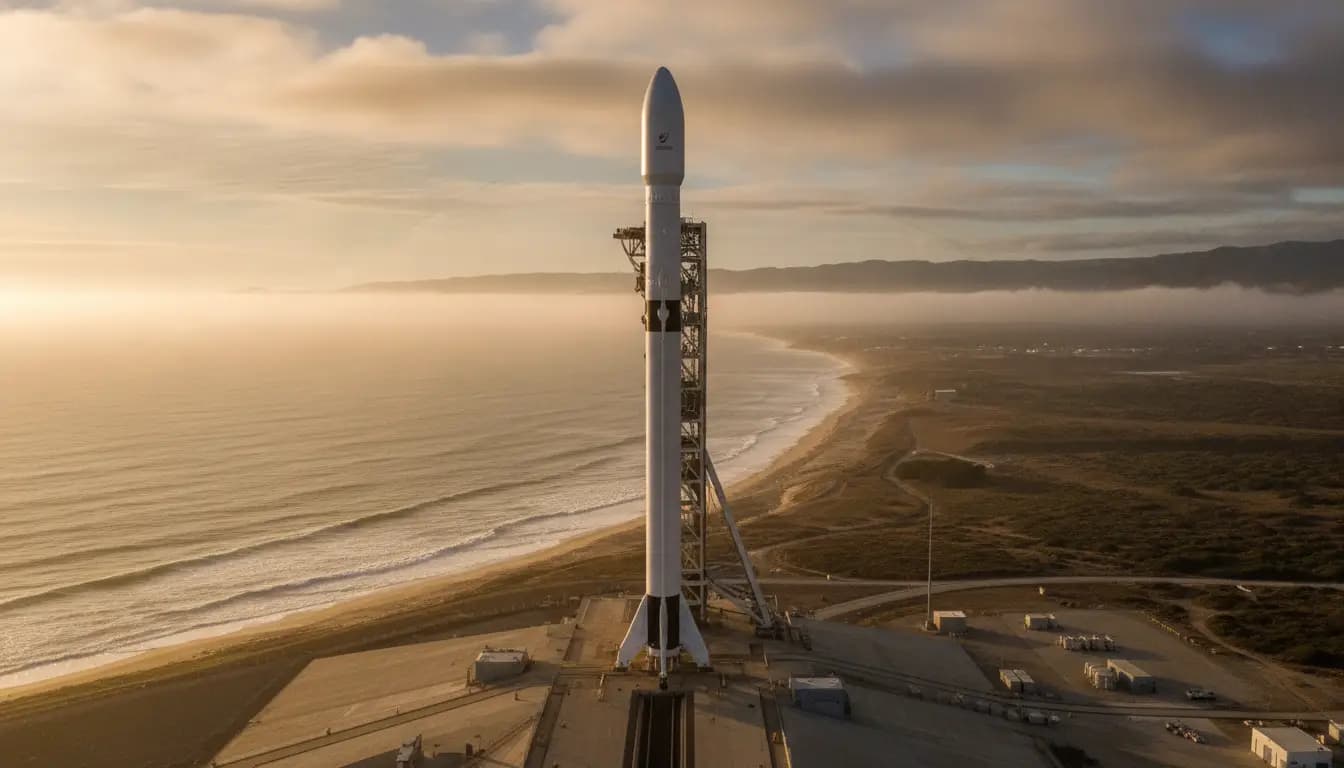
Everything you need to know about the upcoming SpaceX Falcon 9 launch from Vandenberg Space Force Base, targeting Thursday, October 1, 2026.
Launches Oct 1, 2026