Launch Pad
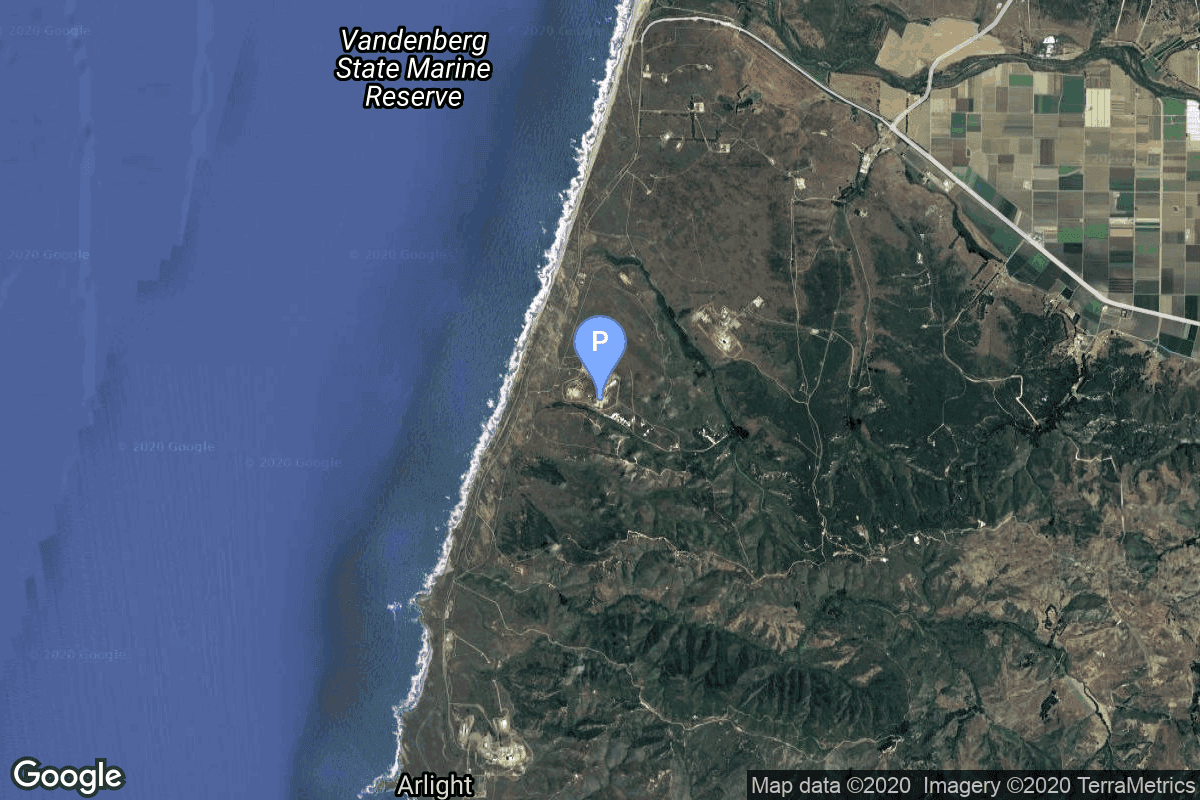
SLC-4E — Space Launch Complex 4E
Space Launch Complex 4 East has sent 261 rockets into orbit since 1963. Today it's SpaceX's workhorse pad on the Central Coast.
Total Launches
298
Orbital Attempts
298
Active
2026
Location
Vandenberg SFB
At a Glance
Space Launch Complex 4 East sits on the southern edge of Vandenberg Space Force Base, about five miles west of Lompoc. Since 1963, this single pad has launched 261 orbital missions, making it one of the most productive launch sites in American spaceflight history. SpaceX operates SLC-4E today, using it exclusively for Falcon 9 missions that require polar and sun-synchronous orbits—trajectories that send satellites south over the Pacific rather than east over the Atlantic.
The pad's location on the California coast makes it uniquely suited for these southerly launches, which would cross populated land if attempted from Cape Canaveral. In 2026 alone, the manifest shows at least a dozen Falcon 9 missions scheduled from this site, including Starlink deployments, national security payloads for the Space Development Agency, and rideshare missions carrying dozens of small satellites. If you live anywhere in the 805, you've likely seen a launch from SLC-4E whether you realized it or not—that bright plume climbing south along the coastline at dusk is almost certainly a Falcon 9 leaving this pad.
The Story of SLC-4E
The Air Force built SLC-4E in the early 1960s to support the Atlas-Agena program, which launched reconnaissance satellites and lunar probes during the height of the Space Race. The pad's first mission flew in 1963, beginning a steady drumbeat of classified and scientific launches that continued for more than four decades. When the Titan family of rockets entered service, the pad was extensively rebuilt to handle the larger, more powerful vehicles. Titan rockets launched from SLC-4E until 2005, carrying everything from weather satellites to top-secret National Reconnaissance Office spacecraft.
After the final Titan IV-B mission in 2005, the pad sat dormant for several years. SpaceX leased SLC-4E in 2011 and spent four years converting it for Falcon 9 operations. The company removed the Titan-era mobile service tower, installed new propellant storage tanks for rocket-grade kerosene and liquid oxygen, and built a transporter-erector to move and raise the Falcon 9 on the pad. The first SpaceX launch from SLC-4E came in 2013 with a Canadian radar satellite, and the company has used the site continuously ever since.
Today, SLC-4E is the busiest launch pad on the West Coast. SpaceX has refined its operations here to the point where the pad can support multiple launches per month. The proximity to the Pacific Ocean remains its key advantage—Falcon 9 boosters routinely land on drone ships stationed a few hundred miles offshore after sending their payloads into polar orbit, a choreography that would be impossible at inland launch sites.
Who Launches from SLC-4E Today
SpaceX holds the exclusive lease on SLC-4E and uses it for missions requiring polar or sun-synchronous orbits. These include Starlink satellites destined for high-inclination shells that provide coverage over polar regions, where most of the world's population doesn't live but shipping lanes, research stations, and military assets do. The manifest also includes frequent missions for the Space Development Agency, which is building a constellation of tracking and transport satellites in low Earth orbit. Recent launches like SDA Tranche 1 Transport Layer and Tracking Layer missions are part of this effort, with multiple flights scheduled for mid-2026.
The pad also serves commercial and international customers through SpaceX's Transporter rideshare program. Transporter 17, scheduled for June 2026, will carry dozens of small satellites from universities, startups, and foreign space agencies into sun-synchronous orbit—the kind of trajectory that keeps satellites over the same local time of day as they circle the planet, ideal for Earth observation and imaging. Other recent missions include Korean radar satellites and European scientific payloads, all of which chose Vandenberg specifically because of its ability to reach polar orbits safely.
Watching SLC-4E Launches from the 805
Lompoc has the closest vantage point, sitting just five miles east of the pad with unobstructed views on clear days. Surf Beach and Ocean Avenue offer direct line-of-sight to the launch complex, and you can often see the rocket on the pad in the hours before liftoff. Daytime launches produce a visible flame and white exhaust plume that climbs south along the coast for several minutes. Night launches are more dramatic—the Falcon 9's nine Merlin engines create a brilliant orange glow that lights up the marine layer and can be seen for dozens of miles. Santa Maria and Solvang, both about 25 miles from the pad, get excellent views of the ascent phase, especially on evening launches when the rocket climbs into sunlight above the shadow of the Earth.
Santa Barbara sits 60 miles south, roughly along the Falcon 9's flight path. From beaches and bluffs in Goleta or Montecito, you'll see the rocket as a bright point moving south, trailing a glowing exhaust plume that expands and twists in the upper atmosphere. The first-stage booster separation is often visible on clear nights as a brief flash about two and a half minutes into flight. Ventura and Ojai are 85 miles from the pad, but bright launches on clear evenings still produce visible plumes—look northwest toward the coast just after sunset for the best chance. San Luis Obispo, 45 miles north, gets a side view of the southbound trajectory, and the rocket's exhaust can remain visible for five to ten minutes as it climbs toward orbital velocity.
Weather matters more than distance. Coastal fog and low clouds can obscure launches even from Lompoc, while a high-pressure system with offshore winds can make a twilight launch visible from as far south as Oxnard. Night launches about 30 to 60 minutes after sunset are the most spectacular—the rocket climbs into sunlight while the ground is still dark, creating a glowing contrail that can stretch across half the sky. SpaceX typically provides a livestream starting about 15 minutes before liftoff, but there's no substitute for standing on a Central Coast beach and watching 1.7 million pounds of thrust light up the horizon.
Notable Launches from SLC-4E
The 261 launches from SLC-4E span six decades of spaceflight, beginning with classified reconnaissance satellites during the Cold War and continuing through the modern commercial space era. Early Atlas-Agena missions included the Ranger series of lunar probes in the 1960s, which returned the first close-up images of the Moon's surface before crashing into it intentionally. Titan rockets later carried heavy National Reconnaissance Office satellites into polar orbit, missions that remained classified for decades after launch.
In the SpaceX era, SLC-4E has supported missions like the Jason-3 ocean-monitoring satellite in 2016, which continues to measure sea-level rise and ocean currents. The pad has also launched multiple batches of Iridium NEXT communications satellites, completing a 75-satellite constellation that provides global voice and data coverage, including over the poles where traditional satellites don't reach. The Transporter rideshare missions, which began in 2021, have made this pad accessible to smaller organizations—universities in the 805 have flown research payloads on these flights, piggybacking on SpaceX's regular launch cadence.
The upcoming 2026 manifest includes several Space Development Agency missions carrying satellites built to detect and track hypersonic missiles—a national security priority that requires the precise polar orbits only Vandenberg can provide. These launches represent a continuation of SLC-4E's original Cold War mission, updated for 21st-century threats. The pad's longevity comes from its geography: as long as the United States needs to put satellites into polar orbit, SLC-4E will remain essential infrastructure.
Upcoming Launches from SLC-4E
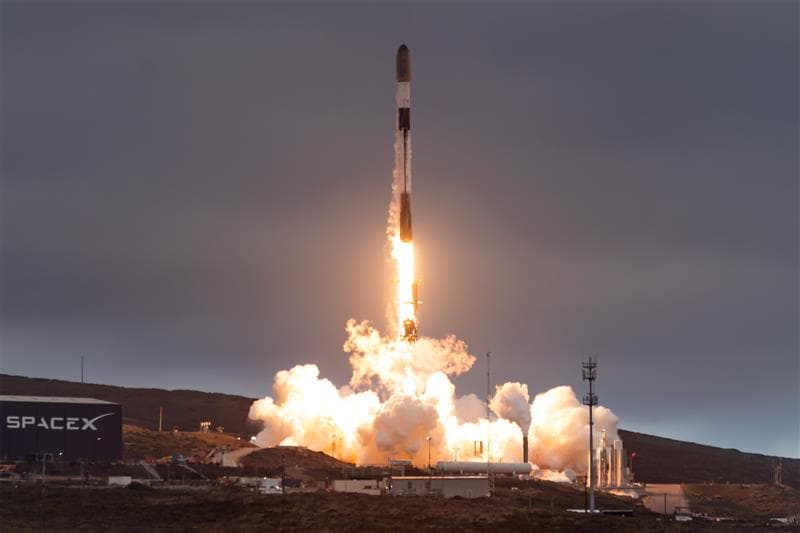
Falcon 9 Block 5 | USSF-385

Falcon 9 Block 5 | Transporter 18 (Dedicated SSO Rideshare)
Falcon 9 Block 5 | SDA Tranche 1 Transport Layer A
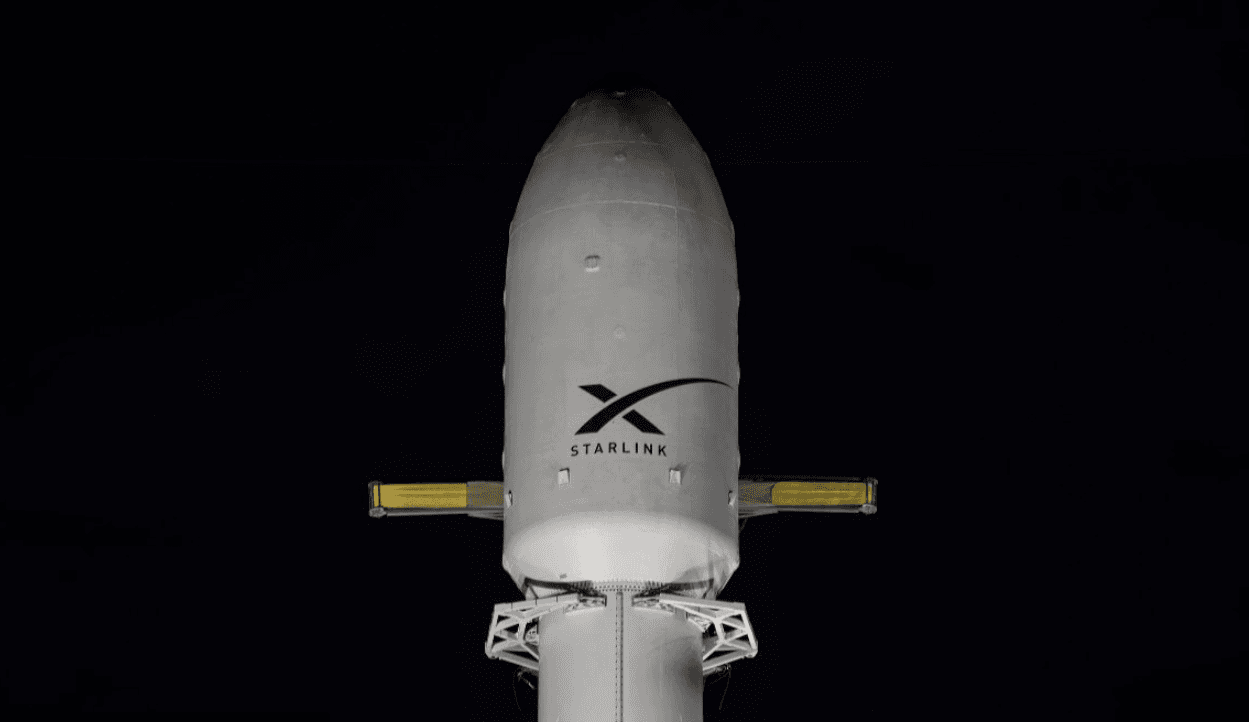
Falcon 9 Block 5 | Starlink Group 15-25
Falcon 9 Block 5 | SDA Tranche 2 Transport Layer E
Falcon 9 Block 5 | SDA Tranche 2 Transport Layer A
Recent Launches from SLC-4E
Falcon 9 Block 5 | Starlink Group 15-27
Falcon 9 Block 5 | USSF-259
Falcon 9 Block 5 | USSF-153
Falcon 9 Block 5 | Starlink Group 15-24
Falcon 9 Block 5 | Starlink Group 15-23
Falcon 9 Block 5 | Starlink Group 15-22
Viewing Guide
Where to Watch SLC-4E Launches
7 viewing spots across the 805 with line-of-sight to this pad.
Frequently Asked
Key Facts
- 261 total launches since 1963
- Originally built for Atlas-Agena rockets
- Rebuilt for Titan, now exclusively SpaceX Falcon 9
- Located at 34.632°N, 120.611°W
- 5 miles from downtown Lompoc
- All 261 launches were orbital missions