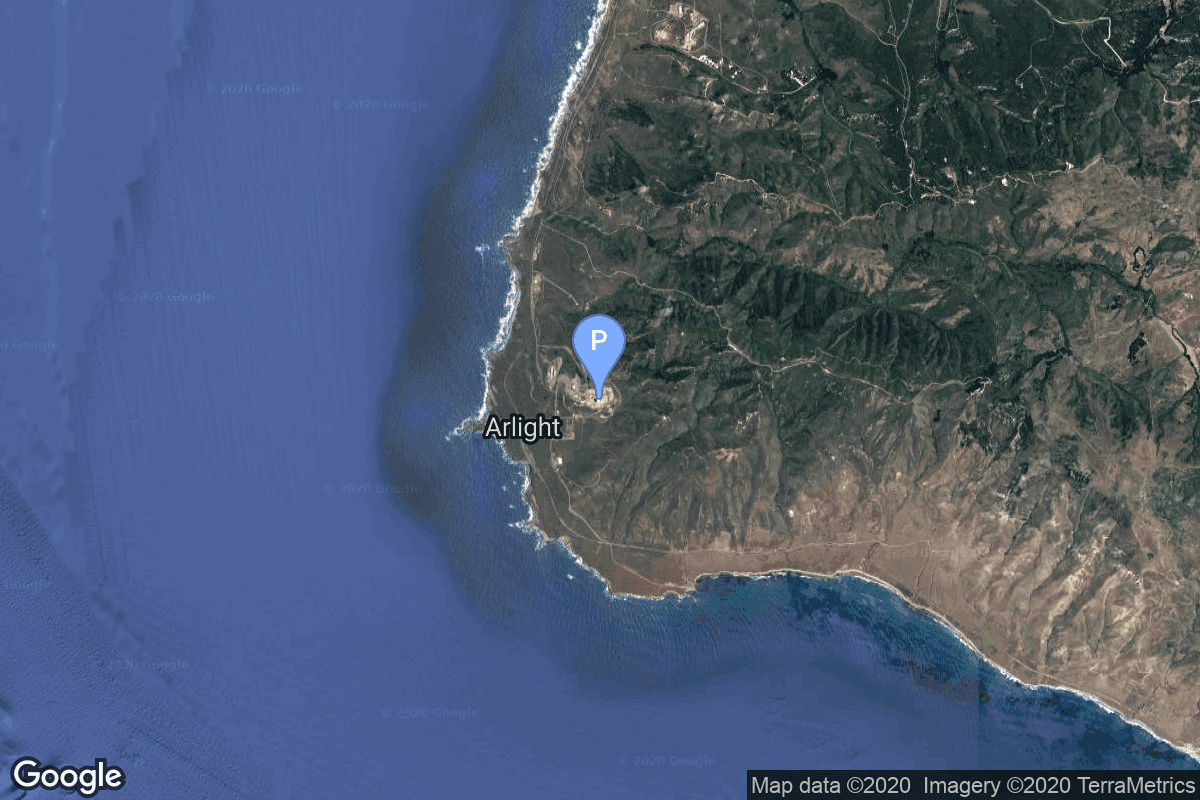
Launch Pad
SLC-6 — Space Launch Complex 6
From cancelled Cold War projects to Delta IV and now SpaceX, Space Launch Complex 6 has waited decades to fulfill its orbital promise.
Total Launches
14
Orbital Attempts
14
Active
—
Location
Vandenberg SFB
At a Glance
Space Launch Complex 6 sits on the southern end of Vandenberg Space Force Base, roughly five miles from downtown Lompoc. SpaceX currently operates the pad under a lease signed in 2023, preparing it for Falcon 9 and Falcon Heavy launches beginning in 2025. Before that, United Launch Alliance flew ten Delta IV missions from SLC-6 between 2006 and September 2022, and four Athena rockets used the pad in the late 1990s and early 2000s.
The pad is configured for polar and sun-synchronous orbits, launching south over the Pacific. Unlike Vandenberg's other complexes, SLC-6 has been rebuilt three separate times for three different programs that were cancelled before they flew a single mission. Its history is one of ambitious plans and political setbacks, making the 14 orbital launches that finally occurred feel like a hard-won achievement.
The Story of SLC-6
Construction on SLC-6 began in 1966 for the Titan IIIM rocket and the Manned Orbiting Laboratory, a classified Air Force program that would have put military astronauts into polar orbit. The program was cancelled in 1969 before the pad was finished, leaving a partially completed facility that sat dormant for years. The site was mothballed, its massive concrete structures a monument to Cold War ambitions that never materialized.
In the early 1980s, NASA and the Air Force rebuilt SLC-6 as the West Coast launch site for the Space Shuttle. The idea was that Vandenberg would handle polar-orbit missions while Kennedy Space Center in Florida handled equatorial launches. The rebuild was expensive and elaborate, including a new launch mount, access tower, and payload processing facilities. But after the Challenger disaster in 1986, budget constraints, safety reviews, and shifting political priorities led to the Shuttle program abandoning Vandenberg entirely. SLC-6 became known as one of the most expensive unused facilities in NASA history, a fully operational launch pad that never launched anything.
The pad finally saw its first launch in 1995 when Lockheed Martin's Athena rocket lifted off carrying a classified payload. Three more Athena missions followed through 2001. Then United Launch Alliance converted the complex for Delta IV, a process that included constructing a new mobile service tower and fuel systems. Delta IV flew ten missions from SLC-6 between 2006 and 2022, all of them national security payloads for the National Reconnaissance Office and other Department of Defense customers. When ULA consolidated Delta IV operations to Cape Canaveral for the rocket's final flights, SpaceX moved in, signing a lease in 2023 to adapt the pad for Falcon 9 and Falcon Heavy.
Who Launches from SLC-6 Today
SpaceX is preparing SLC-6 to complement its already active SLC-4E pad at Vandenberg. The company plans to use SLC-6 for both Falcon 9 and Falcon Heavy missions starting in 2025, primarily targeting polar and sun-synchronous orbits that require southward trajectories over the Pacific. These missions often carry Earth observation satellites, weather instruments, and national security payloads that need specific orbital inclinations only accessible from the West Coast.
The addition of SLC-6 will give SpaceX two operational pads at Vandenberg, enabling a higher launch cadence for West Coast missions. Falcon Heavy in particular will benefit from the pad's robust infrastructure, much of which was originally designed to handle the Space Shuttle's mass and complexity. The Delta IV heritage means SLC-6 already has heavy-lift support systems that translate well to Falcon Heavy's requirements.
Watching SLC-6 Launches from the 805
Lompoc, just five miles from the pad, offers the closest public vantage points. Day launches are visible as bright plumes rising from the southern end of the base, and the roar arrives seconds later. Night launches illuminate the entire Lompoc Valley, casting moving shadows across the hills. Santa Maria, about 25 miles to the southeast, has clear sight lines to the ascent corridor, especially for night launches when the exhaust plume glows orange against the dark sky. Solvang, roughly the same distance but to the south, benefits from north-facing viewpoints that catch the rocket as it climbs.
San Luis Obispo, 45 miles up the coast, can see bright streaks on clear nights for five to ten minutes as the rocket arcs south and the first stage separates. Santa Barbara, 60 miles south, has good visibility on clear days when launches occur in morning light. The southerly trajectory means the rocket moves toward Santa Barbara's coastline before arcing west over the ocean. Ventura and Ojai, both about 85 miles away, require very clear weather and bright plumes, but night launches from SLC-6 have been visible as far south as the Ventura coast when conditions align. Ojai's mountain horizon blocks some views, but east-facing ridgelines open up the northern sky.
Polar launches from SLC-6 head almost directly south, which means the best viewing is generally northeast of the pad. That puts Lompoc, Santa Maria, and Solvang in prime territory. The farther south you go, the more you are watching the rocket move away from you rather than across your field of view. Winter and spring launches benefit from clearer skies and crisper air, though marine layer fog along the coast can obscure the pad entirely on summer mornings.
Notable Launches from SLC-6
The first orbital launch from SLC-6 came on August 15, 1995, when a Lockheed Martin Athena I carried the GemStar 1 communications satellite to orbit. It was a modest beginning for a pad that had cost hundreds of millions of dollars over three decades. Three more Athena missions followed, all carrying classified payloads, before the rocket was retired and the pad was retrofitted again.
Delta IV's tenure at SLC-6 was defined by national security missions. All ten launches carried reconnaissance satellites and other classified payloads for the National Reconnaissance Office and the Air Force. The final Delta IV launch from the pad occurred in September 2022, closing a 16-year chapter and clearing the way for SpaceX. None of these missions were publicly detailed, but they represented the kind of high-value, high-reliability work that justified the pad's long and expensive evolution.
The most significant launch may still be ahead. When SpaceX begins Falcon Heavy operations from SLC-6 in 2025, the pad will finally serve the heavy-lift polar mission profile it was originally designed for in the 1960s. It will have taken nearly 60 years, but SLC-6 will at last do the job it was always meant to do.
Viewing Guide
Where to Watch SLC-6 Launches
7 viewing spots across the 805 with line-of-sight to this pad.
Frequently Asked
Key Facts
- 14 total launches since 1995
- Construction began in 1966
- SpaceX primary operator starting 2025
- 34.5815°N, 120.6262°W
- Originally built for Manned Orbiting Laboratory
- Most expensive unused facility in NASA history (pre-Shuttle cancellation)