Launch Pad
SLC-8 — Space Launch Complex 8
Once the California Spaceport's flagship pad, SLC-8 now serves Northrop Grumman's Minotaur family, launching national security and experimental payloads southward over the Pacific.
Total Launches
10
Orbital Attempts
10
Active
2026
Location
Vandenberg SFB
At a Glance
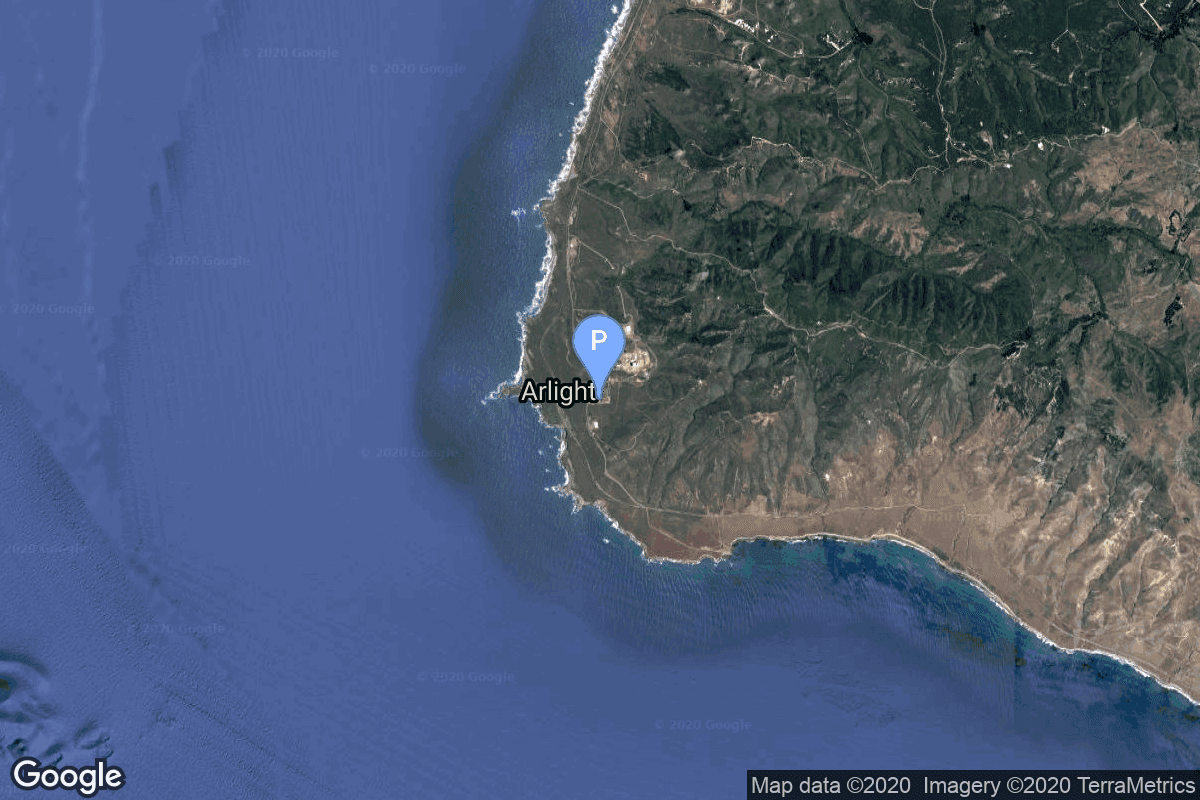
Space Launch Complex 8 sits on the coastal edge of Vandenberg Space Force Base, a pad built for commercial spaceflight that now serves Northrop Grumman's Minotaur rocket family. The site was originally known as the Commercial Launch Facility, or CLF, part of California's push in the 1990s to open space access beyond traditional military operators. Today, it launches national security payloads, experimental satellites, and technology demonstration missions on Minotaur IV and Minotaur I vehicles, which are solid-propellant rockets derived from decommissioned Peacekeeper and Minuteman intercontinental ballistic missiles.
SLC-8 has logged 10 orbital launches, including the recent STP-S29A mission on April 7, 2026, which flew aboard a Minotaur IV. These are infrequent events compared to the steady drumbeat of Falcon 9 flights from neighboring pads, but each Minotaur mission tends to carry payloads tied to Department of Defense research or classified space experiments. The pad's southward trajectory over the Pacific makes it ideal for polar and sun-synchronous orbits, a specialty of Vandenberg's Western Range.
The Story of SLC-8
The pad's origins trace to California's ambitions in the mid-1990s to establish a commercial spaceport within Vandenberg's boundaries. The state and private investors envisioned a launch site that could serve startups, foreign operators, and non-military customers seeking West Coast access to orbit. SLC-8 was designated the Space Launch Facility, or SLF, a neutral-sounding name meant to signal openness to any customer willing to pay. The California Spaceport leased the land from the Air Force, built infrastructure, and marketed the pad to emerging launch providers.
Early missions included Lockheed Martin's Athena rockets and the first Minotaur flights in the early 2000s. The Athena program fizzled, but Minotaur found its niche: Department of Defense customers with small, high-value payloads that didn't need the lifting power of a Delta or Atlas. Over time, Northrop Grumman (which acquired Orbital ATK, which had acquired the Minotaur line) became the pad's de facto operator. The California Spaceport branding faded, and SLC-8 returned to military-industrial routine, though technically still available for commercial contracts.
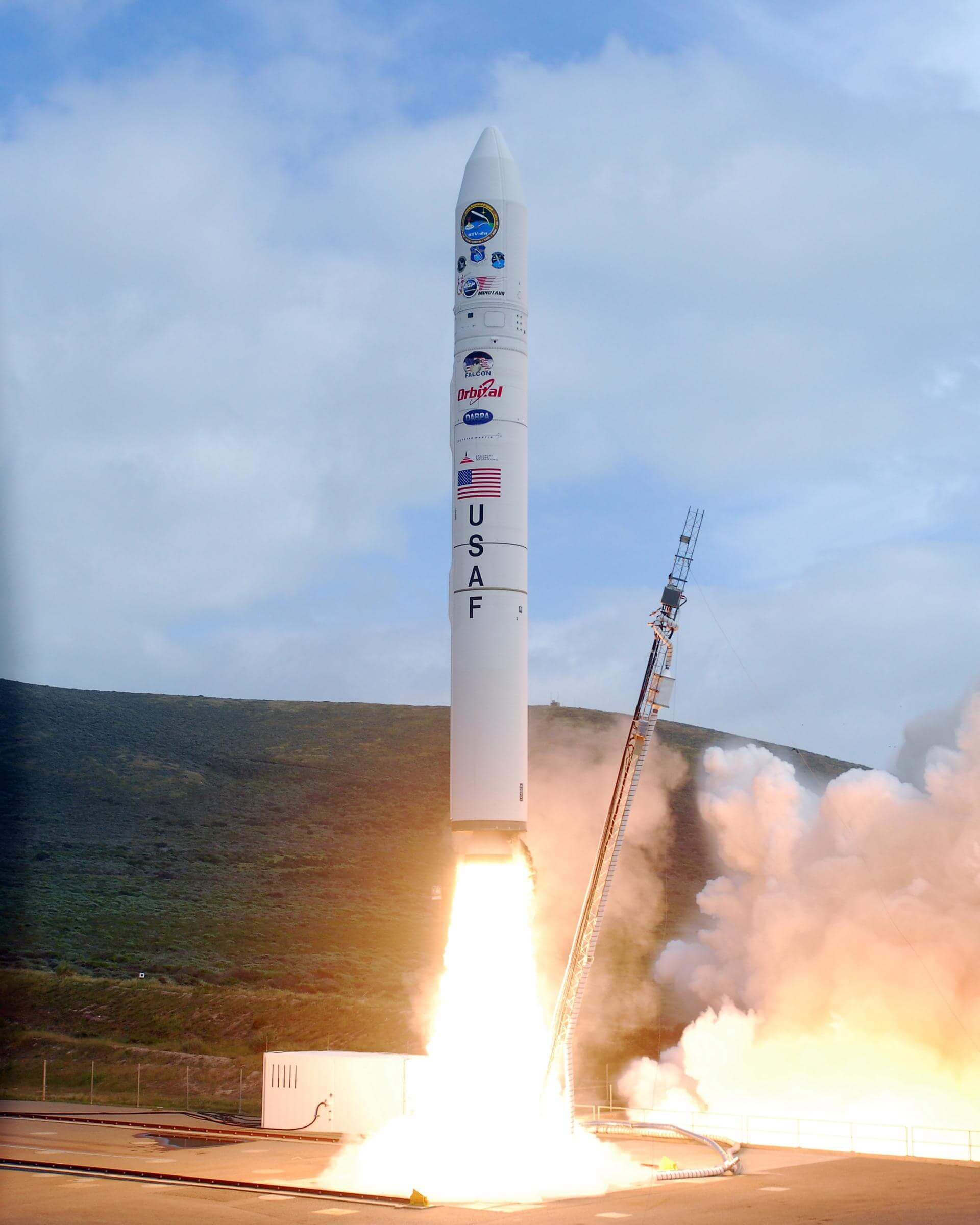
Today, the pad supports Minotaur I, IV, and occasionally Minotaur V configurations. These are three-, four-, and five-stage vehicles, respectively, capable of lofting several hundred kilograms to low Earth orbit or sending smaller probes beyond. The rockets burn fast and bright, their solid motors producing a characteristic yellow-white plume visible across the 805 on clear evenings. SLC-8's infrastructure is modest compared to SpaceX's gleaming integration hangars at SLC-4E, but it serves its purpose: a reliable, low-cadence pad for missions that need Vandenberg's southward range and don't require reusable hardware.
Who Launches from SLC-8 Today
Northrop Grumman Innovation Systems holds the keys. The company manufactures Minotaur rockets at facilities in Arizona and integrates payloads at Vandenberg before rolling them to SLC-8 for final checkout and launch. Most missions carry Department of Defense experimental satellites, often in clusters, testing new sensors, communication protocols, or orbital maneuvers. These flights are sometimes announced weeks in advance, sometimes just days, depending on classification levels.
The most recent launch, STP-S29A on April 7, 2026, exemplifies the pad's current role. STP stands for Space Test Program, a Defense Department initiative that buys rides for small satellites needing specific orbits. A Minotaur IV lifted the payload into a sun-synchronous orbit, a trajectory that keeps the satellite over the same local solar time as it circles the planet. The mission was a success, adding to SLC-8's perfect orbital launch record of 10 for 10. With no commercial Minotaur customers on the horizon, expect SLC-8 to remain a quiet but steady contributor to national security space operations, launching perhaps once or twice a year as DoD requirements dictate.
Watching SLC-8 Launches from the 805
Lompoc holds the prime seat. At roughly five miles from the pad, residents on the west side of town can see the Minotaur's ignition flash and the rocket's climb in real time during daylight launches. The solid motors produce a dense, golden exhaust trail that hangs in the air longer than liquid-fueled rockets, drifting eastward on prevailing winds. Night launches turn the coastal sky orange for 30 seconds, long enough to wake neighbors and send them rushing to windows. The sound arrives 20 to 25 seconds after liftoff, a crackling rumble that rattles glass and triggers car alarms.
Santa Maria and Solvang, both about 25 miles from SLC-8, offer excellent views of the ascent phase, especially for evening launches. In Santa Maria, north-facing vantage points along Broadway or the hills near Orcutt catch the rocket's climb until it disappears into the southern sky. Solvang's rolling vineyards and ridgeline roads provide clear sightlines if you know where to stand; locals often gather along Alamo Pintado Road for impromptu launch parties. San Luis Obispo, 45 miles north, can spot bright night launches as a moving star that accelerates and fades over five to ten minutes, though the initial climb is below the horizon. Santa Barbara, 60 miles south, sees southbound Minotaur flights as a bright streak over the ocean, best from coastal bluffs or rooftops in Goleta.
Ventura and Ojai sit at the 85-mile mark. Ventura's beachfront can catch exceptionally bright plumes on polar launches if the weather cooperates and the sun angle is right, illuminating the exhaust at high altitude. Ojai's mountain horizon blocks low-angle views, but east-facing ridgelines above town can reveal the later stages of ascent as the rocket clears the southern mountains. For all 805 cities, clear skies matter more than proximity; marine layers and fog banks frequently obscure Vandenberg from coastal zones, while inland valleys stay clear. Check weather and launch windows before driving to a viewing spot, and bring binoculars for daylight flights to catch staging events and plume separation.
Notable Launches from SLC-8
The pad's history is less about blockbuster missions than steady, workmanlike performance. Early Minotaur flights in the 2000s carried experimental satellites for the Air Force Research Laboratory, testing drag-reduction technologies and formation-flying techniques. These were small, low-profile missions that advanced capabilities without headlines. The Minotaur IV's inaugural flight in 2010 from SLC-8 demonstrated the rocket's ability to reach higher orbits, a capability important for certain reconnaissance and weather satellites.
The STP-S29A mission on April 7, 2026, represents the pad's current era. Details remain limited, typical for Space Test Program flights, but the successful orbital insertion marks SLC-8's tenth consecutive success. That unblemished record is noteworthy in an industry where first-stage landings and reusability grab attention; SLC-8 launches are expendable, one-way trips that prioritize mission assurance over cost savings. The pad's reliability makes it the go-to choice for payloads that cannot afford a launch failure, even if that means fewer flights per year.
Recent Launches from SLC-8
Viewing Guide
Where to Watch SLC-8 Launches
7 viewing spots across the 805 with line-of-sight to this pad.
Frequently Asked
Key Facts
- 10 orbital launches to date
- Originally the Commercial Launch Facility (CLF)
- Operated by Northrop Grumman for Minotaur rockets
- Part of the California Spaceport initiative
- Located at 34.576°N, 120.632°W
- Most recent launch: April 7, 2026