A Huge Job
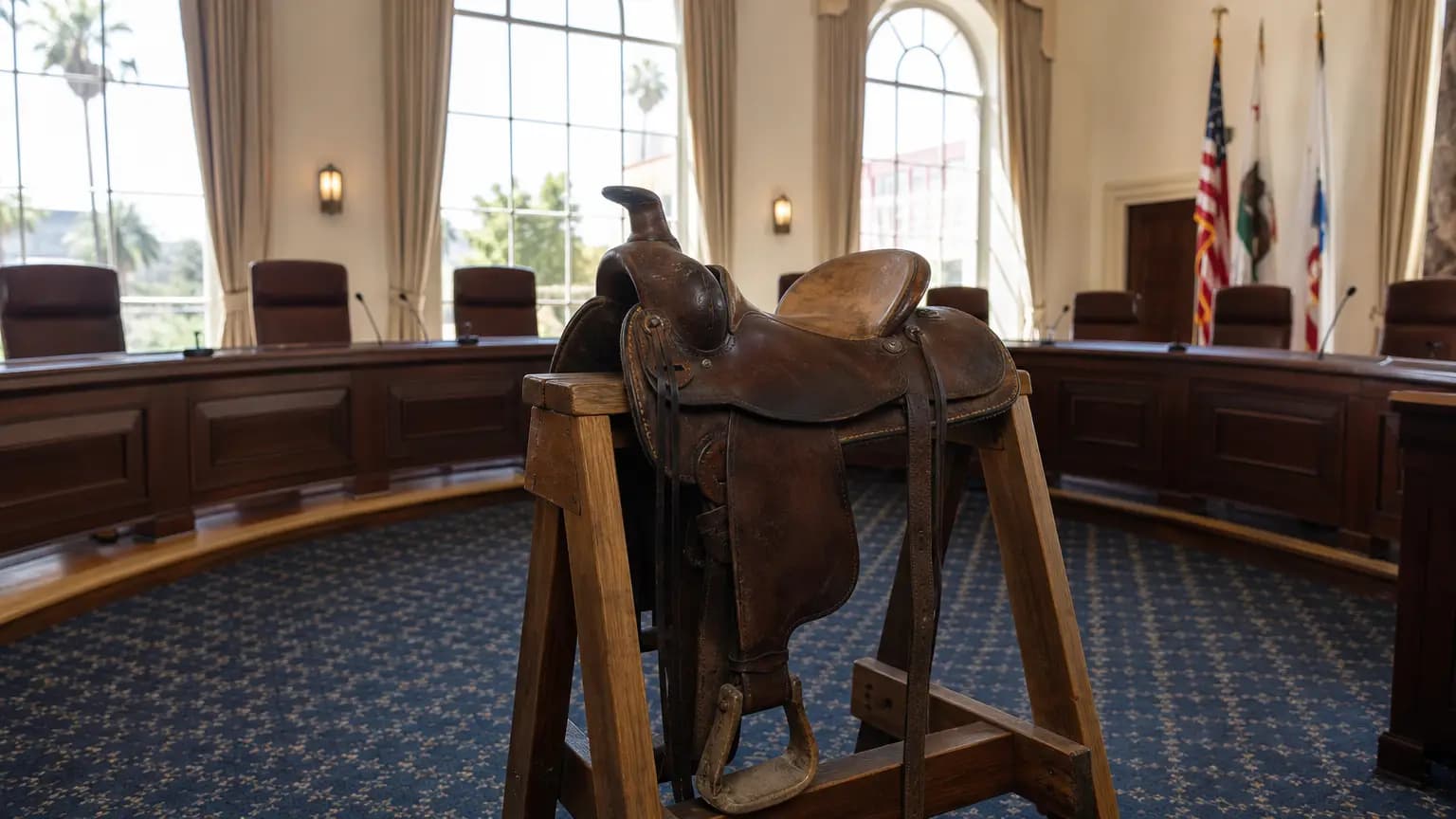
When the sun breaks over the Santa Ynez Mountains every August, the American Riviera transforms. Bunting goes up along State Street, the scent of tri-tip drifts from El Mercado de la Guerra, and the rhythmic clomp-clomp of horseshoes on pavement announces the arrival of Old Spanish Days (OSD). Santa Barbara’s beloved Fiesta is a century-old tradition that draws locals and tourists alike into a whirlwind of flamenco, history, and community pride.
But as the Santa Barbara Independent noted in a recent community letter, behind the festive banners and spinning skirts, a quiet friction is brewing—one that hits at the very heart of the parade: the horses.
For decades, the equestrian units have been the undisputed soul of the Fiesta Parade. Yet, ensuring these magnificent animals make it down State Street is, as local resident Kathy Gregory put it in the Independent, "a huge job."
More Than Just Showing Up
To the casual spectator lining the parade route, a horse is a beautiful, natural addition to a historic celebration. But locals who ride know better. Preparing an equine entry for a massive civic parade is a grueling logistical and physical undertaking.
You cannot simply throw a saddle on a horse and head downtown. Horses are prey animals by nature, and desensitizing them to the chaos of Fiesta—marching bands, roaring motorcycle units, cheering crowds, and fluttering confetti—takes months of patient, rigorous training. Riders must transport their animals into a dense urban environment, navigate tight staging areas under the summer sun, and manage the immense physical and psychological stress the animals experience on the pavement.
The Independent recently highlighted a growing conversation among locals: a previous opinion piece argued that "The Horses That Built Santa Barbara Deserve A Voice In Fiesta Planning." Gregory agreed with the sentiment, but pointed out a critical flaw in the narrative. Having a seat at the table, she noted, is meaningless if the people listening aren't willing to take action.
The Tension Between Tradition and Logistics
The debate over the parade's equestrian footprint is not entirely new. In recent years, the City of Santa Barbara has grappled with how to balance grand civic traditions with modern public safety and animal welfare concerns. The city's Harbor and Waterfront Department, which manages the waterfront and beach areas often used for staging, has occasionally clashed with event organizers over the logistics of animal waste and turf protection.
Meanwhile, the Santa Barbara City Council acts as the ultimate decision-maker for large-scale events that commandeer downtown streets. While OSD is the nonprofit organization tasked with organizing and hosting the festivities, they remain tethered to the city's regulatory framework.
Gregory’s letter points out a structural frustration felt by many community organizers: "Old Spanish Days is not on board with some of the recent changes, but they are powerless to retain the charm and integrity of the Fiesta without City Council approval."
Who Really Calls the Shots?
The heart of the issue lies in governance. Fiesta was born in 1924 as a way to celebrate Santa Barbara’s history and provide a boost to the local economy during the summer months. From the Historical Museum's archives to the living memory of multi-generational local families, the event is deeply woven into the 805's identity.
However, modern parades require modern logistics. Street closures, crowd control, sanitation, and animal safety protocols mean that OSD must constantly negotiate with municipal departments. When a rider spends hundreds of hours preparing a horse for the parade, only to find the staging area altered or the route's conditions changed by city mandates, it can feel like a dismissal of the very heritage the event is supposed to honor.
Gregory’s assertion that the City Council is "the boss of Fiesta decisions" reflects a broader anxiety among locals that community traditions are slowly being chipped away by bureaucratic processes that don't fully understand the nuances of horsemanship.
Preserving the Heartbeat of Fiesta
As Santa Barbara looks toward its next Old Spanish Days celebration, the dialogue sparked in the Independent serves as a vital reminder. Fiesta isn't just a party; it's a living, breathing piece of local history. The equestrian units descending from the ribbons of State Street are a direct link to the city's rancho roots, a time when the 805 region was defined by vast ranches and a profound partnership between human and horse.
For the community to keep that heritage alive, it will take more than just inviting equestrian voices to the planning meetings. It will require the City Council and local organizers to actively listen to the riders who know firsthand the immense effort behind the saddle. Because keeping Santa Barbara’s history alive is, indeed, a huge job.
Reported by 805.life
Researched and written drawing on primary sources. Additional reporting: Santa Barbara Independent.
City
Santa BarbaraAdditional Reporting
Santa Barbara IndependentPublished
July 18, 2026
Reported and written by 805.life
Explore Santa BarbaraAll Santa Barbara NewsMore News from Santa Barbara
Al no haber arma homicida, el juicio contra Caleb Flynn se centra en la relación extramatrimonial y en el supuesto intruso
A murder trial unfolding just up the coast is drawing attention here in Santa Barbara, and it's the kind of case that's hard to look away from. Caleb Flynn's trial, reported by KEYT News Channel 3-12, has no murder weapon — instead, prosecutors are leaning on testimony about a secret church affair, thousands of deleted texts, and lies told to the FBI. Even the family dogs stayed eerily quiet that night, which has become a strange piece of the puzzle. For those of us in the 805, it's a reminder that even tight-knit communities aren't immune to the kind of drama you'd expect from a courtroom thriller. Cases like this can shake faith in neighbors and institutions, and they raise hard questions about trust and evidence. We'll be watching how the trial unfolds — not out of spectacle, but because it touches on the real lives of people not so far from home.
UCSB Recovers From Slow Start, Beats CS Northridge in Big West Volleyball Opener
Good news for Gaucho fans — UCSB women's volleyball finally got back in the win column Friday night at the Thunderdome, shaking off a slow start to beat Cal State Northridge in the Big West opener. After dropping the first set, the team looked like a squad still finding its footing following a tough preseason that ended on a six-match skid. But conference play is a fresh slate, and the Gauchos took advantage. For our Isla Vista and Goleta neighbors, there's something special about catching a match on campus — cheap tickets, loud student section, and a team that's easy to root for. Thanks to Noozhawk for the coverage. If you haven't been to a UCSB volleyball match yet, consider this your sign to check one out this season.
Cottage Health Hosts Sepsis Conference Focused on Early Recognition and Treatment
Cottage Health pulled together doctors, nurses, pharmacists, respiratory therapists and other clinicians from across the region on Friday, Sept. 18, for a conference zeroing in on one of medicine's trickiest foes: sepsis. If you've never heard the word, you're not alone — but it's a leading cause of death in hospitals, and the difference between a good outcome and a tragic one often comes down to how fast someone recognizes the signs. That's why this gathering matters here. Santa Barbara County spans a big, sometimes rural region, and not every clinic or ER has the same resources. When Cottage Health convenes providers from up and down the 805 to share protocols and lessons learned, it quietly raises the standard of care for all of us — whether you're in Goleta, Lompoc, Santa Maria or Santa Ynez. The Santa Barbara Independent first reported the conference, and it's the kind of unglamorous, behind-the-scenes work that keeps our community healthier. Next time you or a loved one lands in an ER with a puzzling fever, this is the preparation you'll be glad happened.