About the Retention Election for California Appellate Justices
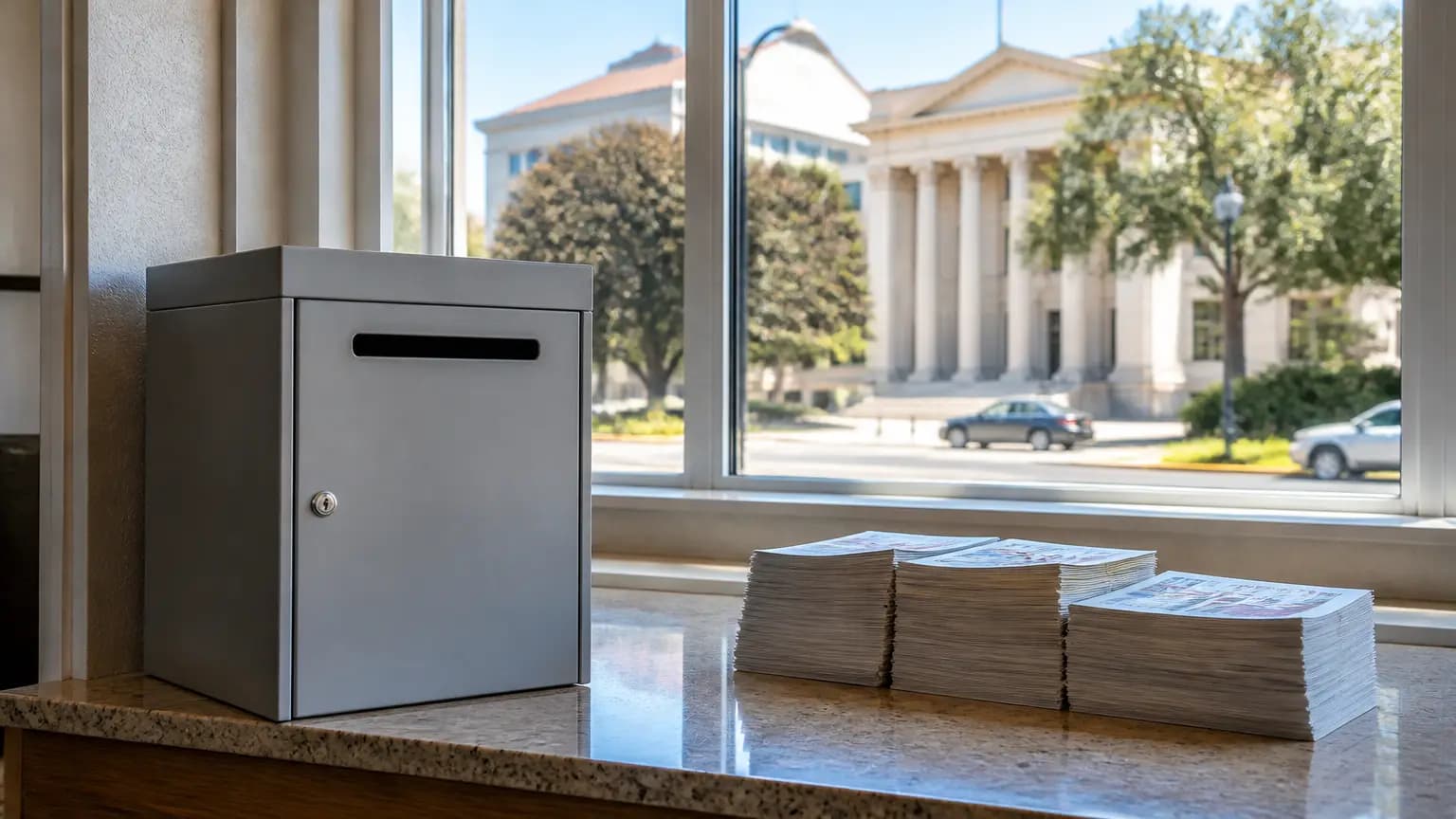
When Santa Barbara County voters open their November 2026 ballots, they'll find an unfamiliar category of contest: a list of California appellate court justices, each asking a simple yes-or-no question — should they keep their jobs? No opponents will appear beside them. No campaign rhetoric will fill the airwaves. It's a process called judicial retention, and this year it applies to a bench that directly shapes Santa Barbara County law: the Second District Court of Appeal.
The Santa Barbara Independent published a detailed explainer on October 7, 2026, written by a member of that very bench — the Presiding Justice of Division Six of the Second District, who also serves in downtown Ventura. The justice, who spent 22 years as a Ventura County Superior Court judge before joining the appellate court in 2023, used the piece to walk voters through how justices are appointed, evaluated, and retained, and to ask for "yes" votes across the board.
Why the Second District Matters Locally
The Second District Court of Appeal hears appeals from superior court decisions in four counties: Los Angeles, Ventura, Santa Barbara, and San Luis Obispo. It comprises eight divisions. Division Six, based in Ventura, has long been the division most closely tied to cases originating on the Central Coast, meaning its published opinions shape the legal landscape for Santa Barbara residents, businesses, and local government alike.
Every California appellate justice must periodically stand for retention, the Independent's piece explained. Unlike other elected offices, retention races are uncontested by design — no challenger can run against a sitting justice. Voters simply vote "yes" or "no" on whether each justice remains in office, and each must receive a majority of yes votes to continue serving.
A Vetting Process Measured in Years of Scrutiny
The article's most substantive contribution is its step-by-step account of how someone becomes an appellate justice in California — a process the author described as long and extensive.
Candidates must first have practiced law for at least 10 years. From there, hopefuls submit a detailed application to the governor's office, which may route the file to one of eight regional Judicial Selection Advisory Committees. These committees — made up of judges and lawyers from diverse backgrounds — interview people who know the candidate and issue a confidential report rating the applicant as "not qualified," "qualified," "well qualified," or "exceptionally well qualified."
Candidates who advance face a second, independent evaluation by the Commission on Judicial Nominees Evaluation, a body of up to 38 nonpartisan public members, lawyers, and former judicial officers. According to the piece, JNE sends confidential questionnaires to hundreds of judges and lawyers and may contact as many as 75 people who have worked with the candidate. A three-member panel then interviews the candidate — an interview that can take hours — before the full commission votes on a rating.
Only then does the governor's Judicial Appointments Secretary interview the candidate, and only then can the governor formally nominate them to the Court of Appeal. The nomination triggers a final investigation by the California Department of Justice, whose findings go to the Commission on Judicial Appointments — made up of the Chief Justice of California, the state Attorney General, and a senior Presiding Justice. That commission holds a public hearing where members of the public may speak for or against the nominee, and at least two of the three commissioners must vote to approve.
How Voters Can Judge the Judges
For voters wondering how to evaluate justices they've likely never heard of, the article pointed to two safeguards. First, the California Code of Judicial Conduct requires appellate justices to be "faithful to the law, regardless of partisan interests, public clamor, or fear of criticism." Second, the California Commission on Judicial Performance reviews complaints against judges and justices and can impose discipline up to and including removal from office; its public discipline decisions are available for anyone to read.
Notably, the author stated that none of the appellate justices on the November 2026 ballot have been disciplined by the Commission on Judicial Performance.
The Local Takeaway
For Santa Barbara readers, the retention question is less about any single controversy than about the machinery of justice that reviews trial court rulings from the Santa Barbara courthouse. Appellate justices don't campaign in the traditional sense — ethical rules sharply limit what they can say beyond their written opinions — which is why explainer pieces like the Independent's, authored by a sitting justice, serve as one of the few direct lines of communication between the bench and voters.
The author closed with an appeal grounded in process rather than politics: every justice on the ballot has survived the multi-layered vetting described above, has taken an oath to support and defend the U.S. and California constitutions, and, in the author's words, cares deeply about the judicial system, access to justice, and the rule of law.
Santa Barbara voters can review the full list of Second District justices on their sample ballots before Election Day in November 2026. The Independent's original piece is available here, and records of judicial discipline, if any, can be checked through the California Commission on Judicial Performance.
Reported by 805.life
Researched and written drawing on primary sources. Additional reporting: Santa Barbara Independent.
City
Santa BarbaraAdditional Reporting
Santa Barbara IndependentPublished
October 7, 2026
Reported and written by 805.life
Explore Santa BarbaraAll Santa Barbara NewsMore News from Santa Barbara
 Santa Barbara
Why Does It Cost So Much to Remodel Here?
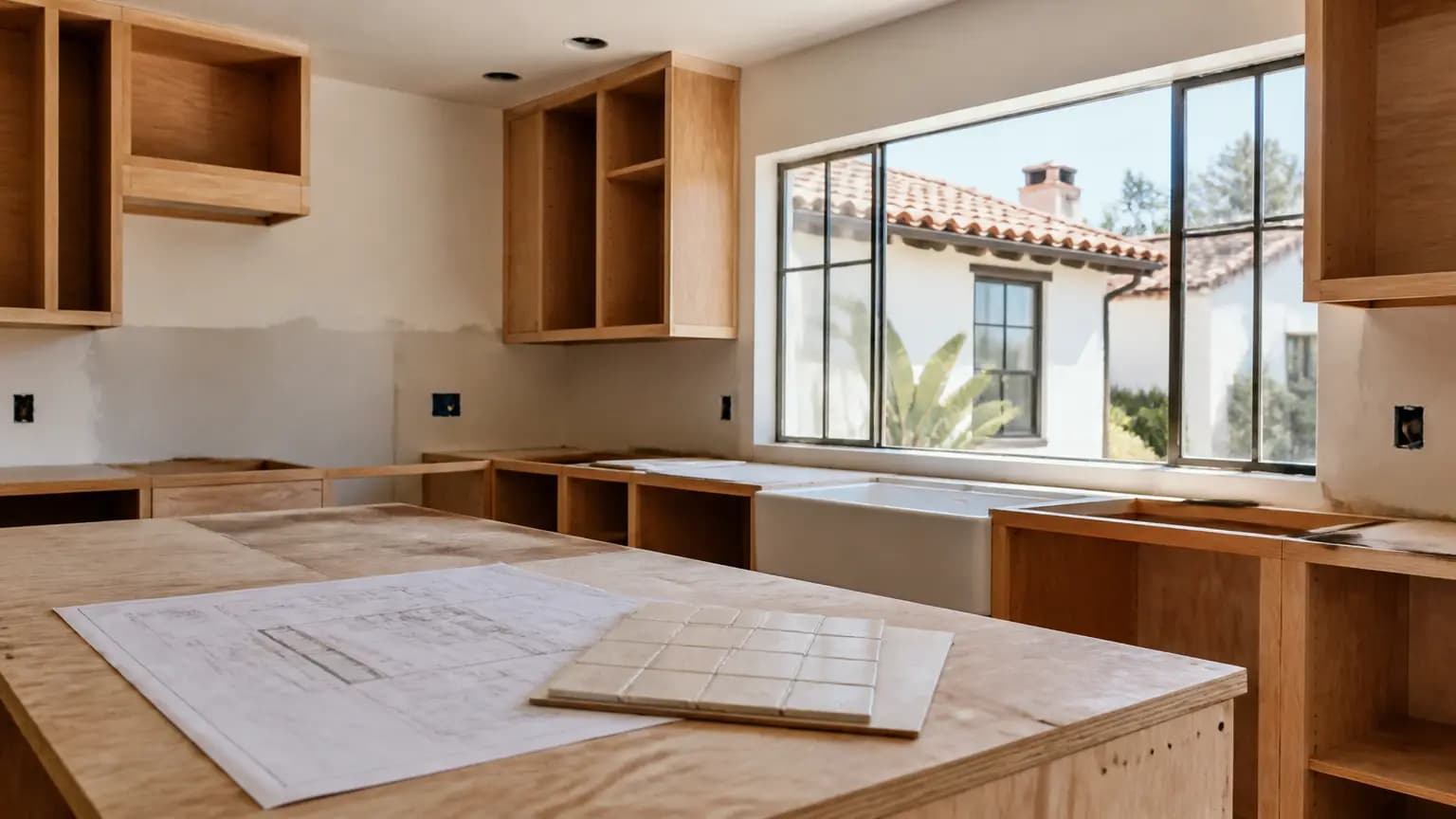
If you've gotten a remodel quote lately and felt your jaw hit the floor, you're not alone — and the Santa Barbara Independent just tackled the question everyone's asking: why does it cost so much to remodel here? The short answer: coastal permitting, limited contractors, and a market where demand never really cools down. It's not just sticker shock, though. It's a reminder that your Pinterest board and your budget need to live on the same planet before you demo a single wall. Overruns here come fast, and they come local — from Montecito to Goleta, the same forces are at play. Before you sign anything, talk to neighbors who've been through it, get multiple bids, and pad the budget. The Independent's piece is worth a read — it's the kind of practical reality check that saves 805 homeowners real heartache.
 Santa Barbara
Saving Naples, Once and for All
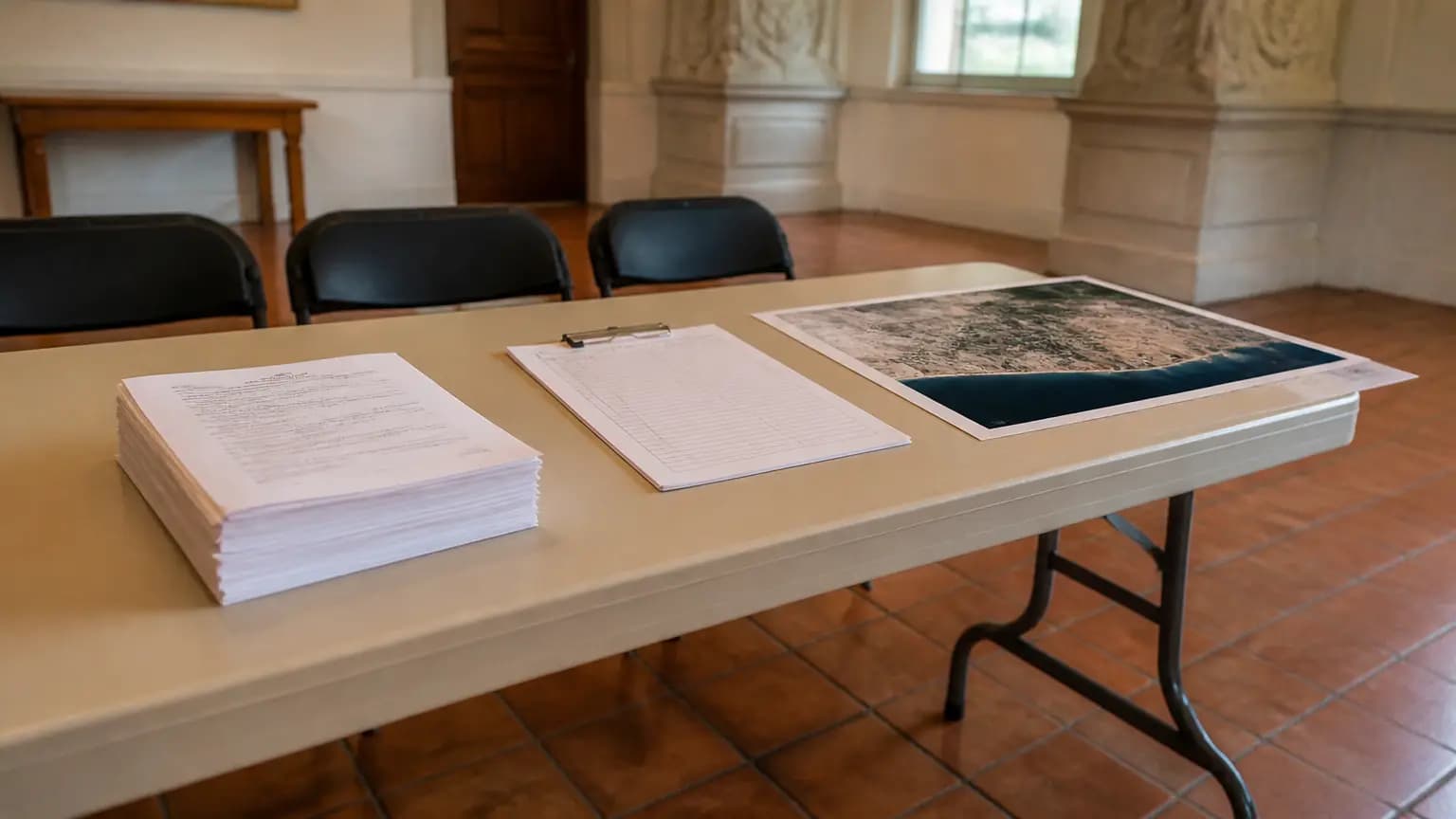
Big news for our little slice of paradise: the Land Trust has a purchase agreement in hand for Naples, the rugged stretch of coast and ranchland just west of Goleta that generations of 805 locals have hiked, surfed, and fought to protect. Now comes the hard part — a $16 million fundraising push to make the preserve permanent. Naples has been on the brink more times than we can count, and every close call has reminded us how rare this coastline really is. Sealing the deal means no future development, no last-minute saves, just open space for our kids and grandkids. The Santa Barbara Independent reports the clock is ticking on the campaign. If you've ever stood on those bluffs at sunset, you know why this matters. Let's get it done — once and for all.
 Santa Barbara
Santa Barbara Council Votes to Ban Short-Term Rentals in Most Neighborhoods
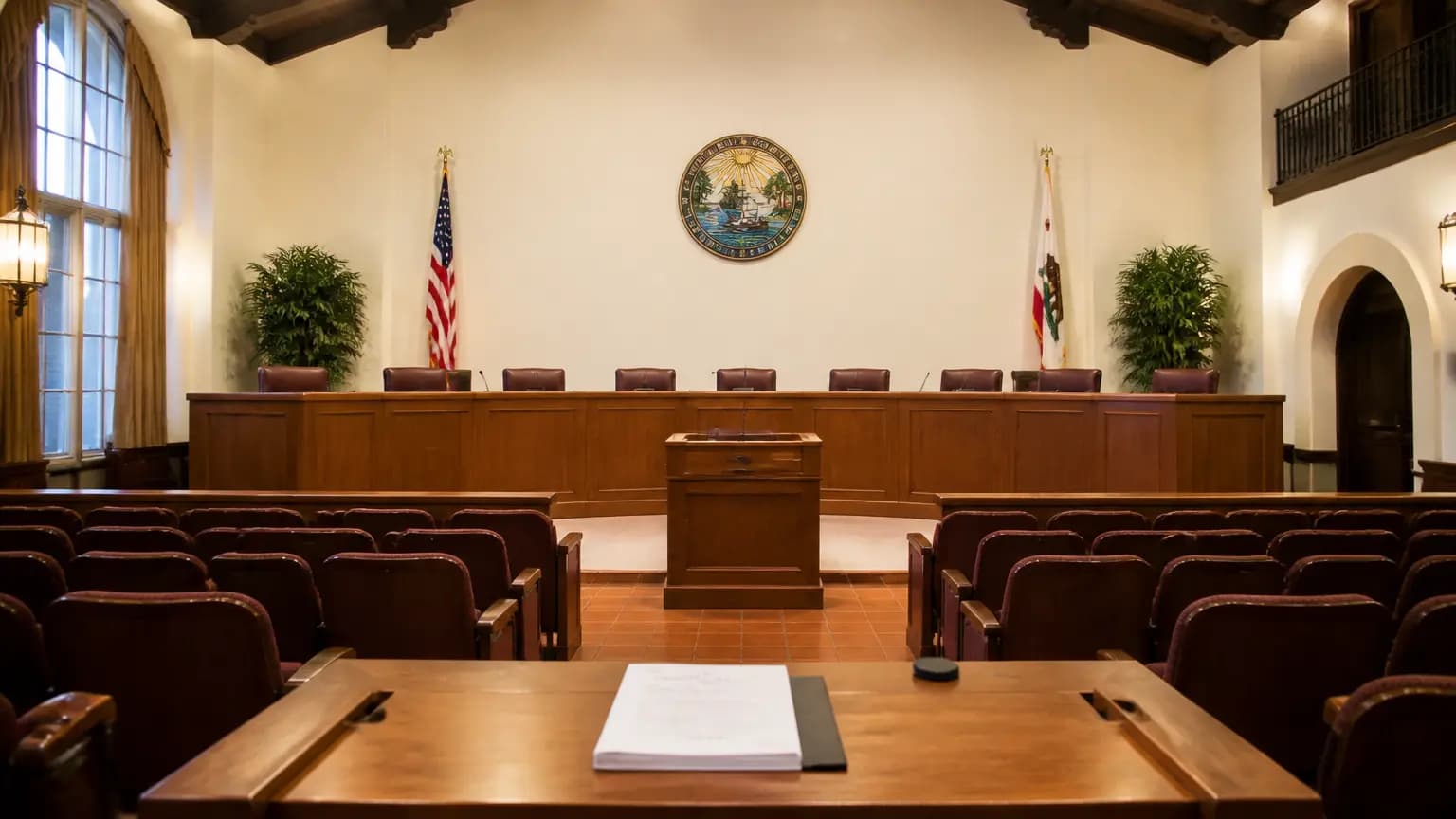
Well, neighbors, it looks like the short-term rental debate just landed squarely on our doorstep. The Santa Barbara City Council voted unanimously on Tuesday to ban vacation rentals in all inland residential zones and high-fire-risk areas, with heavy restrictions in the coastal zones too. If you've noticed an Airbnb or Vrbo popping up next door, or watched long-time neighbors get priced out, this one hits close to home. Love them or not, these rentals have shaped our neighborhoods for years, and the council's move is a real attempt to protect housing stock and keep our communities livable. As Noozhawk reported, the new rules and regulations are still unfolding, so stay tuned for how enforcement will actually work. Whether you're a renter, a homeowner, or someone who rents out a spare room, this affects all of us. Let's keep the conversation going, Santa Barbara.