ADA Compliance Should Not Mean More Jail Cells
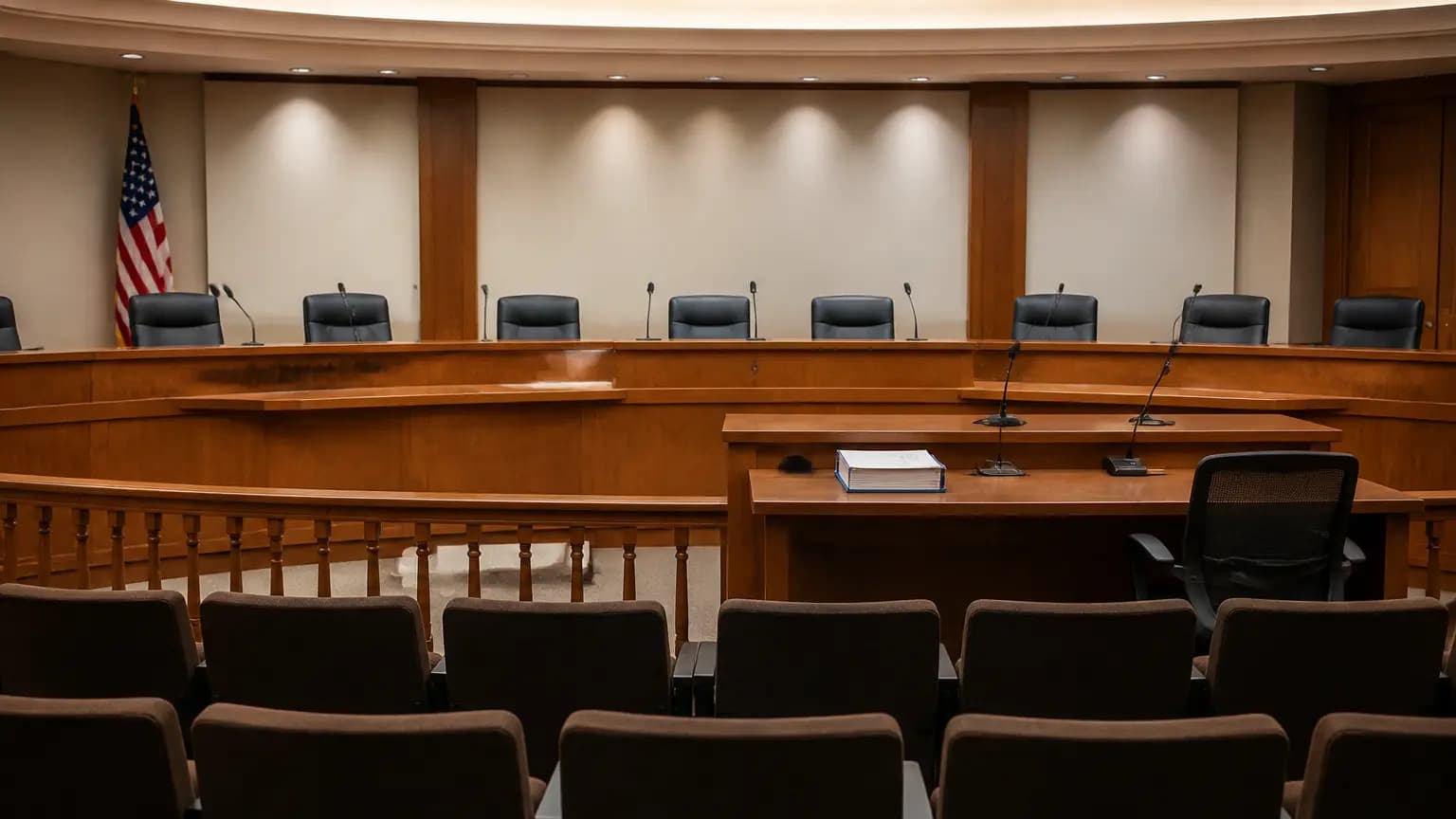
A unanimous vote by the Santa Barbara County Board of Supervisors to approve a $167 million jail expansion — a project county leaders say is needed to satisfy an Americans with Disabilities Act (ADA) lawsuit filed years ago — is drawing sharp pushback from local advocates who argue the county is investing in the wrong kind of beds.
The most prominent critique came this week from Gina Rodarte Quiroz, a Santa Barbara community advocate, policy consultant, and Families ACT board member, who laid out her objections in a letter published by the Santa Barbara Independent. Her central argument: if the county can finance $167 million in jail infrastructure, it should be able to find the resources to build the psychiatric treatment beds that would keep many people with serious mental illness out of jail in the first place.
What the Board Approved
The Board of Supervisors approved the jail expansion unanimously, with county leaders framing the project as a necessary response to ADA litigation over conditions at the county jail. Officials have argued the expansion is required to bring the facility into compliance and improve conditions for incarcerated people with disabilities.
But the scope of the project — specifically the number of new beds — remains under debate even among those who accept the compliance rationale. Quiroz and other advocates contend that ADA obligations can be met without maximizing jail capacity, and that the county is using a legal mandate as cover for a broader buildout.
During presentations on the project, county officials repeatedly described the expansion as "more humane," according to Quiroz's account. Her response: "Wouldn't it be more humane to not criminalize our most vulnerable population and prioritize affordable housing and psychiatric treatment beds?"
Jails as De Facto Mental Health Facilities
The heart of the criticism is a dynamic familiar to families across the Central Coast: county jails have become default mental health institutions. According to Quiroz, individuals experiencing psychosis, schizophrenia, bipolar disorder, and other serious psychiatric disabilities often remain incarcerated for weeks or months while waiting for placement in a psychiatric treatment program — and jail settings frequently worsen their conditions.
That bottleneck has consequences beyond the individuals affected. Quiroz warned that people with disabilities awaiting transfer to a higher level of care must receive priority attention under the new plan, or the county risks another year of noncompliance with the state — potentially triggering additional fines that would cost taxpayers millions more on top of the $167 million already committed.
"When will we invest in evidence-based programs that actually rehabilitate, instead of the revolving-door incarceration?" she wrote. "If incarceration is the answer, why do the same people keep coming back?"
A Question of Priorities, Not Compliance
Advocates are careful to distinguish between the ADA mandate itself — which they do not dispute — and the county's choice about how to meet it. "ADA compliance is important. Every person deserves humane and accessible conditions," Quiroz wrote. "But compliance should be the floor, not the ceiling, of our ambitions."
The critique cuts to a long-running tension in Santa Barbara County budgeting: capital projects for correctional facilities can be financed at nine figures, while community treatment capacity — psychiatric beds, supportive housing, crisis response — has chronically lagged behind need. Families and behavioral health advocates in the county have argued for years that the gap forces law enforcement and jail staff to serve as first-line mental health providers, a role neither is equipped to play.
"At the end of the day, we can frame the expansion as more 'humane,' but it is still a jail," Quiroz wrote. "History will not judge us by how efficiently we expanded our jails. It will judge us by how we treated our most vulnerable. The question before us is simple: when given the choice between cages and care, why do we keep choosing cages?"
What Comes Next
With the expansion approved, attention now shifts to implementation — and to whether the county pairs the buildout with meaningful investments in diversion and treatment. Key open questions for residents and taxpayers include:
- How many beds, and what kind. The bed count for the expansion remains contested, and supervisors will face decisions about how much of the new capacity serves ADA-required functions versus general population growth.
- Transfer timelines. Advocates are demanding priority handling for incarcerated people with disabilities who are waiting for psychiatric placement, both on humanitarian grounds and to avoid further state noncompliance penalties.
- Parallel treatment investment. Whether the Board of Supervisors will commit funding comparable in urgency — if not in scale — to community psychiatric beds, affordable housing, and evidence-based rehabilitation programs.
For Santa Barbara residents, the stakes are both fiscal and moral. The $167 million price tag will be felt in the county budget for years, and the risk of additional state fines raises the true cost further if the underlying compliance failures aren't resolved. Meanwhile, the population most affected — people with serious mental illness caught in the criminal justice system — will continue cycling through the jail's doors unless the county addresses what Quiroz calls the "underlying failure" that turned the facility into a de facto psychiatric institution in the first place.
The Board of Supervisors' unanimous vote settled the question of whether the jail will expand. What remains unresolved is whether Santa Barbara County will treat ADA compliance as the beginning of its obligations to vulnerable residents — or the end.
Reported by 805.life
Researched and written drawing on primary sources. Additional reporting: Santa Barbara Independent.
City
Santa BarbaraAdditional Reporting
Santa Barbara IndependentPublished
October 31, 2026
Reported and written by 805.life
Explore Santa BarbaraAll Santa Barbara NewsMore News from Santa Barbara
 Santa Barbara
 High Girls Volleyball Falls to Glendora in CIF-SS Division 4 Semifinals
Dons fans, we know this feeling all too well. For the second year running, Santa Barbara High's girls volleyball squad saw its playoff run end in the CIF-SS semifinals, falling in straight sets at Glendora on Saturday night — 22-25, 17-25, 17-25. Glendora brought a big block and some heavy hitters, and our Dons just couldn't find an answer. Still, getting back to the semis two seasons in a row is no small thing. These players put in the long practices, the road trips, and the kind of grit that makes Santa Barbara proud. The season didn't end with a banner, but it ended with a team worth cheering for. Props to Noozhawk for keeping us posted on the Dons all season long. To the players and coaches: thanks for the ride. We'll be back in the gym next fall.
 Santa Barbara
CIF-SS playoff semifinal scores for girls volleyball and flag football
Our local teams are making waves in the CIF-SS playoffs, and even though Santa Barbara High's girls volleyball squad fell to Glendora in the Division 4 semifinals, there's plenty to celebrate across the 805. The Dons had a strong run, and we're proud of how they represented our community on the court. Over in flag football, Oxnard's Yellowjackets are headed to the Division 1 finals after a 19-9 win over El Toro. They'll face Palos Verdes, and you can bet the 805 will be rooting them on. Meanwhile, Newbury Park's volleyball team advanced in Division 2 and will play Corona del Mar for the title. It's a great reminder of the talent and heart in our local high schools. Thanks to KEYT News Channel 3-12 for keeping us posted on these playoff scores. Whether you're a volleyball parent, a flag football fan, or just love seeing our area shine, these student-athletes are giving us plenty to cheer about this November.
 Santa Barbara
Betrayal
If you've been following the local endorsements this election season, you've probably seen the stir around the Santa Barbara Independent's pick in this race. The paper's own post, pointedly titled "Betrayal," has folks around town talking — and not in the usual polite, let's-agree-to-disagree way. For a community that leans on its local press for honest guidance, an endorsement that feels out of step with neighborhood concerns lands hard. Here on the Central Coast, we take our local institutions seriously — from the courthouse steps to the farmers market. When a trusted outlet's editorial call rubs residents the wrong way, it's more than a political squabble; it's a reminder that local trust is earned, not assumed. Whether you agree with the criticism or not, it's worth reading up before you cast your ballot. Election Day is coming fast. Do your homework, talk to your neighbors, and decide for yourself what's best for Santa Barbara.