Age-restricted: Santa Maria follows the county’s lead by passing protections for senior mobile home parks
A Proactive Step for Senior Housing
Families and retirees flock to the 805 region for its weather and community, but preserving affordable housing for seniors has become an increasing priority for local governments. In a decisive move to protect affordable housing, the Santa Maria City Council unanimously adopted a new zoning ordinance on Aug. 4 that safeguards the city’s 55-and-over mobile home parks.
The freshly minted senior mobile home park overlay establishes strict parameters around how and when a park can change its demographic designation. Covering five specific properties—Casa Del Rio, Casa Grande, La Maria, Rancho Buena Vista, and Trailerancho—the ordinance directly impacts more than 1,000 senior residents who call these communities home, the Santa Maria Sun reported.
Set to take effect in early September, the new rule dictates that if park ownership wishes to convert more than 20 percent of its existing senior-designated units to all-ages housing, they must first navigate a rigorous bureaucratic process. Park owners would be required to apply for a formal zoning amendment, triggering public reviews that would wind through the Santa Maria Planning Commission before ultimately requiring final approval from the City Council.
The Catalyst: Lessons from Orcutt's Del Cielo Dispute
While no current park owners in Santa Maria had expressed interest in converting their properties to all-ages communities, city officials viewed the ordinance as a necessary preventative measure. Chenin Dow, Santa Maria’s Community Development Director, told the council that the overlay is designed to "get ahead of the game" before any conversion desires take root within the city limits.
The push for local protection was heavily inspired by a contentious and ongoing dispute just south of the city. In 2024, the Del Cielo Mobile Estates in Orcutt came under new ownership. Management subsequently notified its senior tenants of an intent to convert the property into an all-ages community. This sparked immediate backlash and prompted the Santa Barbara County Board of Supervisors to adopt a comparable senior mobile home park zone overlay to protect the residents.
However, the county's intervention did not come without legal friction. Park owners sued Santa Barbara County in November 2024, arguing over property rights and the sudden implementation of the guardrails. That legal battle is currently heading toward a court trial, which is scheduled to begin on Sept. 14.
City Attorney Thomas Watson noted that Santa Maria’s approach is uniquely insulated from the immediate legal entanglements facing the county because it is proactive rather than reactive. Watson explained that past litigation in neighboring districts typically arises because a governing body attempts to implement rules only after an owner has already initiated a conversion. By establishing the overlay preemptively, the city ensures that any prospective buyers fully understand the zoning restrictions before purchasing a park.
Community Pushback and Property Rights Concerns
The Aug. 4 City Council hearing drew significant attendance from the community, particularly from seniors residing within the five impacted parks. Among them was Gary Hall, an active member of the North Santa Barbara County Manufactured Homeowners Team, who spent two years advocating for these protections alongside other residents.
"Following the swift action taken by Santa Barbara County, … it seemed there was a good model for Santa Maria to follow," Hall told the Santa Maria Sun via email. "I was cautiously optimistic that the ordinance would be approved, [and] very grateful for the City Council’s unanimous support."
Despite the widespread support from tenants, the ordinance faced pointed opposition from park owners and their legal representatives. Lisa L. Toke, an attorney representing three of the impacted parks (Casa Del Rio, Casa Grande, and Rancho Buena Vista), cautioned the council against adopting the overlay. Toke argued that the ordinance violates private property rights and potentially exposes the city to inverse condemnation lawsuits.
In communications with the Sun, Toke forwarded a letter on behalf of her clients stating that the ordinance exacerbates affordable housing shortages and discriminates against non-seniors seeking housing in Santa Maria.
The Western Manufactured Housing Communities Association (WMA) also stood in opposition. WMA spokesperson Jarryd Gonzales noted that the association shares the concerns of manufactured housing community owners. "Today, park owners retain the flexibility to open their communities to all ages if market conditions or residents needs change," Gonzales stated. "This ordinance strips that flexibility away."
What Comes Next for the 805 Region
Despite the warnings from property rights advocates, city leadership remains confident in the legal standing of the overlay. City Attorney Watson firmly addressed the legal critiques during the hearing, noting that Toke’s clients currently have no standing for damages because they do not intend to change their parks' current senior designations. Furthermore, Watson affirmed that the ordinance is entirely consistent with federal housing laws, giving the city the legal "green light" to move forward.
Notably, even in opposition, Toke clarified that her clients intend to continue operating their properties as senior mobile home parks for the foreseeable future. This aligns with the city's primary goal: preserving the status quo to ensure housing stability for the Central Coast's aging population.
As the new ordinance rolls out in September, Santa Maria sets a precedent for the 805 region, proving that local governments are willing to utilize zoning tools to balance affordable housing preservation with private property operations—potentially warding off the courtroom drama currently unfolding in neighboring Orcutt.
Reported by 805.life
Researched and written drawing on primary sources. Additional reporting: Santa Maria Sun.
City
Santa MariaAdditional Reporting
Santa Maria SunPublished
August 13, 2026
Reported and written by 805.life
Explore Santa MariaAll Santa Maria NewsMore News from Santa Maria
 Santa Maria
No deal: Solvang staffers strike after rejecting City Council’s ‘last, best, and final’ pay raise offer
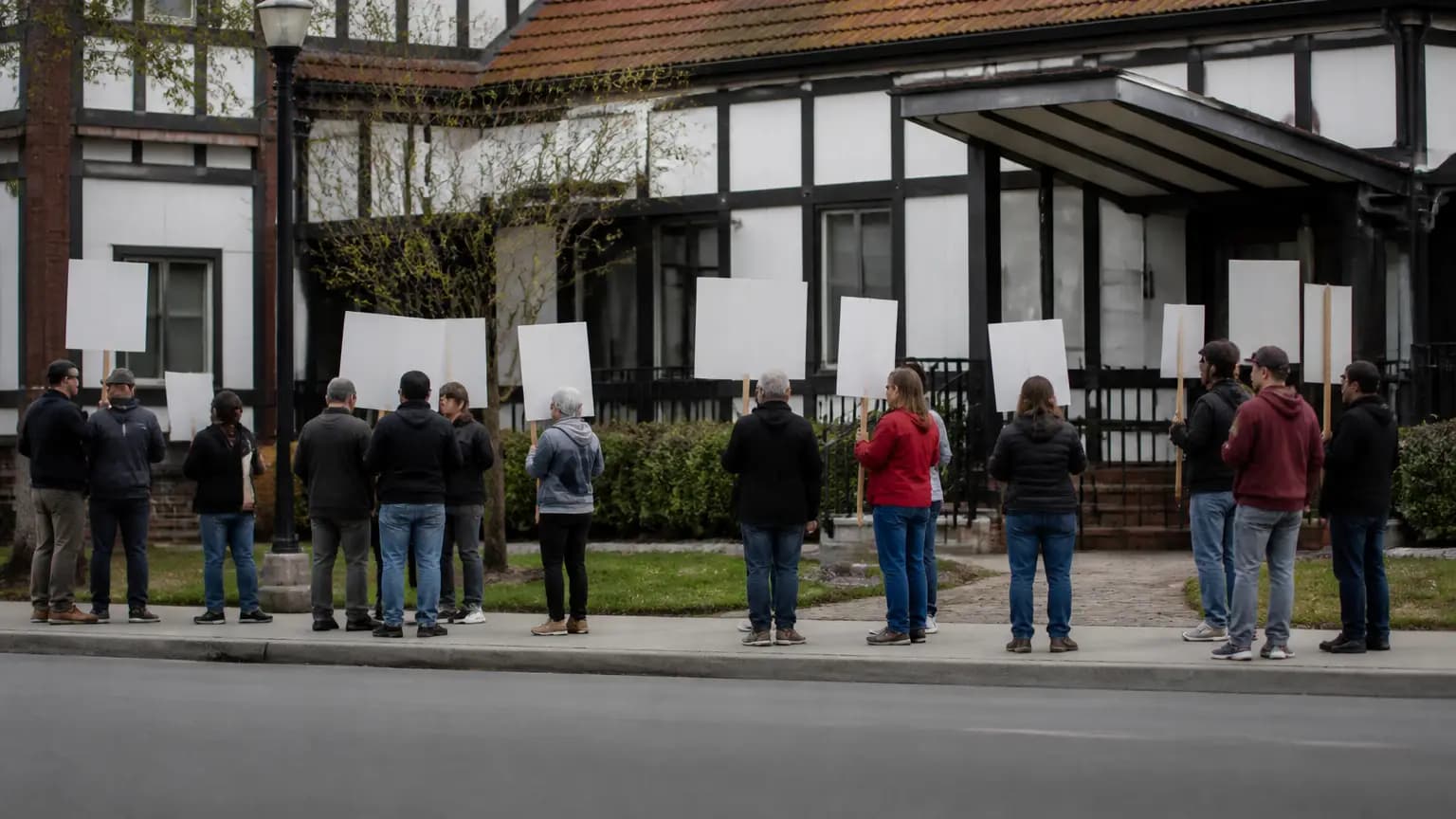
Solvang city workers made history this month — and not the charming Danish-village kind. About 30 unionized employees, including engineering technician Cole Phillips, walked off the job Sept. 15 after rejecting the City Council's "last, best, and final" pay offer. It's the first labor strike in Solvang's history, and it's a big deal for a small town where city staff keep the wheels turning. For those of us here in Santa Maria and across the 805, this is a reminder that the folks behind the counter at city hall, fixing our streets, and processing our permits are neighbors with bills to pay. When a city and its workers can't agree, residents feel it too — in slower services and a workforce that feels undervalued. The Santa Maria Sun has been following the standoff closely. Wherever you land on the politics, it's worth watching how this plays out up the valley. Small-town labor fights don't stay small for long.
 Santa Maria
Tie vote blocks Lompoc from censuring Steve Bridge
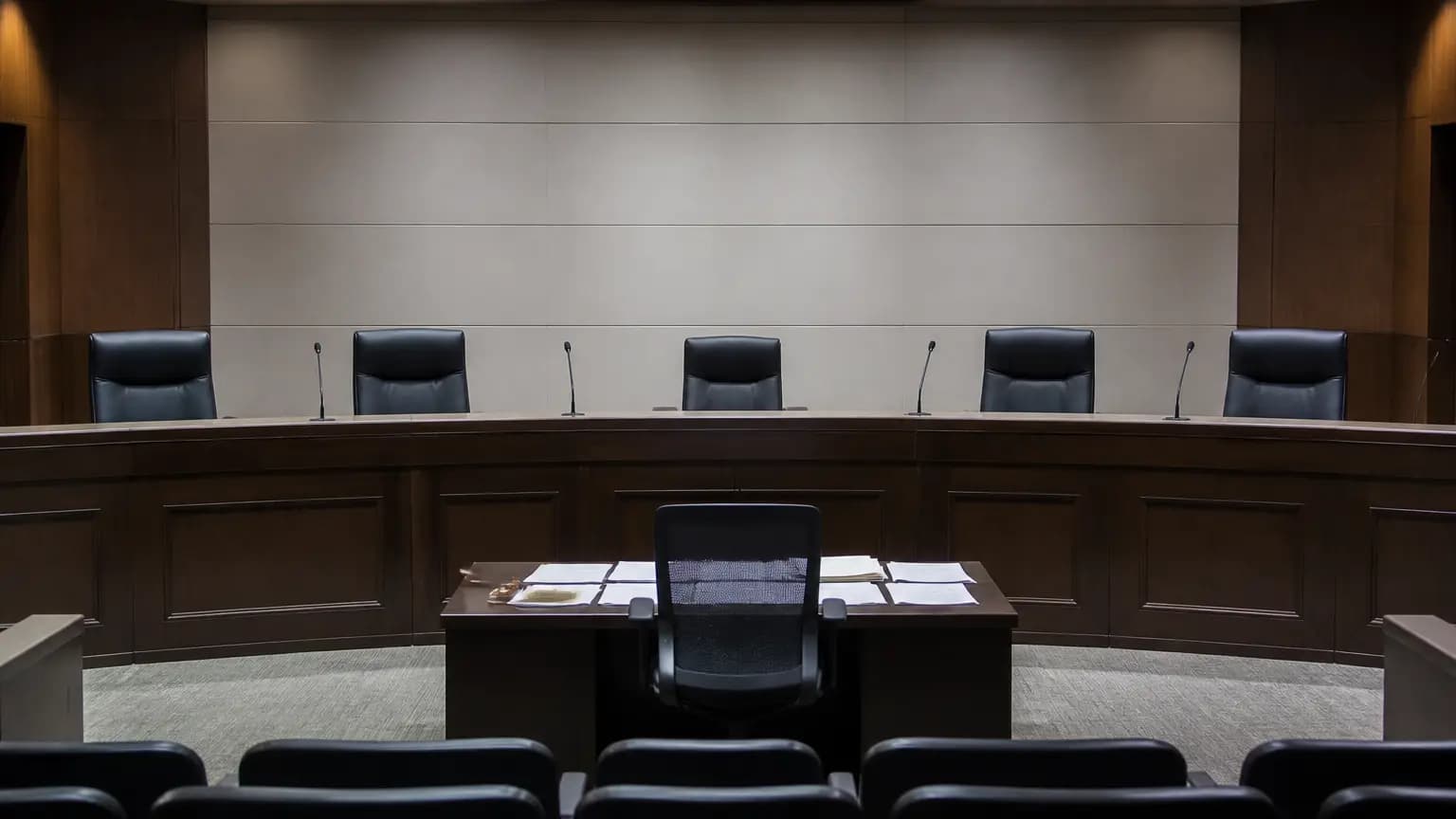
Lompoc's city council spent three hours on Sept. 15 wrestling with whether to censure one of their own, Councilmember Steve Bridge — and in the end, a tie vote meant the censure failed. Bridge's own appeal to the room was simple: remember the oath everyone stands and recites before every agenda, the same words our kids learn in kindergarten. Censure is a symbolic move, but symbols matter in small-town politics. It's the council's way of saying a colleague crossed a line, even when there's no formal punishment attached. A tie means half the dais wasn't willing to go there, and that split says as much about Lompoc's leadership as any resolution could. The Santa Maria Sun has the full account of that long meeting. For those of us up and down the 805, it's a reminder to keep an eye on our own councils — the local decisions that shape our towns often get decided by a single vote.
 Santa Maria
Santa Maria denies movie theater alcohol sales
Santa Maria moviegoers hoping to pair a cold one with their blockbuster will have to keep waiting. On Sept. 16, city planning commissioners turned down a proposal that would have let local theaters sell alcohol, making us the holdout while 55 other Regal cinemas across California already pour drinks alongside the popcorn. Commissioner Tim and others gave it a fair look, weighing the possible boost to our local cinema scene against the concerns that come with mixing booze and a dark room full of strangers. It's a very Santa Maria debate, honestly — we tend to be cautious about change, and that's not always a bad thing. The Santa Maria Sun first reported the decision, and it's worth a read if you want the full back-and-forth. So for now, it's soda and candy at the concession stand. Whether that keeps our theaters family-friendly or just keeps them losing ground to Atascadero and SLO, only time will tell. What do you think, neighbors?