Cal Poly considers building hotel with conference center, senior housing
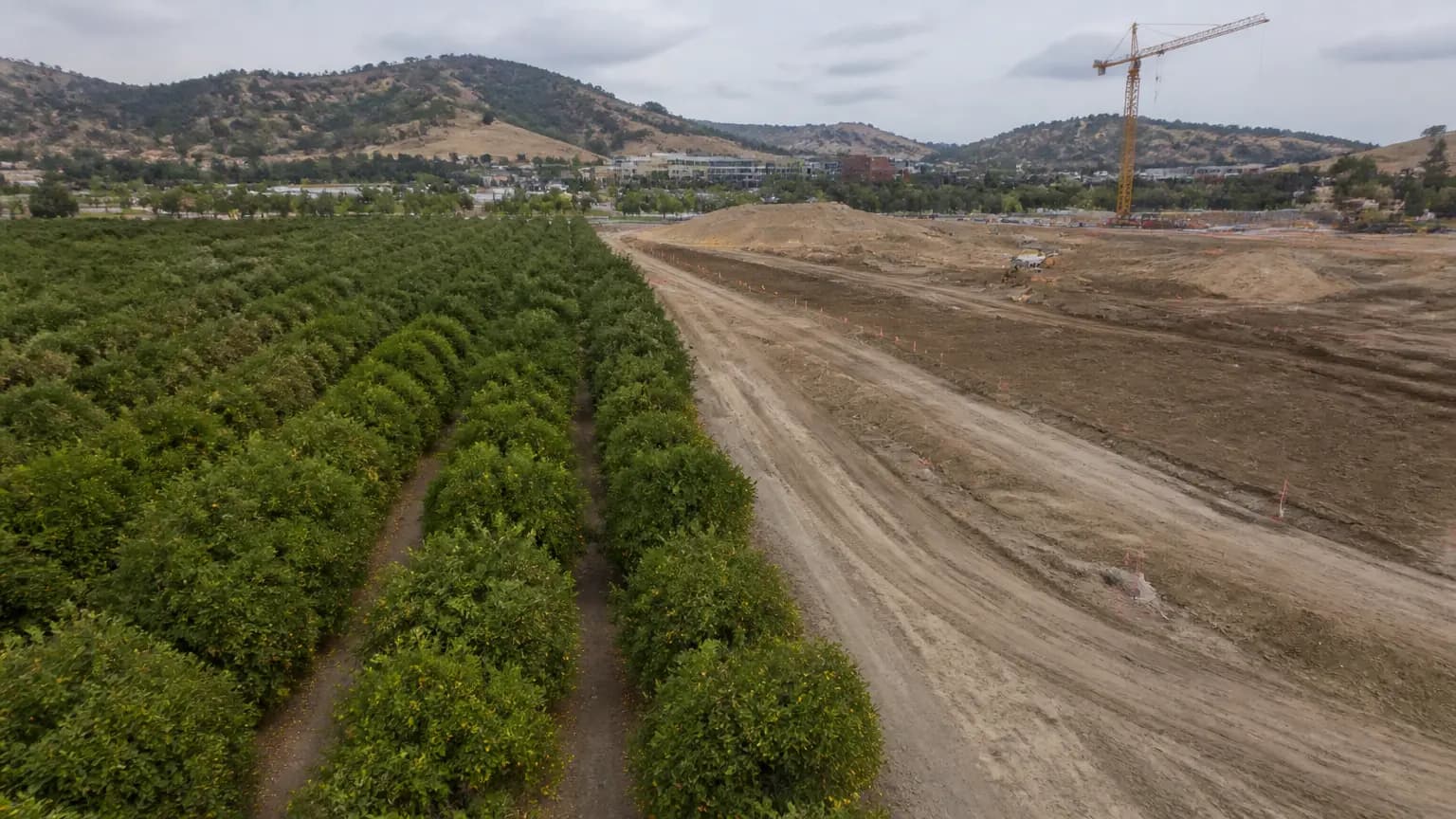
Cal Poly San Luis Obispo is exploring a major development on its western edge that would place a hotel and conference center, senior housing and student housing on more than 40 acres of lemon groves and agricultural fields along Highland Drive — a proposal that is already drawing pushback from students, alumni and farmland advocates.
As CalCoastNews first reported, university backers estimate the mixed-use project could generate between $15 million and $40 million a year in revenue for the campus, while also adding housing for students and faculty. But opponents argue the site is some of the most productive agricultural land in the county — and a working part of Cal Poly's signature Learn by Doing program.
What's being proposed
The project would unfold on the West Campus, a stretch of working farmland along Highland Drive that has long been home to Cal Poly's lemon groves and row crops. According to CalCoastNews, the concept under consideration includes:
- A hotel with an attached conference center
- Senior housing
- Additional student housing
Supporters of the plan frame it as a way to diversify the university's revenue streams at a time when public funding for higher education in California has grown tight, while simultaneously chipping away at the chronic housing shortage that affects both students and university employees in San Luis Obispo. The reported revenue estimates — $15 million to $40 million annually — suggest university planners see the project as a potentially significant financial engine.
A hotel and conference center would also position the campus to capture more of the Central Coast's tourism and events economy, competing with venues in downtown San Luis Obispo and Pismo Beach for conferences, weddings and university-related gatherings.
The farmland fight
The proposal has landed on sensitive ground — literally. Cal Poly's agricultural lands are not just scenery; they are working laboratories for the university's nationally recognized agriculture programs, where students manage crops, livestock and farm operations as part of their coursework.
Critics say the 40-plus-acre site is prime farmland that should remain in production. Their concerns are amplified by Cal Poly's own prior commitments: opponents point to the campus's 2020 Master Plan, which they say pledged to exclude roughly 250 acres of class-one soil — the state's most fertile farmland designation — from future development.
A petition circulating online demands that Cal Poly administrators abandon the West Campus proposal and honor that 2020 commitment. As of the CalCoastNews report, the petition had gathered 1,752 signatures.
"We have one clear demand for the Cal Poly SLO administration: Withdraw the current West Campus development proposal and honor your previous commitment from the 2020 Master Plan to exclude the 250 acres of prime farmland (class one soils) on the campus from any future development," the petition states.
Why it matters to San Luis Obispo
The debate touches two of the most persistent tensions in San Luis Obispo life: the region's housing crunch and the steady conversion of agricultural land to development.
San Luis Obispo has struggled for years with a shortage of housing that students, university staff and long-time residents all compete for. Enrollment growth at Cal Poly has repeatedly rippled into the city's rental market, and city leaders have pressed the university to house more of its students on campus. From that angle, any proposal that adds student housing — and potentially senior housing that could free up existing homes — draws interest from housing advocates.
At the same time, agriculture remains central to the identity and economy of the Central Coast, and the loss of class-one farmland is largely irreversible. Development pressures on the edges of the city have long been a flashpoint, and Cal Poly's land decisions carry outsized weight because the university is one of the largest landowners in the area and its property decisions are not subject to the same municipal review processes as private development.
The university's dual identity compounds the stakes: Cal Poly is both a major economic engine for the city and home to one of the state's premier agriculture programs, whose students train on the very fields now under discussion.
What comes next
The project remains in the consideration phase, and key questions are unanswered: whether the university will formally advance the proposal, what environmental review it would trigger, and how the estimated revenue figures would hold up under scrutiny.
For now, the public record consists of the university's conceptual planning and the growing opposition effort. The petition's organizers have signaled they intend to keep pressure on administrators, and the project is likely to feature in upcoming campus forums and student government discussions as the fall term gets underway.
Residents who want to weigh in can typically do so through Cal Poly's master plan and capital planning processes, which include public comment periods, as well as through the campus representatives and alumni networks that have historically influenced university land-use decisions.
805.life will continue to follow this story as the university's plans develop.
This article is based on reporting by [CalCoastNews](https://calcoastnews.com/2026/08/cal-poly-considers-building-hotel-with-conference-center-senior-housing/).
Reported by 805.life
Researched and written drawing on primary sources. Additional reporting: CalCoastNews.
City
San Luis ObispoAdditional Reporting
CalCoastNewsPublished
August 18, 2026
Reported and written by 805.life
Explore San Luis ObispoAll San Luis Obispo NewsMore News from San Luis Obispo
 San Luis Obispo
Settlements aren’t verdicts, name calling isn’t evidence, facts matter
If you've been following the District 2 race in Paso Robles, you've probably seen the Tribune's latest editorial calling Chris Bausch "disgraced" and "unfit." CalCoastNews pushed back this week with an opinion piece from Erik Gorham, arguing that a settlement isn't the same as a verdict and that name-calling doesn't count as evidence. Here on the Central Coast, local elections can get personal fast, and Paso Robles voters are the ones left sorting fact from theater before they cast a ballot. Whatever side you're on, it's worth reading past the headlines and asking what's actually been proven. Local opinion matters, but so does doing your own homework. Check the original sources, then decide for yourself.
 San Luis Obispo
Man convicted of burglarizing Atascadero home
Neighbors, you may remember the story out of Atascadero last October — a home break-in that ended with the victim punching the intruder in the face, which helped police track him down. This week, a San Luis Obispo County jury convicted Gary Lee Roberts II, 38, of first-degree residential burglary and attempted burglary, according to CalCoastNews. It's a reminder that crime here isn't just a big-city headline; it happens on our quiet streets too. But it's also a testament to a resident who refused to be a passive victim and to the deputies who followed through. Justice moving forward matters for every 805 homeowner who wants to feel safe behind their own front door. If you see something suspicious, say something. And keep an eye on CalCoastNews for the sentencing details.
 San Luis Obispo
One of SLO County woman’s nine election fraud convictions nullified
Neighbors, if you've been following the Gaea Powell election fraud case here in SLO County, there's a new wrinkle. One of the nine convictions from that jury verdict has been nullified — not because anyone changed their mind about the evidence, but because the verdict on that particular count was never read aloud in court. It's a procedural technicality, and it means Powell now stands convicted on eight counts instead of nine. For those of us who vote in county elections, this story hits close to home. It's a reminder that the rules governing our elections — and the courtroom rules that follow — matter just as much as the ballots themselves. CalCoastNews has been tracking this case closely, and we'll keep an eye on what comes next, whether that's sentencing or further legal maneuvering. Bottom line: one count down, eight to go. Stay tuned, SLO.