Cambria fire engine purchase moves forward with federal funding
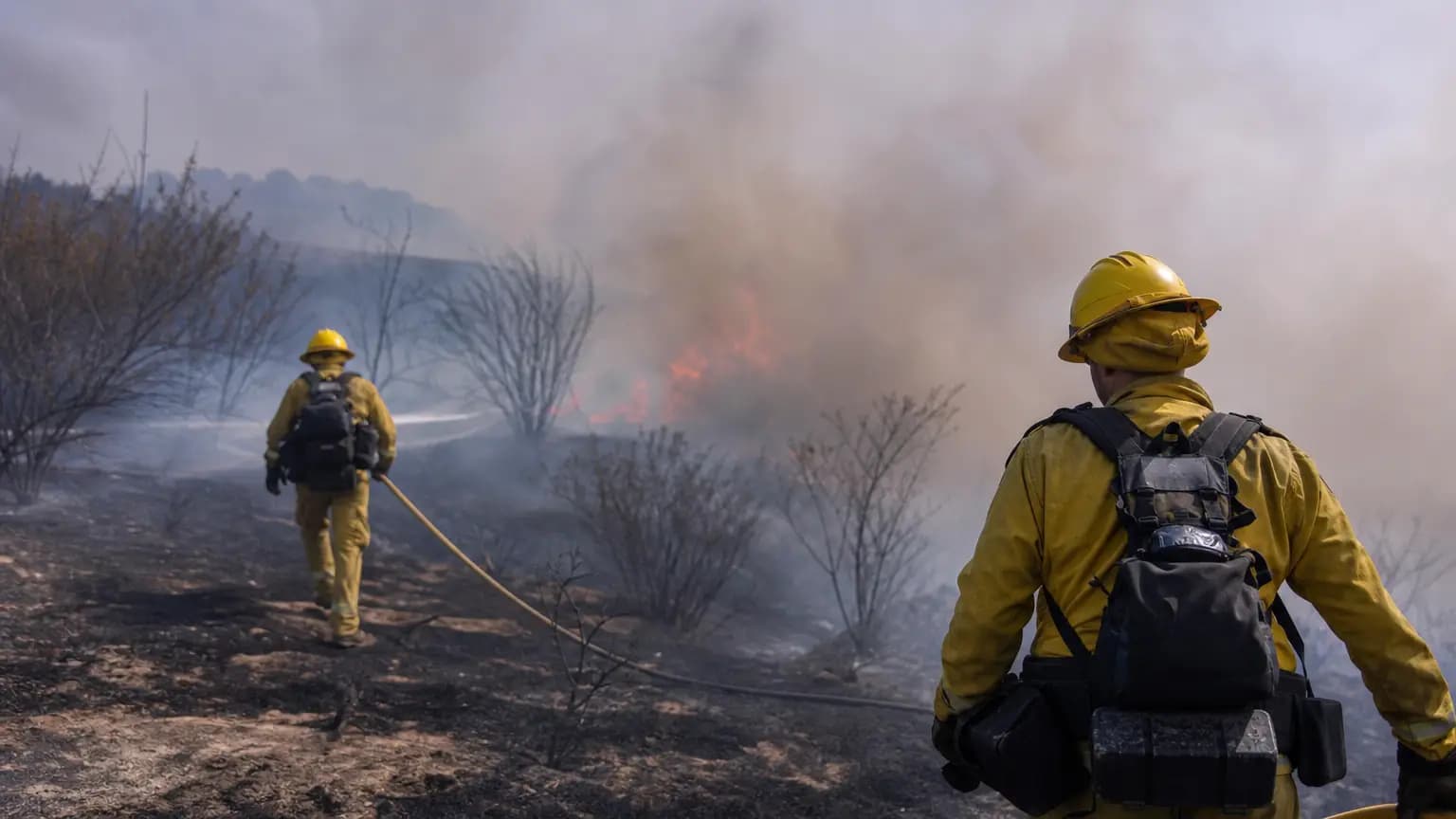
When a neighboring community faces an emergency, the ripple effects are often felt across the Central Coast. That reality was underscored recently when the Cambria Community Services District (CCSD) successfully purchased a new, roughly $1.17 million fire engine, an acquisition made possible by a massive influx of federal funding.
The purchase, finalized with the help of $935,000 secured through a federal appropriations package, represents a critical upgrade for the small coastal town’s emergency infrastructure. But while the check has been written, officials caution that the engine won't be arriving on the North Coast anytime soon—a stark reality of modern municipal supply chains that impacts emergency readiness across San Luis Obispo County.
A Federal Lifeline for Local Emergency Services
Last August, U.S. Rep. Jimmy Panetta (D-Monterey) visited the North Coast to highlight the $935,000 in federal Community Project Funding allocated to the Cambria Fire Department. Routed through the U.S. Department of Agriculture Rural Development’s Community Facilities Program, the money covers approximately 80 percent of the new Type 1 fire engine's total cost.
According to the New Times SLO (Atascadero), the federal contribution was supplemented by an anonymous donor who contributed funds through the Cambria Fire Safe Focus Group. This combination of federal and philanthropic money allowed the district to order the state-of-the-art engine without placing the financial burden on local ratepayers.
For a small district, a sudden capital expenditure of over $1 million would typically require years of financial planning, forcing officials to defer other vital public safety and infrastructure needs. CCSD General Manager Matthew McElhenie noted that this specific rural development partnership made the difference between endlessly delaying a critical public safety investment and actively moving it forward.
Mutual Aid and the North County Connection
While the engine will be stationed in Cambria, its presence bolsters the broader regional emergency network—a vital safety net for Atascadero and other North County communities that rely on mutual and automatic aid agreements during peak crises.
Cambria holds a unique and precarious geographic position. The town’s roughly 5,500 residents live in a high fire hazard severity zone characterized by limited evacuation routes. Furthermore, the Cambria Fire Department serves as the sole emergency services provider within the district and provides automatic aid to neighboring North Coast communities, including San Simeon.
The necessity of the new engine was laid bare in 2024, when both of Cambria’s Type 1 engines—purchased in 2006 and 2017—experienced simultaneous mechanical failures. The breakdown required the district to spend approximately $60,000 on emergency repairs. During the downtime, Cambria had to borrow an engine from the Paso Robles Fire Department to maintain baseline emergency response capabilities.
When resources are stretched to the point of borrowing apparatuses from neighboring cities like Paso Robles, the entire region's emergency capacity is compromised. Ensuring Cambria has a reliable, front-line vehicle inherently stabilizes resource allocation throughout the county.
Navigating a Lengthy Delivery Timeline
Although the purchase marks a significant victory for the CCSD, residents and regional emergency planners must exercise patience. Once the engine is delivered, it will serve as a front-line apparatus for structure fires, wildland-urban interface incidents, vehicle accidents, and medical emergencies.
However, McElhenie confirmed that the district currently anticipates delivery in three to five years.
This extended timeline reflects ongoing, industry-wide supply chain challenges in the emergency vehicle manufacturing sector. Fire departments across California have reported similar wait times in recent years, as chassis manufacturers and custom fire apparatus builders navigate severe backlogs. Until the new engine arrives, the district must continue to maintain and operate its aging fleet, hoping to avoid another simultaneous mechanical failure that could leave the community exposed.
Implications for the 805 Region
The funding for Cambria was part of a larger effort by Panetta, who secured $2.6 million in fiscal year 2026 Community Project Funding for various initiatives across northern San Luis Obispo County.
For Atascadero residents, the modernization of equipment in neighboring districts serves as a reminder of the interconnected nature of Central Coast emergency services. Wildfires and major incidents rarely respect jurisdictional boundaries. When resources are stretched to the breaking point during regional disasters, the strength of the local mutual aid system is what keeps communities safe.
While the wait for the physical truck may stretch into the next decade, the financial groundwork laid this month ensures that the North Coast will eventually receive the dependable, state-of-the-art equipment firefighters need to operate safely. In the interim, local agencies will continue to lean on one another, navigating the vulnerabilities of aging fleets until the new engine finally rolls into the station.
Reported by 805.life
Researched and written drawing on primary sources. Additional reporting: New Times SLO (Atascadero).
City
AtascaderoAdditional Reporting
New Times SLO (Atascadero)Published
August 13, 2026
Reported and written by 805.life
Explore AtascaderoAll Atascadero NewsMore News from Atascadero
 Atascadero
Autumn Arts Annual 2026
Summer's still lingering here in Atascadero, but the calendar says fall, and New Times SLO (Atascadero) has rolled out its Autumn Arts Annual 2026 to prove it. If you've been waiting for an excuse to get out of the house and into something creative, this is your sign — exhibitions, performances, and all the seasonal happenings landing across the Central Coast. There's something special about autumn around here. The crowds thin out, the light turns golden over the North County, and our local galleries and venues finally get room to breathe. Whether you're a longtime Atascadero arts supporter or just curious about what's happening down the road, this roundup is worth a look. So grab a jacket — eventually — and go support the makers and organizers who keep our corner of the 805 interesting. Full details are over at New Times SLO.
 Atascadero
Atascadero council race draws four candidates for two seats
Atascadero folks, we've got a real race on our hands this November. Four candidates — incumbent Susan Funk, Emily Baranek, Mike Avila, and self-described outsider Ian Denchasy — are competing for two seats on the City Council, with Councilmember Heather Newsom stepping away. That's a big shift for a council that's been fairly steady in recent years. Housing and jobs are the headline issues, which won't surprise anyone who's watched rents climb and young families struggle to stay in North County. These are the decisions that shape what gets built, what gets approved, and what our town looks like a decade from now. Meanwhile, Mayor Charles Bourbeau runs unopposed for another two-year term. New Times SLO has the full candidate rundown, so do your homework before ballots arrive. Local elections are where your vote counts the most — this one's worth showing up for.
 Atascadero
SLO City Council refines confidentiality policy for elected officials
Our neighbors in SLO just tightened up the rules on keeping city business confidential, and it's worth a nod from those of us up here in Atascadero. The City Council unanimously adopted a resolution at its Sept. 15 meeting revising its policies and procedures manual, adding two specific guidelines on handling confidential information. This comes after Mayor Erica Stewart shared a confidential SLO County grand jury report—a reminder that even well-meaning officials can slip up. Why does it matter to us? Because transparency and trust in local government aren't just SLO issues. Every city on the Central Coast, including ours, benefits when elected leaders set clear expectations. It's a quiet but meaningful step toward accountability. New Times SLO (Atascadero) reported the story, and it's a good conversation starter for our own council. Small procedural changes can prevent big headaches down the road.