Cayucos residents face proposed 35 percent water rate increase
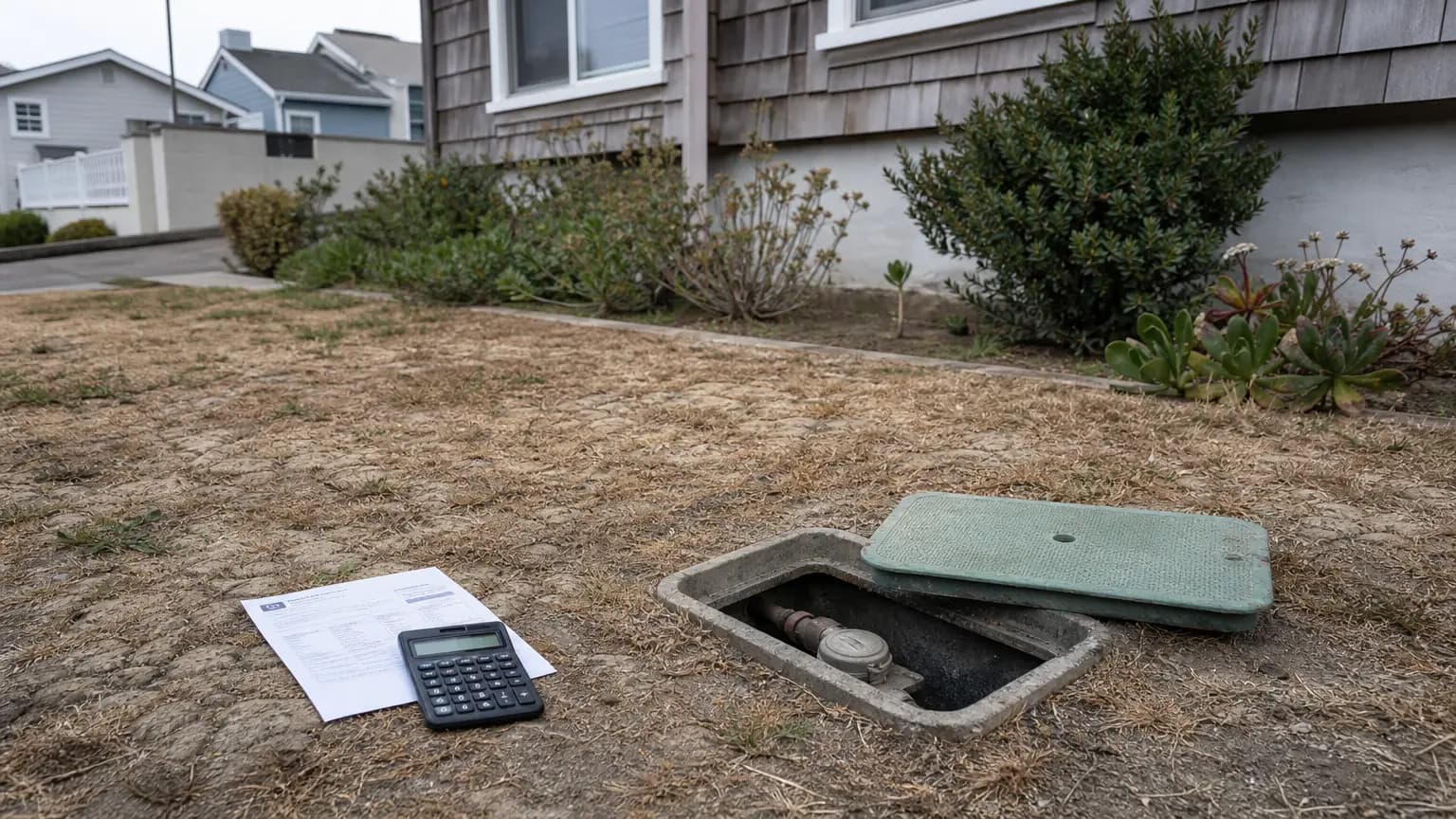
Water bills for hundreds of South Cayucos households could climb by more than 35 percent over the next five years under a proposal moving through San Luis Obispo County — a plan that is already drawing sharp pushback from year-round residents who say the county needs to show its work before asking ratepayers to open their wallets.
The rate fight is playing out about 30 miles west of Atascadero, but the dynamics — aging infrastructure, frozen rates, growing debt, and a county-operated utility navigating competing pressures — echo challenges familiar to communities up and down the 805.
What Is Being Proposed
The proposed increase applies to customers in County Service Area 10A (CSA 10A), the county-operated water system serving the South Cayucos community. As New Times SLO reported, the system provides drinking water to about 950 customers and is funded almost entirely through customer rates and charges.
Under the county's plan, the base rate would jump 15 percent in the first year, followed by 5 percent annual increases for each of the next four years. In dollar terms, the average bi-monthly bill would climb from roughly $217 today to approximately $304 by the fifth year — a cumulative increase of more than $87 per billing cycle, according to New Times SLO.
It's worth noting that CSA 10A is one of three water providers serving the Cayucos area. Estero Bay News reported that Cayucos Beach Mutual and Morro Rock Mutual — both non-profit, privately held companies — also serve portions of the community, and that CSA 10A provides treated water to both under contract. Rate pressures in one system can have ripple effects on the others.
Why the County Says the Increase Is Necessary
According to a county rate study cited by New Times SLO, the increase is needed to address rising operations and maintenance costs, meet debt obligations, update the CSA 10A Master Water Plan, rebuild reserves, and fund future capital improvements.
The financial math is stark: CSA 10A currently generates about $1.19 million in annual revenue, but projected costs for operations, debt service, capital planning, and reserve contributions are expected to total about $1.35 million in fiscal year 2026-27 — creating an estimated $160,000 shortfall, New Times SLO reported.
A key driver of the budget gap is rate stagnation. County staff noted in the rate study that the system's current rates were established in 2018. Those rates authorized annual Consumer Price Index adjustments, but that authorization expired in 2023, leaving rates unchanged even as operational costs continued to rise.
Recent and planned infrastructure work has compounded the financial strain. The Hacienda Drive Water Main Replacement Project, which began in January 2024 and was awarded to Hartzell General Engineering for $845,020, replaced approximately 1,750 feet of deteriorated AC pipe with new PVC pipe. County records show that over the prior several years, more than 50 percent of emergency repairs in the system were tied to leaks and breaks along Hacienda Drive, and those breaks contributed to roughly 28 percent of total annual water losses — far above acceptable thresholds. That project drained reserves and added to the system's debt load.
The proposed Chaney Waterline Upgrade — estimated at about $208,000 — would increase fire flow capacity for properties on Studio Drive west of Highway 1, according to New Times SLO. If the project is financed internally, the system's total obligation to the larger CSA 10 Parent Fund could grow from nearly $1 million to roughly $1.27 million.
Community Pushback: 'We Haven't Seen It'
At a July 7 San Luis Obispo County Board of Supervisors meeting, residents lined up during public comment to question whether the county had provided adequate justification for the increase.
South Cayucos resident Susan Dunn argued the increase would fall disproportionately on year-round residents. As reported by New Times SLO, Dunn noted that roughly half of South Cayucos properties are vacant houses, vacant lots, or vacation rentals — meaning the burden of sustaining the utility lands squarely on full-time locals, including young families, renters, students, retirees, and seniors on fixed incomes.
Cayucos resident Charles Bergson echoed the call for transparency, telling supervisors: "We'd like to see a master plan. We'd like to see a financial plan. They speak of debt and financings that are needed to deal with the debt service and infrastructure, but we haven't seen it."
This skepticism has a history. Estero Bay News noted that other residents have pointed out that a list of projects promised under the last major CSA 10A rate increase was never fully completed — a grievance that has fueled distrust in this current process.
For its part, Water Utilities Program Manager Laura Holder told the Cayucos Citizen Advisory Council in a March email that rejecting the increase would not result in bankruptcy or dissolution of the system, but could require delaying some maintenance activities while the county continues to meet health and safety requirements, New Times SLO reported.
The Proposition 218 Process: How Ratepayers Can Fight Back
The rate increase cannot simply be imposed. It must survive the Proposition 218 protest process — California's constitutional framework that gives property owners the right to formally object to local tax and fee increases.
The San Luis Obispo County Board of Supervisors is scheduled to hold a public hearing on the proposed increase on September 1, where it will consider the ordinance and any written protests submitted by affected ratepayers, New Times SLO reported. Under Proposition 218, if a majority of valid protests are filed, the increase cannot move forward.
Estero Bay News reported the mechanics clearly: only the approximately 950 lots served by CSA 10A have a vote — one vote per customer or household — meaning 476 "No" protests are needed to block the increase. Protest ballots are sent to whoever pays the water bill, so renters who pay their own water service directly should receive a notice at their home address.
What Comes Next — and What to Watch
The September 1 hearing is the decisive event. Between now and then, CSA 10A customers who oppose the increase should watch their mail for the official Proposition 218 notice, which will include instructions for submitting a written protest.
Residents who want more information can contact SLO County Public Works at (805) 781-5252, or track the CSA 10/10A page on the county website. The Cayucos Citizens' Advisory Council — which meets the first Wednesday of each month — has also been tracking the issue and serves as an additional community forum.
For Atascadero residents and others across the 805, the Cayucos situation is a useful lens: rate structures set years ago, CPI-adjustment provisions that expire, deferred infrastructure projects, and the limits of Proposition 218 as a ratepayer safeguard are pressures that don't stop at any one community's borders. How San Luis Obispo County navigates this dispute — and whether it provides the financial transparency residents are demanding before September — will be worth watching.
Reported by 805.life
Researched and written drawing on primary sources. Additional reporting: New Times SLO (Atascadero).
City
AtascaderoAdditional Reporting
New Times SLO (Atascadero)Published
July 9, 2026
Reported and written by 805.life
Explore AtascaderoAll Atascadero NewsMore News from Atascadero
 Atascadero
Measure A-26 would solve nothing for Grove Beach
Grover Beach neighbors, have you been following the buzz around Measure A-26? Our friends at New Times SLO (Atascadero) ran a sharp piece arguing the measure was born from frustration rather than good governance — turning what's traditionally a professional staff role, the city clerk, into an elected position. The bar to run? Be 18, live in Grover Beach, and be a registered voter. That's it. No certification, no municipal experience required. For a job that touches public records, meeting minutes, and election integrity, that's worth a raised eyebrow. Here on the Central Coast we value plain-spoken, practical government. Whether you're in Atascadero or Grover Beach, the question is the same: does this actually fix anything, or just reshuffle the deck? Worth a read before you vote.
 Atascadero
Caribbean Love in SLO specializes in scalp health and styles for natural hair
If you've got natural hair and you've ever driven to the Bay Area or down to LA just to find someone who truly knows how to care for it, you already understand why Norma Pauline Humes matters. Her spot, Caribbean Love in SLO, has become a genuine destination for scalp health and natural-hair styling — so much so that one client flew in all the way from Connecticut just to sit in her chair. That's not just a nice compliment. It's a reminder that here on the Central Coast, certain services are still surprisingly hard to find, and the people who provide them quietly hold our community together. New Times SLO (Atascadero) highlighted her work, and it's worth celebrating. If you've been searching for someone who gets your texture, your routine, and your scalp, this is a name to know. Support the local businesses that make the 805 feel like home.
 Atascadero
Digger is an excessive and gloomy look at climate change
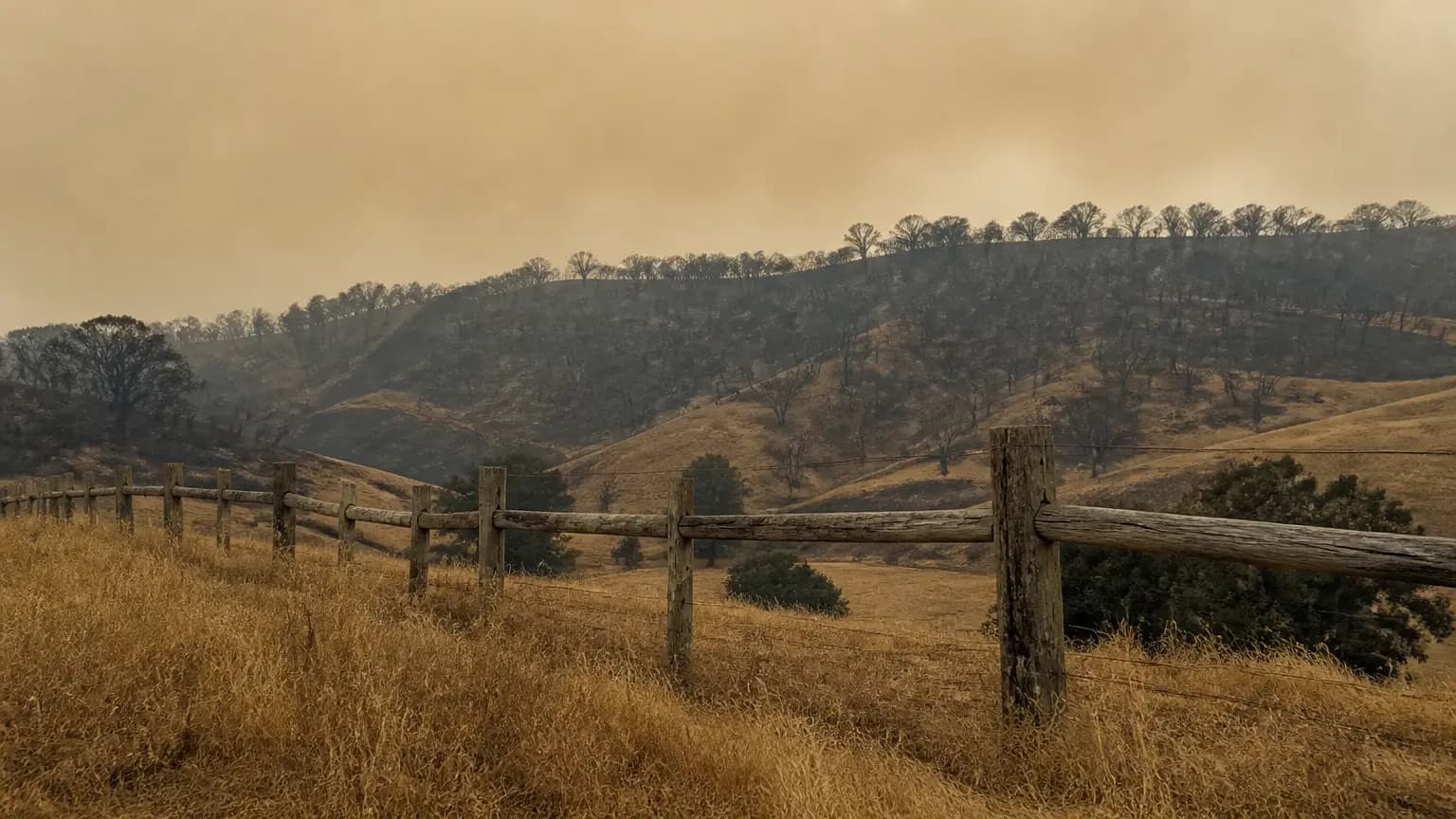
Neighbors, have you caught wind of the new movie "Digger"? Our friends at New Times SLO (Atascadero) ran a piece on it, and it sounds like a heavy one. Alejandro Iñárritu, who made The Revenant and Babel, directs Tom Cruise as a loudmouth oil tycoon whose company sparks a world-threatening disaster in Greenland. It's billed as a black comedy satire, but the review calls it excessive and gloomy. Now, I know what you're thinking — what does a Hollywood climate satire have to do with us here in Atascadero? Honestly, not a whole lot on the surface. But with our own drought years, wildfire seasons, and the way the Central Coast lives close to the land, stories about environmental recklessness can hit a little closer than we'd like. If you're into big, uncomfortable, think-y films, it might be worth a look. If you'd rather keep things light on a Friday night, maybe skip it and take a walk along the Salinas River instead.