County increases parcel taxes for neighborhoods in Orcutt, Vandenberg Village
Residents in the unincorporated pockets of Orcutt and Vandenberg Village will soon see an uptick in their local parcel taxes. On July 14, the Santa Barbara County Board of Supervisors voted unanimously to approve rate increases for two distinct Community Facilities Districts (CFDs).
While the adjustments—primarily driven by rising maintenance and operational costs—will directly impact local property tax bills, they also sparked a broader conversation about equity and how unincorporated communities are asked to pay for public services.
Breakdown of the Approved Increases
During the board meeting, supervisors tackled two separate but related tax adjustments impacting residents in the Santa Maria Valley and the Lompoc area.
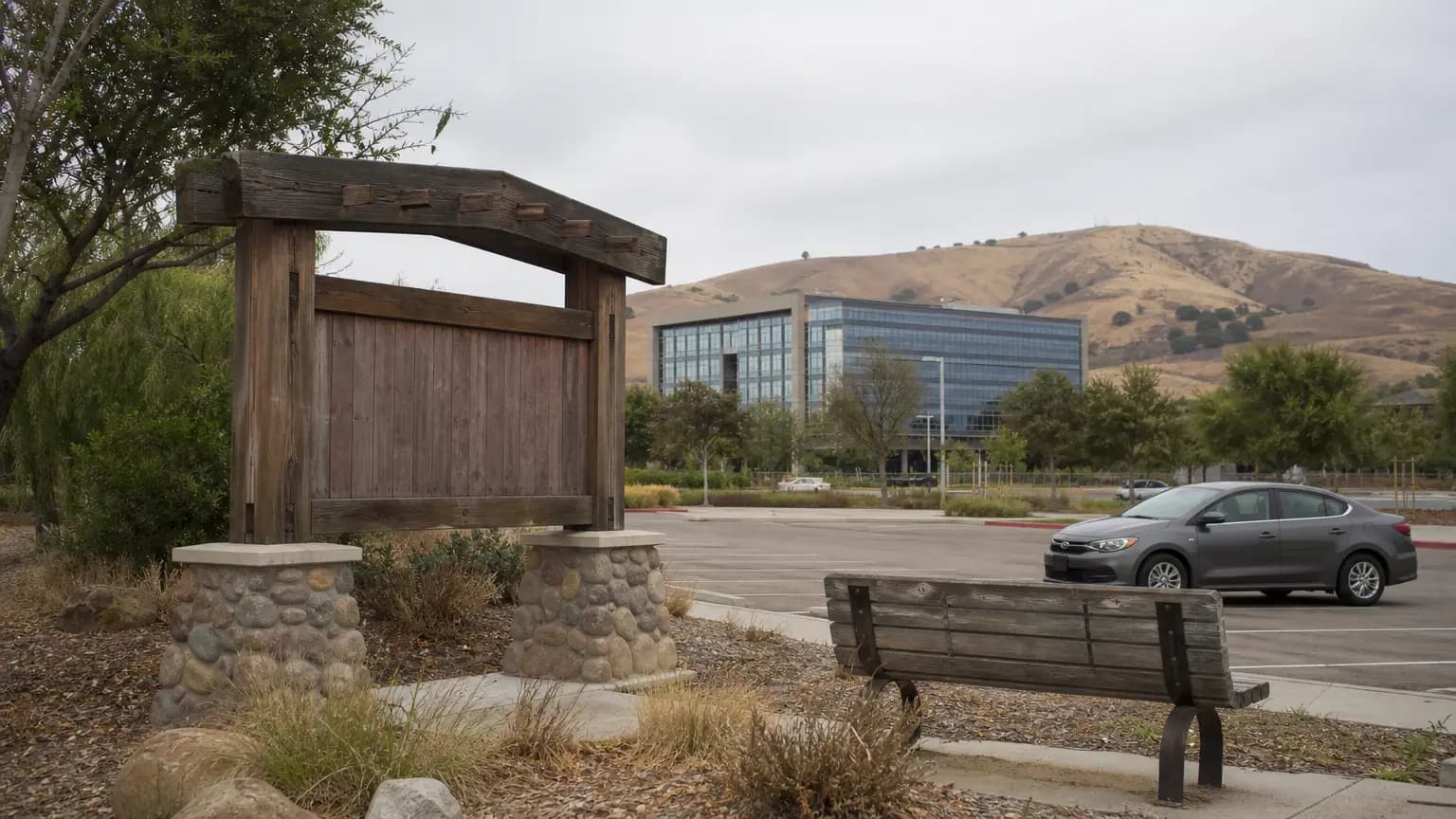
For residents of Providence Landing, a neighborhood in the unincorporated Vandenberg Village area, the parcel tax will increase from $672 to $692. According to the Santa Maria Sun, this rate had remained a flat $672 since 2011. The funds are entirely earmarked for the upkeep of Providence Landing Park, a 12-acre public green space. County Finance and Administration Assistant Director Andrew Myung noted that increased park operation and maintenance costs are driving the need for the assessment adjustment—the first of its kind for the neighborhood in 15 years.
Meanwhile, property owners within the Orcutt Community Facilities District (CFD) will see a 3 percent increase in their parcel taxes. The structure of the Orcutt CFD is fundamentally different from the Providence Landing assessment. In Orcutt, 80 percent of the collected revenue goes directly toward funding enhanced Sheriff’s Office and County Fire services.
"Paying Multiple Times for the Same Services"
Although the vote was 5-0 to approve the increases, Santa Barbara County 4th District Supervisor Bob Nelson—who represents both communities—took the opportunity to put county staff and his colleagues on notice regarding his intentions for future reform.
Nelson highlighted a fundamental frustration often voiced by residents in unincorporated county areas: the issue of paying overlapping taxes for baseline public services. He pointed out that residents in Orcutt are paying their standard property taxes, only to be levied an additional CFD assessment for vital services like fire protection and law enforcement.
“If they’re already paying property taxes … for those [same] types of things,” Nelson said during the meeting, questioning the necessity of residents paying extra for services that are generally covered by the county's general fund in other areas.
The supervisor noted that the situation in Orcutt is a frequent point of conversation. “Something that’s always been a conversation in Orcutt is residents are paying multiple times for the same services,” Nelson continued. “There are places where that doesn’t necessarily happen. I just wanted that on the radar.” He emphasized his intention to push for restructuring these tax formats in the future, asserting, “If they’re paying more, we should give them additional services.”
A Unique Funding Structure in the County
The practice of utilizing CFDs allows local governments to fund specific infrastructure and services without dipping directly into the general fund. Often established during the housing boom of the late 1990s and early 2000s to help offset the impacts of new development, these special districts pass the financial burden directly onto the homeowners within their boundaries.
County Community Services Department Director Jesús Armas explained that the situation in Orcutt and Providence Landing is a rarity in Santa Barbara County primarily because they are the only two CFDs currently operating within the county's jurisdiction.
“This is a unique situation. It is not unique, however, in other governmental agencies,” Armas said, noting that cities and counties across California frequently rely on CFDs as a financial mechanism to lessen impacts on their general operations.
However, Supervisor Nelson pressed staff on the exact nature of the Providence Landing arrangement, specifically regarding who utilizes the park funded by the neighborhood's tax dollars. Nelson asked if Providence Landing Park was strictly accessible to residents of Providence Landing.
Myung confirmed that the park is completely open to all members of the public, regardless of where they live.
“So, it’s a county park paid almost 100 percent by the surrounding property owners in that neighborhood?” Nelson asked for clarification.
“Yes,” Myung replied.
What This Means for Local Residents
For homeowners in the Orcutt CFD and Providence Landing, the newly approved increases represent a minor but notable adjustment to their annual tax bills, reflecting the broader economic realities of rising maintenance and public safety costs across the 805 region. In Orcutt, residents will see their special assessment bumped by 3 percent to help fund the deputies and fire personnel dedicated to keeping the growing community safe.
In Vandenberg Village, the extra $20 annually will ensure the 12-acre Providence Landing Park remains properly maintained and accessible to the wider public, mitigating the rising operational costs that have built up over the last decade and a half.
Still, as the county continues to navigate its budget and service allocations, Nelson’s comments signal a looming policy battle. As unincorporated communities like Orcutt continue to grow and contribute heavily to the county's overall tax base, local leaders may soon be forced to reevaluate how foundational services are funded, and whether it remains fair to ask specific neighborhoods to foot the bill for countywide amenities and baseline public safety.
Reported by 805.life
Researched and written drawing on primary sources. Additional reporting: Santa Maria Sun.
City
Santa MariaAdditional Reporting
Santa Maria SunPublished
July 16, 2026
Reported and written by 805.life
Explore Santa MariaAll Santa Maria NewsMore News from Santa Maria
 Santa Maria
Rematch: Jeremy Ball and Jim Mosby are battling in another Lompoc race, this time to become the city’s next mayor
Lompoc voters, we've seen this matchup before. Jeremy Ball and Jim Mosby are facing off again—this time for mayor—six years after Ball won their 2020 race for the 4th District seat. Mosby bounced back in 2024 by defeating Jenelle Osborne for mayor, and now the two council incumbents are squaring off once more. It's a rematch that says a lot about how small-town politics works here on the Central Coast: familiar faces, long memories, and neighbors who've watched both men serve. Mayoral races in Lompoc shape everything from downtown revitalization to public safety and housing decisions, so this one's worth paying attention to. The Santa Maria Sun has the full story. Whatever your politics, do your homework before the ballot arrives—local races like this hit closer to home than anything in Washington.
 Santa Maria
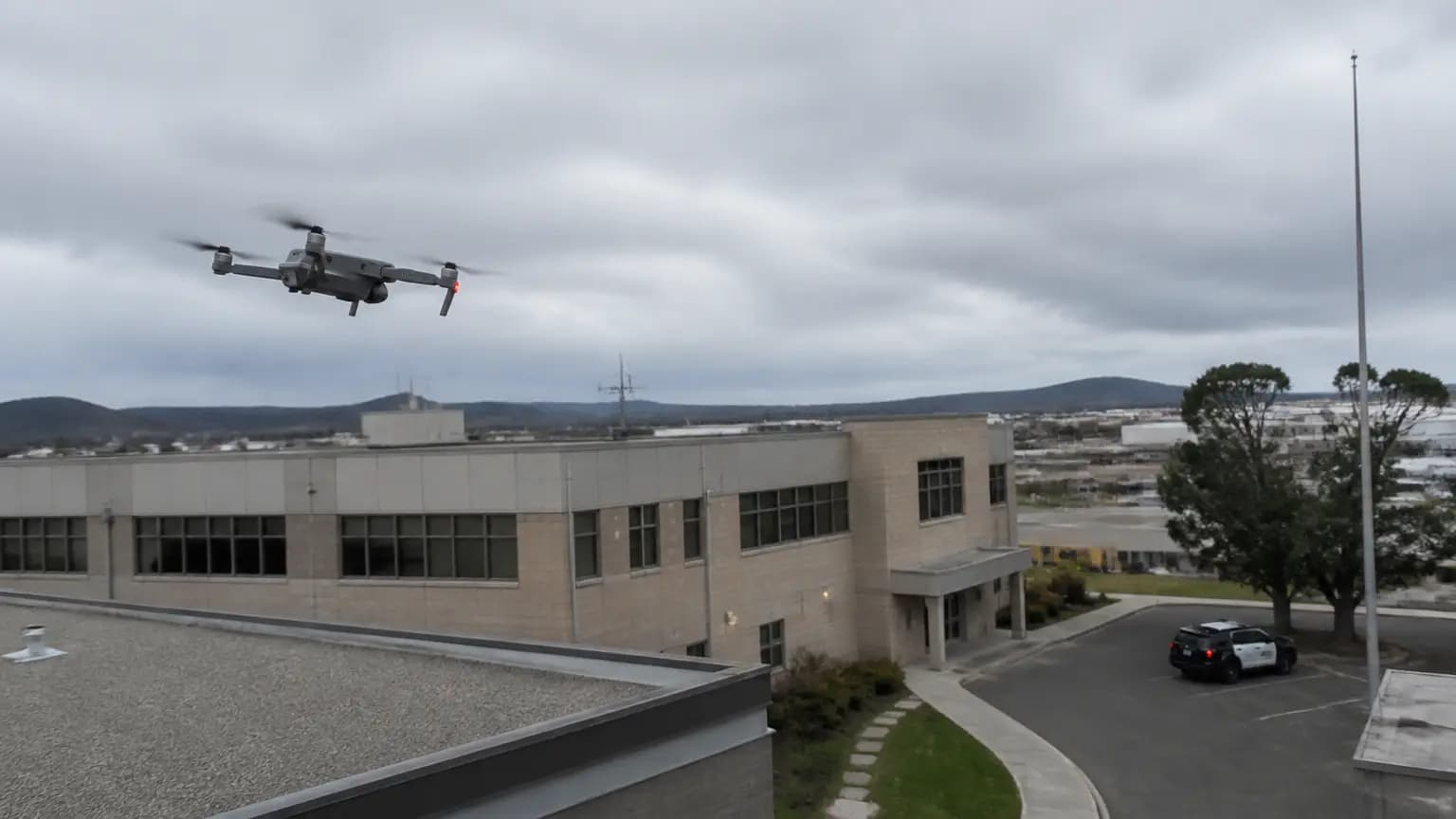
Police use drones as first responders in Lompoc
Lompoc's police department has been quietly testing something pretty futuristic since August: drones that launch from the roof of the station and get to emergencies before officers do. Two Flock Safety drones can cover a 3-mile radius, helping locate people and scope out tough terrain. Community Services Sgt. says it's been helpful in multiple cases. For those of us here in Santa Maria, it's worth watching. Lompoc is our neighbor up the 101, and what works there often shapes what other Central Coast departments try next. Drones as first responders could mean faster help in the backcountry and riverbeds, but it also raises fair questions about privacy and oversight. The Santa Maria Sun has the full story. We'll be keeping an eye on how this plays out across the 805.
 Santa Maria
State and local leaders condemn ICE arrest on Hancock campus
Santa Maria folks know the corner of College and Allan Hancock well — it's where we drop our kids off, grab a coffee, head to class. That's what makes this one hit close. A dad of five was taken into ICE custody right there while dropping his daughter off at Hancock, and by the next day the Board of Supervisors was weighing a resolution on National Immigrants Day. The timing says everything. Immigrant families are woven into the fabric of this town — our fields, our businesses, our schools. When a school drop-off turns into a detention, it shakes the trust that makes a community work. The Santa Maria Sun reports local and state leaders are speaking out, and whatever your politics, that matters here. Keep an eye on how the county votes and what support reaches this family. In Santa Maria, we look out for each other — that's not politics, that's just us.