County replies to grand jury report on Sheriff’s overtime use
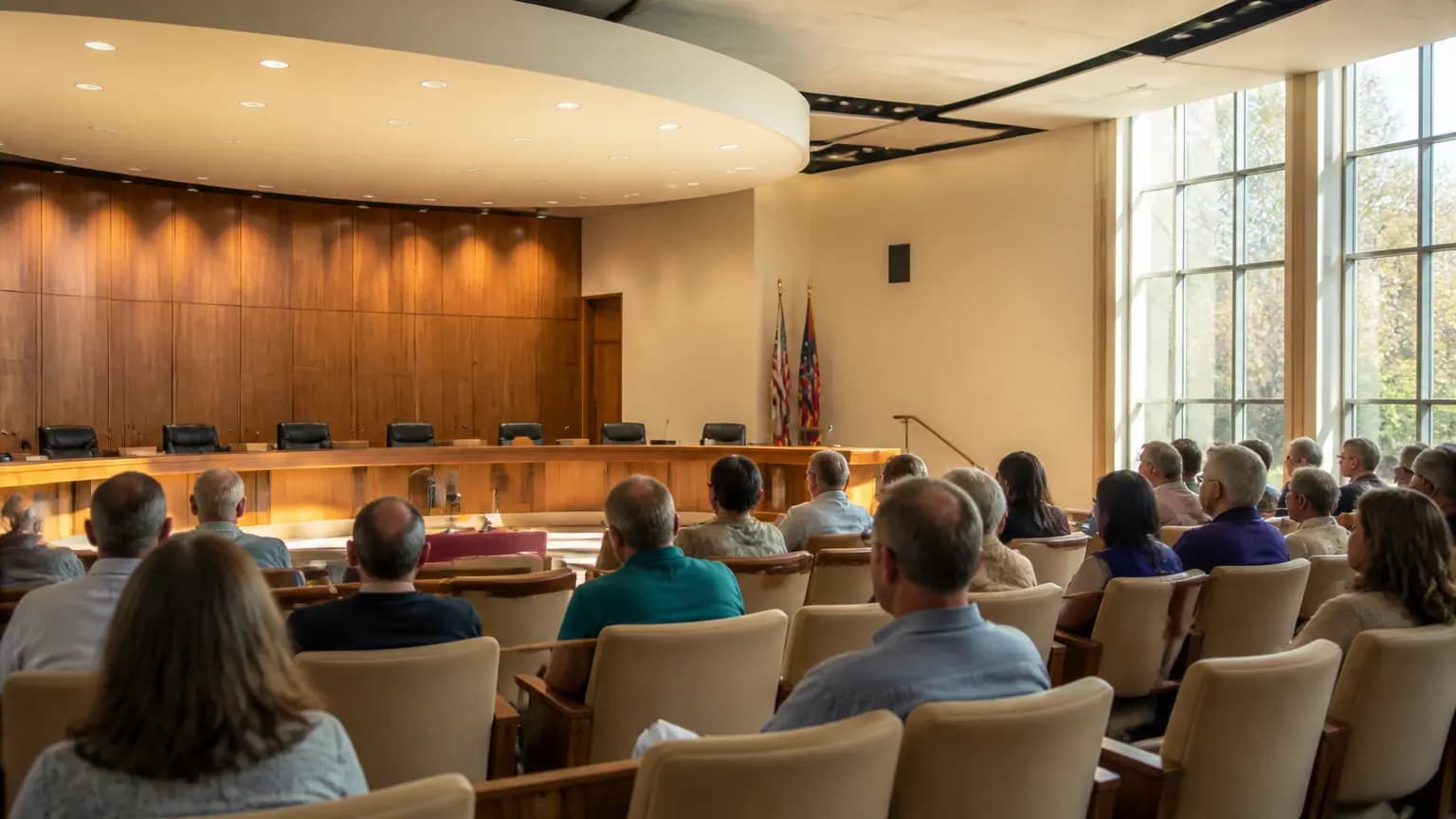
Santa Barbara County leaders have formally responded to a civil grand jury report that criticized how the Sheriff's Office tracks and manages overtime, agreeing with the jury's core findings while laying out timelines that in one case stretch well beyond what the jury asked for.
At its Aug. 25 meeting, the Board of Supervisors approved staff's recommended responses to the report, titled "What's up with overtime in the Sheriff's Office?" — a document that put hard numbers of a different kind on a familiar local problem. As the Santa Maria Sun reported, the grand jury concluded that the Sheriff's Office's overtime excesses have been "an issue for many years" and have "contributed to multi-million-dollar budget deficits for the county."
For Santa Maria residents — who make up a large share of the county's North County population and rely on the Sheriff's Office for patrol and custody services — the response touches two pocketbook issues: how taxpayer dollars are spent on deputy overtime, and what happens to jail operations on the South Coast that influence where custody staff are deployed countywide.
Overtime: a long-running structural problem
The grand jury's central critique was that the county's current payroll system is "ineffective" at tracking timecard activity and overtime data. The report stated that the existing system "does not allow the Sheriff's Office to effectively track, analyze, or report regular hours and overtime for a dynamic and mobile workforce."
The Board of Supervisors agreed with that finding, and supervisors were candid about their own share of responsibility for the problem's persistence.
"We talk about overtime it seems like almost every hearing," Third District Supervisor Joan Hartmann said at the meeting, according to the Sun. "All of us have borne some responsibility for the overtime issues that we face, and part of it is a structural issue with the timecards."
Hartmann's district covers the Santa Ynez Valley and portions of the South Coast, but her comments echoed a frustration shared across the dais: the county has struggled for years to rein in sheriff overtime costs that recur in budget hearings, mid-year budget reviews, and audits — a pattern familiar to residents who follow county government in Santa Maria.
Workday by 2028 — not the jury's deadline
The county's answer to the payroll problem is Workday, a countywide payroll and human resources management platform. Nicole Parmelee, a principal analyst in the county CEO's office, told supervisors the county is preparing a request for proposals from Workday-certified companies for the implementation phase, with a target of having the system live by spring 2028.
That timeline drew attention because the grand jury had asked for a new payroll system by January 2027 — more than a year sooner.
"While that's currently underway, it's not feasible to expedite completion within the timeframe recommended by the grand jury," Parmelee told the board.
When Hartmann asked for a brief description of how Workday would actually improve payroll routines, County Auditor-Controller Betsy Schaffer said it would offer "a lot of different ways of inputting data into the system, and better overall accessibility" — though she acknowledged the details are still being worked out.
"We're still working on exactly how the system is going to be put together and the benefits of the system," Schaffer said. "We do hope that there is better reporting."
Hartmann noted that grand jury members may be paying attention to the county's follow-through. "They'd be curious where we are headed," she said.
South County jail closure plan coming in December
The grand jury's second major recommendation dealt with jail operations. The jury urged the county to reduce overtime hours for sheriff's deputies by closing the South County jail "as soon as possible," and recommended that the board and Sheriff's Office collaborate on a decommissioning plan.
The county's response: a plan is on the way. Parmelee confirmed that county stakeholders are building a transition plan to consolidate jail operations, and that a decommissioning plan for the South County jail is expected to come before the Board of Supervisors sometime in December — ahead of the jury's requested deadline of Dec. 31.
For residents of Santa Maria and the wider North County, jail consolidation is more than an administrative shuffle. Shifting custody operations away from the South County facility could change staffing assignments, booking logistics, and where deputies are positioned across the county's geographically sprawling jurisdiction — factors that can influence both overtime costs and response times.
What comes next
The board's approval of the responses closes out, for now, the formal reply process to the grand jury report — but it opens a longer implementation window that residents can expect to hear more about.
Two dates are worth marking: the December board meeting where the South County jail decommissioning plan is due, and the spring 2028 target for the Workday payroll system to go live. In the interim, sheriff overtime is likely to remain a fixture of county budget discussions, as Hartmann's observation that it comes up "almost every hearing" suggests.
Grand jury reports are advisory — counties must respond to findings and recommendations, but are not bound to adopt them. The supervisors' responses here blend agreement with re-timing: concurring that the payroll system is broken and that jail consolidation makes sense, while declining the jury's faster deadline for the payroll fix.
Residents who want to follow the issue can watch the Board of Supervisors' agenda in the coming months, when the jail decommissioning plan is expected to be a public agenda item with opportunity for comment.
This article is based on reporting by the [Santa Maria Sun](https://www.santamariasun.com/news-2/county-replies-to-grand-jury-report-on-sheriffs-overtime-use/).
Reported by 805.life
Researched and written drawing on primary sources. Additional reporting: Santa Maria Sun.
City
Santa MariaAdditional Reporting
Santa Maria SunPublished
September 3, 2026
Reported and written by 805.life
Explore Santa MariaAll Santa Maria NewsMore News from Santa Maria
 Santa Maria
No deal: Solvang staffers strike after rejecting City Council’s ‘last, best, and final’ pay raise offer
Solvang city workers made history this month — and not the charming Danish-village kind. About 30 unionized employees, including engineering technician Cole Phillips, walked off the job Sept. 15 after rejecting the City Council's "last, best, and final" pay offer. It's the first labor strike in Solvang's history, and it's a big deal for a small town where city staff keep the wheels turning. For those of us here in Santa Maria and across the 805, this is a reminder that the folks behind the counter at city hall, fixing our streets, and processing our permits are neighbors with bills to pay. When a city and its workers can't agree, residents feel it too — in slower services and a workforce that feels undervalued. The Santa Maria Sun has been following the standoff closely. Wherever you land on the politics, it's worth watching how this plays out up the valley. Small-town labor fights don't stay small for long.
 Santa Maria
Tie vote blocks Lompoc from censuring Steve Bridge
Lompoc's city council spent three hours on Sept. 15 wrestling with whether to censure one of their own, Councilmember Steve Bridge — and in the end, a tie vote meant the censure failed. Bridge's own appeal to the room was simple: remember the oath everyone stands and recites before every agenda, the same words our kids learn in kindergarten. Censure is a symbolic move, but symbols matter in small-town politics. It's the council's way of saying a colleague crossed a line, even when there's no formal punishment attached. A tie means half the dais wasn't willing to go there, and that split says as much about Lompoc's leadership as any resolution could. The Santa Maria Sun has the full account of that long meeting. For those of us up and down the 805, it's a reminder to keep an eye on our own councils — the local decisions that shape our towns often get decided by a single vote.
 Santa Maria
Santa Maria denies movie theater alcohol sales
Santa Maria moviegoers hoping to pair a cold one with their blockbuster will have to keep waiting. On Sept. 16, city planning commissioners turned down a proposal that would have let local theaters sell alcohol, making us the holdout while 55 other Regal cinemas across California already pour drinks alongside the popcorn. Commissioner Tim and others gave it a fair look, weighing the possible boost to our local cinema scene against the concerns that come with mixing booze and a dark room full of strangers. It's a very Santa Maria debate, honestly — we tend to be cautious about change, and that's not always a bad thing. The Santa Maria Sun first reported the decision, and it's worth a read if you want the full back-and-forth. So for now, it's soda and candy at the concession stand. Whether that keeps our theaters family-friendly or just keeps them losing ground to Atascadero and SLO, only time will tell. What do you think, neighbors?