County Sees Fewer Illegal Street Vendors After Enforcement Effort
Santa Barbara County's roadside food landscape is visibly changing, according to county officials who say a six-month enforcement pilot has sharply reduced the number of unpermitted vendors operating along some of the region's busiest highway corridors.
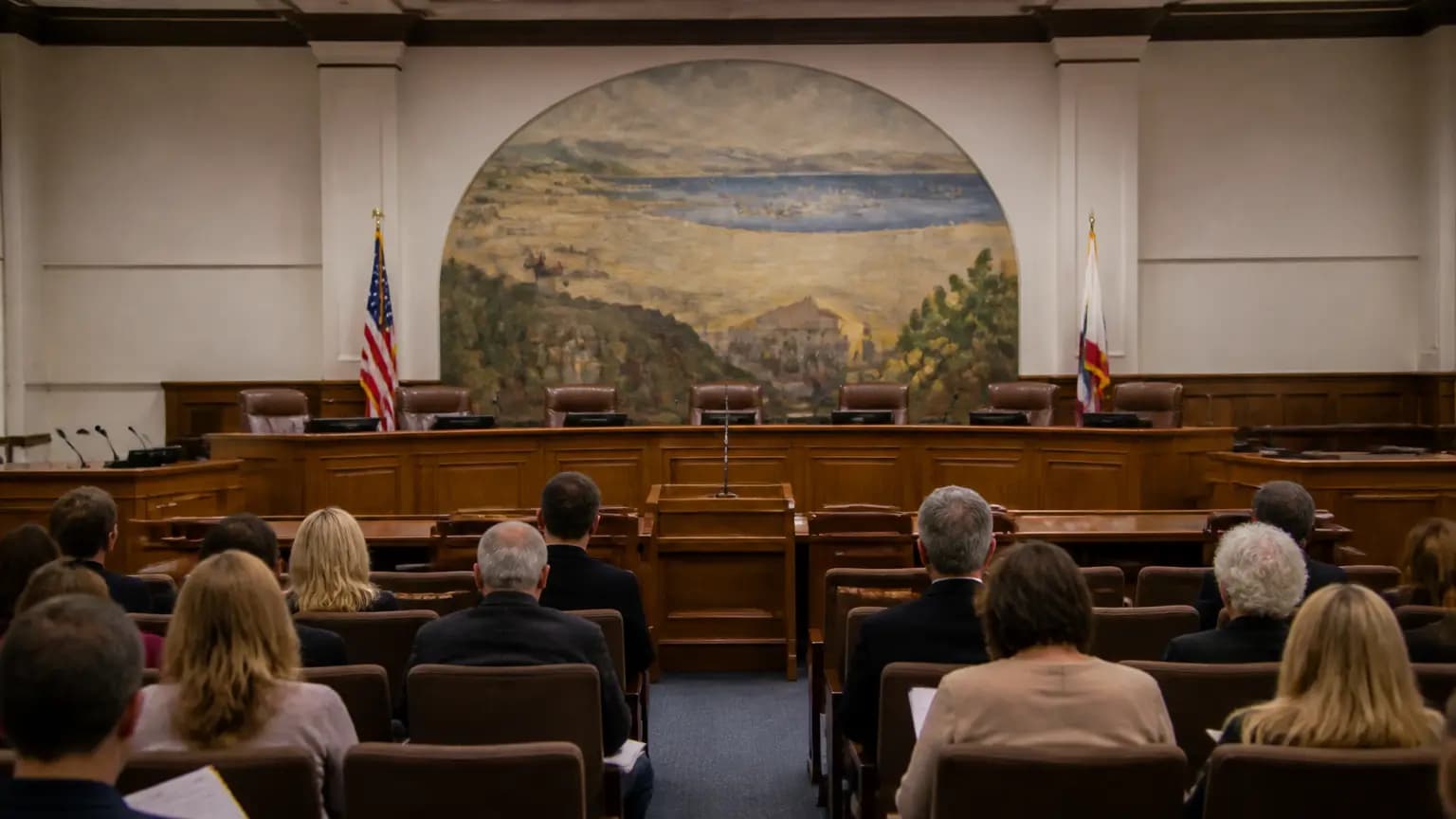
The results of the sidewalk vending pilot program were presented to the county Board of Supervisors on Tuesday, as Noozhawk reported. The numbers offer the first concrete look at how the county's coordinated crackdown — approved by the board in February 2025 with an enforcement window running roughly April through October — has played out on the ground.
The headline figures: 1,156 pounds of food were voluntarily discarded or impounded over the six-month period, 13 sets of vending equipment were confiscated, 13 notices of violation were issued, and 66 citations and warnings were handed out. County staff say the vendor presence along Highway 154 and Highway 246 — corridors long associated with roadside food stands — has dropped significantly.
Why the County Cracked Down
The enforcement effort grew out of long-running complaints about unpermitted food vendors, particularly pop-up operations that set up along rural highways. County officials have said the issue is fundamentally a public health concern: street food sold without permits is not always properly stored or prepared.
According to the county, inspectors have documented a lack of proper sanitation stations for tools and employees, no restroom access for workers, and other violations — including the use of open flames and the dumping of grease into public drains.
There has also been an economic dimension. Local business owners have complained to the Board of Supervisors that unpermitted vendors undercut them by setting up near established restaurants and stores, siphoning off customers without bearing the same permitting, rent and health-code costs.
But the county's authority here has limits. Under California's sidewalk vending law, local governments cannot ban mobile food vendors outright, provided those vendors follow applicable health codes and permitting rules. State law explicitly allows "compact mobile food operations" — pushcarts, stands, pedal-carts and wagons — that meet requirements.
What the county is targeting is a narrower category: pop-up vending setups, which officials say are not permitted under state law. County rules additionally require food vendors to obtain all necessary permits and regulate where vendors may set up and what cooking equipment is allowed.
How the Task Force Works
The enforcement is carried out by a multi-agency task force that includes personnel from the Santa Barbara County Sheriff's Office, the county Environmental Health division, and the Public Works Department.
Lars Seifert, deputy director of operations for the county's Public Health Department, told supervisors Tuesday that the interagency collaboration has been successful in its first six months.
"We have seen a huge drop-off (…) in the Santa Ynez Valley, particularly in the unincorporated parts of the county, Orcutt area," Seifert said, according to Noozhawk. "But we will continue to stay vigilant and respond because we think that now this is the time to really lean in and continue that progress."
The results appear geographically uneven, however. Seifert noted that the task force has observed more unpermitted vendors in the city of Santa Barbara itself, and said the task force will return to the board if it needs additional support going forward.
What It Means for Residents
For Santa Barbara residents, the changes are most visible on the drives that thread through the county's wine country and agricultural valleys. Highways 154 and 246 have for years been dotted with roadside stands selling tamales, fruit, grilled meats and other foods, particularly on weekends and holidays. If the county's numbers hold, those corridors are noticeably emptier.
The enforcement effort sits at the intersection of two competing public priorities. On one side is food safety: unpermitted operations lack the health inspections, handwashing stations and temperature controls that licensed food businesses must maintain. On the other is access and economic opportunity — street vending has long been a path to income for immigrant entrepreneurs and others, and California law reflects a statewide policy of protecting legal vending as a legitimate livelihood.
The distinction county officials draw is between those legal compact mobile operations, which remain permitted, and the pop-up style setups the task force is pursuing. Vendors who obtain the necessary permits and follow rules on location and equipment can still operate lawfully.
What Comes Next
The pilot's reporting window was framed as April through October, and Tuesday's presentation marked the first formal accounting to the board. Seifert indicated the county intends to sustain enforcement rather than treat the past six months as a one-time sweep, describing this as the moment to "lean in and continue that progress."
Open questions remain. It's unclear how much of the apparent drop-off along the highways reflects vendors ceasing operations entirely versus relocating — a possibility consistent with Seifert's acknowledgment of increased unpermitted vending activity in Santa Barbara proper, where city rather than county jurisdiction may complicate enforcement. The task force has also not publicly detailed how many of the 66 citations and warnings went to repeat offenders, or whether any cases have proceeded toward fines or prosecution.
Supervisors did not, based on the initial report, announce an expansion of the program this week, but Seifert signaled the task force could come back to the board for more resources.
For now, county officials are counting the pilot as a win on both public health and fairness grounds — fewer unpermitted operations, more than half a ton of potentially unsafe food removed from circulation, and a message to vendors that the rules on where and how food can be sold in Santa Barbara County are being actively enforced.
This article is based on reporting by Noozhawk staff writer Daniel Green. Tips about vending enforcement in your neighborhood can be directed to county Environmental Health.
Reported by 805.life
Researched and written drawing on primary sources. Additional reporting: Noozhawk.
City
Santa BarbaraAdditional Reporting
NoozhawkPublished
October 7, 2026
Reported and written by 805.life
Explore Santa BarbaraAll Santa Barbara NewsMore News from Santa Barbara
 Santa Barbara
Why Does It Cost So Much to Remodel Here?
If you've gotten a remodel quote lately and felt your jaw hit the floor, you're not alone — and the Santa Barbara Independent just tackled the question everyone's asking: why does it cost so much to remodel here? The short answer: coastal permitting, limited contractors, and a market where demand never really cools down. It's not just sticker shock, though. It's a reminder that your Pinterest board and your budget need to live on the same planet before you demo a single wall. Overruns here come fast, and they come local — from Montecito to Goleta, the same forces are at play. Before you sign anything, talk to neighbors who've been through it, get multiple bids, and pad the budget. The Independent's piece is worth a read — it's the kind of practical reality check that saves 805 homeowners real heartache.
 Santa Barbara
Saving Naples, Once and for All
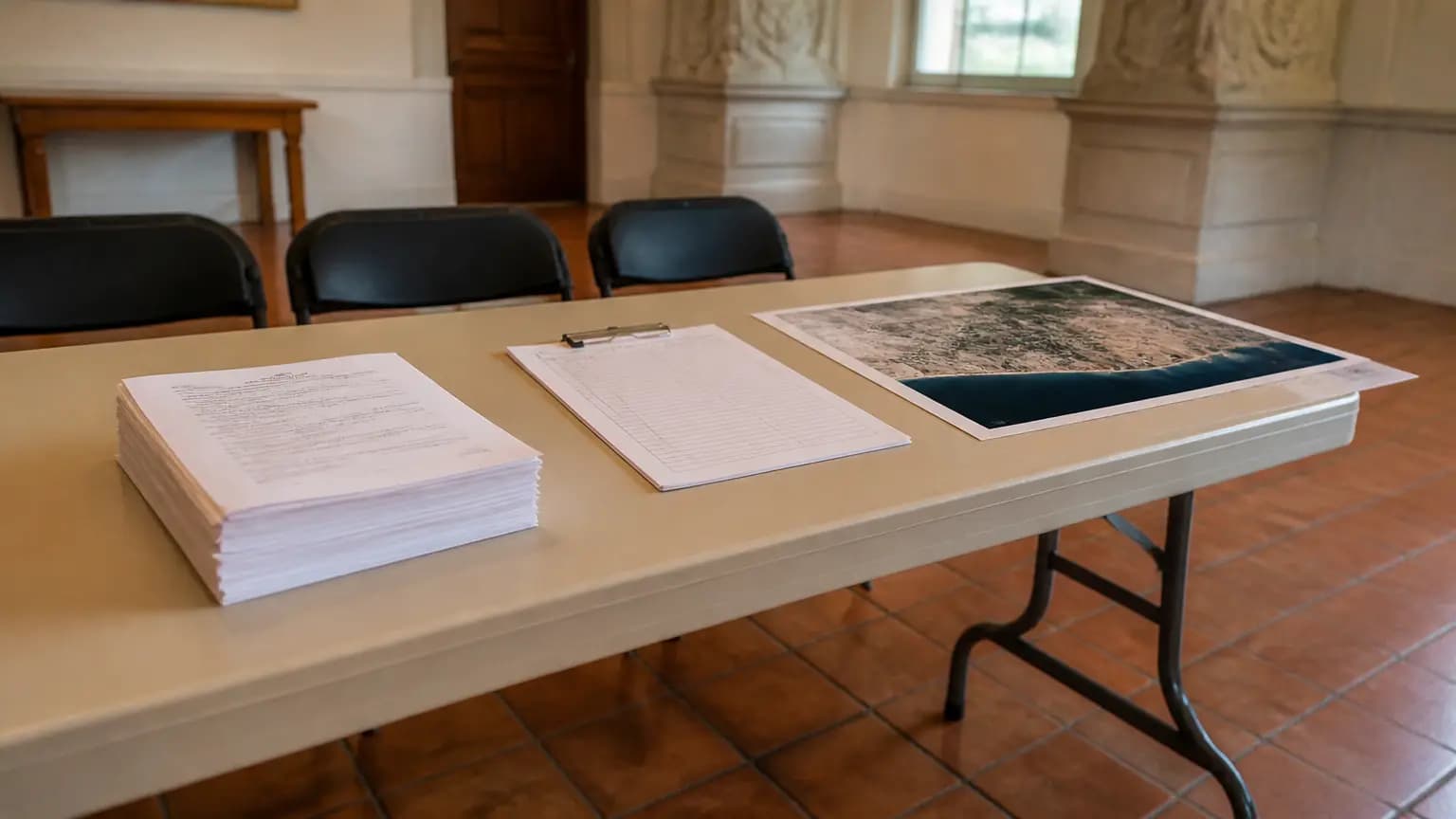
Big news for our little slice of paradise: the Land Trust has a purchase agreement in hand for Naples, the rugged stretch of coast and ranchland just west of Goleta that generations of 805 locals have hiked, surfed, and fought to protect. Now comes the hard part — a $16 million fundraising push to make the preserve permanent. Naples has been on the brink more times than we can count, and every close call has reminded us how rare this coastline really is. Sealing the deal means no future development, no last-minute saves, just open space for our kids and grandkids. The Santa Barbara Independent reports the clock is ticking on the campaign. If you've ever stood on those bluffs at sunset, you know why this matters. Let's get it done — once and for all.
 Santa Barbara
About the Retention Election for California Appellate Justices
Heads up, neighbors — there's a retention election coming up on your November 2026 ballot for California's appellate court justices, and the Santa Barbara Independent is urging a "yes" vote to keep them in place. If you've never paid much attention to these down-ballot races, you're not alone; they're easy to skip past when you're focused on the marquee contests. But here's the thing: these justices handle appeals from our local courts, meaning their rulings can shape everything from land-use disputes along the Gaviota coast to criminal cases out of Santa Barbara County. Retention votes are how we hold them accountable without turning the bench into a political circus. So before you fill out that ballot, take a few minutes to read up — the Independent's piece is a good place to start. Local courts matter, and so does showing up informed.