County supervisors approve $9.2 million cut to Public Health Department

Santa Barbara County supervisors voted unanimously on June 16 to slash $9.2 million from the Public Health Department's budget, triggering the closure of the Santa Maria county pharmacy, the end of on-site blood-draw services, and the elimination of several specialty care programs — all set to take effect July 1, 2026. The decision, made during the board's final round of budget hearings, is part of a sweeping county-wide effort to close a structural deficit that has grown more acute in recent months.
A Budget Under Pressure
The Public Health cuts don't exist in isolation. According to the Santa Barbara County's own budget release, the county's FY 2026-27 recommended budget totals $1.66 billion in operating expenditures — a 1.7% reduction from the prior year and the first operating budget decrease in more than a decade. The Santa Barbara News-Press reported that the overall spending plan includes approximately $52 million in reductions across county departments, with an estimated 77 employees expected to lose their jobs effective July 1.
Public Health Director Mouhanad Hammami told the board that a long-standing structural deficit in his department was worsened by recent policy shifts. Changes to federal and state rules governing who qualifies for Medi-Cal, he said, "added insult to injury," according to the Santa Maria Sun. The Santa Barbara Independent noted that federal budget changes, including provisions in H.R. 1, are shifting significant safety-net costs to counties while simultaneously reducing available funding — a double blow that has accelerated the timeline for difficult decisions.
What's Closing — and When
Three concrete changes will hit Santa Maria residents hardest when they take effect July 1.
Pharmacy consolidation is by far the largest piece of the cuts, saving $8.46 million in the upcoming fiscal year, as reported by the Santa Maria Sun. The county is consolidating three pharmacies — in Santa Maria, Santa Barbara, and Lompoc — down to a single site in Lompoc. The move eliminates three pharmacist positions and six pharmacy technician roles; seven of those nine positions are currently filled. Roughly 1,942 Santa Maria patients who rely on the county pharmacy annually were notified of the closure in May.
Patients won't be left entirely without options. Noozhawk reported that the county has contracted with Walgreens as a community pharmacy partner, with two Santa Maria locations available: 707 N. Broadway (805-614-4667) and 2399 S. Broadway (805-928-4633), the latter of which offers 24-hour service. The county health department's official announcement also confirmed that for uninsured patients and those in the Patient Assistance Program, medications can be filled at the Lompoc pharmacy and delivered to the Santa Maria Health Center for pickup — meaning the most vulnerable patients should still be able to receive medications without traveling to Lompoc.
Phlebotomy services — routine blood draws — will also end at the Santa Maria and Lompoc community health centers. The county will instead refer patients to contracted labs including Quest Diagnostics and Pacific Diagnostic Laboratories. According to the Santa Maria Sun, this change is expected to save $533,000 annually and eliminate 4.5 full-time equivalent positions, 3.5 of which are currently filled. An estimated 3,220 Santa Maria patients and 4,486 Lompoc patients use these services each year. Hammami noted that partner lab facilities are located within two miles of the affected clinics, with consistent schedules and extended hours. Sliding-scale reduced rates will remain available.
Specialty care services — including nephrology, urology, neurology, and gastroenterology — will be discontinued at the Santa Barbara clinic, where they are exclusively offered. The change affects approximately 792 patients annually and is projected to save $231,000. KCLU reported that the county will continue to provide primary care services. The county's announcement confirmed that Public Health has identified new specialty providers, verified their participation in the CenCal Health network, and begun transitioning patients to ensure continuity of care.
Labor and Community Concerns
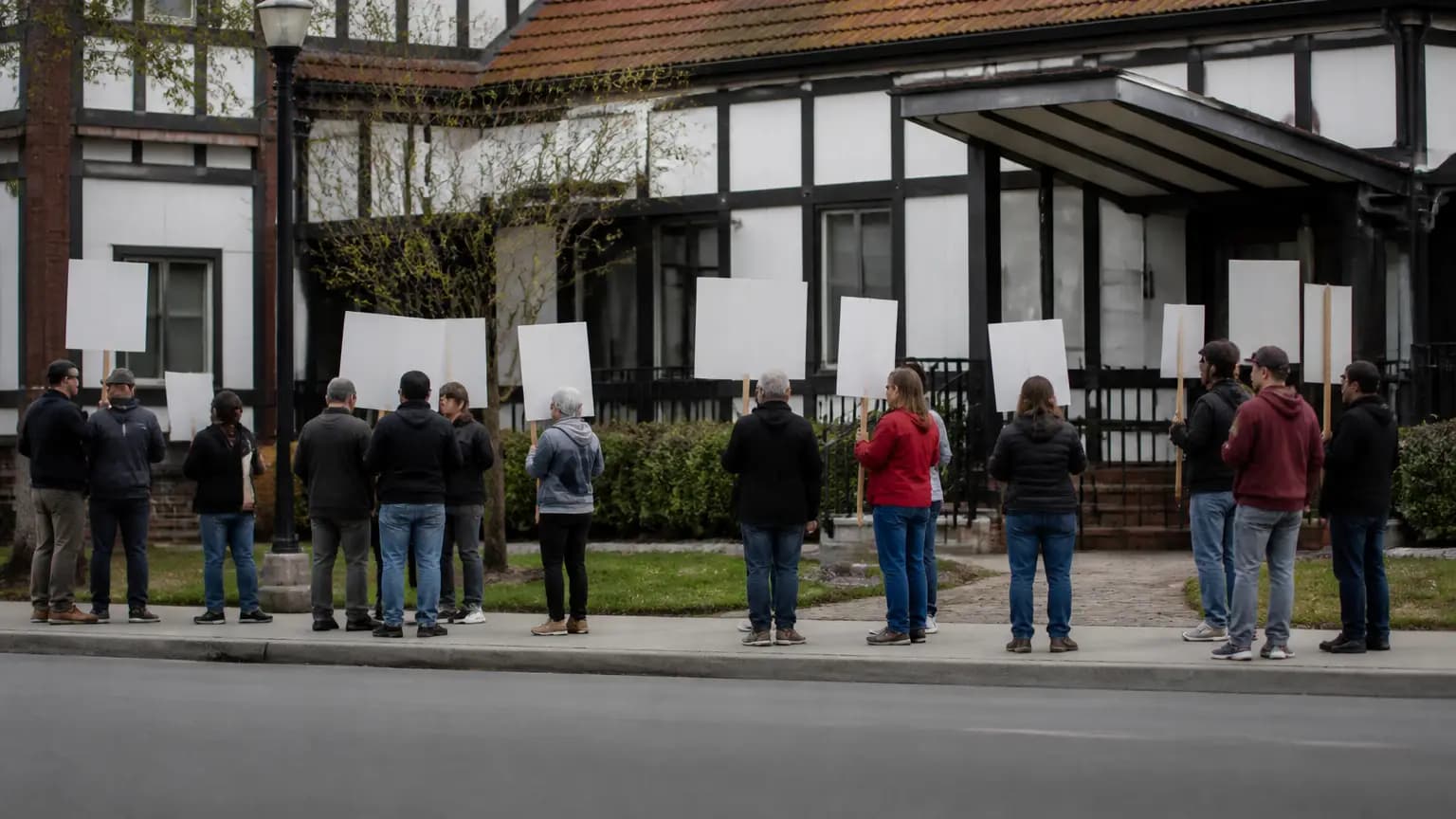
Not everyone at the June 16 hearing was convinced that the transition plan will be seamless. Leo Decasaus, representing SEIU Local 620, acknowledged the department's deficit but pushed back on the direction of the cuts. "The impact of these reductions is real and immediate," he told the board, adding concern about the county's reliance on Walgreens — "a non-union, for-profit corporation" — to fill gaps left by the public pharmacy closures, according to the Santa Maria Sun.
The Santa Barbara News-Press had reported as early as May that the county pharmacies in question specifically serve uninsured and low-income patients, filling prescriptions at rates far below what traditional retail pharmacies charge. The Santa Barbara Independent noted that the clinics slated for reduction serve "disproportionately poor and minority populations" — a demographic profile that aligns closely with many Santa Maria neighborhoods.
Local hospitals, meanwhile, have expressed worry. The Santa Barbara Independent noted that some health facilities fear their emergency rooms will be strained by patients who can no longer access specialty or pharmacy services through the county — many of them low-income residents with complex medical conditions.
What Supervisors and Officials Said
Despite the opposition, all five supervisors voted in favor of the cuts. Fifth District Supervisor Steve Lavagnino, whose district covers much of Santa Maria, asked for a future report from the Public Health Department to ensure no patients "fall through the cracks" when trying to access care under the new arrangements. Fourth District Supervisor Bob Nelson, who chairs the board, acknowledged the weight of the decisions. "This board is not taking any of this lightly," he said. "These are hard decisions. These are efficiency measures that need to take place for us to have a balanced budget, which we're obligated to do," as quoted by the Santa Maria Sun.
Hammami stressed that affected employees are being supported through job fairs, counseling, and transition resources coordinated with County HR.
What Santa Maria Residents Should Do Now
If you or a family member use county Public Health services, the time to act is now — before July 1. The Santa Barbara County Health Department has established a 24-hour information line at (805) 681-5100 to answer questions about which services remain available and to respond to patient complaints, as confirmed by Noozhawk and the county's official announcement.
Patients currently receiving prescriptions at the Santa Maria county pharmacy should contact their provider to arrange a transfer to one of the Walgreens locations or another pharmacy of their choice. Patients who rely on county blood-draw services should ask their provider for a referral to Quest Diagnostics or Pacific Diagnostic Laboratories. Those receiving specialty care at the Santa Barbara clinic should confirm with their provider that a referral into the CenCal Health network is underway.
The cuts represent a significant contraction of the county's public health safety net in Santa Maria — but officials insist that, with the right navigation, patients can continue to access comparable care through community partners. Whether that promise holds up once the doors close July 1 remains an open question.
Reported by 805.life
Researched and written drawing on primary sources. Additional reporting: Santa Maria Sun.
City
Santa MariaAdditional Reporting
Santa Maria SunPublished
June 18, 2026
Reported and written by 805.life
Explore Santa MariaAll Santa Maria NewsMore News from Santa Maria
 Santa Maria
No deal: Solvang staffers strike after rejecting City Council’s ‘last, best, and final’ pay raise offer
Solvang city workers made history this month — and not the charming Danish-village kind. About 30 unionized employees, including engineering technician Cole Phillips, walked off the job Sept. 15 after rejecting the City Council's "last, best, and final" pay offer. It's the first labor strike in Solvang's history, and it's a big deal for a small town where city staff keep the wheels turning. For those of us here in Santa Maria and across the 805, this is a reminder that the folks behind the counter at city hall, fixing our streets, and processing our permits are neighbors with bills to pay. When a city and its workers can't agree, residents feel it too — in slower services and a workforce that feels undervalued. The Santa Maria Sun has been following the standoff closely. Wherever you land on the politics, it's worth watching how this plays out up the valley. Small-town labor fights don't stay small for long.
 Santa Maria
Tie vote blocks Lompoc from censuring Steve Bridge
Lompoc's city council spent three hours on Sept. 15 wrestling with whether to censure one of their own, Councilmember Steve Bridge — and in the end, a tie vote meant the censure failed. Bridge's own appeal to the room was simple: remember the oath everyone stands and recites before every agenda, the same words our kids learn in kindergarten. Censure is a symbolic move, but symbols matter in small-town politics. It's the council's way of saying a colleague crossed a line, even when there's no formal punishment attached. A tie means half the dais wasn't willing to go there, and that split says as much about Lompoc's leadership as any resolution could. The Santa Maria Sun has the full account of that long meeting. For those of us up and down the 805, it's a reminder to keep an eye on our own councils — the local decisions that shape our towns often get decided by a single vote.
 Santa Maria
Santa Maria denies movie theater alcohol sales
Santa Maria moviegoers hoping to pair a cold one with their blockbuster will have to keep waiting. On Sept. 16, city planning commissioners turned down a proposal that would have let local theaters sell alcohol, making us the holdout while 55 other Regal cinemas across California already pour drinks alongside the popcorn. Commissioner Tim and others gave it a fair look, weighing the possible boost to our local cinema scene against the concerns that come with mixing booze and a dark room full of strangers. It's a very Santa Maria debate, honestly — we tend to be cautious about change, and that's not always a bad thing. The Santa Maria Sun first reported the decision, and it's worth a read if you want the full back-and-forth. So for now, it's soda and candy at the concession stand. Whether that keeps our theaters family-friendly or just keeps them losing ground to Atascadero and SLO, only time will tell. What do you think, neighbors?