Court hearing set for housing development at Ladyface
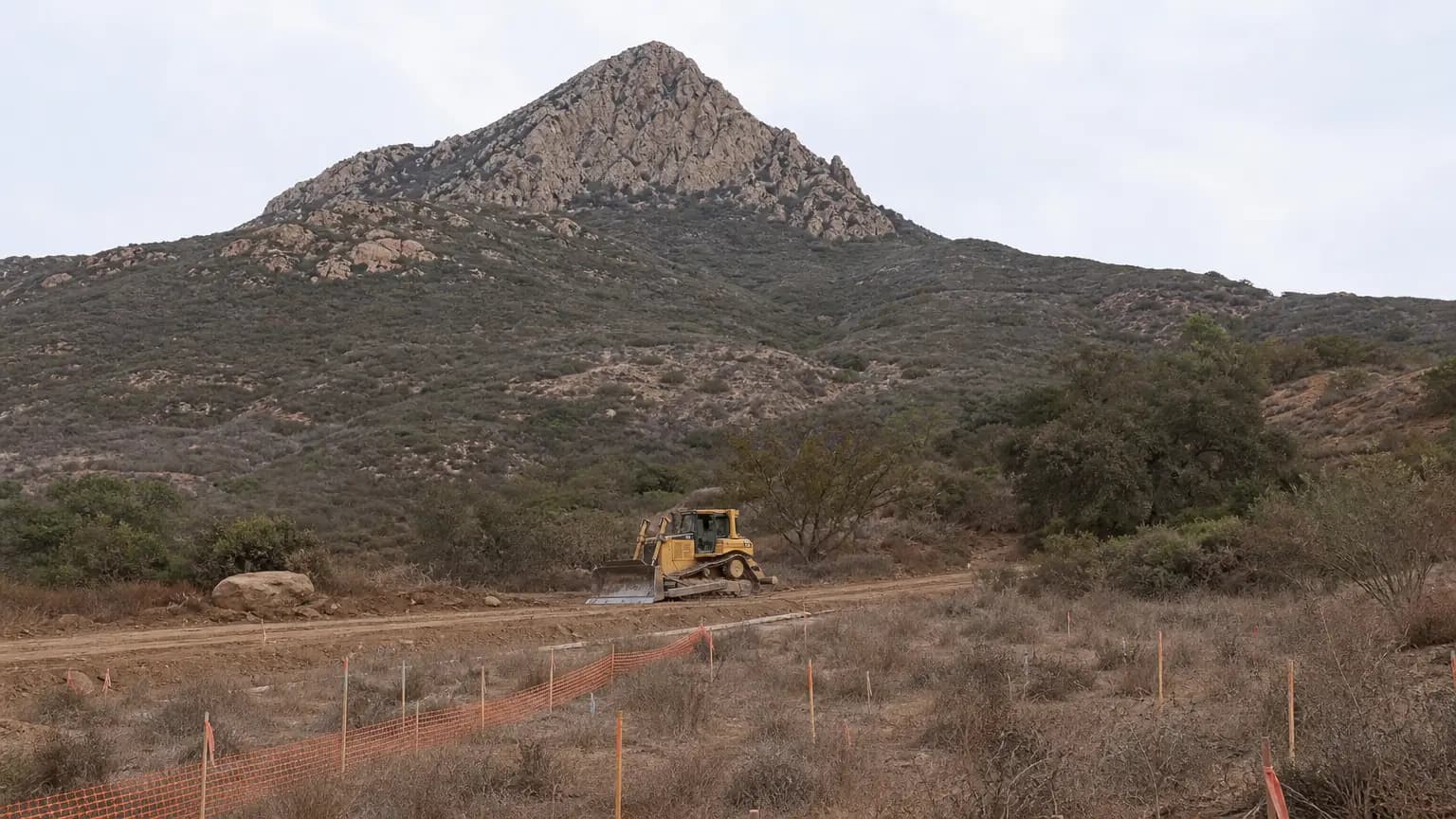
Two lawsuits filed by a regional advocacy group are set to get their day in a downtown Los Angeles courtroom this Monday, July 21 — putting the future of one of Agoura Hills' most contentious housing projects, and the city's entire wildfire evacuation strategy, squarely before a Superior Court judge.
As The Acorn reported, the cases — both brought by Protectors and Residents in the Santa Monica Mountains, known as PRISMM — will be heard by Superior Court Judge Karine Mkrtchyan at the Stanley Mosk Courthouse. Together, they represent the sharpest legal challenge yet to Agoura Hills' push to add hundreds of new residential units along the Kanan Road corridor in a city that CAL FIRE classifies entirely as a Very High Fire Hazard Severity Zone.
What's at Stake: The West Village Project
At the center of the first lawsuit is the West Village development, proposed by Los Angeles-based Symphony Development on the seven-acre parcel at the southwest corner of Kanan and Agoura roads — a site generations of local families know as the Christmas tree and pumpkin lot. The project, as currently approved, would bring 238 residential units and 9,000 square feet of ground-floor commercial space to the base of Ladyface Mountain.
The physical footprint is substantial. Behind two one-story commercial buildings at the intersection would rise a 249,000-square-foot apartment building — three stories facing Kanan Road, four stories at the rear — with a central opening designed to preserve sightlines to Ladyface Mountain. A 135,000-square-foot, five-story parking structure, with one level set below grade, would complete the complex. The apartments would include 18 very-low-income and 18 low-income units, qualifying the project for a state density bonus and a waiver of the city's three-story height limit.
The project's path to approval was unusual. Because West Village includes affordable housing and was found to meet the city's objective design standards, it qualified for fast-tracked ministerial approval under state housing law — bypassing the typical City Council vote and the environmental scrutiny that comes with discretionary review. Symphony Development received that entitlement approval on July 3, 2025, according to The Acorn's earlier reporting.
This is a substantially larger project than what Symphony originally envisioned. An earlier version of West Village, slowed by the COVID-19 pandemic, called for 78 residential units and 39,000 square feet of commercial space. Agoura Hills' 2022 housing element revision, which allowed higher-density development and opened the door to streamlined approvals, paved the way for the current, denser design.
PRISMM's Legal Arguments: Safety and Process
PRISMM, represented by L.A. firm Venskus & Associates, filed its complaint in September 2025, alleging the city approved the project without completing required safety and environmental reviews. The group's core contention, as reported by The Acorn, is that Agoura Hills is putting residents in danger by fast-tracking high-density housing along what is also a critical wildfire evacuation corridor — without first ensuring that corridor can handle the additional load.
Central to the legal argument is Assembly Bill 747, a state law signed by the governor in October 2019 in the wake of the 2018 Camp Fire. That disaster — which overwhelmed the Northern California town of Paradise as residents tried to flee on gridlocked roads — prompted the legislature to require that cities and counties identify evacuation routes and evaluate their capacity, safety, and viability under a range of emergency scenarios. PRISMM argues Agoura Hills has not complied with AB 747 in approving higher-density zoning in its so-called Affordable Housing Overlay, which covers the West Village site.
The lawsuit also challenges whether West Village truly qualifies for ministerial approval — the streamlined process that allowed it to sidestep California Environmental Quality Act (CEQA) review and City Council sign-off. PRISMM contends the project doesn't meet the legal eligibility requirements, and that the city is, in the group's words, "serially violating CEQA review" with its affordable housing overlay development approvals. The suit asks the court to block the project and order a full environmental impact report.
The second lawsuit, also scheduled for July 21, targets the city's broader evacuation analysis. That challenge concerns an evacuation plan and supporting analysis adopted by the City Council on May 13, 2026, which concluded that the city's evacuation routes are safe and viable. PRISMM disputes that finding, arguing it too lacks proper environmental review and misrepresents the danger to the community.
A Worried Community With a Long Memory
The stakes feel visceral for many Agoura Hills residents. The Woolsey Fire of November 2018 burned through the Santa Monica Mountains and into parts of Malibu, with three deaths recorded within three miles of the proposed housing sites. During that evacuation, Santa Monica Mountain evacuees traveling north on Kanan Road took up to 80 minutes to reach the 101 Freeway on-ramps — 30 minutes longer than any other evacuating group, according to the city's own 2022 Evacuation Capacity Report. The image of gridlocked roads, and more recently the January 2026 firestorms in Los Angeles where a bulldozer pushed hundreds of abandoned cars off Palisades Drive, has kept the issue front of mind.
Kanan Road is not just a local concern. The Los Angeles County Safety Element designates evacuation routes that feed into Kanan to reach the 101 Freeway, making it a regional artery for residents of Oak Park, unincorporated communities, and Malibu as well. Residents from Seminole Springs, Cornell, Malibou Lake, and Triunfo/Lobo Canyon have joined Agoura Hills neighbors in opposing the concentrating of so much new density at this chokepoint.
City officials have acknowledged residents' concerns but argue their hands are largely tied by state law. Agoura Hills must plan for 318 affordable units by the end of the decade under state housing mandates, and the city has identified 20 housing opportunity sites — 15 of them south of the 101 Freeway at the base of the Santa Monica Mountains. In a statement to The Acorn, Agoura Hills Mayor Jeremy Wolf said the frustration residents are expressing is "being directed at the wrong level of government," calling the situation "a direct result of state housing laws and mandates that have significantly limited local control." He added that cities that challenge these laws "consistently lose at the cost of millions of dollars."
PRISMM, for its part, has consistently said it supports more housing — including affordable units. Its objection is to placement, not construction. As the group states on its website, the concern is the concentration of new density along the very roads residents must use to flee a wildfire.
The Broader Development Picture
West Village is not the only major project reshaping Agoura's landscape. The Regency Project, a 278-unit apartment complex at the northwest corner of Agoura and Cornell roads on the site of the former Regency movie theater, is already under construction. It also received ministerial approval. PRISMM's West Village lawsuit cites the Regency Project as another example of high-density development allegedly approved without proper public notice or CEQA review.
A separate PRISMM lawsuit targeting a smaller 33-unit project on the south side of Agoura Road across from Whizin Market Square was dismissed last month after the city withdrew its approval because the property owner failed to pay required fees — a small procedural win for the city, but one that leaves the broader legal questions unanswered.
The outcome of the July 21 hearings will not resolve the cases immediately; court dates at this stage typically involve arguments over procedural matters or motions for preliminary rulings. But the trajectory of the litigation will signal how much legal exposure Agoura Hills faces, and whether the West Village project — and the city's approach to fast-tracking housing approvals along Kanan Road — can withstand judicial scrutiny. For the thousands of residents whose evacuation route runs directly past the proposed construction site, the answer couldn't matter more.
Reporting draws on coverage by [The Acorn (Agoura Hills)](https://www.theacorn.com/articles/court-hearing-set-for-housing-development-at-ladyface/), earlier Acorn reporting on the [original lawsuit filing](https://www.theacorn.com/articles/ladyface-foothill-project-is-sued/) and [community protests](https://www.theacorn.com/articles/agoura-protesters-worry-new-housing-increases-citys-fire-risk/), [PRISMM's public filings](https://www.santamonicamountains.org/the-west-village), and California [AB 747 legislative text](https://leginfo.legislature.ca.gov/faces/billNavClient.xhtml?bill_id=201920200AB747).
Reported by 805.life
Researched and written drawing on primary sources. Additional reporting: The Acorn (Agoura Hills).
City
Agoura HillsAdditional Reporting
The Acorn (Agoura Hills)Published
July 16, 2026
Reported and written by 805.life
Explore Agoura HillsAll Agoura Hills NewsMore News from Agoura Hills
 Agoura Hills
Bridge on track for Dec. 2 opening, officials say
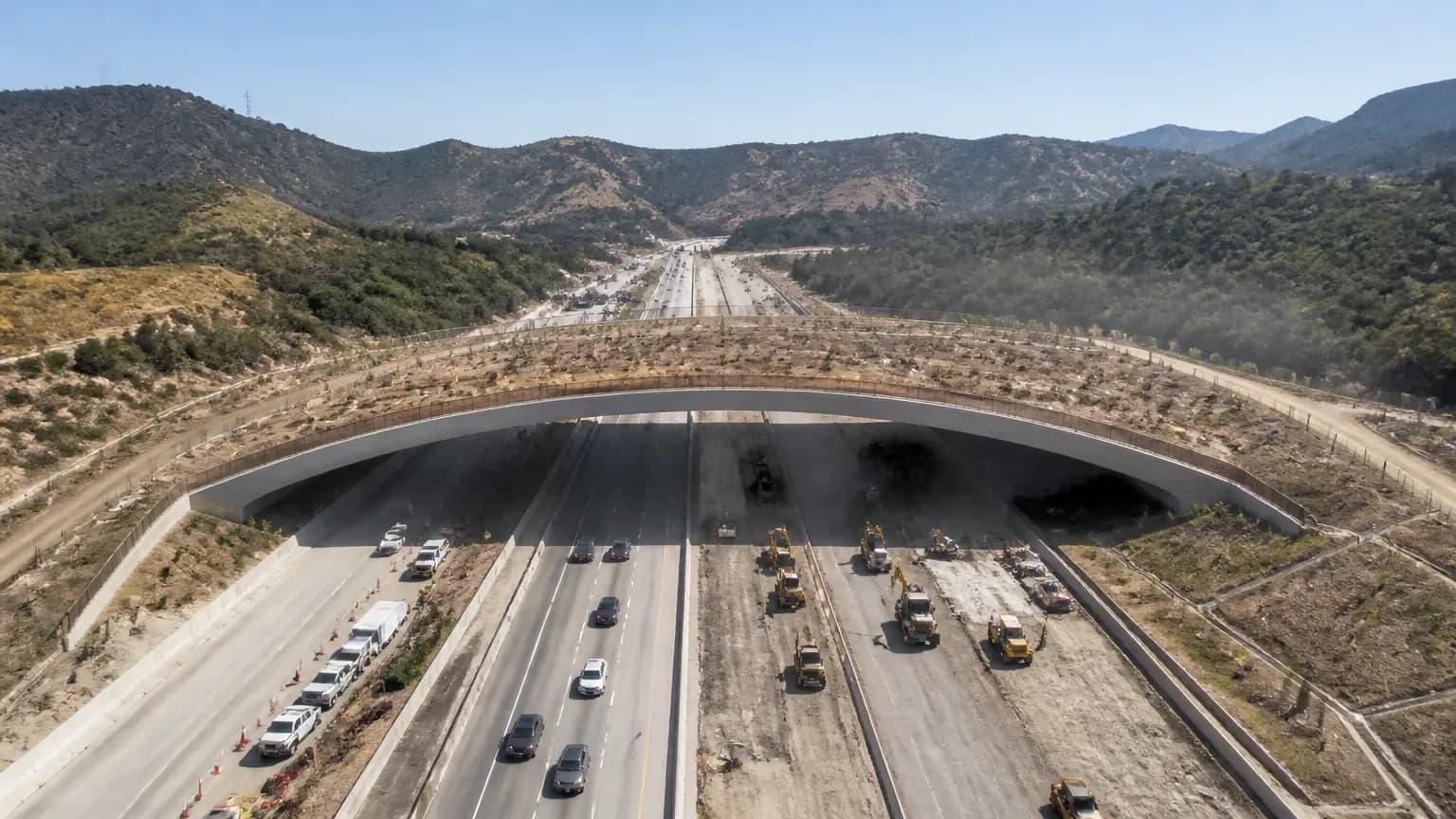
Big news for our corner of the 805: the Wallis Annenberg Wildlife Crossing over the 101 in Agoura Hills is still on track to open Dec. 2, according to The Acorn (Agoura Hills). The major structures are done, and crews are now planting, restoring habitat, and stitching the overpass into the hillsides around it. If you've driven the 101 through Agoura lately, you've watched this thing rise span by span. It's not just a bridge — it's a lifeline for mountain lions, coyotes, deer and all the wildlife hemmed in by ten lanes of traffic. Beth Pratt of the National Wildlife Federation and the #SaveLACougars campaign has been the engine behind it, and she says the finish line is near. Mark your calendars, neighbors. Dec. 2 is less than 50 days out, and this is one of those rare projects that puts our little stretch of the 101 at the center of something the whole world is watching.
 Agoura Hills
Has the door closed on Conejo affordability?
If you've tried to picture a young family buying into Agoura Hills lately, you already know the math is brutal. At last week's housing forum, Mayor Jeremy Wolf and neighbors dug into a puzzle we all feel: our population is barely growing, households are getting smaller, yet rents and home prices keep climbing out of reach for the workers and grandparents who make this community hum. The Acorn (Agoura Hills) reports the conversation centered on who gets squeezed out when affordability closes the door — younger families, longtime older residents, and the people who staff our shops and schools. It's not an abstract policy debate; it's about whether your kids can afford to stay near you. This one's worth following. Local housing talks like this often shape zoning and development decisions down the road, so if you care about the future of Conejo Valley, keep an eye on what comes next.
 Agoura Hills
Whizin tenant, school district tussle over parking at carnival
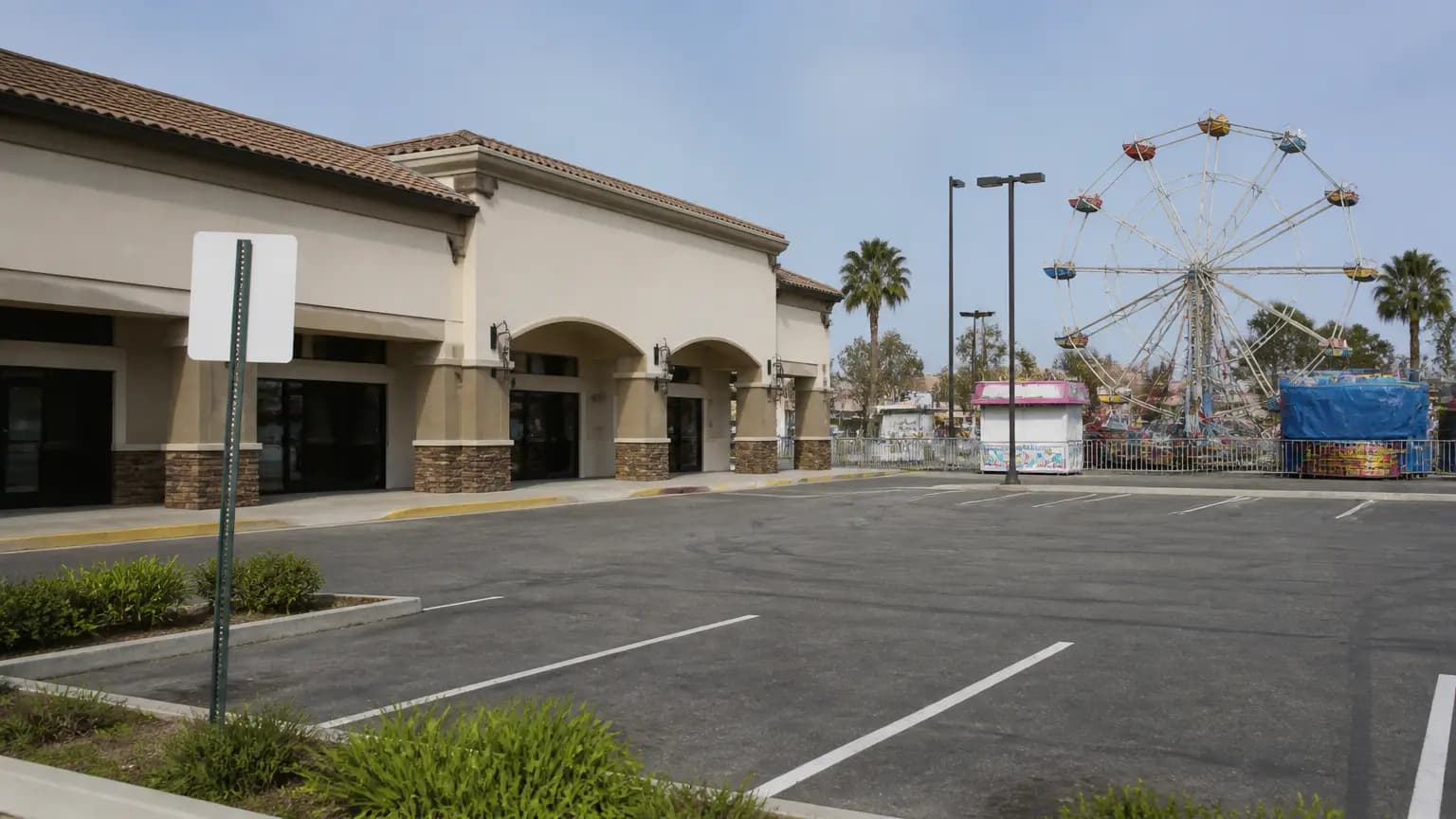
If you've ever taken the kids to the carnival at Whizin Market Square, you know it's one of those Agoura Hills traditions that quietly holds the community together. Since 2014, THE Foundation for Las Virgenes Schools has raised over $500,000 there for our local public schools — real money that goes straight to classrooms, teachers, and programs our kids depend on. Now, with Whizin undergoing a major redevelopment, a longtime tenant's parking grievance over special events is surfacing, and it could be a preview of tensions to come as the center transforms. It's a good reminder that big changes in our town center aren't just about shiny new storefronts — they affect the fundraisers, gatherings, and neighborhood rituals that make Agoura Hills feel like home. As The Acorn reports, this tussle is worth watching. Here's hoping the school carnival and the businesses that host it can find a path forward together.