Despite parking concerns, Guadalupe City Council unanimously approves new housing
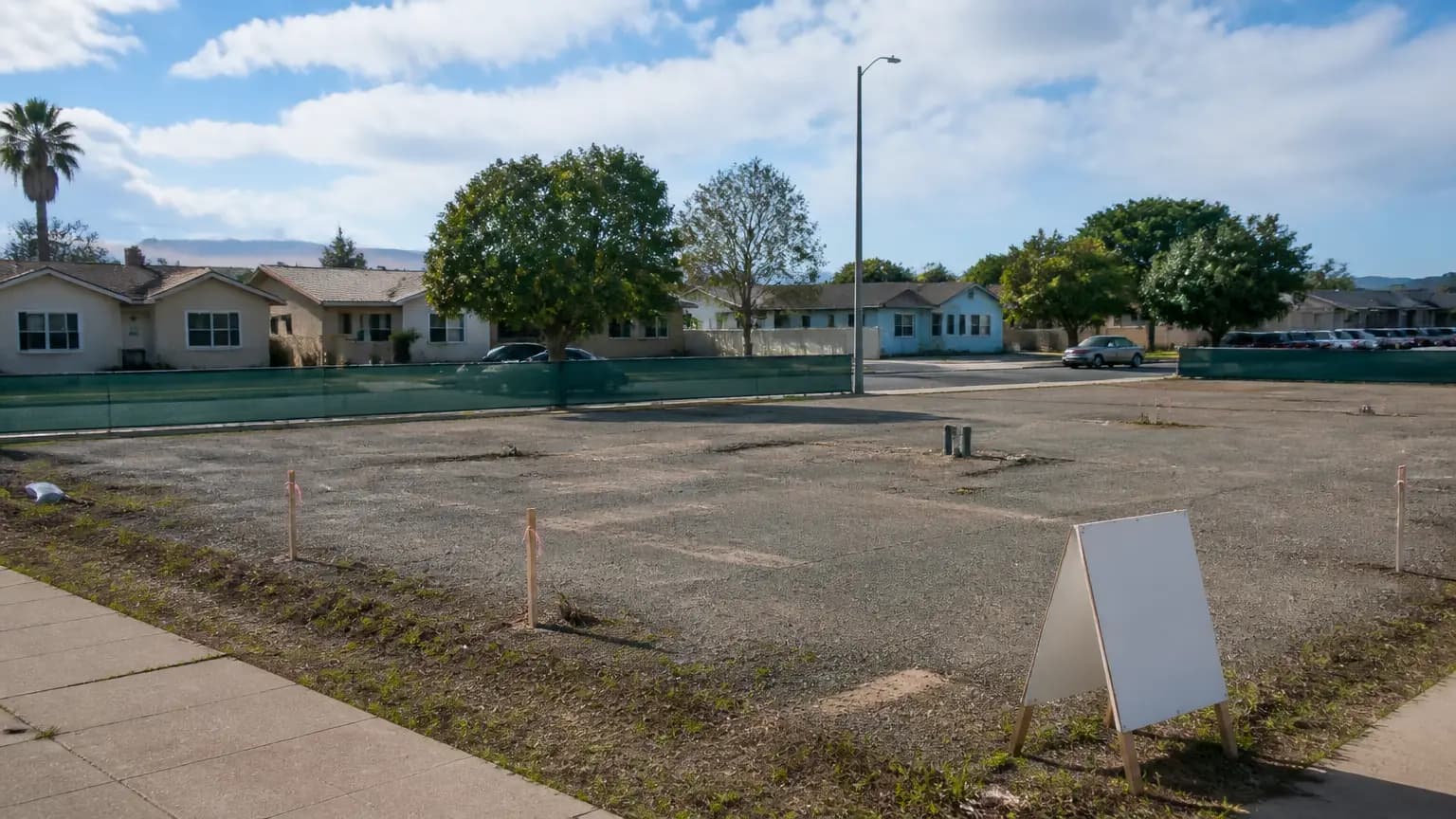
A seven-unit affordable housing project is moving forward in Guadalupe after the City Council voted unanimously on Sept. 22 to approve the Dunes Vista Apartments at 855 Pioneer St. — despite objections from neighbors who say the neighborhood's already-tight parking situation can't absorb more residents, the Santa Maria Sun reported.
The decision hands the Housing Authority of Santa Barbara County a green light to build on an empty 7,500-square-foot lot in a small city just west of Santa Maria that, like much of the Central Coast, is wrestling with how to add housing amid a regional affordability crunch.
What the council approved
The project calls for a three-story building with a Spanish-style roof, white stucco siding, and stone veneer. Three one-bedroom units would occupy the first floor — one of them serving as the property manager's residence — while the second and third floors would each hold two two-bedroom units, for a total of seven apartments.
The unusual part is the parking. Under Guadalupe's current rules, a seven-unit project would require 14 parking spaces, half of them in garages or carports. The approved plan provides just eight spaces, including one that is ADA accessible.
That trade-off is possible because the project uses the state Density Bonus Law. Contracted Planning Director Larry Appel explained at the meeting that the parcel's zoning would ordinarily allow up to five units, but the developer requested seven. By designating the units as affordable, the Housing Authority became entitled to certain incentives — and it chose reduced parking as one of them.
Six of the units will be affordable. Appel acknowledged the parking concern but framed the trade as worthwhile: "We realize [parking's] going to be a problem with the neighborhood, but again, we're getting six affordable units, which we don't get them that often."
Neighbors push back
Public commenter Edward Zarati told the council his main hesitation was vehicle congestion and public safety on Pioneer Street. He said he drove the street before the meeting and found it already crowded.
"Parking is not plentiful as it is," Zarati said. He added that he had seen friction spill over at other new developments nearby: "I was going down the street, and I already saw people flipping each other off because one wanted a spot over somebody else. I'm not opposed to having a place for people to live, but I think we've already done a lot on Pioneer Street."
Councilmember Whitney Furness, who said she lives in the neighborhood, agreed that parking problems are real. Still, she said the eight spaces planned at the complex are "better than no parking, in my opinion."
Why the developer says it will work
Milton Johns, an agent representing the Housing Authority, told council members that the tenant-income restrictions should keep car ownership low. Only households earning between 60 and 120 percent of the area median income are eligible to apply.
"The number of cars on our projects are usually under-parked. I can't testify in good faith that eight will be sufficient without rolling out onto the street, but what we found historically is that they are," Johns said.
It's a familiar dynamic in affordable housing circles across California: income-restricted developments tend to generate fewer vehicle trips than market-rate ones, which is part of the rationale behind density-bonus concessions like parking reductions.
Why it matters for the Santa Maria Valley
For readers in Santa Maria, Guadalupe's decision is a small but telling example of the trade-offs playing out across the 805 region. As rents along the Central Coast have climbed, cities from Santa Maria south to Carpinteria have faced pressure — much of it state-mandated — to approve denser, more affordable projects, often in neighborhoods where parking was never designed for apartment-scale living.
State law limits what local councils can do once a developer invokes the Density Bonus Law with affordability commitments, meaning Guadalupe's elected leaders had little leverage to demand more spaces even if they wanted to. The unanimous vote reflected that reality: council members voiced sympathy for neighbors' concerns while concluding the benefit of six affordable units outweighed the parking shortfall.
The Housing Authority of Santa Barbara County, which will build and manage the complex, has an established portfolio of income-restricted housing throughout the county. Rents and eligibility for Dunes Vista will be tied to the area median income thresholds Johns described.
What comes next
With approval in hand, the Housing Authority can move forward with construction of the three-story building. A firm construction timeline was not detailed at the meeting, and the city has not announced a groundbreaking date. Prospective tenants will apply through the Housing Authority once the units near completion, subject to the 60-to-120-percent-of-AMI income limits.
For Pioneer Street residents, the practical test will come after move-in: whether the eight on-site spaces hold up, or whether the tensions Zarati described — drivers competing for curb space — become a regular feature of the block. The council's bet is that a small, income-restricted building will bring fewer cars than neighbors fear, and six affordable homes to a city that doesn't get them often.
Reported by 805.life
Researched and written drawing on primary sources. Additional reporting: Santa Maria Sun.
City
Santa MariaAdditional Reporting
Santa Maria SunPublished
October 1, 2026
Reported and written by 805.life
Explore Santa MariaAll Santa Maria NewsMore News from Santa Maria
 Santa Maria
Unfinished business: Stalled hotel construction in Solvang remains inactive amid yearlong litigation
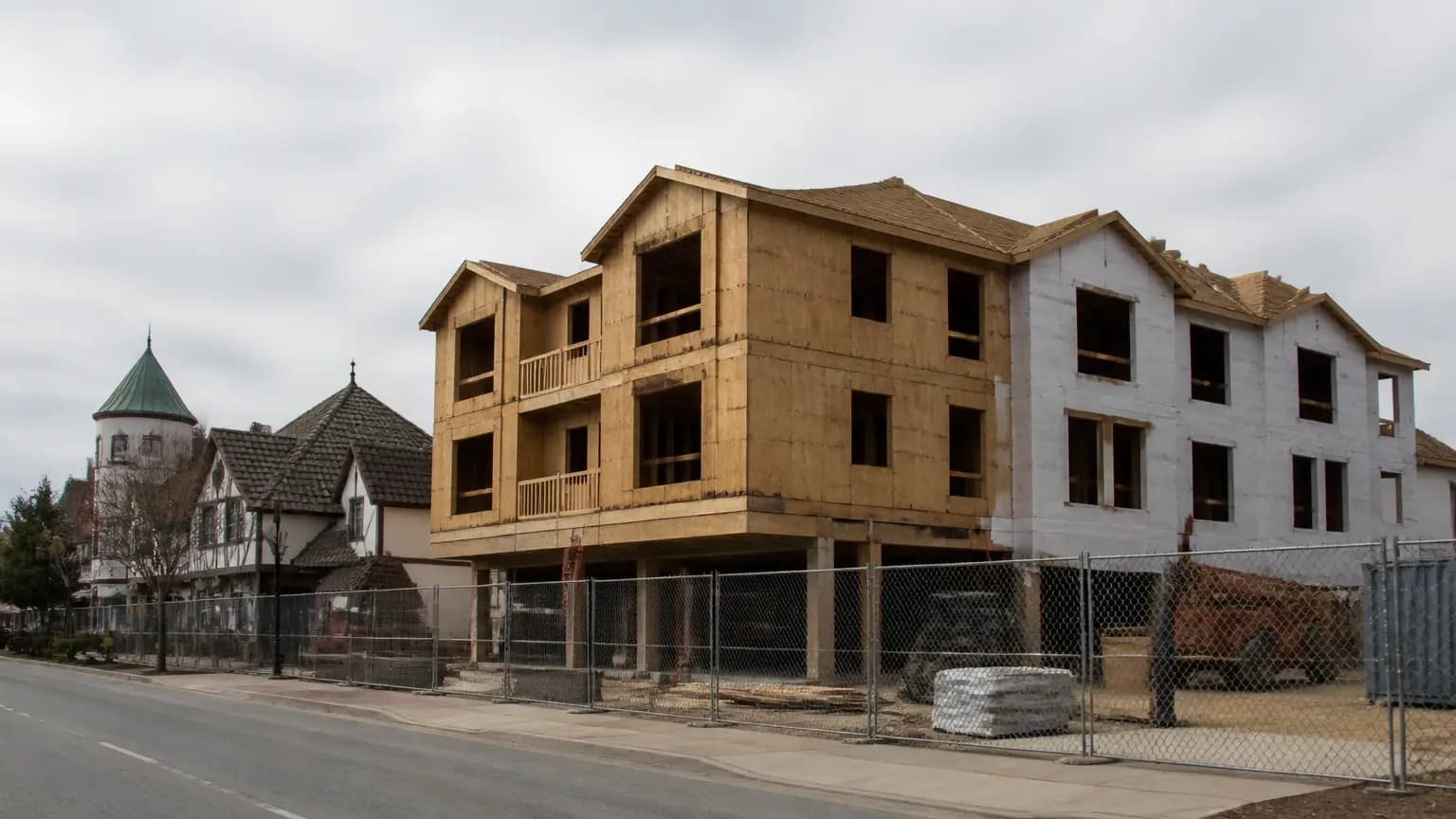
Driving through Solvang lately, you've probably noticed that half-finished hotel sitting quiet near the village — and it looks like it'll stay that way for a while. Developer Ed St. George says he's not giving up, and honestly, his argument has some weight: at 90 percent complete, tearing it down feels like throwing away years of work and a whole lot of money. Still, a year of litigation means dust, fencing, and unanswered questions for a town that lives on visitors. Solvang's charm is its livelihood, and a stalled project on the edge of downtown affects nearby shops, property values, and how tourists see us. The Santa Maria Sun has been following this one closely, and we'll keep watching. What do you think — should the hotel get finished, or is it time to move on?
 Santa Maria
Solvang Teamsters strike moves into third week
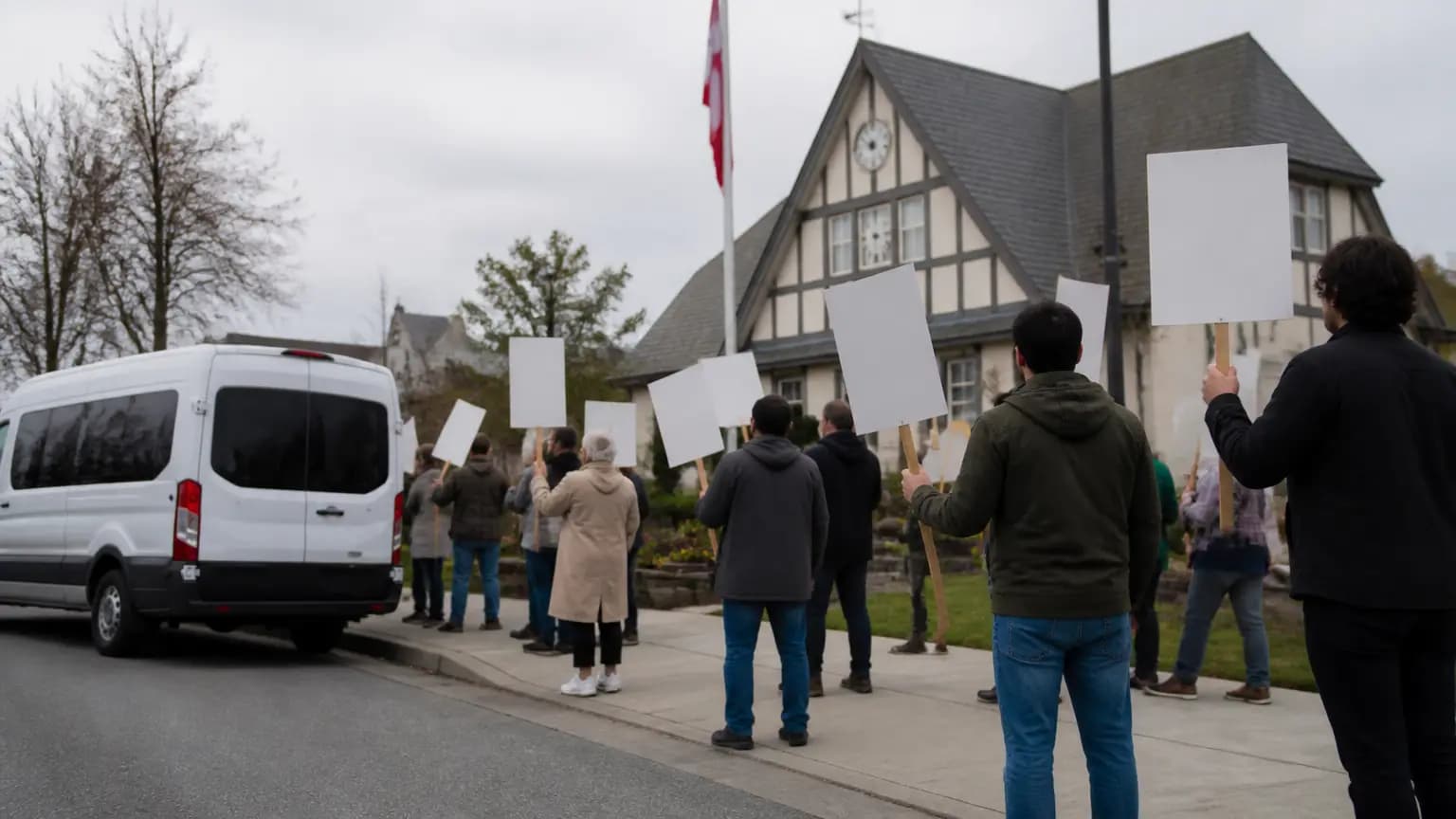
Solvang's first-ever city employee strike is now in its third week, and it's a milestone our Santa Maria Valley neighbors should be watching. Teamsters Local 986 members and city negotiators met in closed session with the City Council on Sept. 28, but no deal came out of it — and the workers kept their promise to stay on the picket line until they get a contract they can ratify. Solvang may be known for its Danish charm and weekend tourists, but the people keeping the city running are our Central Coast neighbors, many of whom commute from Santa Maria and the surrounding valley. A prolonged strike can touch everything from permits to park maintenance to services visitors and locals count on. The Santa Maria Sun has been tracking this closely, and we'll keep an eye on it too. Here's hoping both sides get back to the table soon — small towns work best when everyone's pulling together.
 Santa Maria
No deal: Solvang staffers strike after rejecting City Council’s ‘last, best, and final’ pay raise offer
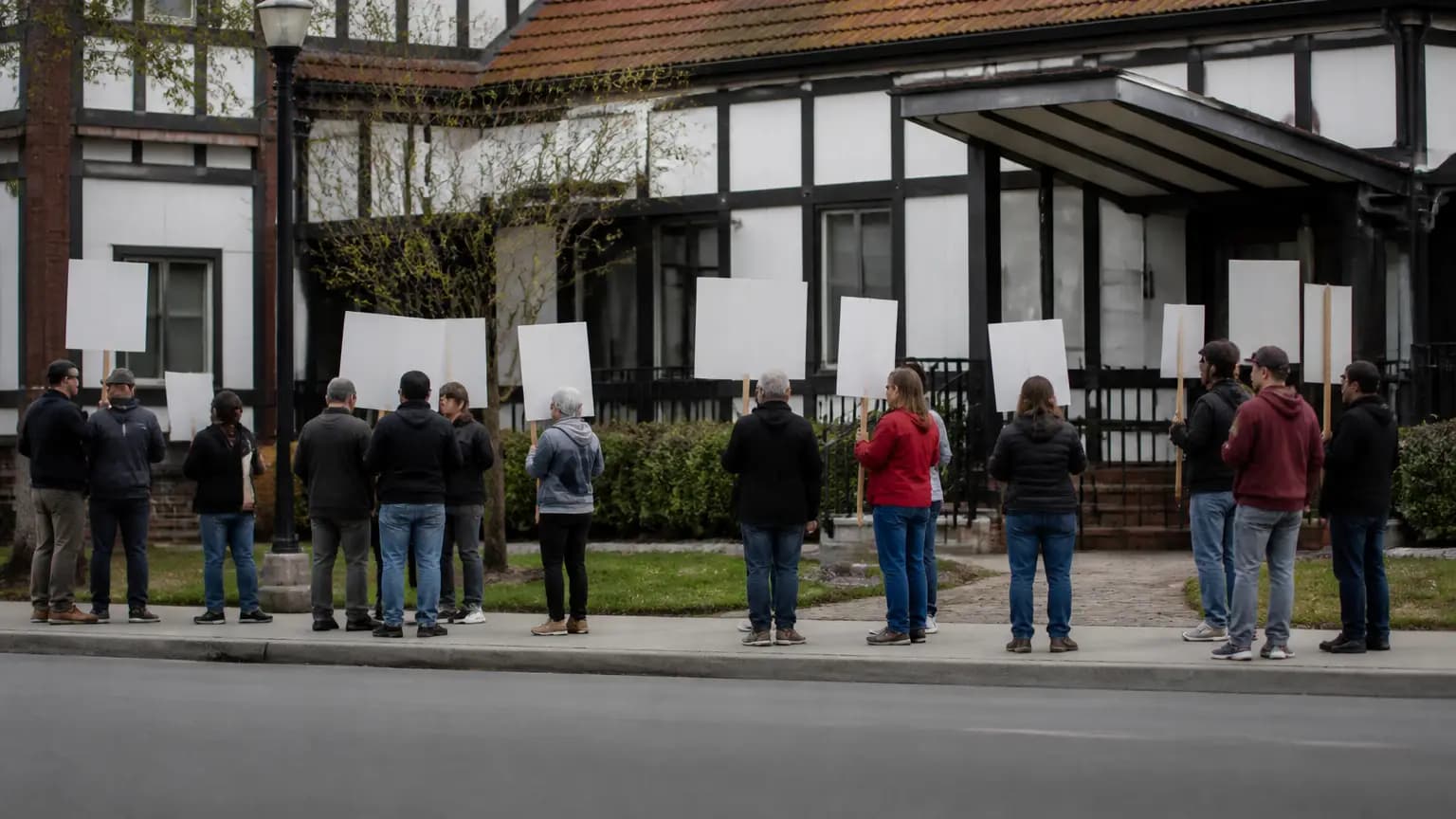
Solvang city workers made history this month — and not the charming Danish-village kind. About 30 unionized employees, including engineering technician Cole Phillips, walked off the job Sept. 15 after rejecting the City Council's "last, best, and final" pay offer. It's the first labor strike in Solvang's history, and it's a big deal for a small town where city staff keep the wheels turning. For those of us here in Santa Maria and across the 805, this is a reminder that the folks behind the counter at city hall, fixing our streets, and processing our permits are neighbors with bills to pay. When a city and its workers can't agree, residents feel it too — in slower services and a workforce that feels undervalued. The Santa Maria Sun has been following the standoff closely. Wherever you land on the politics, it's worth watching how this plays out up the valley. Small-town labor fights don't stay small for long.