Farm to tax table: County supervisors erase Lompoc farm’s five-figure tax debt for farmstay operation
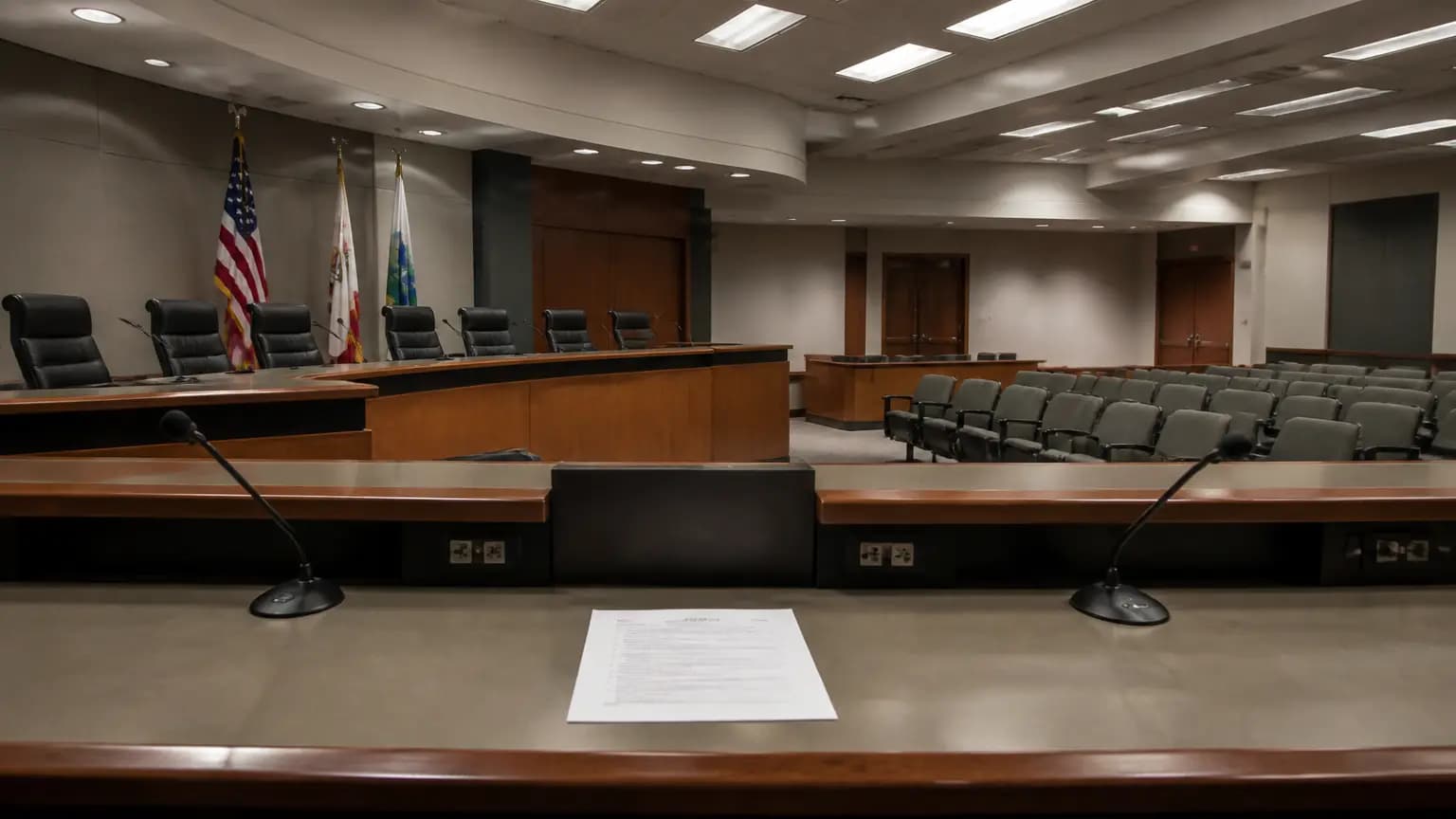
A Lompoc egg farm at the center of a months-long tax dispute is getting a fresh start after the Santa Barbara County Board of Supervisors voted 3-2 in late August to erase roughly $65,000 in unpaid transient occupancy taxes, interest, and penalties tied to its farmstay business.
The decision clears a five-figure liability that owners Megan and Jeremy Raff said could have ended Dare 2 Dream Farms' operations — and it closes a chapter on a debate that split the board over fairness, precedent, and how the county itself contributed to the confusion.
What the board decided
At an Aug. 25 meeting, 3rd District Supervisor Joan Hartmann, 5th District Supervisor Steve Lavagnino, and 2nd District Supervisor Laura Capps voted to forgive the debt in full, while Supervisors Bob Nelson and Roy Lee said during deliberations they would vote against any motion erasing the bill, according to the Santa Maria Sun.
The roots of the dispute stretch to a county audit that found the Raffs failed to pay about $50,000 in transient occupancy tax — commonly known as TOT or a bed tax — between April 2022 and March 2025. The tax applied to overnight farmstay experiences the couple books through short-term rental platforms such as Airbnb, with guests choosing among an on-site trailer, an Airstream, and a guest house-style unit. Interest and penalties pushed the total bill to roughly $65,000.
At the board's July 7 hearing, the owners argued they hadn't withheld the taxes willfully. Rather, they said, farmstays occupied a regulatory gray zone: some municipalities nationwide don't charge TOT on farmstays at all, and Santa Barbara County lacked clear rules until its Agriculture Enterprise Ordinance took effect in early 2025.
"They were caught, I think, in a catch-22 situation," Hartmann said at the Aug. 25 meeting, describing the alternative as "putting a small working farm out of business over a compliance gap that, to some extent, we created."
The precedent debate
The vote didn't come easily. All five supervisors agreed the farm is a community asset, but Nelson, Lee, and initially Capps expressed concern that forgiving the debt would invite a wave of similar appeals — a worry that hung over two lengthy hearings this summer.
Lavagnino pushed back on that framing at the July 7 meeting, arguing each appeal turns on its own facts. "If the next person comes in and says, 'Well, I don't want to pay my taxes,' you better have a freaking story as good as this one, [or] you're going to pay," he said.
Hartmann pointed to what she called "quantifiable public benefits" in laying out grounds for relief, including the farm's honor-system farm stand, weekly produce donations to local nonprofits such as Veggie Rescue, and its ability to accept SNAP payments for fresh groceries. "If we could grant relief, it really needs to rest on a finding that a public benefit exists," she said.
Capps, who said she had doubts from a policy perspective, ultimately deferred to Hartmann. "Supervisor Hartmann represents the area, and she knows firsthand the community benefit that farm provides," Capps told the Sun. "She was so passionate in her advocacy for this forgiveness."
A regulatory gap the county helped create
Central to the farm's appeal was timing. During the multi-year development of the county's Ag Enterprise Ordinance — the framework that finally gave agricultural tourism operations clearer rules when it took effect in early 2025 — county leaders at one point discussed writing a separate ordinance specifically for farmstays to distinguish them from conventional short-term rentals, Megan Raff told the Sun.
That standalone farmstay policy never materialized, so farmstays defaulted into the county's broad definition of hotel use — a classification the Raffs said left them unsure how the rules would ultimately apply, so they held off paying while the ordinance took shape.
Jeremy Raff said that had he known he could pay the taxes "under protest" while the ambiguity was resolved — preserving the right to a refund — he would have done so. "I didn't think we'd have to pay for the back months that it was in regulatory compliance, and I should have paid those under protest, but I didn't know the concept," he told the Sun at the farm stand on Sept. 9.
When the audit bill arrived, the couple asked county staff about a quarterly payment plan. Staff confirmed that wasn't an option outside of the balance continuing to accrue interest.
Hartmann, who described herself as "usually a real hard-liner" on such matters, said the case was different: "Ignorance of the law is no excuse, but we're dealing with people who … this isn't their main line of business."
Why it matters in Santa Maria
The Lompoc Valley sits just over the hills from Santa Maria, and the case carries weight for the wider 805 agricultural community, where farmstays, farm stands, and agri-tourism have become supplemental revenue streams that help small operations survive slim farming margins. For hosts across the county, the episode is a reminder that overnight rentals — even trailers and Airstreams on working farms — carry TOT obligations once the rules are settled.
The practical takeaway for local operators: the Ag Enterprise Ordinance now provides the framework that was missing during 2022 through 2025, and paying disputed taxes under protest can preserve appeal rights while regulatory questions are worked out.
For the Raffs, the board's vote means the family farm — chickens, honor-system farm stand, and all — keeps operating without a five-figure cloud overhead. As Lavagnino put it in July, future appellants hoping for the same outcome had better come with a story as good as theirs.
Reported by 805.life
Researched and written drawing on primary sources. Additional reporting: Santa Maria Sun.
City
Santa MariaAdditional Reporting
Santa Maria SunPublished
September 17, 2026
Reported and written by 805.life
Explore Santa MariaAll Santa Maria NewsMore News from Santa Maria
 Santa Maria
No deal: Solvang staffers strike after rejecting City Council’s ‘last, best, and final’ pay raise offer
Solvang city workers made history this month — and not the charming Danish-village kind. About 30 unionized employees, including engineering technician Cole Phillips, walked off the job Sept. 15 after rejecting the City Council's "last, best, and final" pay offer. It's the first labor strike in Solvang's history, and it's a big deal for a small town where city staff keep the wheels turning. For those of us here in Santa Maria and across the 805, this is a reminder that the folks behind the counter at city hall, fixing our streets, and processing our permits are neighbors with bills to pay. When a city and its workers can't agree, residents feel it too — in slower services and a workforce that feels undervalued. The Santa Maria Sun has been following the standoff closely. Wherever you land on the politics, it's worth watching how this plays out up the valley. Small-town labor fights don't stay small for long.
 Santa Maria
Tie vote blocks Lompoc from censuring Steve Bridge
Lompoc's city council spent three hours on Sept. 15 wrestling with whether to censure one of their own, Councilmember Steve Bridge — and in the end, a tie vote meant the censure failed. Bridge's own appeal to the room was simple: remember the oath everyone stands and recites before every agenda, the same words our kids learn in kindergarten. Censure is a symbolic move, but symbols matter in small-town politics. It's the council's way of saying a colleague crossed a line, even when there's no formal punishment attached. A tie means half the dais wasn't willing to go there, and that split says as much about Lompoc's leadership as any resolution could. The Santa Maria Sun has the full account of that long meeting. For those of us up and down the 805, it's a reminder to keep an eye on our own councils — the local decisions that shape our towns often get decided by a single vote.
 Santa Maria
Santa Maria denies movie theater alcohol sales
Santa Maria moviegoers hoping to pair a cold one with their blockbuster will have to keep waiting. On Sept. 16, city planning commissioners turned down a proposal that would have let local theaters sell alcohol, making us the holdout while 55 other Regal cinemas across California already pour drinks alongside the popcorn. Commissioner Tim and others gave it a fair look, weighing the possible boost to our local cinema scene against the concerns that come with mixing booze and a dark room full of strangers. It's a very Santa Maria debate, honestly — we tend to be cautious about change, and that's not always a bad thing. The Santa Maria Sun first reported the decision, and it's worth a read if you want the full back-and-forth. So for now, it's soda and candy at the concession stand. Whether that keeps our theaters family-friendly or just keeps them losing ground to Atascadero and SLO, only time will tell. What do you think, neighbors?