Feds Moving at Full Throttle to Reverse Roadless Rule Protecting National Forests
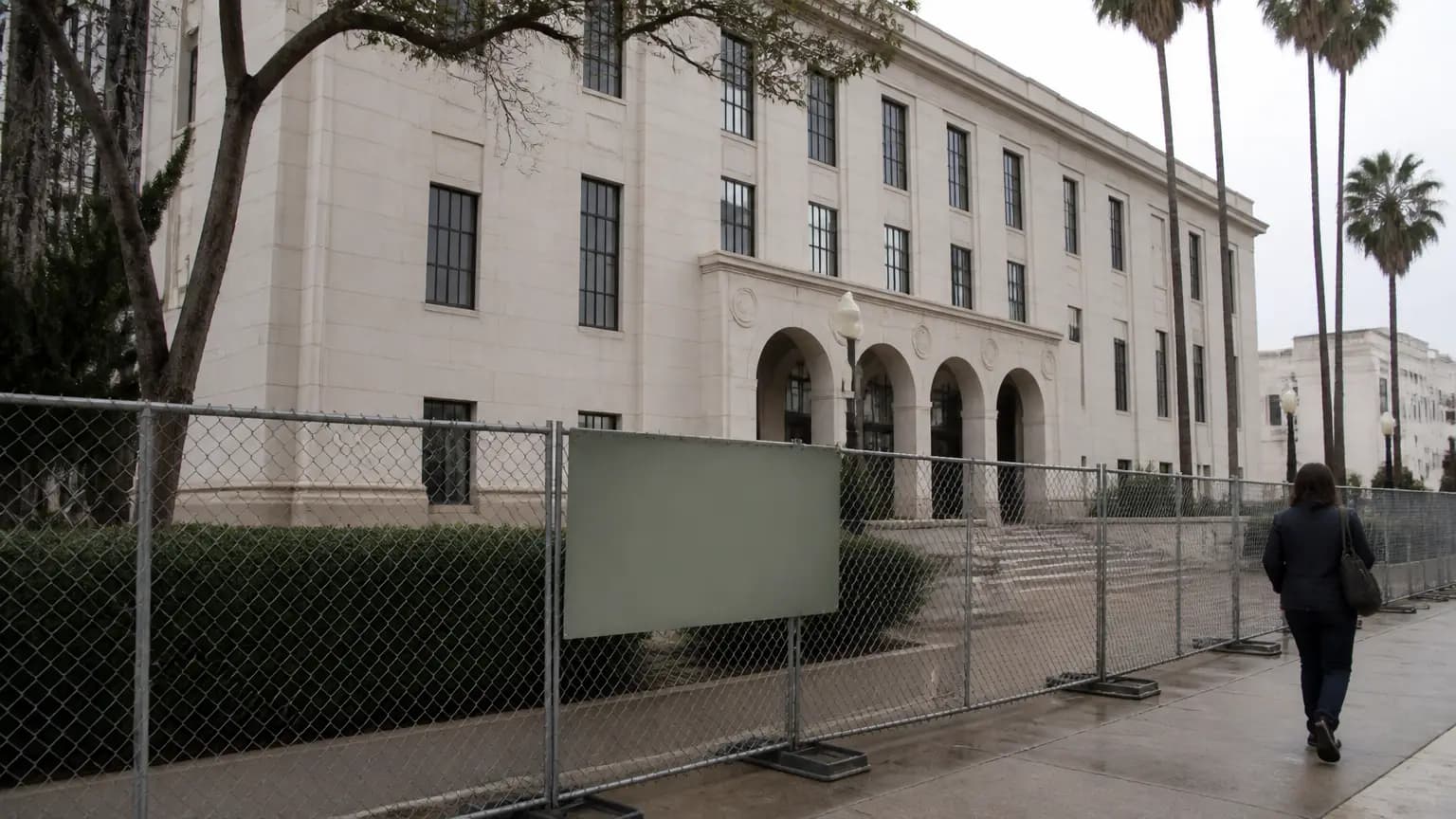
A quarter century of federal protection for the backcountry of California's Central Coast is now officially in the federal government's crosshairs. On Tuesday, August 18, the U.S. Department of Agriculture filed a proposed rule to rescind the 2001 Roadless Area Conservation Rule in its entirety — a move that conservationists say could open 635,000 remote acres of Los Padres National Forest to logging and roadbuilding.
The Santa Barbara Independent first reported the story on Friday, noting that the threat, long anticipated by environmental groups, is now materializing through a formal rulemaking process.
For Santa Barbara residents, the stakes are tangible. The Los Padres National Forest — which stretches across nearly two million acres from Monterey County down through the Santa Barbara backcountry and into Ventura — supplies a substantial share of the region's watershed, shelters old-growth habitat, and anchors the outdoor recreation economy of the Santa Ynez Valley and beyond.
What the Roadless Rule Protects
The Roadless Area Conservation Rule, adopted in 2001 after a two-year public process, prohibits road construction and most logging on 59 million acres of national forest land nationwide. Within Los Padres National Forest, that protection covers roughly 635,000 acres of remote backcountry — steep, roadless terrain that includes some of Southern California's least fragmented wildland.
The rule was forged through one of the most extensive public engagement processes in federal land management history: more than 1.5 million public comments and over 430 public hearings preceded its adoption, the Independent reported.
Conservation groups note those roadless lands serve multiple functions — wildlife corridors connecting the Coast Range, clean headwaters feeding local water supplies, and quiet recreation country for hunters, anglers, hikers, and equestrians.
A Process Critics Call Stacked
The contrast between how the rule was adopted and how it would be undone is drawing sharp criticism. The USDA is holding zero public hearings on the rescission and allowing just 30 days for public comment — a window that closes at midnight on September 21, according to the Independent.
An analysis by the Center for Western Priorities found that more than 99 percent of public comments submitted during an earlier phase of the process opposed the administration's effort to rescind the rule.
"I've been doing this work for 20 years, and I have never been involved in a campaign with such a broad gap between what is happening at the decision level and what the public actually wants," Mary Lunetta of the Sierra Club's California chapter told the Independent.
USDA Secretary Brooke Rollins, whose intent to revoke the rule has been on conservationists' radar for more than a year, defended the proposal. "For too long, outdated restrictions have kept tens of millions of forested acres off-limits to the very treatments that improve forest health and reduce wildfire risk to our communities," she said in the USDA's announcement. The agency describes the rule as a "one-size-fits-all" restriction that frustrates local land managers, and argues that restoring authority to forest supervisors will enable both wildfire mitigation and what it calls responsible timber management.
Wildfire Claims Under Scrutiny
The wildfire argument is central to the USDA's case — and it's the one drawing the most pushback from both conservation groups and forest staff. Wildfire prevention work and fuel reduction projects already occur in roadless areas, and firefighters in Los Padres National Forest are still able to reach remote areas to fight fires, according to conservation groups and Los Padres forest staff cited by the Independent.
The data, critics say, points the other direction. A Wilderness Society study drawing on 30 years of records found wildfires are roughly four times more likely to ignite in roaded areas than in roadless forest tracts. And policy analysts at Frontier Group, citing Forest Service and national fire agency data, found that fewer than 1 percent of wildfires in the lower 48 states since 2010 started in roadless areas of national forests.
Benjamin Pitterle, advocacy director for Los Padres ForestWatch, characterized the rescission as President Donald Trump's "gift to the logging industry" and part of a broader administration agenda to industrialize public lands. "Logging remote, old-growth forests doesn't protect communities from wildfire," Pitterle said. "These areas are precious precisely because they remain largely intact and unfragmented."
What Comes Next for the Central Coast
The immediate next step is the public comment period. Comments on the proposed rule and its draft environmental impact statement must be submitted through Regulations.gov by midnight on September 21, with related information posted on the Forest Service Roadless Areas webpage.
After the comment window closes, the USDA will finalize the rule and environmental review — a step almost certain to face litigation. Environmental organizations including Los Padres ForestWatch and the Sierra Club have signaled readiness to challenge a final rescission in court, and legal fights over prior roadless-area exemptions, such as Alaska's Tongass National Forest, suggest any rollback would take years to resolve.
In the meantime, local conservation groups are mobilizing comment campaigns focused on the Central Coast's roadless acreage. The 635,000 acres at stake in Los Padres represent a significant share of the remaining wild backcountry within a day's drive of Santa Barbara — land that, under current law, remains unroaded and largely unlogged.
Residents who drink water originating in forest headwaters, hike the Dick Smith and San Rafael wilderness fringes, or hunt and fish in the forest's remote reaches have until September 21 to weigh in. After that, the decision moves from the public square to the courts.
Reported by 805.life
Researched and written drawing on primary sources. Additional reporting: Santa Barbara Independent.
City
Santa BarbaraAdditional Reporting
Santa Barbara IndependentPublished
August 21, 2026
Reported and written by 805.life
Explore Santa BarbaraAll Santa Barbara NewsMore News from Santa Barbara
 Santa Barbara
Selby’s Circles: Art & Nature in Romantic Britain Exhibition Opens October 9
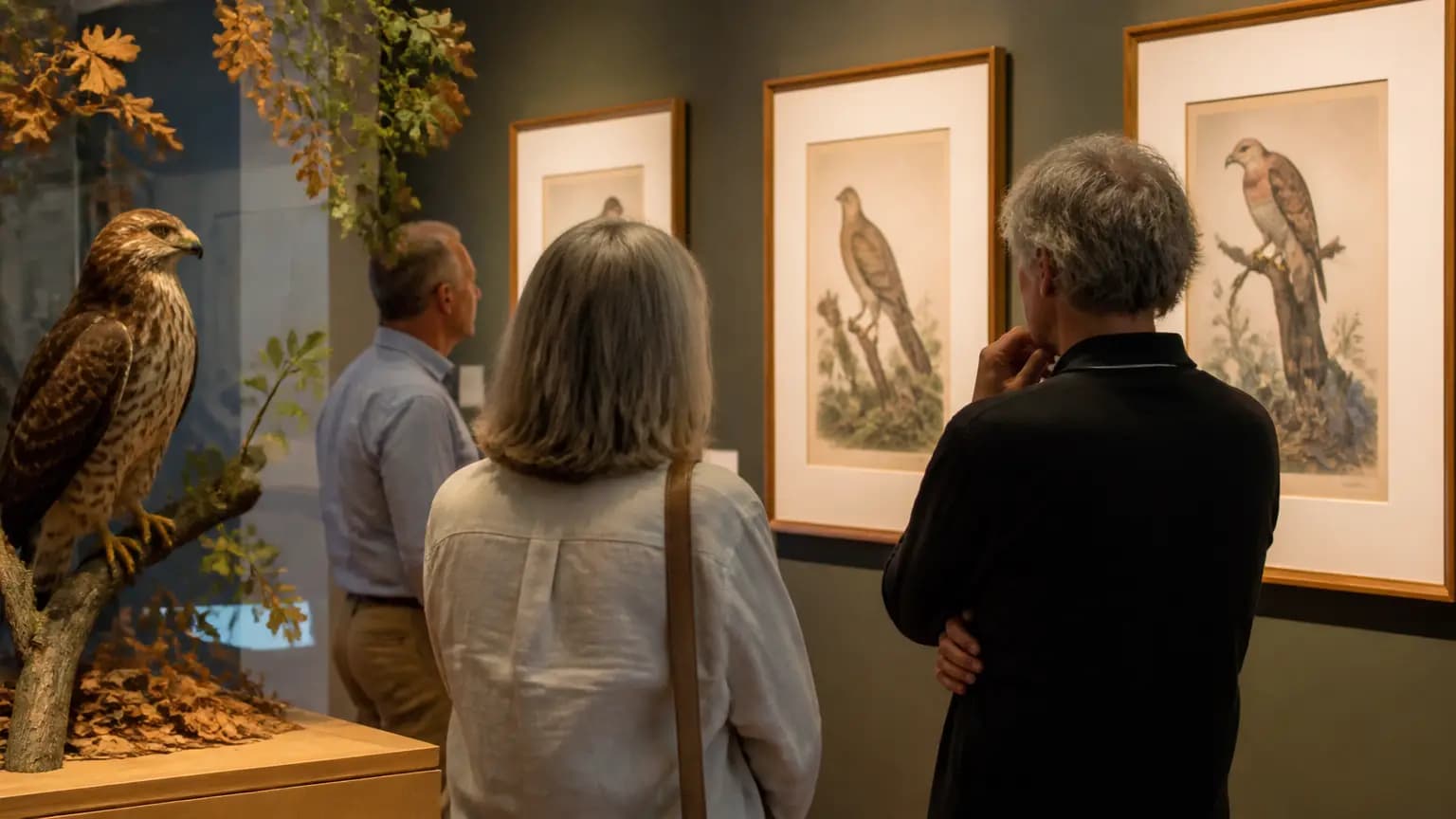
Santa Barbara just landed something genuinely rare: the first museum exhibition ever devoted to Prideaux John Selby, the 19th-century British naturalist and artist whose hand-colored bird plates helped shape how Romantic-era Britain saw the natural world. It opens October 9 at the Santa Barbara Museum of Natural History, and honestly, it feels like a perfect fit for a town that's equal parts science and coastline. What I love is the local angle. We live in a place where people have been sketching, cataloging, and obsessing over birds for generations — from Audubon-minded amateurs to the birders crowding the Andree Clark Bird Refuge on a Saturday morning. Selby's circles were artists, scientists, and friends trading ideas about nature, which is basically what our own community does every day. The Santa Barbara Independent flagged the opening, so mark your calendar. Take the kids, take a sketchbook, take your curiosity. It's the kind of quiet, beautiful exhibit that reminds us why we live here.
 Santa Barbara
Santa Barbara festival puts environmental issues on display
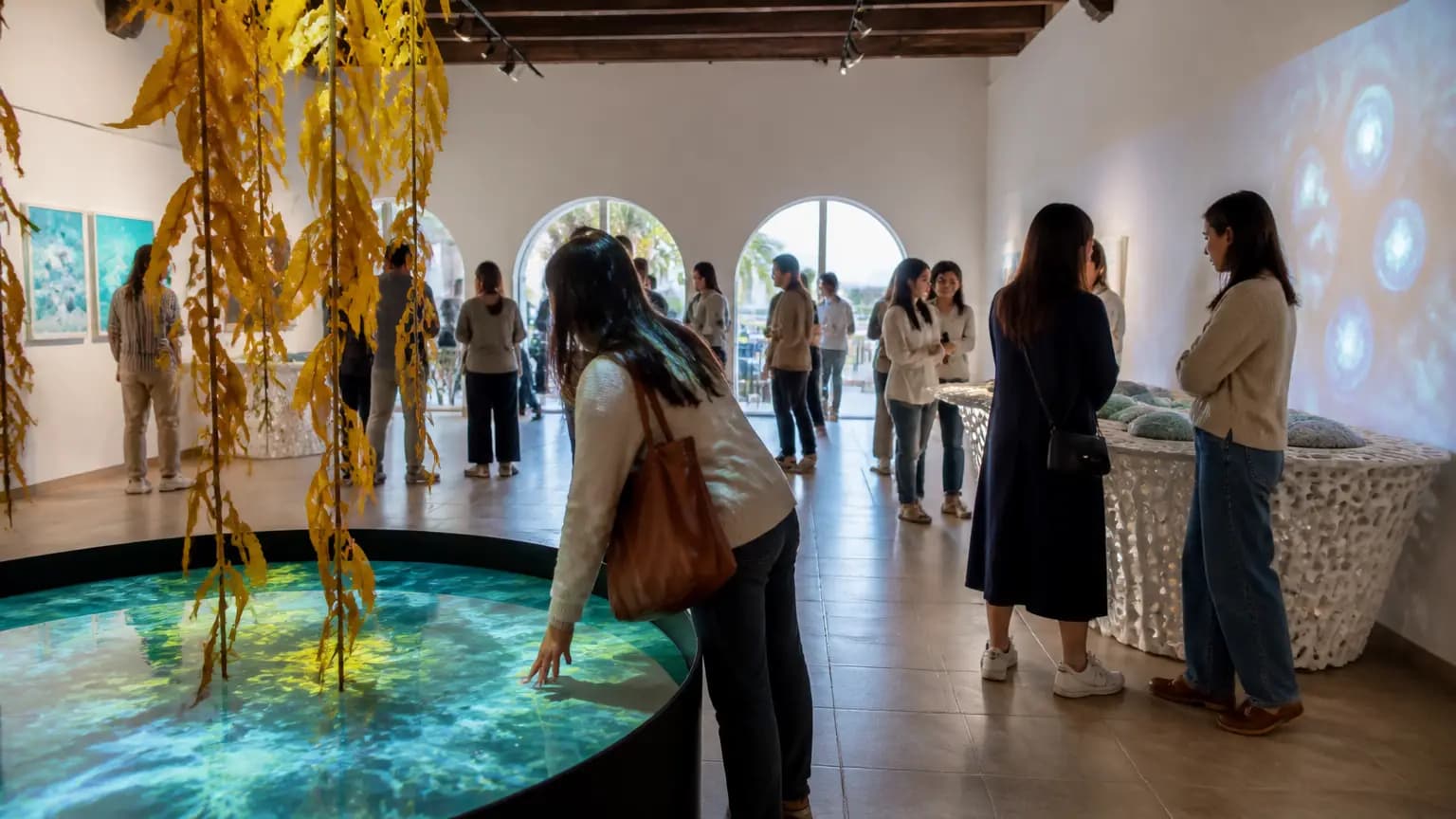
Santa Barbara is showing us a smarter way to talk about climate change — through art you can actually walk into. "Brave New Work" pairs local artists with researchers, turning dry data into installations and interactive pieces you can see, touch, and explore. It's the kind of thing that makes the science hit differently than another chart ever could. As KEYT News Channel 3-12 reports, the festival is all about helping neighbors better understand the environmental shifts happening right here on our coastline — from warming oceans to wildfire risk. That matters in the 805, where so many of us live close to the land and sea we're trying to protect. So round up a friend and go wander through it. This is Santa Barbara at its best: curious, creative, and willing to look hard truths in the eye. Let's support the artists and scientists doing the work.
 Santa Barbara
Santa Barbara Sister Cities 70th International Dinner Held in Tandem with Toba Japan 60th Anniversary Celebration
Santa Barbara's sister-city ties just got a little warmer — and a lot more delicious. The 70th International Dinner brought together members from all six of our sister cities, each sharing dishes from their home countries, while we also marked 60 years of friendship with Toba, Japan. That's six decades of exchange students, cultural swaps, and quiet diplomacy that most of us never see but all of us benefit from. If you've ever hosted a visitor from Toba, studied abroad through the program, or just wondered why our city feels so globally minded for its size, this is why. The Santa Barbara Independent reports the evening drew a strong turnout, and honestly, that checks out — our town shows up for food and friendship. Keep an eye on the Sister Cities Association if you'd like to get involved. These relationships don't maintain themselves, and the next generation of hosts and travelers is already needed.