Fire threatens T.O. neighborhoods
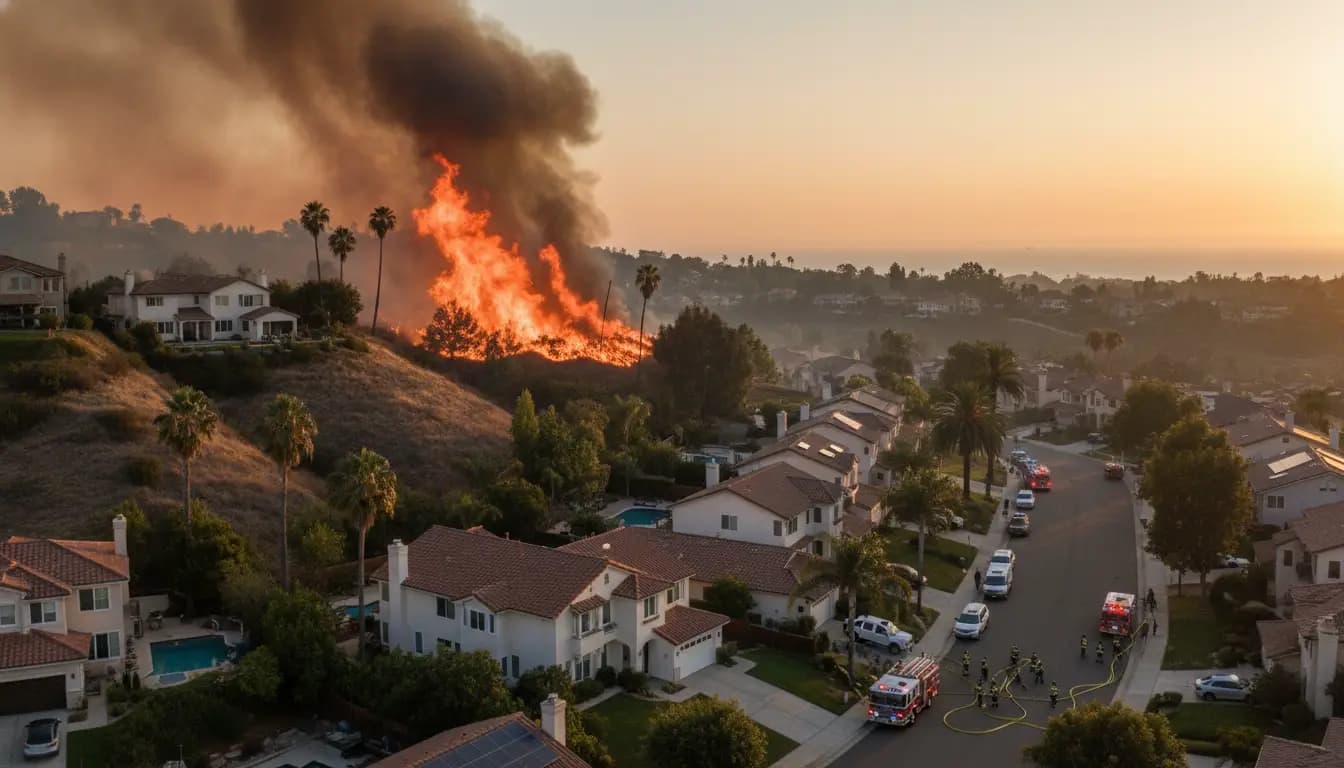
Fast-Moving Blaze Forces Thousands to Evacuate
The Sandy Fire erupted on May 18 in the hills above Simi Valley, forcing evacuation orders for nearly 44,000 residents and prompting warnings for thousands more in Thousand Oaks neighborhoods. The wind-driven blaze started around 10:45 a.m. near Sandy Avenue and quickly spread across rugged terrain toward multiple communities.
In Thousand Oaks, evacuation warnings were issued for the Lang Ranch, Verdigris, Eagle Ridge, and Woodridge neighborhoods, according to the Ojai Valley News. Additional warnings covered homes near the east end of Sunset Hills Boulevard and the Lang Ranch area near the Chumash Indian Museum, the Thousand Oaks Acorn reported.
Containment Efforts Protect Critical Areas
Nearly 900 firefighters battled the blaze using bulldozers, hand crews, and night-flying helicopters in challenging conditions. Fire officials focused operations on preventing the fire from advancing toward the Santa Susana Field Laboratory area, Bell Canyon, Lang Ranch, Sunset Hills and Oak Park.
The fire ultimately burned over 2,000 acres and destroyed at least one home on Trickling Brook Court in Simi Valley, according to the VC Reporter. No injuries were reported.
Cause Under Investigation
Investigators from the Ventura County Fire Department and Cal Fire continue probing the fire's cause. Reports circulated that a tractor striking a rock while mowing brush may have ignited the fire, though officials cautioned that no official cause has been confirmed.
Simi Valley police received a call around 10:17 a.m. from someone reporting they had hit a rock with machinery, according to Fox News. That spark quickly ignited the brush, which then expanded into the Sandy Fire.
Schools Closed, Residents Return Home
Simi Valley Unified School District evacuated students from Crestview Elementary School and Mountain View Elementary School to Simi Valley High School as a precaution. Schools remained closed through the Memorial Day holiday and reopened on May 26, according to city officials.
All evacuation orders were lifted by May 23, and the fire reached 90% containment by May 26. More than 100 firefighters remained on scene to identify and extinguish remaining hotspots in the rugged terrain.
Regional Cooperation Key to Success
Ventura County Fire Chief Dustin Gardner credited residents for preparing defensible space around homes and evacuating quickly when ordered. Gardner also praised mutual aid support from agencies across the region, including Los Angeles city and county fire departments.
The Federal Emergency Management Agency approved a Fire Management Assistance Grant to help reimburse firefighting costs, while Calleguas Municipal Water District provided aircraft access to the Lake Bard reservoir for water refills during suppression efforts.
Reported by 805.life
Researched and written drawing on primary sources. Additional reporting: Thousand Oaks Acorn.
City
Thousand OaksAdditional Reporting
Thousand Oaks AcornPublished
May 21, 2026
Reported and written by 805.life
Explore Thousand OaksAll Thousand Oaks NewsMore News from Thousand Oaks
 Thousand Oaks
A symphony of schools
There's something about a marching band that gets you right in the chest, and Thousand Oaks got a full dose of it on Sept. 26 at the 18th annual Sounds of Conejo field show exhibition. Bands from all over the region took over the Thousand Oaks High School field, and if you've never stayed for a finale where every participating band rushes the field together, put it on your calendar for next year — it's a wall of sound that feels like the whole Conejo Valley showing up at once. Eighteen years is no small thing. That's nearly two decades of local kids learning discipline, teamwork, and how to hold a formation under Friday night lights, and it's a tradition worth protecting. Thanks to the Thousand Oaks Acorn for spotlighting it. If you've got a band kid, a band alum, or you just love a good halftime show, keep an eye on 805.life for more local happenings like this one.
 Thousand Oaks
From decline to design
Some good news for our corner of the 805: after years of watching enrollment slip, Conejo Valley Unified may finally be catching its breath. The district reported 15,332 students this fall — just one fewer than last year — and board members say the long slide looks like it's hit pause. For Thousand Oaks families, that stability matters. Enrollment drives school funding, staffing and the programs our kids count on, so a leveling-off is worth paying attention to. As the Thousand Oaks Acorn reported, officials shared the numbers at the Sept. 3 board meeting and are hopeful the trend holds. It's a small sign, but a hopeful one for a community that values its schools. Here's to more classrooms full of neighbors' kids.
 Thousand Oaks
What San Jose drivers should know after a car accident
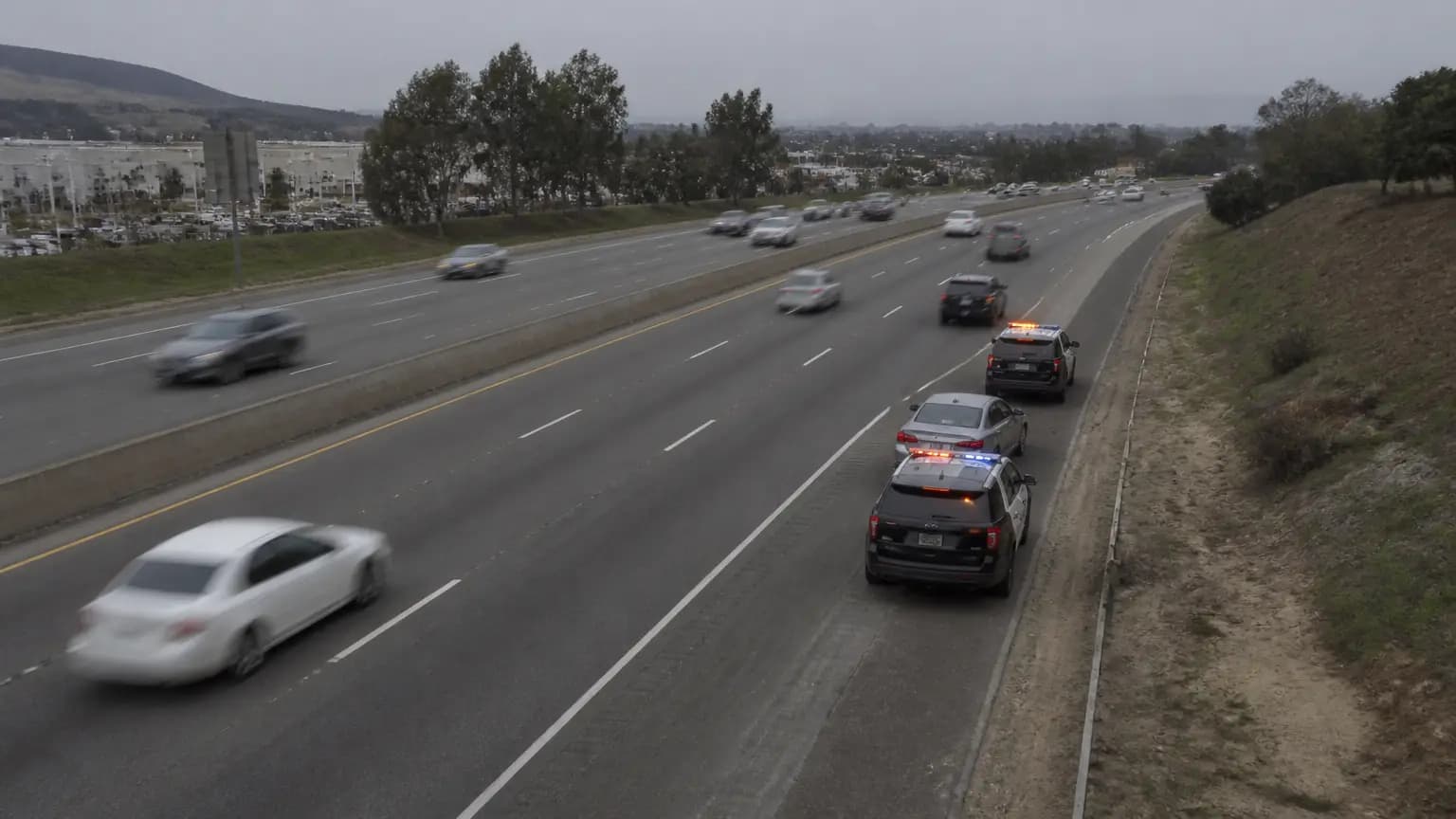
Neighbors, you may have seen the Thousand Oaks Acorn's recent piece on what San Jose drivers should know after a car accident, and it got us thinking about our own commutes here in the 805. Plenty of us log serious miles on the 101 and 23, and whether it's a fender-bender in Newbury Park or a pileup near the Thousand Oaks Auto Mall, knowing your rights under California law matters. The Acorn's report highlights how heavy Silicon Valley traffic fuels a steady stream of claims up north — a good reminder that our own roads get busy too, especially during rush hour and event nights at the Civic Arts Plaza. If you're ever in a crash, document everything, exchange info, and don't rush a settlement. Stay safe out there, Thousand Oaks. A little preparation goes a long way.