Growth is coming, let’s stop pretending otherwise
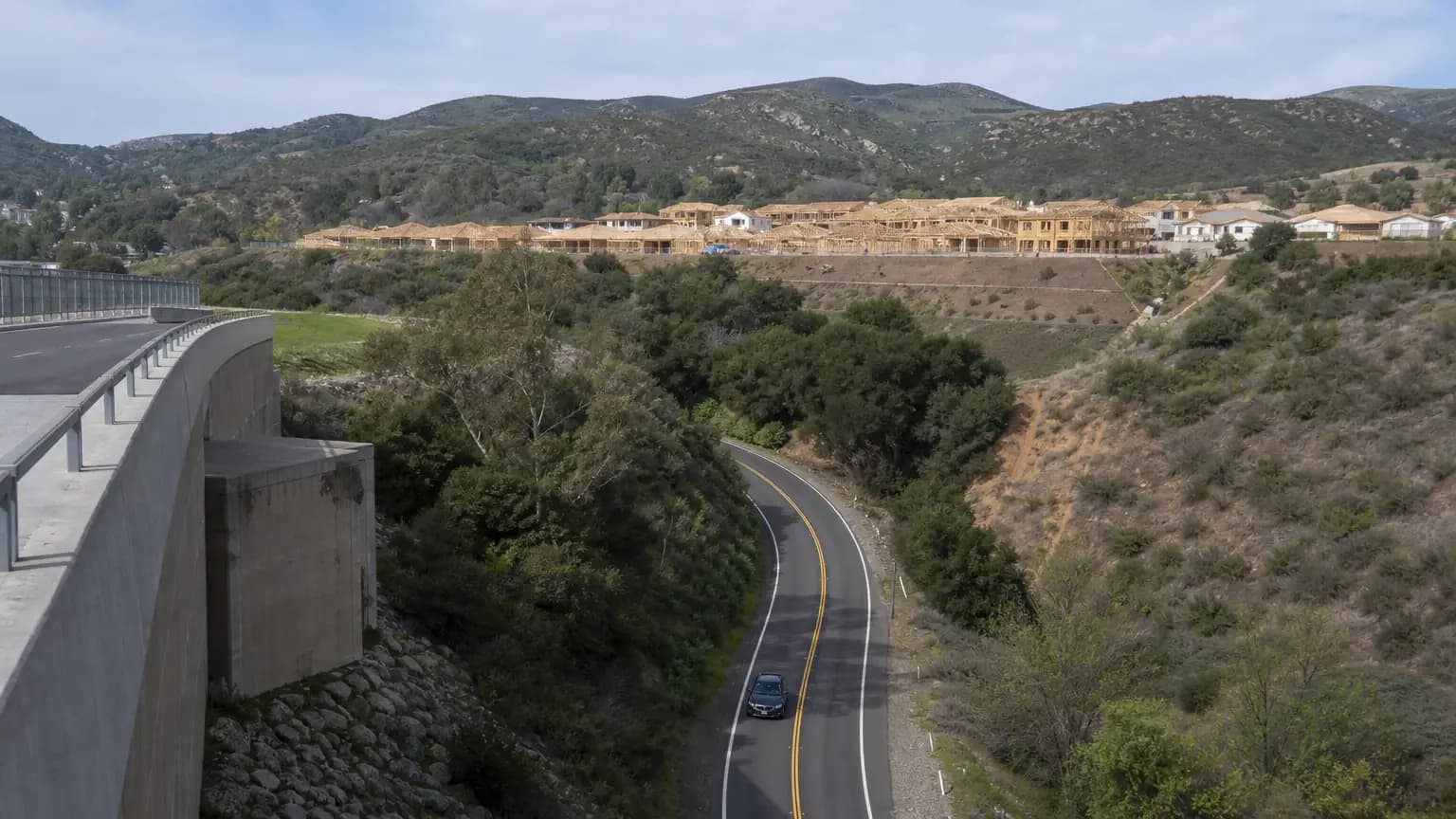
The conversation surrounding residential development in Agoura Hills is reaching a boiling point. As California continues to enforce strict housing mandates, the city finds itself caught between state legal obligations and impassioned local opposition. A recent editorial in The Acorn cut to the core of the issue, arguing that regardless of localized anxieties, growth is legally inevitable and that opposing it outright is no longer a viable strategy for the community.
The debate underscores a fundamental tension on the Central Coast and across the state: how to accommodate necessary residential expansion while navigating the legitimate, life-safety threats posed by the region's rugged, fire-prone geography.
The Reality of State Housing Mandates
At the heart of the matter is a legal reality that supersedes local preferences. California's housing laws require cities to plan for and accommodate their fair share of regional housing needs through the Housing Element of their general plans. The state has steadily stripped municipalities of the ability to simply say "no" to new residential projects, provided those projects meet specific zoning and affordability criteria.
Local officials in Agoura Hills are not independently driving a campaign to densely pack the city with apartment buildings. Rather, city planners and council members are largely bound by mandates handed down from Sacramento. For residents frustrated by the sight of new developments springing up along major corridors, the ultimate authority rests with state legislators, not necessarily the municipal dais.
Wildfire Concerns and the Palisades Memory
Anxiety over new development is deeply intertwined with wildfire safety, a concern that remains incredibly raw for residents in the 805 region and across the Santa Monica Mountains. The destruction witnessed during the 2025 Palisades fire left a lasting mark on Southern California, serving as a stark reminder of the vulnerabilities communities face when bordering open space.
For many residents, the prospect of adding hundreds of new housing units translates directly to congested evacuation routes during an emergency. They argue that local road networks simply cannot support a mass exodus during a fast-moving wildfire. Any proposed development in a very high fire hazard severity zone absolutely warrants intense scrutiny, particularly regarding whether current infrastructure can handle a worst-case scenario.
Legal Challenges from PRISMM
Pushing back against these developments is PRISMM (Protectors and Residents in the Santa Monica Mountains). The organization has maintained that its primary goal is not to halt residential development entirely, but rather to ensure that projects adequately and realistically address the region's extreme wildfire risks.
However, the group’s actions suggest a more aggressive stance against growth. Over recent years, PRISMM has repeatedly filed legal challenges against proposed housing projects throughout Agoura Hills, targeting developments along major arteries like Agoura Road and Kanan Road. These lawsuits force prolonged reviews, drive up the cost of construction, and delay state-mandated housing goals. This pattern of litigation has led some city advocates to ask a critical question: if not along already-developed corridors with established infrastructure, where exactly does the community believe new housing is acceptable?
Balancing Infrastructure and Safety
Despite the outcry from some opposition groups, city data and local planning perspectives suggest that Agoura Hills is well-equipped to handle measured growth. The area benefits from a comparatively strong road network, which, while it will inevitably experience friction during a mass evacuation, provides better capacity than the winding canyon roads of neighboring communities.
Emergency preparedness experts widely agree that no disaster unfolds flawlessly. Instead of relying solely on the false hope that blocking new housing will somehow create a perfectly safe environment, experts argue that long-term investments should focus on proactive mitigation. For Agoura Hills, this means aggressively funding vegetation management, enforcing home-hardening standards, and maintaining strict defensible space protocols to protect existing and future residents alike.
The Future Face of Agoura Hills
There is also a broader question of equity and community character at play. Many of the homeowners who vocally oppose new development today are the beneficiaries of the very suburban expansion that built Agoura Hills in previous decades. Excluding the next generation of workers—teachers, nurses, firefighters, and young professionals—runs counter to the spirit of a thriving community.
California’s systemic housing shortage simply cannot be resolved through endless litigation. Agoura Hills will not preserve its small-town charm by shutting its doors to future families; rather, it risks becoming an enclave accessible only to the wealthy. As the city moves forward, the most productive path for residents, officials, and developers will be collaborating to make state-required growth as safe, sensible, and community-enhancing as possible. Pretending the growth can be stopped is no longer an option.
Reported by 805.life
Researched and written drawing on primary sources. Additional reporting: The Acorn (Agoura Hills).
City
Agoura HillsAdditional Reporting
The Acorn (Agoura Hills)Published
July 23, 2026
Reported and written by 805.life
Explore Agoura HillsAll Agoura Hills NewsMore News from Agoura Hills
 Agoura Hills
Major 101 upgrade in the works
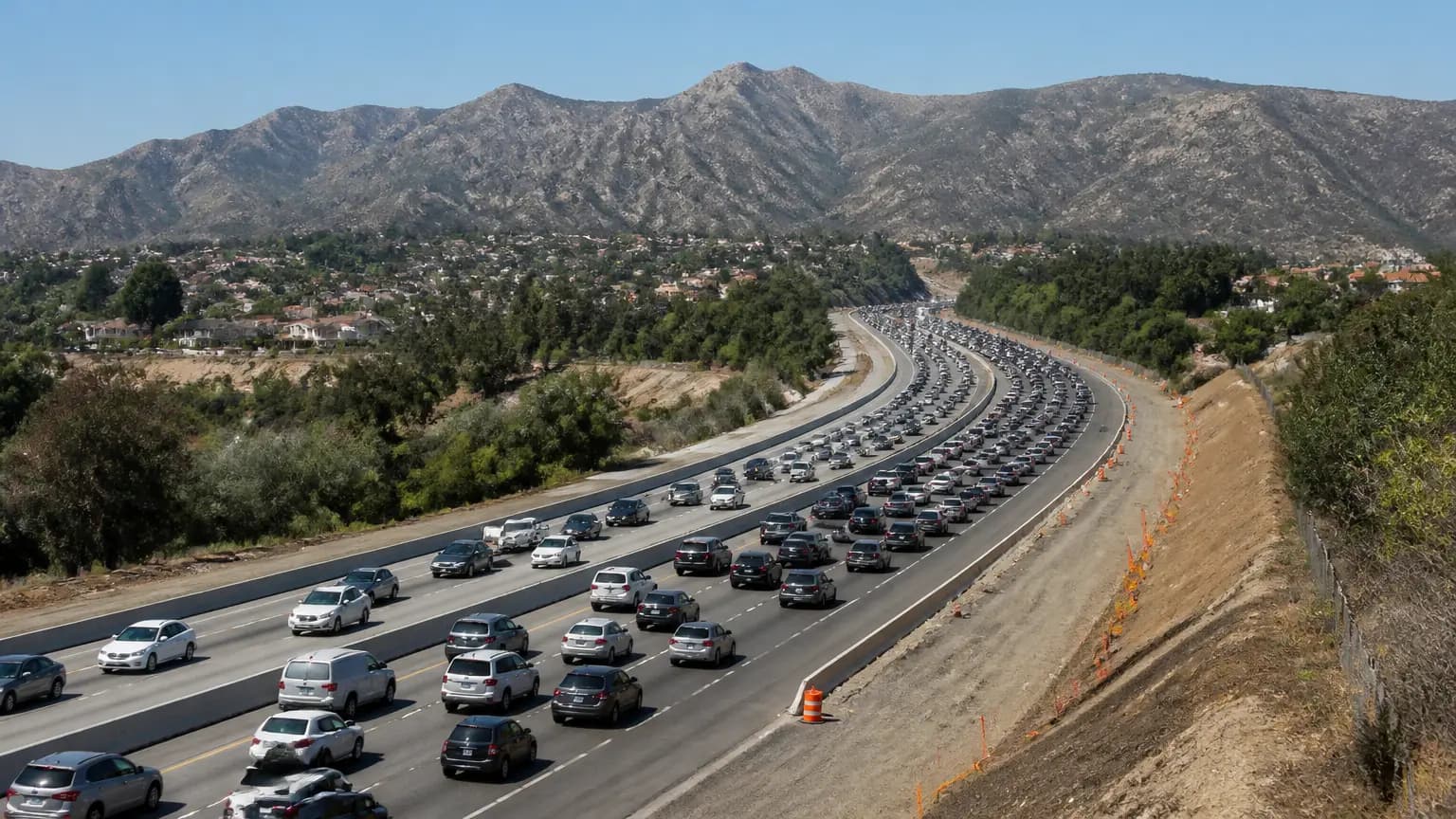
If you drive the 101 between Thousand Oaks and Ventura, you already know the drill: leave early, pray for a break in the backup, and still roll into work late. Well, there's finally some real movement on a fix. Amanda Fagan from the Ventura County Transportation Commission briefed the Thousand Oaks City Council on Sept. 15 about options for overhauling a 27-mile stretch of the 101. As The Acorn (Agoura Hills) reported, this is a decades-long project, so don't expect relief next month. But the conversation is happening, and "time reliability" is driving it. For those of us in the 805 who treat the 101 like a second home, this matters. It's the spine of the region, and it's been choking for years. Stay tuned, neighbors, and maybe, just maybe, we'll get our evenings back.
 Agoura Hills
Prominent Old Agoura entryway signs get much needed makeover
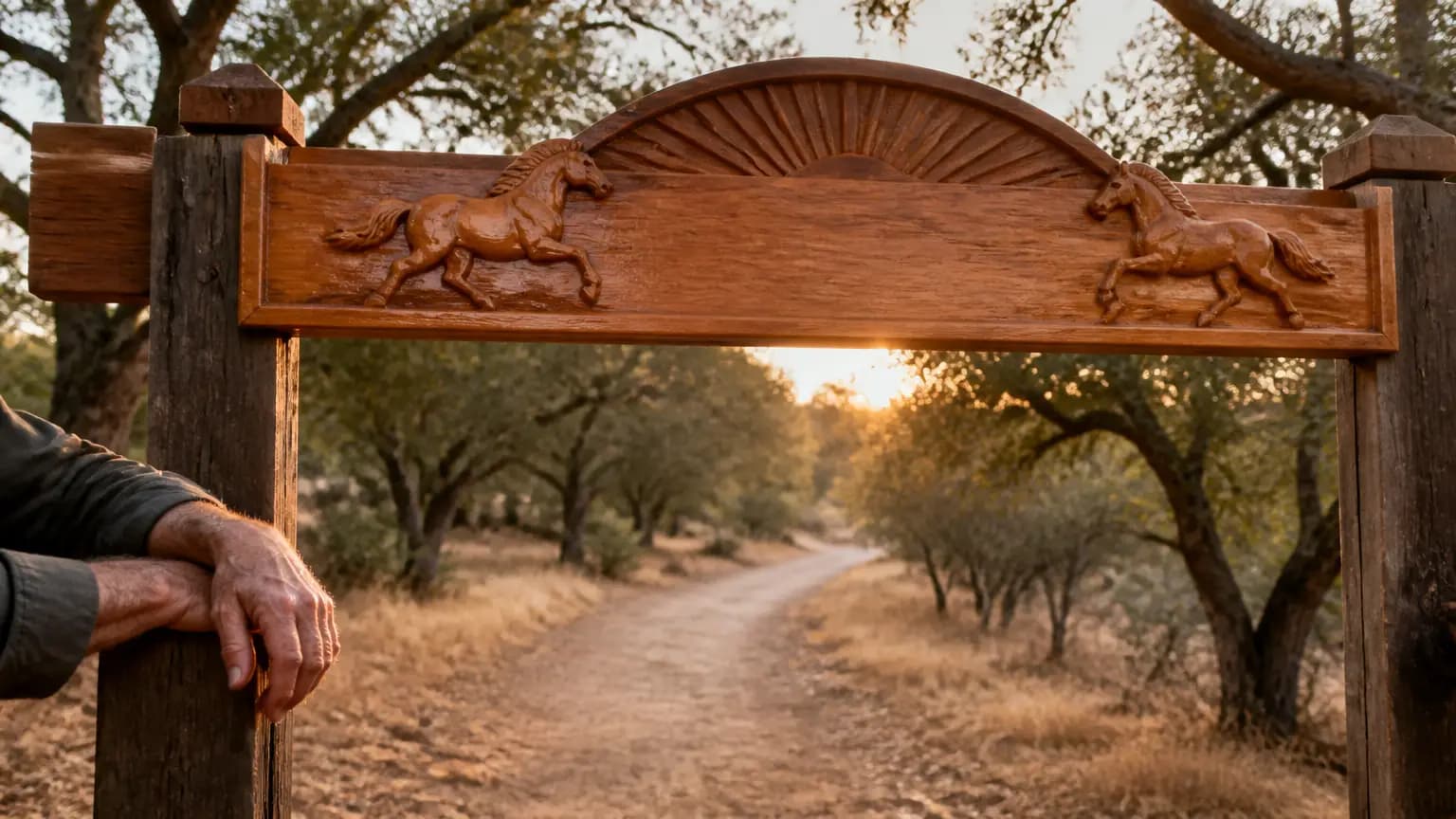
If you've driven into Old Agoura lately, you may have noticed those rustic entryway signs looking sharper than they have in years. Back in 1989, Ron Troncatty — then president of the Old Agoura Homeowners group — dreamed up a way to put the neighborhood's character into physical form. Now 77, he still sums it up perfectly: "We're a rustic, eclectic, rural community that is first and foremost equestrian. We love our dirt, hate concrete." That's Old Agoura in a nutshell — one of the oldest residential pockets in Agoura Hills, where horse trails outrank sidewalks and nobody's in a hurry to pave paradise. The signs at the neighborhood's entrances have always been more than markers; they're a handshake, a promise that you're entering someplace that refuses to lose its soul. So when The Acorn reports those signs got a much-needed makeover, it's worth a nod. Small fix, big meaning. Here's to the dirt, the horses, and the neighbors who keep Old Agoura exactly the way it was meant to be.
 Agoura Hills
Child suffers medical emergency at local elementary school, later dies
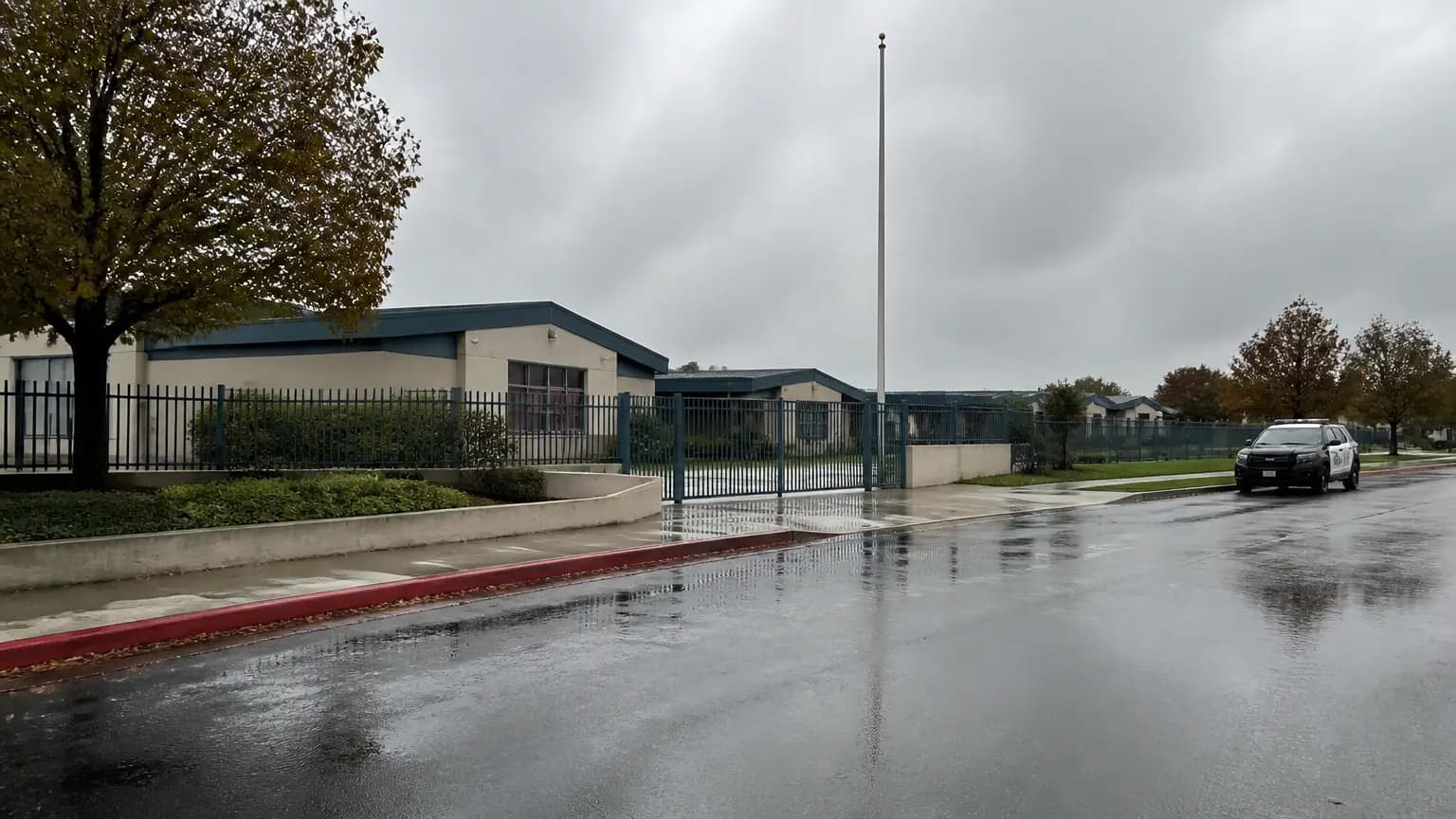
Word reached our corner of the 805 this week that a young child died after a medical emergency at Westlake Elementary in Thousand Oaks. Our hearts go out to that family, and to everyone on the campus who witnessed or responded to something no school community ever wants to face. It's a heavy reminder of how quickly an ordinary Tuesday can turn. Deputies say the child wasn't a student at the school, which only deepens the questions so many of us are holding. The Acorn first reported the news, and we'll keep following as officials share more. If you're a parent in Agoura Hills or anywhere nearby, hold your kids a little closer tonight. And if you see a first responder or school staffer this week, a simple thank-you goes a long way.