Historic ruling: Santa Maria judge says prosecutor violated Racial Justice Act
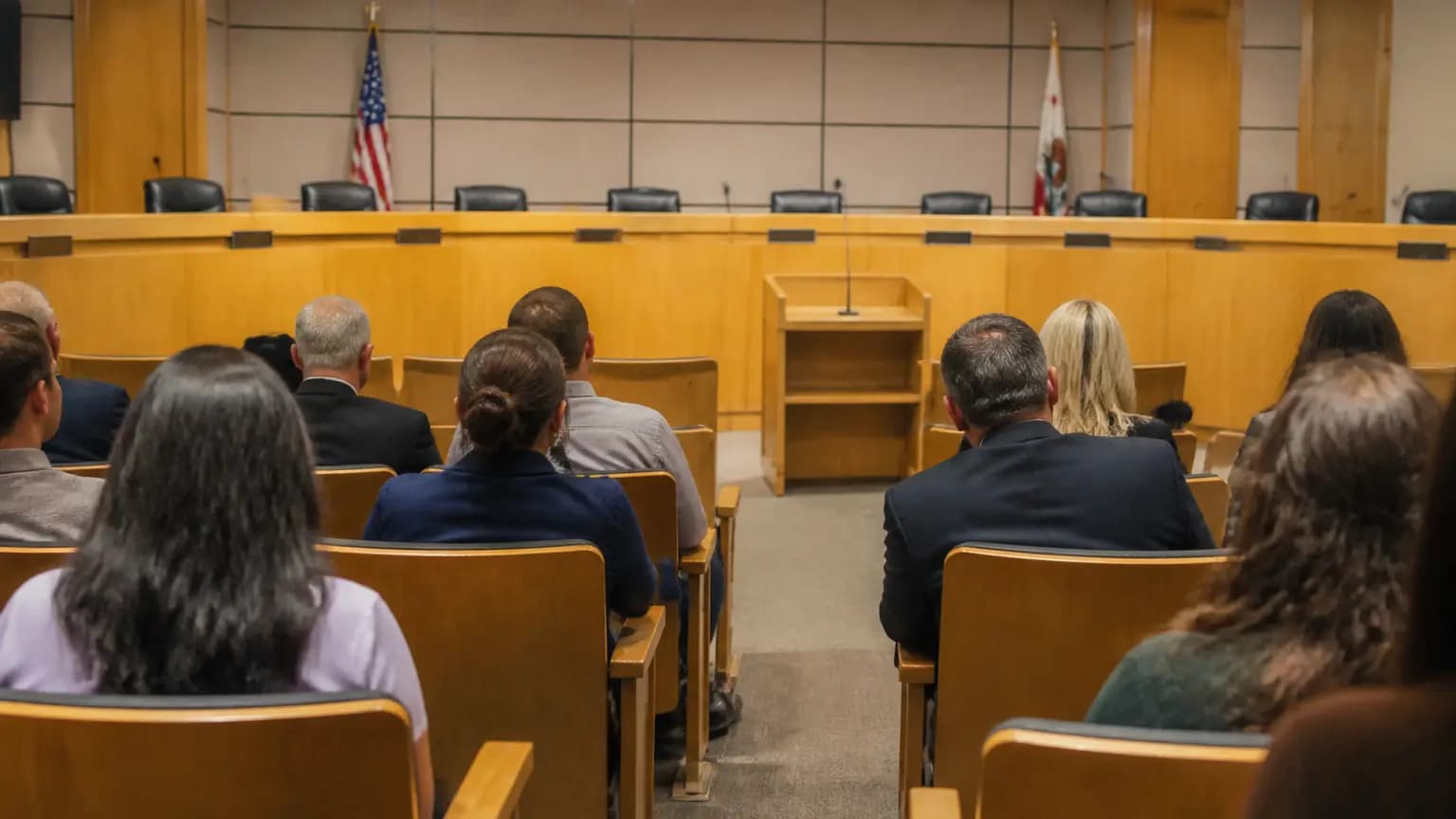
For the first time in Santa Barbara County history, a Superior Court judge has found that the District Attorney's Office violated California's Racial Justice Act, a state law designed to root out racial bias in the courts. The ruling, issued in Santa Maria, upended prosecutors' push for a life sentence against Kevin Wayne Burgess, a Black man convicted of domestic violence charges, and instead resulted in a 12-year prison term.
The Santa Maria Sun, which first reported the decision, confirmed that Santa Barbara County Superior Court Judge Denise Hippach agreed with Senior Deputy Public Defender Erica Sutherland that the District Attorney's Office treated Burgess more harshly than similarly situated white defendants — the first such finding under the Racial Justice Act in county history.
What the case involved
Burgess, a former Santa Maria resident, was convicted in October 2025 on counts of corporal injury to a spouse, domestic battery, attempted criminal threats, false imprisonment, and violating criminal protective orders. With felony convictions in 2010 and 2020 on his record, prosecutors argued Burgess qualified for a third-strike sentence of life in prison under California's Three Strikes Law, which allows life terms for defendants convicted of a third serious or violent felony.
Assistant District Attorney Jenn Karapetian told the Sun that Burgess's underlying offense was severe: prosecutors alleged he strangled his wife, threatened to burn down the house, and blocked her from leaving. She also noted he had previously served multiple prison terms and repeatedly violated probation and parole.
"The decision to seek a life-imprisonment sentence under the Three Strikes Law is not one the District Attorney's Office takes lightly," Karapetian said in an email to the Sun, adding that prosecutors believed a third-strike sentence was appropriate given the specifics of the case.
But at his mid-August sentencing, Hippach instead struck one of Burgess's prior "strikes" and imposed a 12-year prison sentence — a direct rejection of the prosecution's recommendation.
The disparity argument
At the heart of Sutherland's argument was county data covering cases since 2020, when the Racial Justice Act was first enacted. She argued in court filings that when the District Attorney's Office "has the option to punish more harshly, they do so disproportionately against people of color."
"Whether intentionally or not, the prosecution seeks to impose a harsher sentence on Mr. Burgess based on race," Sutherland wrote, "despite the facts of his case being far less egregious than many other cases filed since 2020 that are also eligible for third-strike sentencing."
Sutherland's filings highlighted the case of Lompoc resident Brian Austin Tucker, a white defendant convicted in 2023 of inflicting corporal injury on a spouse, false imprisonment and other charges. According to Sutherland, Tucker strangled, punched, and threw his victim over several hours, repeatedly threatening to kill her, breaking her nose and leaving blood spatter documented by police throughout the home. Despite 1992 and 1994 convictions that made him third-strike eligible, Tucker received a plea deal carrying an eight-year prison sentence.
Burgess, by contrast, never received a plea offer at all.
"The prosecution did not extend any offer to Mr. Burgess," Sutherland wrote. "This indicates that the District Attorney's Office always sought a life sentence."
Sutherland listed roughly a dozen white defendants in the county who were eligible for third-strike sentences in cases dating to May 2020. Every one, she said, was offered a plea agreement — with sentences ranging from eight to 26 years — even in cases involving attempted murder or infliction of bodily injury. Meanwhile, of the data the DA's Office disclosed, only two Black defendants were third-strike eligible between spring 2020 and spring 2026, and neither faced comparable charges. Sutherland noted that of four people to receive three-strikes life sentences in the county since May 2020, all were people of color — one Black and three Hispanic — while acknowledging the small sample sizes limit what conclusions the data can support.
What the Racial Justice Act does
Enacted in 2020, the California Racial Justice Act allows defendants to challenge charges, convictions, and sentences if they can show racial bias influenced the proceedings — whether that bias was intentional or not. Remedies can include striking prior convictions, as happened here.
Karapetian explained to the Sun that the law "permits a judge to 'strike a strike'" — treating a prior serious or violent felony conviction as though it never existed. "This is what happened here," she said, confirming it was the county's first Racial Justice Act finding.
Why it matters locally
The ruling is a landmark for Santa Maria and the broader 805 region, where questions about racial disparities in prosecution have largely played out in statistics rather than courtroom findings. It establishes, for the first time in Santa Barbara County, that a judge found the DA's Office's charging and sentencing decisions crossed the line the state law draws.
The decision does not overturn Burgess's conviction or minimize his crimes — he will serve more than a decade in state prison. But it signals that three-strike decisions, which prosecutors have wide discretion over, are now subject to meaningful racial-bias scrutiny in local courtrooms.
For residents, the practical question is what comes next: whether the District Attorney's Office changes how it extends plea offers in third-strike cases, whether defense attorneys cite the ruling in future sentencing fights, and whether the county begins tracking and publishing disparity data more systematically. The Sun's reporting suggests the Burgess case may be the first test — but unlikely the last — of the Racial Justice Act's reach on the Central Coast.
Reported by 805.life
Researched and written drawing on primary sources. Additional reporting: Santa Maria Sun.
City
Santa MariaAdditional Reporting
Santa Maria SunPublished
September 3, 2026
Reported and written by 805.life
Explore Santa MariaAll Santa Maria NewsMore News from Santa Maria
 Santa Maria
No deal: Solvang staffers strike after rejecting City Council’s ‘last, best, and final’ pay raise offer
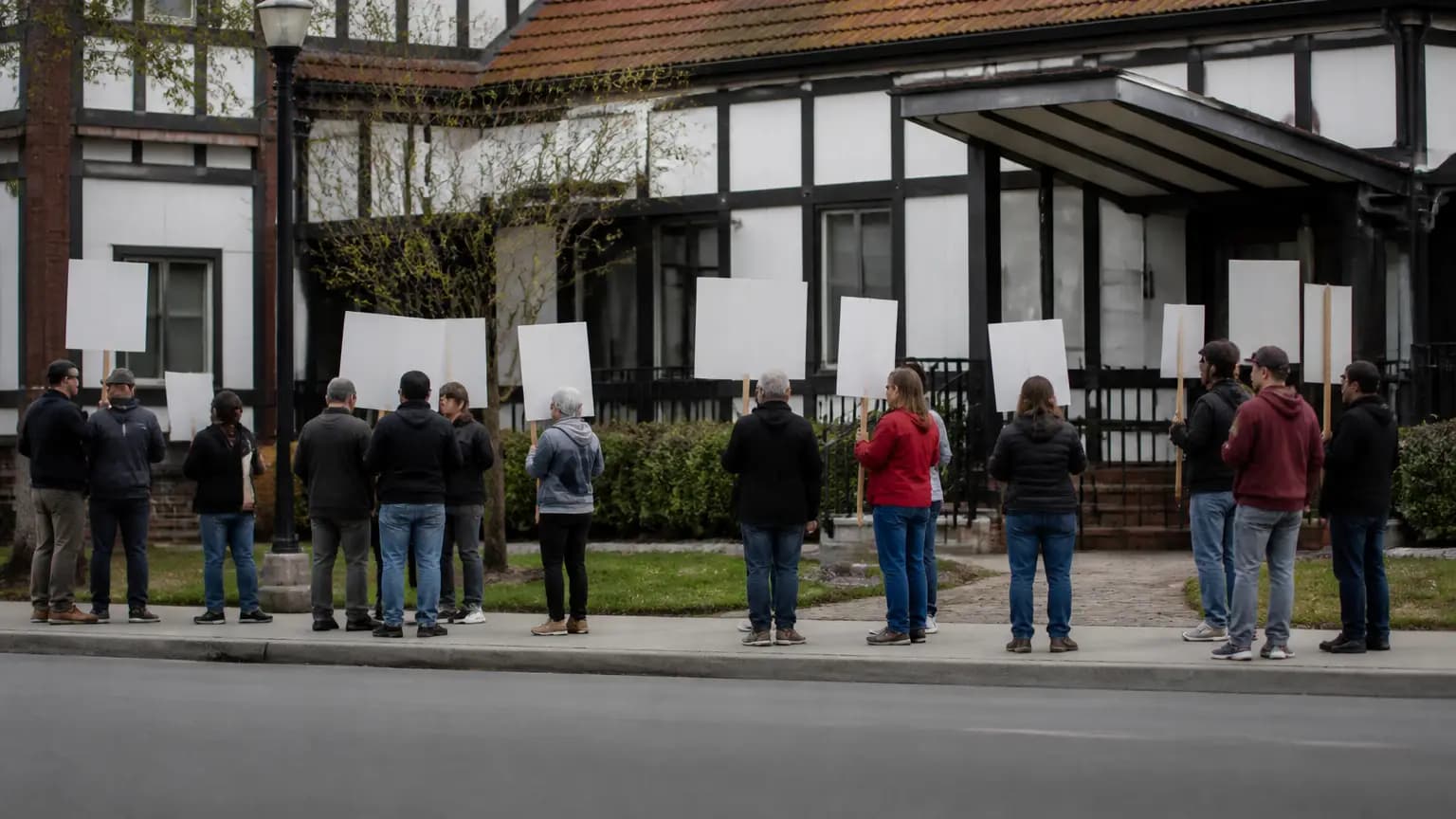
Solvang city workers made history this month — and not the charming Danish-village kind. About 30 unionized employees, including engineering technician Cole Phillips, walked off the job Sept. 15 after rejecting the City Council's "last, best, and final" pay offer. It's the first labor strike in Solvang's history, and it's a big deal for a small town where city staff keep the wheels turning. For those of us here in Santa Maria and across the 805, this is a reminder that the folks behind the counter at city hall, fixing our streets, and processing our permits are neighbors with bills to pay. When a city and its workers can't agree, residents feel it too — in slower services and a workforce that feels undervalued. The Santa Maria Sun has been following the standoff closely. Wherever you land on the politics, it's worth watching how this plays out up the valley. Small-town labor fights don't stay small for long.
 Santa Maria
Tie vote blocks Lompoc from censuring Steve Bridge
Lompoc's city council spent three hours on Sept. 15 wrestling with whether to censure one of their own, Councilmember Steve Bridge — and in the end, a tie vote meant the censure failed. Bridge's own appeal to the room was simple: remember the oath everyone stands and recites before every agenda, the same words our kids learn in kindergarten. Censure is a symbolic move, but symbols matter in small-town politics. It's the council's way of saying a colleague crossed a line, even when there's no formal punishment attached. A tie means half the dais wasn't willing to go there, and that split says as much about Lompoc's leadership as any resolution could. The Santa Maria Sun has the full account of that long meeting. For those of us up and down the 805, it's a reminder to keep an eye on our own councils — the local decisions that shape our towns often get decided by a single vote.
 Santa Maria
Santa Maria denies movie theater alcohol sales
Santa Maria moviegoers hoping to pair a cold one with their blockbuster will have to keep waiting. On Sept. 16, city planning commissioners turned down a proposal that would have let local theaters sell alcohol, making us the holdout while 55 other Regal cinemas across California already pour drinks alongside the popcorn. Commissioner Tim and others gave it a fair look, weighing the possible boost to our local cinema scene against the concerns that come with mixing booze and a dark room full of strangers. It's a very Santa Maria debate, honestly — we tend to be cautious about change, and that's not always a bad thing. The Santa Maria Sun first reported the decision, and it's worth a read if you want the full back-and-forth. So for now, it's soda and candy at the concession stand. Whether that keeps our theaters family-friendly or just keeps them losing ground to Atascadero and SLO, only time will tell. What do you think, neighbors?