House-passed bill includes seizing land for Santa Ynez pipeline
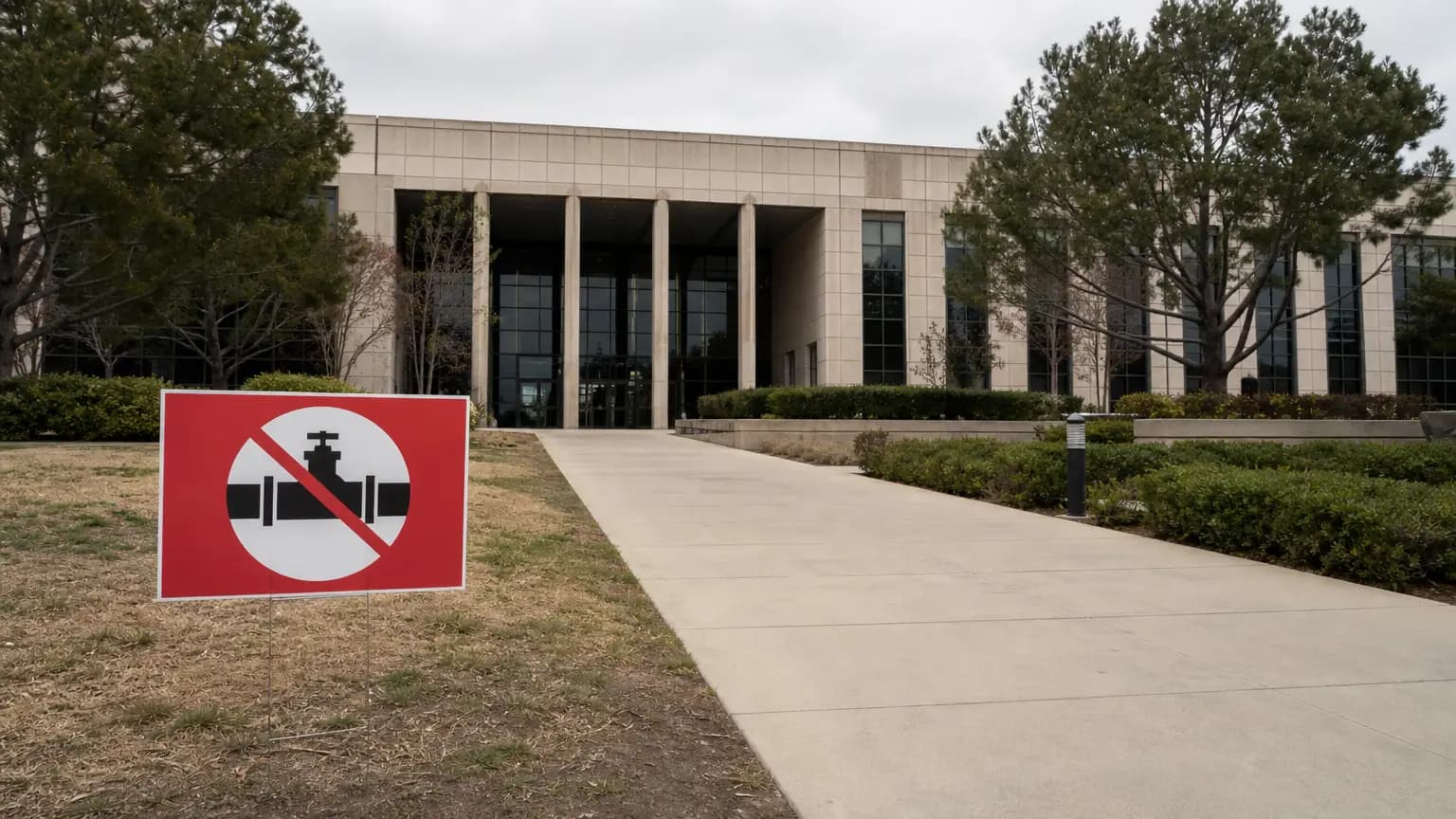
San Luis Obispo residents are closely watching a controversial provision tucked inside a massive federal defense bill that could authorize the seizure of public and private land for an oil pipeline running down the Central Coast.
The U.S. House of Representatives passed its version of the National Defense Authorization Act (NDAA) on July 22 by a narrow 216–212 vote. Tucked inside the $1.5 trillion military spending blueprint is an amendment that would empower the Pentagon to enact easements along the Santa Ynez pipeline system, effectively overriding state and local permitting disputes to keep the oil flowing.
For communities in San Luis Obispo County, where tourism and the natural environment are deeply intertwined with the local economy, the prospect of federal eminent domain being used to push crude oil through neighboring Santa Barbara County is sparking renewed anxieties about coastal protection.
A National Security Argument for Local Oil
The pipeline amendment was authored by Texas Congressman Wesley Hunt. Under CalCoastNews reporting, Hunt argues that the measure is strictly a matter of national security, pointing out that California imports a significant portion of its oil from foreign sources.
"Energy security is not merely an economic concern, it is a national security concern," Hunt stated regarding the amendment. The Congressman noted that relying on foreign oil creates a precarious dependency on global choke points like the Strait of Hormuz. By framing the amendment around military readiness, the provision specifically allows Sable Offshore—a Houston-based energy company—to transport oil pumped from the Santa Barbara coast to refineries that supply military installations.
Eminent Domain and the Gaviota Coast
While proponents frame the move as essential to defense, local officials and environmental advocates see it as an unprecedented overreach. The debate centers on Sable Offshore's ongoing efforts to restart and transport oil through the Santa Ynez pipeline system, which has faced intense pushback from state regulators and environmental groups.
On June 2, Sable sent a letter to the U.S. Department of Energy requesting that the federal government consider using eminent domain to condemn multiple properties tied to the ongoing permitting disputes. These properties are not just empty tracts of land; they include environmentally sensitive and heavily visited coastal landmarks.
The targeted properties include approximately three miles of state-owned land off the Santa Barbara coast, four miles where the pipeline crosses through Gaviota State Park, and a privately owned parcel of land near Buellton. For residents in San Luis Obispo County who frequently recreate and travel along the Gaviota Coast, the federal seizure of state parkland for oil transport sets a concerning precedent.
Local Leaders Push Back
California Democrats are actively pushing back against the House-passed provision. Among the critics is Representative Salud Carbajal, whose district includes Santa Barbara and portions of the Central Coast. Carbajal and other state officials argue that Hunt’s amendment undermines California’s authority to manage its own coastline and natural resources.
Critics contend the measure rigs the system in favor of a private corporation, allowing the federal government to step in and bypass state environmental laws and local property rights. This clash between federal defense interests and state-level environmental protections is a familiar battle on the Central Coast, harkening back to decades of disputes over offshore drilling following the devastating 1969 Santa Barbara oil spill.
What Comes Next for the Defense Bill
While the House passage on July 22 marks a significant milestone for the pipeline provision, the legislative battle is far from over. The Senate has stalled its version of the NDAA over broader disputes regarding overall costs and specific provisions, meaning the final makeup of the defense bill is still uncertain.
Both chambers of Congress will ultimately have to reconcile their differences in a conference committee before a final bill reaches the president's desk. Until then, landowners, environmental groups, and local representatives on the Central Coast remain in a holding pattern, waiting to see if national defense priorities will ultimately override local coastal protections and property rights.
Reported by 805.life
Researched and written drawing on primary sources. Additional reporting: CalCoastNews.
City
San Luis ObispoAdditional Reporting
CalCoastNewsPublished
July 29, 2026
Reported and written by 805.life
Explore San Luis ObispoAll San Luis Obispo NewsMore News from San Luis Obispo
Starbucks Coffee closing three store in San Luis Obispo
So it looks like we're losing three Starbucks locations here in SLO, part of a bigger wave of 250 closures across the U.S. and Canada that the company announced Thursday. CalCoastNews reports the chain didn't name the specific stores, but a Starbucks fan put together a list that includes three right here in San Luis Obispo. Whether you're a daily drive-thru regular or just grab a latte before hitting the Thursday night farmers market, this one hits a little close to home. Local coffee shops, of course, are probably raising an eyebrow — and maybe a mug — at the news. No word yet on which exact spots will close or when, so keep an eye out. In the meantime, this might be the perfect excuse to finally try that neighborhood café you've been meaning to visit.
 San Luis Obispo
Hundreds of San Luis Obispo County residents win quiet title lawsuit
Big news for hundreds of our neighbors across North County. A judge ruled Thursday that the 800-plus residents who joined a quiet title lawsuit to protect their right to use water from the Paso Robles Groundwater Basin without charge have won their case, according to CalCoastNews. That means water districts can no longer force these plaintiffs to pay fees or taxes just for using the groundwater beneath their own land. For a region where water is everything—ranches, vineyards, family homes—this isn't just a legal footnote. It's about who gets to decide how local water is used and paid for. Paso Robles has been at the center of California's groundwater debates for years, and this ruling gives these residents some hard-won certainty. We'll be watching to see how the districts respond and what it means for everyone else relying on the basin. For now, it's a genuine win for a lot of folks who just wanted to keep their water rights intact.
 San Luis Obispo
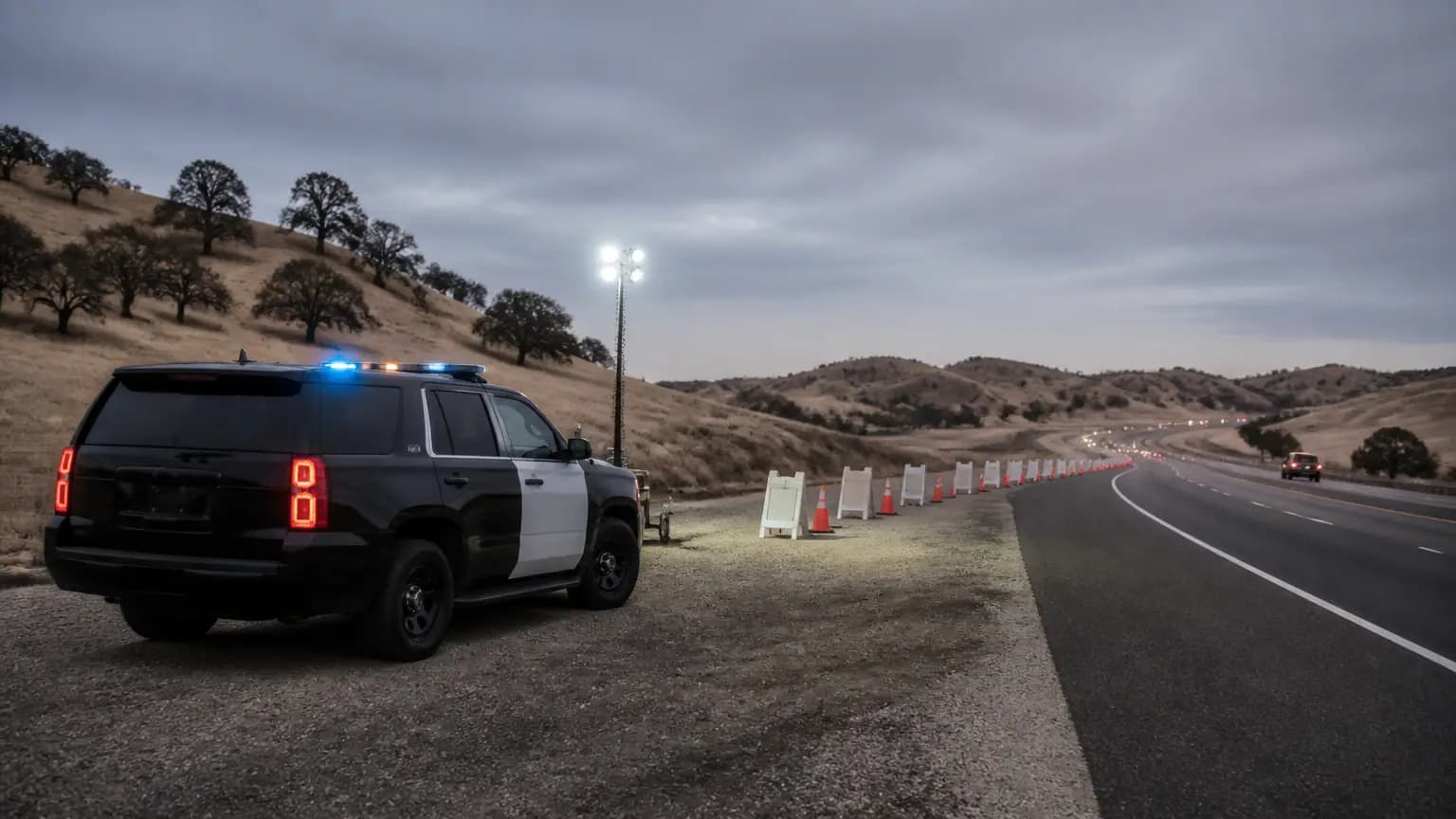
Templeton CHP officers holding DUI checkpoint Saturday night
Heads up, North County — Templeton CHP is running a DUI checkpoint somewhere in SLO County Saturday night. As always, they're keeping the exact spot under wraps, choosing it based on where crashes and DUI arrests have clustered in the past. If you're out on the 101 or winding home from a wine-country dinner, expect officers checking licenses and insurance, and keeping an eye out for signs of impairment. Here's the thing: checkpoints aren't really about catching folks off guard. They're about getting people to think twice before getting behind the wheel after a few glasses of Paso or Templeton wine. We love our tasting rooms and late dinners around here — that's exactly why this matters. Plan a designated driver, call a rideshare, or just stay put. CalCoastNews had the original heads-up, and we're passing it along because a little planning keeps everyone safer on our roads. Stay safe out there, neighbors.