How does removing a playing field in SLO increase access?

A fierce debate is unfolding in San Luis Obispo over the future of Emerson Park, pitting neighborhood recreational needs against the city's evolving park amenities. At the center of the controversy is a proposal to remove the Emerson/Old Town neighborhood's only multi-use playing field to make way for a single-use dog facility. The plan has drawn sharp criticism from local residents, the city's own Parks and Recreation Commission, and former Mayor Peg Pinard.
The pushback recently culminated in a strongly worded open letter from Pinard, also the founder of the Old Town Neighborhood Association, questioning how the city's actions align with its recently announced Diversity, Equity, and Inclusion (DEI) goals. In an opinion piece published by CalCoastNews, Pinard called out the apparent disconnect between the city's stated commitments and the reality on the ground for the more than 5,000 residents who live near the park.
A Clash of Priorities in Old Town
The Emerson Park proposal has highlighted a growing tension in municipal planning: how to balance the desires of pet owners with the fundamental recreational needs of underserved communities. The city's plan proposes replacing the neighborhood's only playing field with a dog facility. According to Pinard's letter, the city's Parks and Recreation director suggested that the green space left over after the field's removal would be "sufficient for yoga and group exercise."
For the Old Town Neighborhood Association, this is hardly an adequate substitute. The existing field serves as a critical gathering space where children and families can engage in unstructured play, including soccer, baseball, and other active games. Residents have continually argued that the park is already much smaller than other neighborhood parks in San Luis Obispo, and the removal of its multi-use field would represent a net loss of vital active recreation space.
The pushback is not merely anecdotal. The San Luis Obispo Parks and Recreation Commission voted unanimously to preserve Emerson’s entire playing field and reject the introduction of the dog facility. The surrounding neighborhood has overwhelmingly echoed this sentiment, emphasizing that the space is essential for community cohesion and public health.
Grant Promises vs. Park Realities
A significant portion of the controversy stems from how the city initially secured state funding for the park. To qualify for a state grant, the city made specific representations to State Parks regarding the critical nature of the Emerson/Old Town neighborhood.
In her letter, Pinard pointed out that the city told the state that Emerson Park is the only park area that neighborhood residents can easily access by foot. The city's own grant narratives reportedly highlighted that 358 families near the project site do not have access to a car. Because of this lack of mobility, city officials told the state that "access to free resources within their neighborhood parks becomes vital for their health and wellbeing."
Furthermore, the city reportedly identified the neighborhood as already underserved and in "critical need" of active recreation space. The state was also informed that "unstructured play is vital to children's health and development," and that Emerson’s field is the only place within safe walking distance where that kind of recreation is available.
Pinard is now asking the city council to reconcile these statements with their current actions. She noted that city officials have informed State Parks of their intent to keep the dog facility in the plan and have set aside funds to make it happen. The core question for residents is whether taking away the very recreation space the city deemed vital to the neighborhood truly increases access.
DEI Goals Under the Microscope
The timing of the park dispute has amplified its political weight, coming on the heels of the city's recent DEI announcement. The initiative outlined a commitment to "increasing access," "fostering belonging," "advancing structural and institutional equity," and "improving community health and well-being."
Pinard's open letter systematically applied the city's DEI framework to the Emerson Park situation. Regarding structural equity, she questioned whether the city's DEI mandate to "contribute to systemic or structural changes" requires examining how municipal decisions affect neighborhoods differently. She argued that removing the only multi-use playing field from an already underserved neighborhood—while residents in every other neighborhood in San Luis Obispo retain theirs—runs contrary to the goal of advancing structural equity.
Public reaction, as seen in the comments on local news coverage, reflects a broader frustration among some residents who feel that traditional family and youth amenities are being sidelined. The debate touches on a recurring theme in many growing California cities: competing demands for limited public space and the prioritization of different community interest groups.
What Comes Next for Emerson Park
As the San Luis Obispo City Council navigates this controversy, the future of Emerson Park remains uncertain. With a unanimous vote by the Parks and Recreation Commission to preserve the field and a vocal opposition led by prominent local figures, the council faces a difficult decision.
For the residents of the Emerson/Old Town neighborhood, the stakes are immediate. Losing the playing field means losing a safe, walkable space for youth sports and unstructured play. For city officials, the challenge will be balancing the demonstrated needs of an underserved community, the promises made to secure state funding, and the city's own freshly minted declarations regarding equity and access. Whether the council will align its park development plans with its DEI rhetoric is a question that the San Luis Obispo community is waiting to have answered.
Reported by 805.life
Researched and written drawing on primary sources. Additional reporting: CalCoastNews.
City
San Luis ObispoAdditional Reporting
CalCoastNewsPublished
July 27, 2026
Reported and written by 805.life
Explore San Luis ObispoAll San Luis Obispo NewsMore News from San Luis Obispo
 San Luis Obispo
Deputies investigating suspicious death in Guadalupe
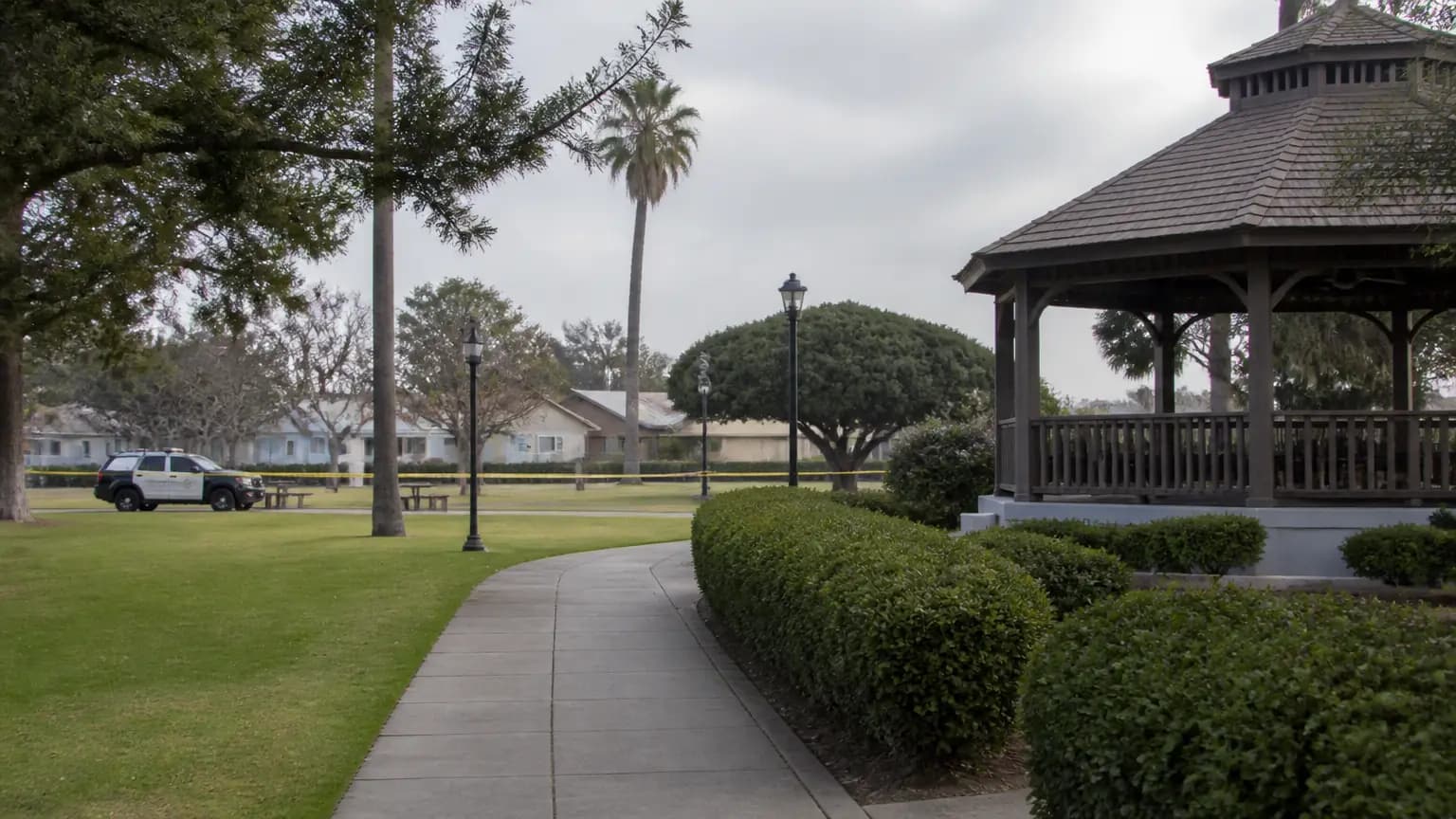
Guadalupe neighbors, our thoughts are with everyone processing the news out of Veterans Memorial this week. Early Monday morning, deputies were called to the 800 block of Guadalupe Street near the gazebo, where a man was found deceased. It's a sobering reminder that even in our smaller 805 communities, public safety concerns can hit close to home. The investigation is ongoing, and CalCoastNews reports that authorities have not yet released details about the circumstances. If you have information that might help, reach out to the Santa Barbara County Sheriff's Office — tips from locals often make the difference in cases like this. For now, let's look out for one another and keep Guadalupe in our thoughts. We'll share updates as they become available.
 San Luis Obispo
Driver gets Porsche stuck on train tracks in San Luis Obispo
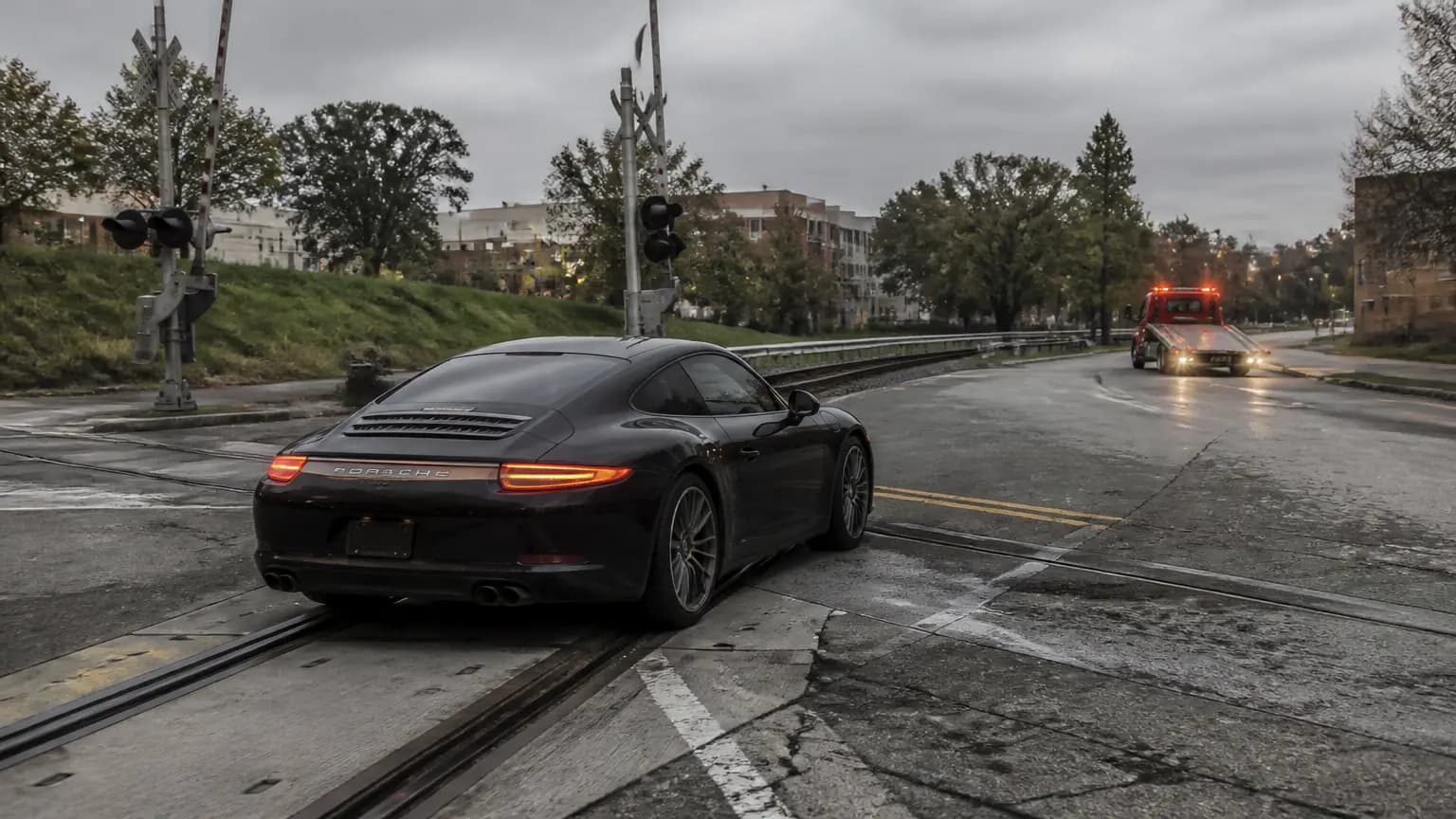
You know that moment when your GPS says 'turn now' and your gut says 'absolutely not'? A driver near Cal Poly apparently ignored that gut feeling Saturday night and ended up with a Porsche perched on the railroad tracks at Foothill and California. Wrong turn, misread markings, and suddenly you're the main character of a very expensive towing story. Look, we've all made questionable driving decisions around campus — the Cal Poly area can be a maze of crossings and one-ways, especially after dark. But this is your friendly reminder to slow down, double-check those pavement markings, and maybe don't trust your navigation over your own eyes. The car got towed and hopefully everyone walked away fine, which is the best outcome for a night like that. Shoutout to CalCoastNews for keeping us in the loop on the quirky stuff happening around SLO. Stay safe out there, neighbors — and maybe stick to the actual roads.
 San Luis Obispo
What landed 25 half-marathon runners in Santa Barbara in hospitals?
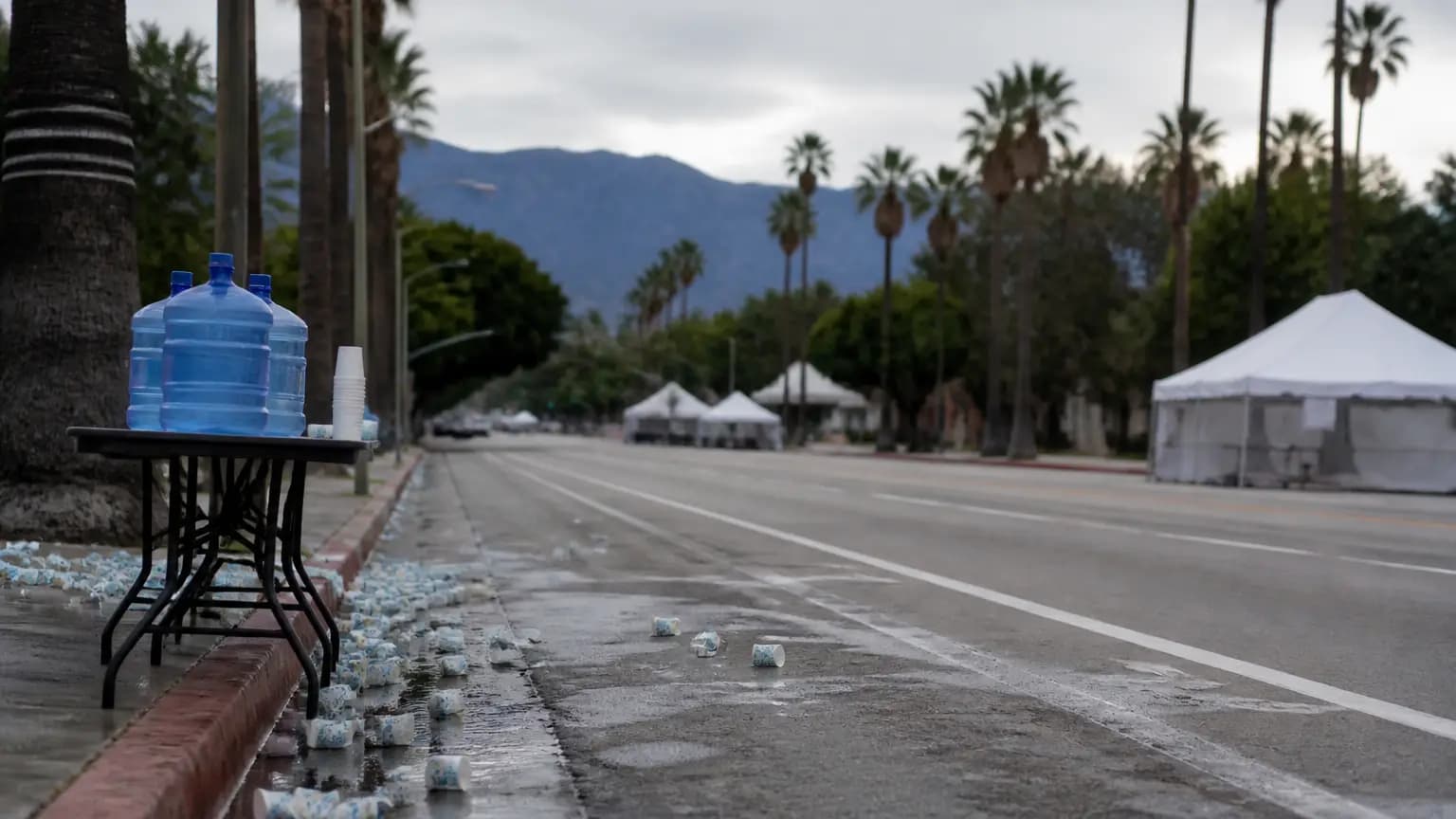
Santa Barbara's half-marathon scare is a good reminder for those of us up here in SLO County: race-day heat and hydration aren't small details. CalCoastNews reports that 25 runners ended up in local hospitals after Sunday's race, with 18 already discharged by Monday morning as doctors work to figure out whether heat was the culprit or something else was at play. We're lucky to have a packed calendar of runs and triathlons along the Central Coast — from the SLO Marathon to the many coastal 5Ks and halfs that draw thousands each year. Our late-fall weather can be deceptively warm, and a race that starts cool can turn brutal by mile ten. So here's the neighborly nudge: if you're training for an upcoming event, hydrate early, know the warning signs of heat illness, and don't push through dizziness. We'll be watching for more details from Santa Barbara as the investigation continues. Stay safe out there, 805.