Kevin Heim: State Street Was Built for People, Not Cars — Keep It That Way
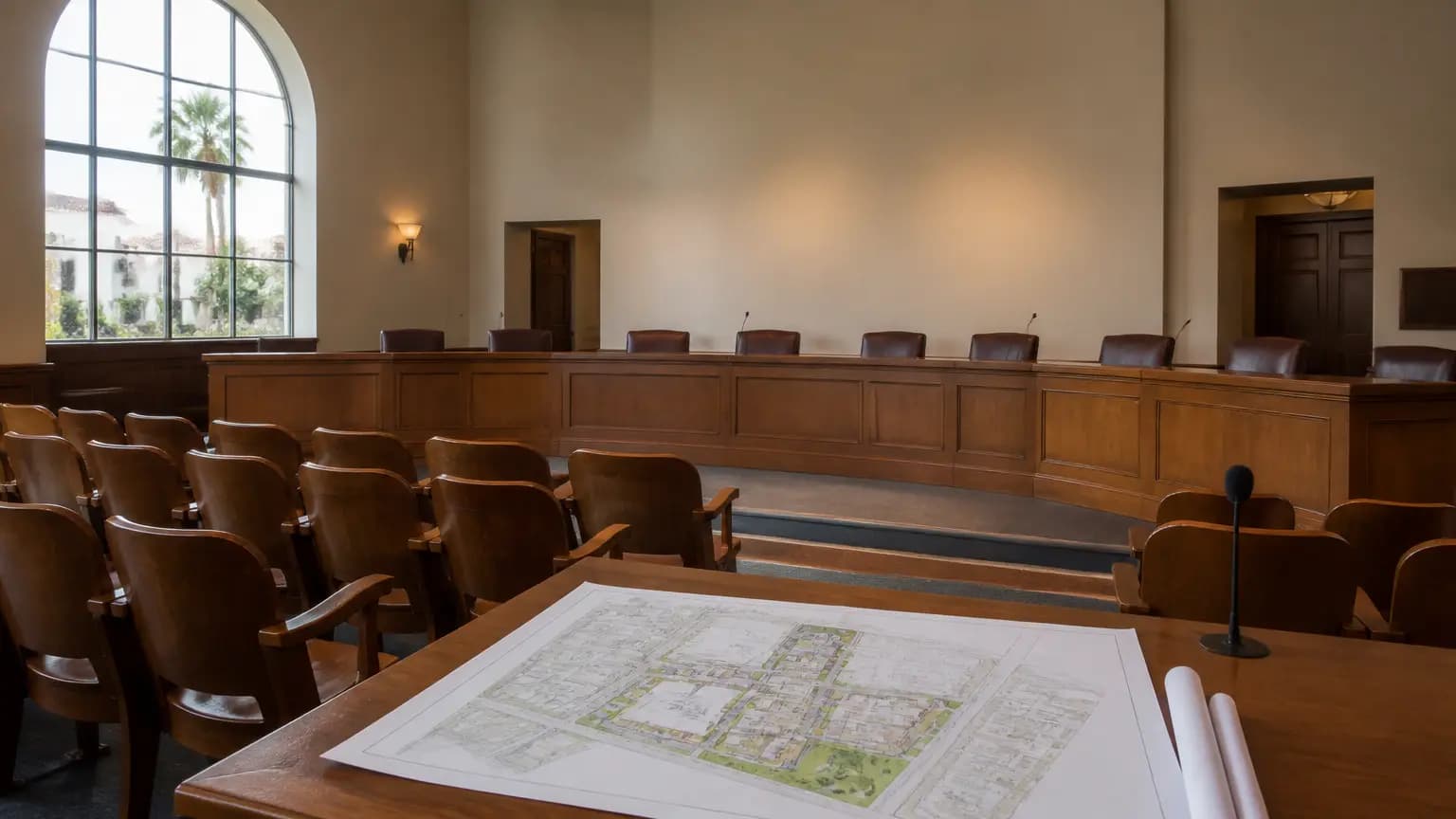
As Santa Barbara's City Council weighs adoption of the Final State Street Master Plan, a new opinion piece is making the case that a permanently car-free downtown corridor is not a radical departure but the completion of a correction the city began more than 60 years ago — and, arguably, the single most powerful housing tool currently available to local officials.
In an opinion column published by Noozhawk on Aug. 31, Kevin Heim, a human resources professional and member of the all-volunteer group Strong Towns Santa Barbara, laid out two arguments he believes have been underweighted in the long-running debate over downtown's future: that a people-first State Street is essential to meeting the city's state-mandated housing obligations, and that pedestrian priority is a return to the street's origins rather than a break from them.
A Street With Deep Pedestrian Roots
Heim's historical argument begins with sea captain Salisbury Haley, who laid out Santa Barbara's grid in 1851 and designated the corner of State and Carrillo streets as the center of downtown. What followed, he writes, was a century of shared, largely non-automotive use. He also notes that when State Street did carry heavy traffic, it did so as an early version of the route that eventually became Highway 101 — a role the region later spent decades and substantial money replacing with a freeway specifically so State Street would not have to carry through-traffic.
The era most residents associate with "the way State Street used to be" — car dominance — was, by Heim's account, brief. The street's configuration with four traffic lanes, on-street parking, and narrow sidewalks peaked by the early 1960s, a period that coincided with the forces pulling life out of downtown altogether: post-war suburbanization, highway construction, the growth of the Goleta Valley, and the 1967 opening of La Cumbre Plaza.
Santa Barbara, Heim argues, recognized the mistake almost immediately and has been correcting it ever since. He traces a decades-long record: the 1964 General Plan suggested a portion of State Street become a "pedestrian-oriented shopping street" allowing pedestrians to "wander at will"; from 1966 to 1969, the stretch from Ortega to Victoria streets was rebuilt as a landscaped plaza with traffic lanes reduced from four to two; Paseo Nuevo opened in 1989; the 400 block was rebuilt in the mid-1990s; and a roughly $8 million beautification project improved sidewalks and crosswalks between 1999 and 2007. In 2020, the street closed to regular vehicle traffic between Haley and Sola streets — and in 2025, Heim writes, 1.3 million people visited the car-free corridor to shop, dine, and gather.
Even reformers paid a price along the way. Heim recounts that former Mayor Sheila Lodge, who proposed closing just two blocks on weekends as an experiment, later wrote that she "nearly got hung from one of La Arcada's lamp posts that night."
The loudest objection to the master plan, Heim says, is that it changes State Street's character. "The historical record says the opposite," he counters, describing the four-lane arterial as a roughly 30-year experiment on a street that is 175 years old. The master plan, he writes, "is not step one. It is more like step nine."
The Housing Connection
Heim's second argument is more contemporary: Santa Barbara is required to accommodate 8,001 new housing units by 2031 under its state housing allocation, and a meaningful share of those units — if they are built at all — will go on or near State Street rather than in the foothills or on the Mesa.
Two features of the master plan make the connection direct, he argues. First, downtown housing is being approved with far less parking than housing elsewhere in the city, which is often what makes such projects financially feasible — but that trade-off is only defensible to investors, neighbors, and future residents if people can genuinely live well without a car. A permanently walkable State Street with a year-round shuttle, Heim writes, is the critical infrastructure that makes downtown housing attractive.
Second, the plan's shared stormwater system — sized to allow adjacent properties to meet their water-quality obligations off site — removes one of the last technical barriers to repeating housing development at scale downtown. That single provision, Heim suggests, may ultimately produce more housing than any other policy change the City Council makes this year.
A Call for Certainty
Heim closes with an appeal for permanence, urging the City Council to go beyond what the plan strictly requires and state plainly that State Street will remain closed to general private vehicle traffic at all hours — with deliveries and service access in an overnight window, and emergency vehicles, the shuttle, and events always accommodated.
Developers and business owners, he writes, are not making one-year bets; they are underwriting 20- and 30-year investments, and reversible hours or half-measures would preserve exactly the uncertainty that has dragged on downtown investment. "Ambiguity is expensive," Heim writes. "Certainty is free."
The column arrives as the City Council continues deliberations on the Final State Street Master Plan, the document meant to guide the corridor's long-term design and use since the 2020 closure transformed downtown's busiest blocks into a pedestrian promenade. The opinions expressed are Heim's own, but they reflect a growing constituency of housing advocates, urbanist groups, and downtown business interests who see a permanent, people-first State Street as the linchpin of Santa Barbara's downtown future — and of the city's ability to house the people who work there.
For residents, the stakes are practical: whether downtown remains a place shaped by the car counts of the 1960s, or reverts to the slower, human-scaled civic heart Haley plotted out in 1851.
Reported by 805.life
Researched and written drawing on primary sources. Additional reporting: Noozhawk.
City
Santa BarbaraAdditional Reporting
NoozhawkPublished
August 31, 2026
Reported and written by 805.life
Explore Santa BarbaraAll Santa Barbara NewsMore News from Santa Barbara
 Santa Barbara
Dos Pueblos Boys Water Polo Captures League Crown With 17-12 Victory Over San Marcos
Dos Pueblos boys water polo is bringing another league title back to Goleta, and Charger fans have plenty to celebrate after a 17-12 win over rival San Marcos. The crosstown matchup is one of those Channel League showdowns that always draws a crowd, and this one delivered on both ends of the pool. Next up, the Chargers head to Ventura on Tuesday, while San Marcos looks to bounce back against Buena. For families with kids in local aquatics programs, nights like this are a reminder of how deep the water polo tradition runs here along the 805 coast. Thanks to the Santa Barbara Independent for keeping us posted on the postseason push. Grab a towel, pick a side, and go support these student-athletes — South Coast water polo is worth the drive.
 Santa Barbara
Dos Pueblos Boys Water Polo Clinches Outright Channel League Title with 17-12 Win Over San Marcos
Chargers fans, take a bow. Dos Pueblos boys water polo beat crosstown rival San Marcos 17-12 on the road Thursday, locking up the outright Channel League title and keeping that perfect 5-0 league mark intact. As Noozhawk reported, the Chargers sit at 20-6 overall with just Ventura left on the league schedule. There's something special about a Dos Pueblos–San Marcos matchup. These two schools share a city, a pool culture, and plenty of bragging rights, so a win like this means a little more than the standings show. Water polo runs deep here on the Central Coast, and nights like Thursday remind us why. One league game remains, but the banner is already theirs. Congrats to the players and coaches — go Chargers!
 Santa Barbara
Santa Barbara Police Make Arson Arrest Following Multiple Fires on Modoc Road
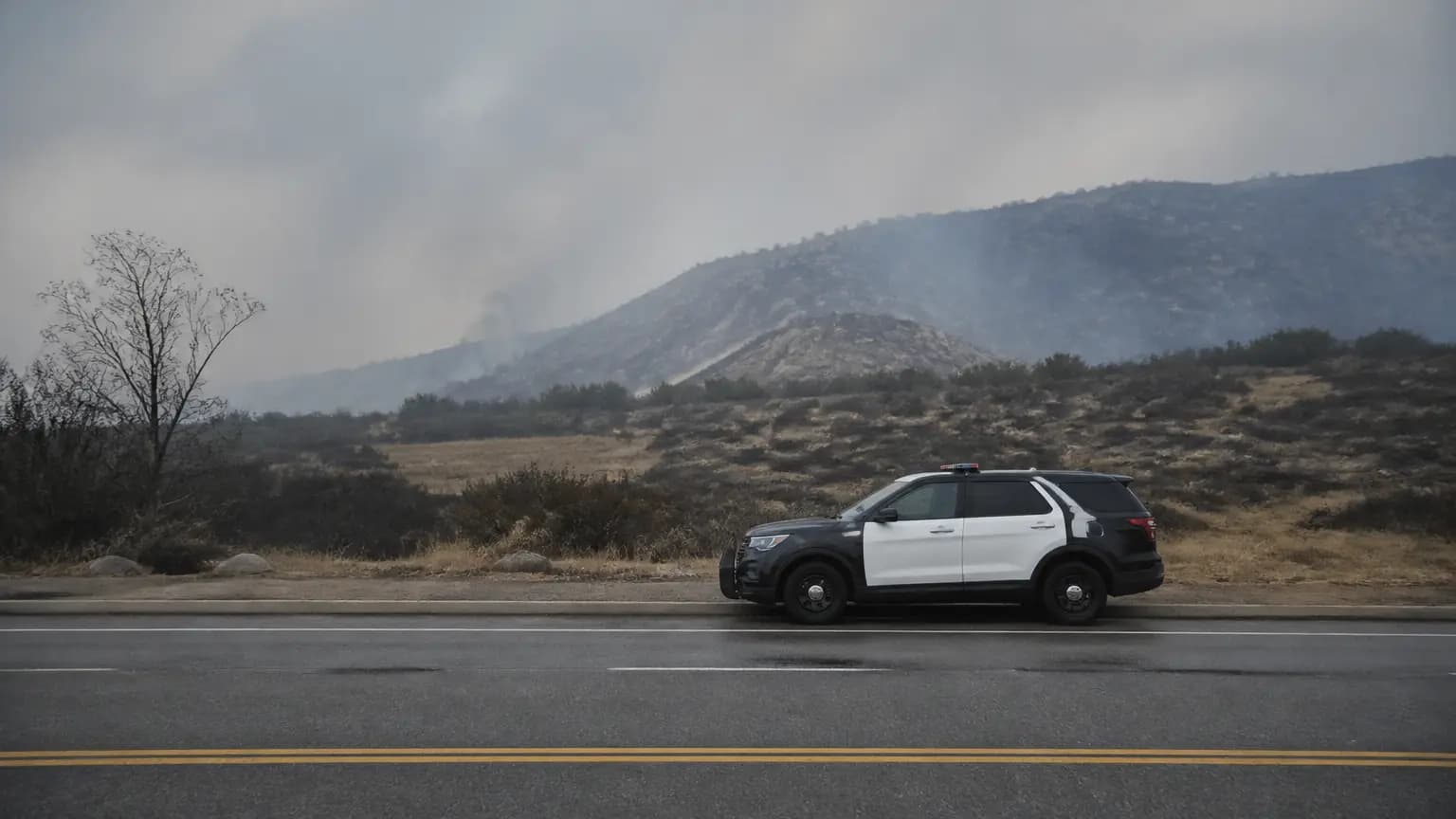
Neighbors on Modoc Road can breathe a little easier this week. Santa Barbara Police say they've arrested Calletano Bedolla-Bibiano, who allegedly admitted to setting three brush fires on Thursday and has been linked to four more last weekend. That's seven fires in a matter of days, all in one stretch of our community. It's easy to scroll past fire news when we're not in the thick of a red-flag warning, but this one hits close to home. Modoc Road runs along neighborhoods, near open space, and with our dry hillsides and fall winds, a single spark can turn into something no one can control. The fact that these were allegedly intentional makes it feel different, and honestly, a little unsettling. We're grateful to the Santa Barbara Police Department and the first responders who put these fires out before they grew. Thanks to the Santa Barbara Independent for staying on it. If you live nearby, keep an eye out, check on your neighbors, and report anything suspicious.