Leaders discuss county’s demographic dilemma
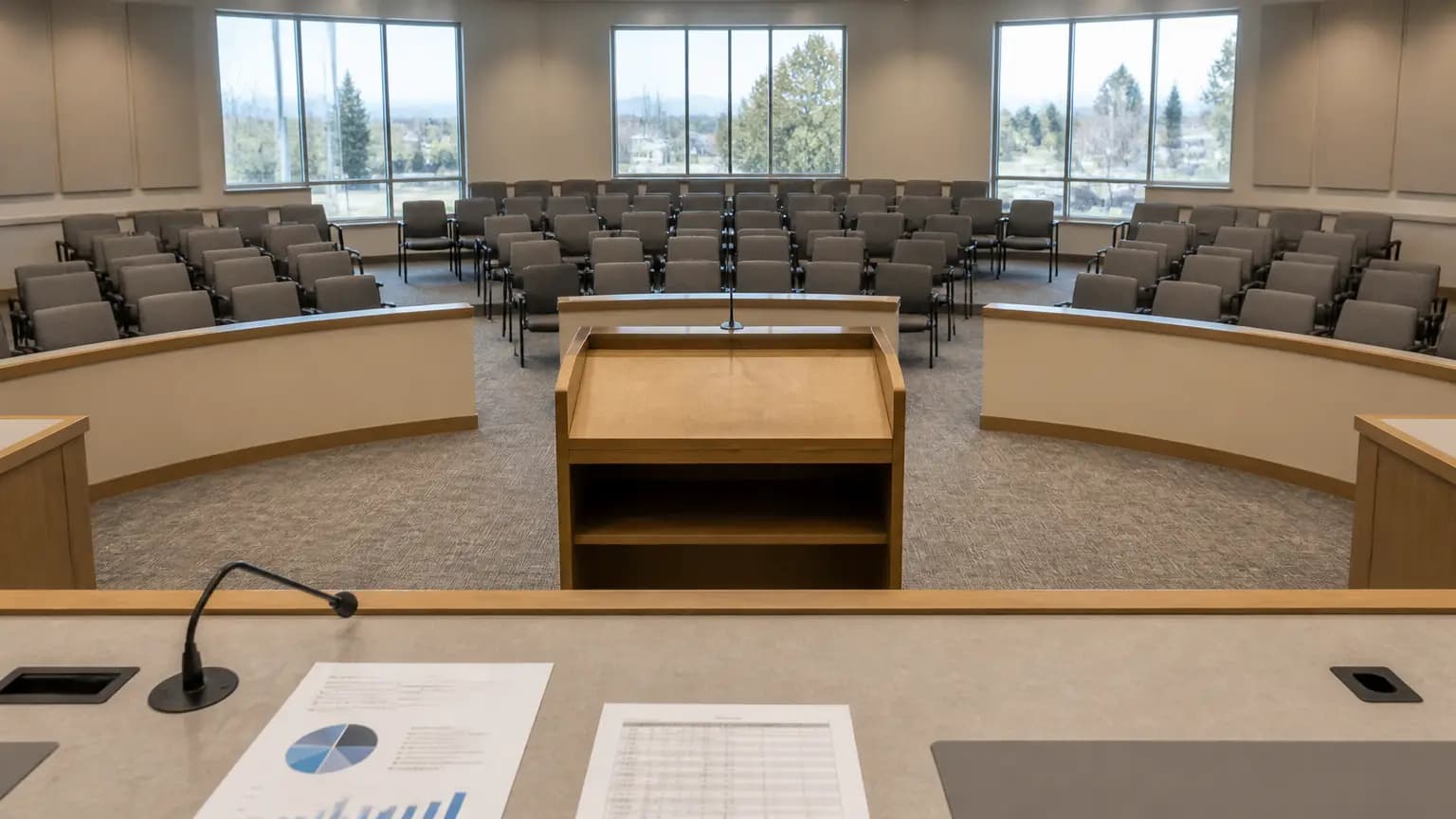
Ventura County is getting older, having fewer children and losing young families who can't afford to live here — a set of demographic shifts that speakers at a recent regional conference warned could reshape the county's workforce, housing market, schools and public services over the coming decades.
The Simi Valley Acorn reported that the concerns took center stage Sept. 14 at the Ventura County Civic Alliance's Future of the Region Conference in Camarillo, where officials and experts examined how the county can prepare for an aging population while still making room for the younger, more diverse generation needed to sustain local communities and the economy.
For Simi Valley, one of the county's largest cities, the stakes are concrete: school enrollment, housing policy, senior services and the local tax base all hinge on how the region responds.
The numbers behind the concern
Data presented at the conference laid out the scale of the shift. Ventura County's birth rate has nearly halved since 1990, falling from roughly 18 or 19 births per 1,000 residents to about 10, according to the Acorn's account of the event. The county's median age rose from 37.5 in 2017 to 39.6 in 2024, and the population younger than 18 declined by approximately 20,000 over that period.
"We're just not having enough children, and there are many reasons," said David Maron, vice chair of the Ventura County Civic Alliance, who moderated the event.
The conference's keynote speaker, Fernando Torres-Gil, framed Ventura County's situation as part of a much larger transformation. Torres-Gil is a UCLA professor of social welfare and public policy and director of the UCLA Center for Policy Research on Aging, and he previously served on an advisory committee for California's Master Plan for Aging.
California as a whole is aging rapidly, he said. By 2030 or 2035, the state could have more residents older than 65 than Florida — a state whose identity has long been built around retirement. By 2035 or 2040, Torres-Gil said, 35% to nearly 40% of Californians could be older than 60.
The effects are already visible in education, he noted, pointing to declining enrollment across the California State University system and warning that some campuses could close if trends continue.
A housing dilemma with two sides
The demographic shift creates what Torres-Gil described as a housing dilemma: older homeowners often rely on rising home values for retirement security and inheritances, while younger, more racially diverse families increasingly struggle to afford those same homes.
He pointed to Marin County as a cautionary tale, describing its historical approach as one of "exclusion and selective welcome." Limited affordable housing there has forced agricultural and home care workers to live elsewhere because they can't afford the communities where they work — and as a result, Torres-Gil said, a growing number of elderly Marin residents can't get the help they need.
Ventura County could face similar consequences if housing policies make it difficult for younger families and workers to move in, he cautioned.
Torres-Gil urged local leaders to prioritize housing for low- and middle-income families and to build intergenerational and interethnic communities rather than age-segregated neighborhoods designed primarily for affluent residents.
Planning for an aging Simi Valley
At the same time, the county must plan for the older residents it already has. Torres-Gil described how seniors can become "house rich and cash poor" — owning valuable homes but unable to afford needed services. Others may remain isolated in large houses after their families move away, with fewer people available to provide care as the workforce shrinks.
He recommended that the county incorporate aging into civic planning, creating communities where older residents can age in place while staying connected to younger generations. California's Master Plan for Aging provides a framework, with local data and planning tools counties can use to develop their own strategies, he said.
Torres-Gil also praised Ventura County's Area Agency on Aging as a model agency and encouraged residents to use its services.
An aging population is also expected to bring greater demand for health care and long-term care, while a declining workforce and tax base could put pressure on public services. Torres-Gil warned that potential changes to the federal social safety net, including Medicaid, could have a "dramatic impact" on hospitals and long-term care providers.
A choice for the next 30 years
Planning for older residents, Torres-Gil emphasized, also means planning for the younger people who will make up the future workforce — and provide the care that aging residents will need. He urged the county to reach across its ethnic, minority and immigrant communities, which he said will make up much of the region's future population.
"Make it clear, unlike Marin County and others, that this is not an exclusionary county," he said. "This is a welcoming county that brings in the future of the state."
Torres-Gil said Ventura County needs to plan for the next 20 to 30 years rather than simply reacting to demographic changes as they arrive. That includes an honest conversation about whether the county wants to maintain a relatively homogeneous population or become more open to diversity.
He acknowledged there will be resistance and "push and pull," but said Ventura County has an opportunity to become "a beacon and an amazing, wonderful model for the rest of California" as it confronts challenges that nearly every community in the state will eventually face.
For Simi Valley residents, the conference's message was clear: the decisions local leaders make now about housing, services and inclusion will determine whether the city remains a place where young families can put down roots — and where older residents can grow old with support.
Reported by 805.life
Researched and written drawing on primary sources. Additional reporting: Simi Valley Acorn.
City
Simi ValleyAdditional Reporting
Simi Valley AcornPublished
September 25, 2026
Reported and written by 805.life
Explore Simi ValleyAll Simi Valley NewsMore News from Simi Valley
 Simi Valley
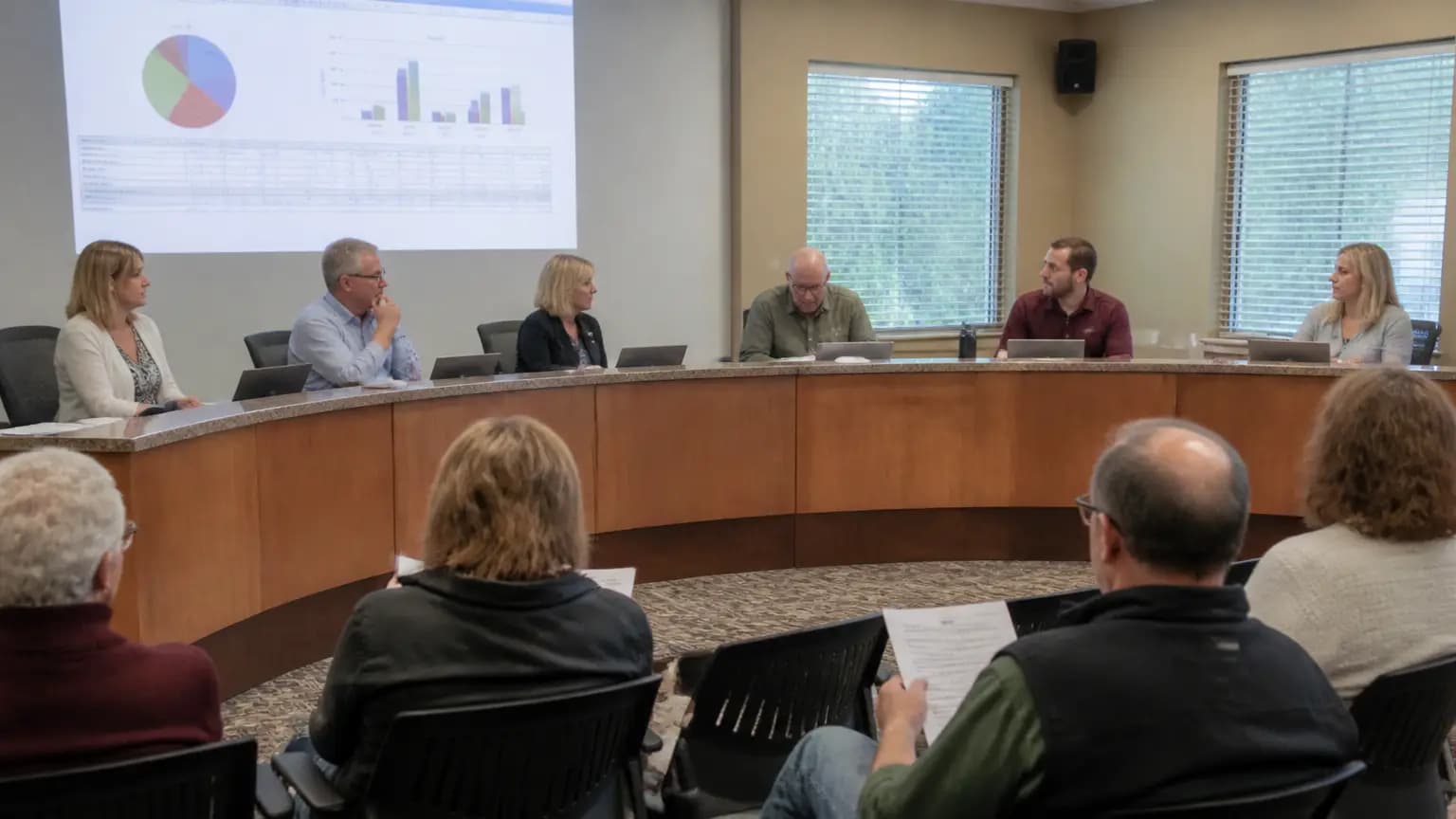
Park board plays out new budget for Simi/Oak Park
Big news for our corner of the 805: the Rancho Simi Recreation and Park District just approved a $70 million budget, and about $20 million of that is going straight into capital improvements. We're talking nearly $7.5 million for Activity Center Phase III and roughly $2.3 million for a new BMX track—projects that'll give Simi Valley and Oak Park families more places to play, gather, and stay active. If you've spent any weekend circling a packed parking lot or waiting on a field, you know how much our parks carry this community. This kind of investment isn't just concrete and dirt—it's birthday parties, after-school practices, and neighbors actually running into neighbors. Shoutout to the Simi Valley Acorn for keeping us posted on the details. Keep an eye on construction timelines, because these upgrades will shape our weekends for years to come.
 Simi Valley
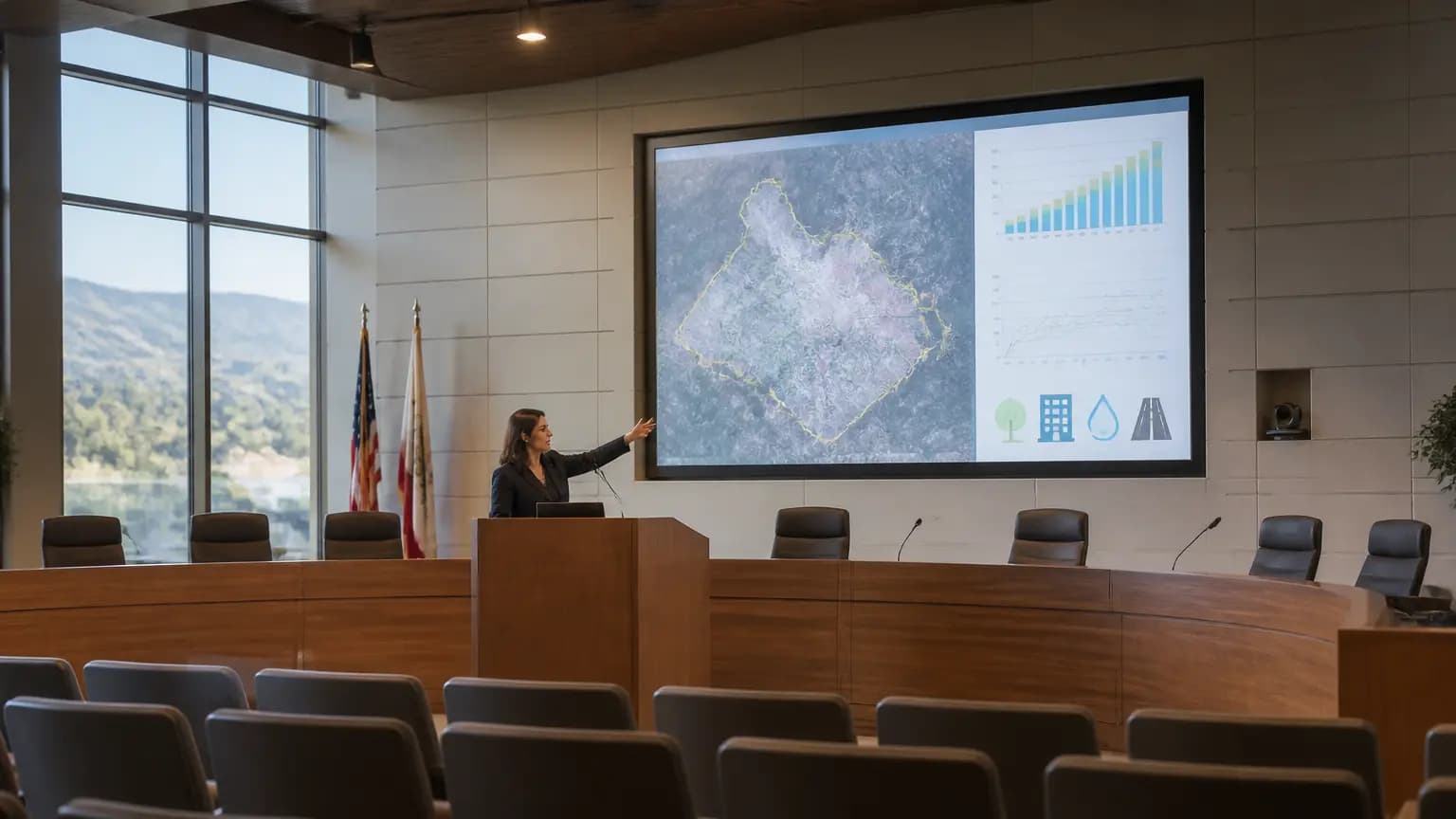
Mayor puts the shine on Simi Valley’s future
Big things are brewing in Simi Valley, and Mayor Dee Dee Cavanaugh laid it all out at the annual State of the City. From a new office to handle the boom in filming around town, to the possibility of 1,000 fresh Pennymac jobs, to whispers of a professional hockey team calling our city home—there's a lot to keep an eye on. The mayor also highlighted a declining crime rate and nearly $28 million in new infrastructure projects, which means safer streets and smoother roads for all of us. As the Simi Valley Acorn reported, these developments could reshape our community in exciting ways. It's the kind of news that makes you proud to live here. Whether you're a longtime resident or new to the 805, these changes touch us all—so stay tuned, neighbors. Simi Valley's future is looking bright.
 Simi Valley
Simi Valley woman faces murder charge over multifatality Chatsworth collision
Simi Valley neighbors, this one hits close to home. A Simi Valley woman, 36-year-old Bailee Lynn Rios, now faces murder and DUI charges after authorities say the SUV she was driving at high speed slammed into a Metro bus in Chatsworth on Sept. 15 — a crash that killed two people and injured at least five others, including Rios herself. It's a sobering reminder that the decisions we make behind the wheel don't stay contained to our own zip code. Our community is connected to the rest of the region by the 118 and the roads we share every day, and lives on both ends of that commute can change in an instant. We'll be following this case as it moves through the courts. Thanks to the Simi Valley Acorn for keeping locals informed on a story that reaches right into our neighborhoods.