Lompoc begins environmental review for possible housing project annexation
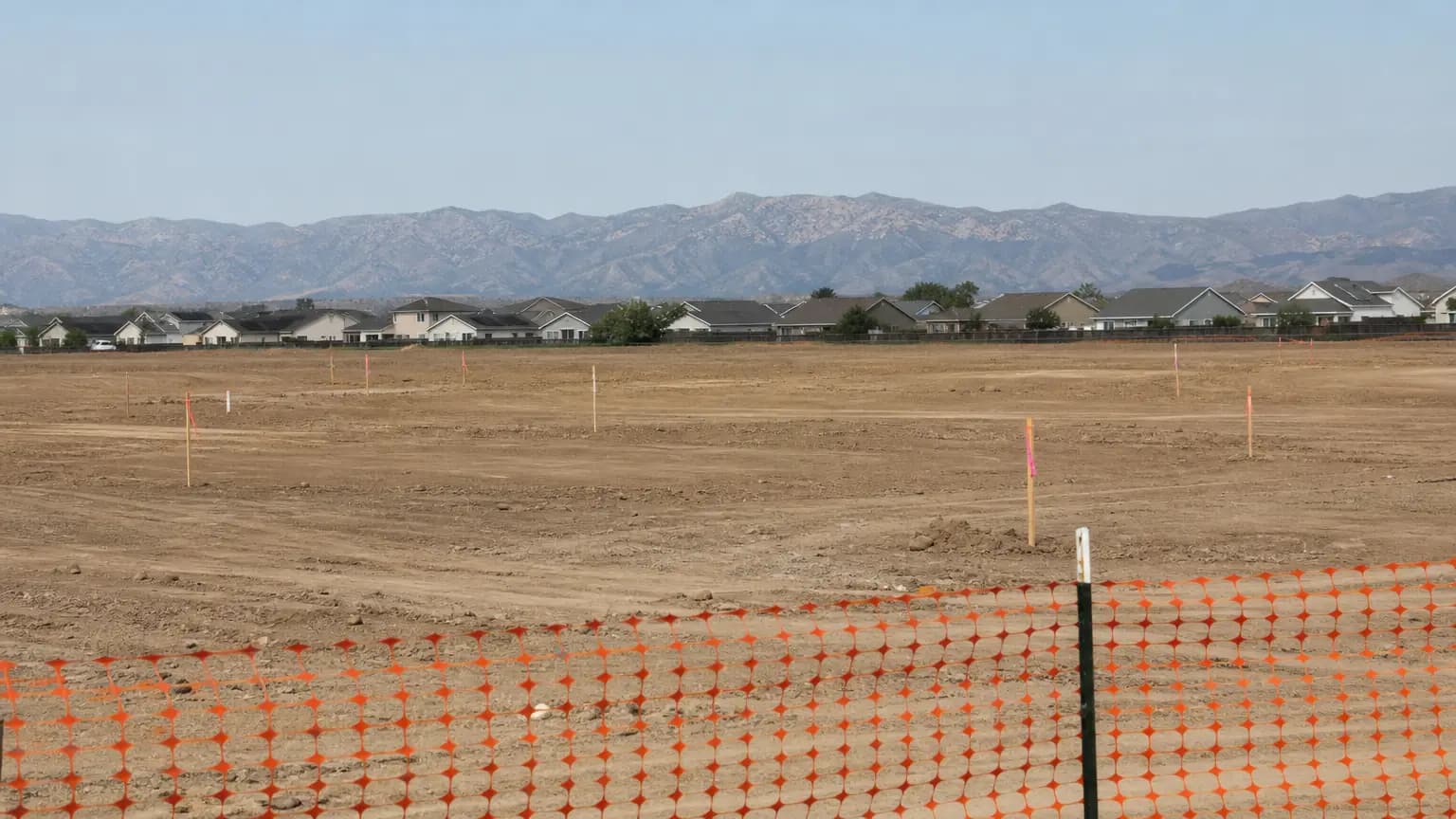
A sprawling, decades-in-the-making housing development on the Central Coast is finally taking its next formal step. The city of Lompoc has officially entered the environmental review phase for the proposed Bodger Meadows housing project, a plan that would bring hundreds of new residential units to the region and shift the boundaries of city and county jurisdiction.
For residents across the 805 region—particularly those in neighboring Santa Maria who closely track northern Santa Barbara County housing growth and infrastructure—the project's progression signals a continued push to address California's persistent housing demands. The Santa Maria Sun recently detailed the latest movements, highlighting a bureaucratic saga that has spanned multiple generations of local planners.
A Multi-Decade Housing Saga
The Bodger Meadows project, proposed for a parcel off Olive Avenue, has bounced between city and county staff for the past two and a half years. However, the broader effort to bring the land into Lompoc's city limits is nothing new; city officials have been trying to obtain the property from the county for decades.
The extended timeline was a point of dry humor for Lompoc Mayor Jim Mosby during a recent City Council meeting. Reflecting on a sewer line installed along Bailey Avenue years ago—intended to serve the area’s future developments—Mosby celebrated the latest milestone near the end of the meeting, comparing the long-awaited progress to a durable, decades-old watch.
"It's like a big old Timex," Mosby said, noting the infrastructure groundwork has been quietly waiting for this moment for years.
Project Scope and Regional Growth
If the project continues to clear regulatory hurdles, it will eventually bring roughly 200 single-family homes and 140 apartment units to 45 acres of land off Olive Avenue. An additional 40 acres of the Bodger Meadows property will remain agricultural, though it will see some necessary infrastructure upgrades.
From Lompoc's perspective, fully absorbing the parcel is the most practical path forward. The proposed annexation would ultimately bring around 270 acres into the city limits for residential development. As Santa Maria continues to face its own severe housing shortages and regional growing pains, large-scale developments in neighboring communities like Lompoc help alleviate broader regional pressure. Lompoc city staff maintain that while the timeline is incredibly lengthy, it is largely typical for a project of this scope, especially one that requires crossing jurisdictional lines.
Navigating Jurisdictional Challenges
One of the most significant hurdles for the project is the reduction of agricultural land, a heavily protected resource on the Central Coast. Furthermore, operating a modern subdivision across dual jurisdictions creates unique logistical headaches for municipal engineers.
Mayor Mosby pointed to the project's drainage basin as a prime example of why annexation is necessary. Engineers recently had to redesign the basin in project submittals, a process that could prove increasingly complicated if the land remains divided.
"If it’s dual jurisdictional, meaning if the basin is in the county and the development is in the city, it becomes a conflict," Mosby explained. Simple municipal maintenance tasks like weed abatement and other levels of mitigation become legally complex when a single drainage basin sits on the county side while serving a city development.
Traffic, Schools, and Community Impact
To address community concerns, Lompoc staff have submitted a series of requests to the county for consideration during the environmental review. A primary focus is traffic circulation, particularly around sensitive areas like Miguelito Elementary School, located just to the south on Olive Avenue.
Contract Planner Laurie Tamura noted that having the project's main access point on Olive Avenue directly conflicts with daily school activities. To mitigate this, city staff proposed adding an access point at Ocean Avenue, which marks the project’s northern border. The city's Fire Department also echoed the need for a second access road on West Ocean to ensure emergency vehicle mobility.
Various Lompoc departments have compiled letters for the county's review. The Community Development Department advocated for additional pedestrian access, while the Solid Waste Division outlined specific traffic circulation routes to ensure garbage trucks can safely and efficiently service the new neighborhood.
"We are at the table with the county," Tamura said during the council meeting. "We are also at the table with LAFCO because this environmental document will be used for subsequent decisions … for pre-zoning and annexation to the city or an outside uses agreement."
What Happens Next?
The exact timeline for the project's final approval remains long, but the path forward is becoming clearer. Following the conclusion of the environmental review process, the Santa Barbara County planning commissioners will discuss a potential approval of the project sometime next year.
Should the county planning commission and the Board of Supervisors give the project the green light, the city of Lompoc can then formally attempt the annexation process. This final step will require approval from the Santa Barbara Local Agency Formation Commission (LAFCO), the agency responsible for overseeing boundary changes and jurisdictional shifts across the county.
For now, Central Coast residents, builders, and city officials will be watching the environmental review closely, waiting to see if this "Timex" of a project will finally tick into its next phase of reality.
Reported by 805.life
Researched and written drawing on primary sources. Additional reporting: Santa Maria Sun.
City
Santa MariaAdditional Reporting
Santa Maria SunPublished
July 16, 2026
Reported and written by 805.life
Explore Santa MariaAll Santa Maria NewsMore News from Santa Maria
 Santa Maria
Rematch: Jeremy Ball and Jim Mosby are battling in another Lompoc race, this time to become the city’s next mayor
Lompoc voters, we've seen this matchup before. Jeremy Ball and Jim Mosby are facing off again—this time for mayor—six years after Ball won their 2020 race for the 4th District seat. Mosby bounced back in 2024 by defeating Jenelle Osborne for mayor, and now the two council incumbents are squaring off once more. It's a rematch that says a lot about how small-town politics works here on the Central Coast: familiar faces, long memories, and neighbors who've watched both men serve. Mayoral races in Lompoc shape everything from downtown revitalization to public safety and housing decisions, so this one's worth paying attention to. The Santa Maria Sun has the full story. Whatever your politics, do your homework before the ballot arrives—local races like this hit closer to home than anything in Washington.
 Santa Maria
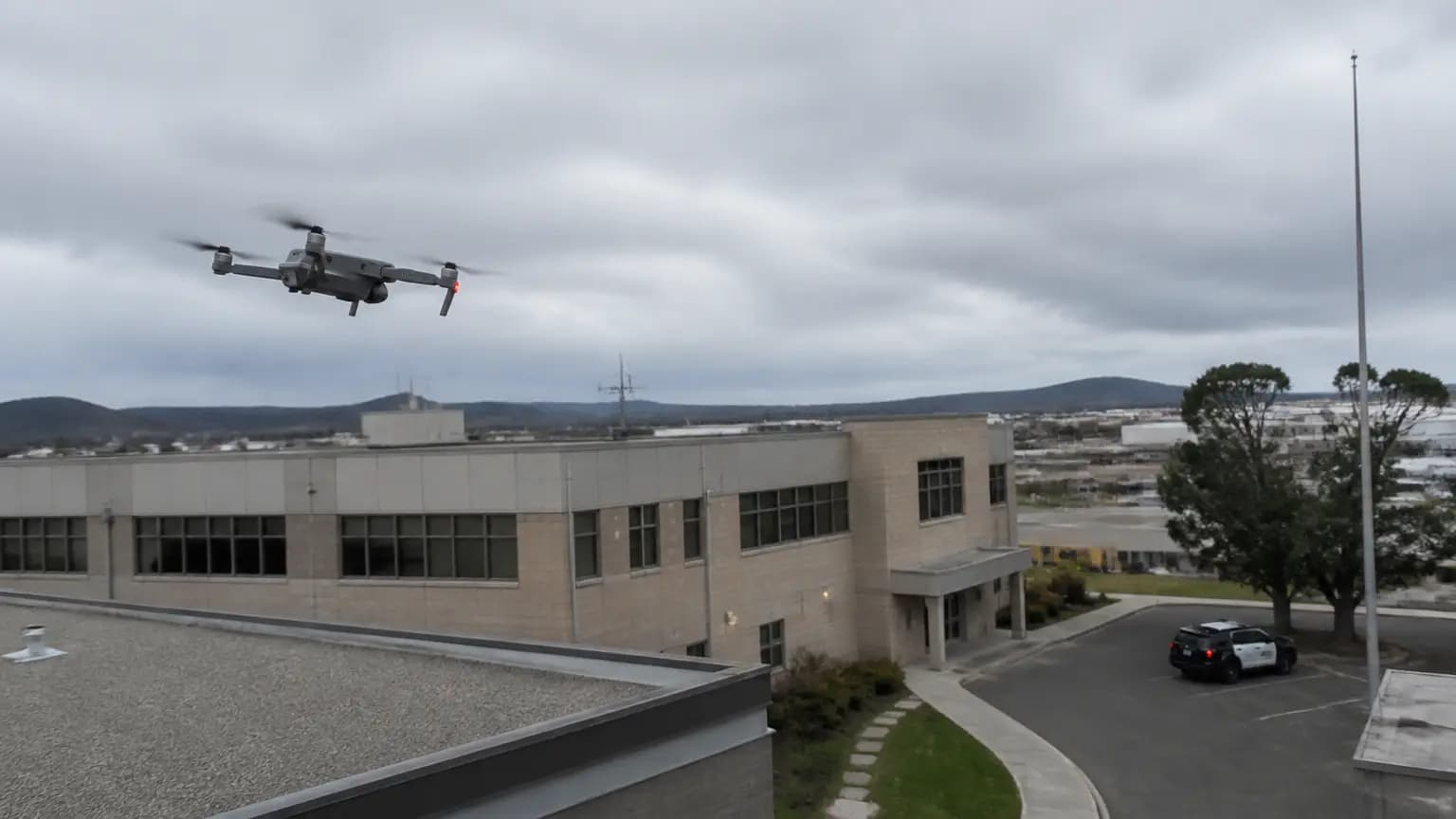
Police use drones as first responders in Lompoc
Lompoc's police department has been quietly testing something pretty futuristic since August: drones that launch from the roof of the station and get to emergencies before officers do. Two Flock Safety drones can cover a 3-mile radius, helping locate people and scope out tough terrain. Community Services Sgt. says it's been helpful in multiple cases. For those of us here in Santa Maria, it's worth watching. Lompoc is our neighbor up the 101, and what works there often shapes what other Central Coast departments try next. Drones as first responders could mean faster help in the backcountry and riverbeds, but it also raises fair questions about privacy and oversight. The Santa Maria Sun has the full story. We'll be keeping an eye on how this plays out across the 805.
 Santa Maria
State and local leaders condemn ICE arrest on Hancock campus
Santa Maria folks know the corner of College and Allan Hancock well — it's where we drop our kids off, grab a coffee, head to class. That's what makes this one hit close. A dad of five was taken into ICE custody right there while dropping his daughter off at Hancock, and by the next day the Board of Supervisors was weighing a resolution on National Immigrants Day. The timing says everything. Immigrant families are woven into the fabric of this town — our fields, our businesses, our schools. When a school drop-off turns into a detention, it shakes the trust that makes a community work. The Santa Maria Sun reports local and state leaders are speaking out, and whatever your politics, that matters here. Keep an eye on how the county votes and what support reaches this family. In Santa Maria, we look out for each other — that's not politics, that's just us.