Lompoc Valley Middle to restore a school resource officer position
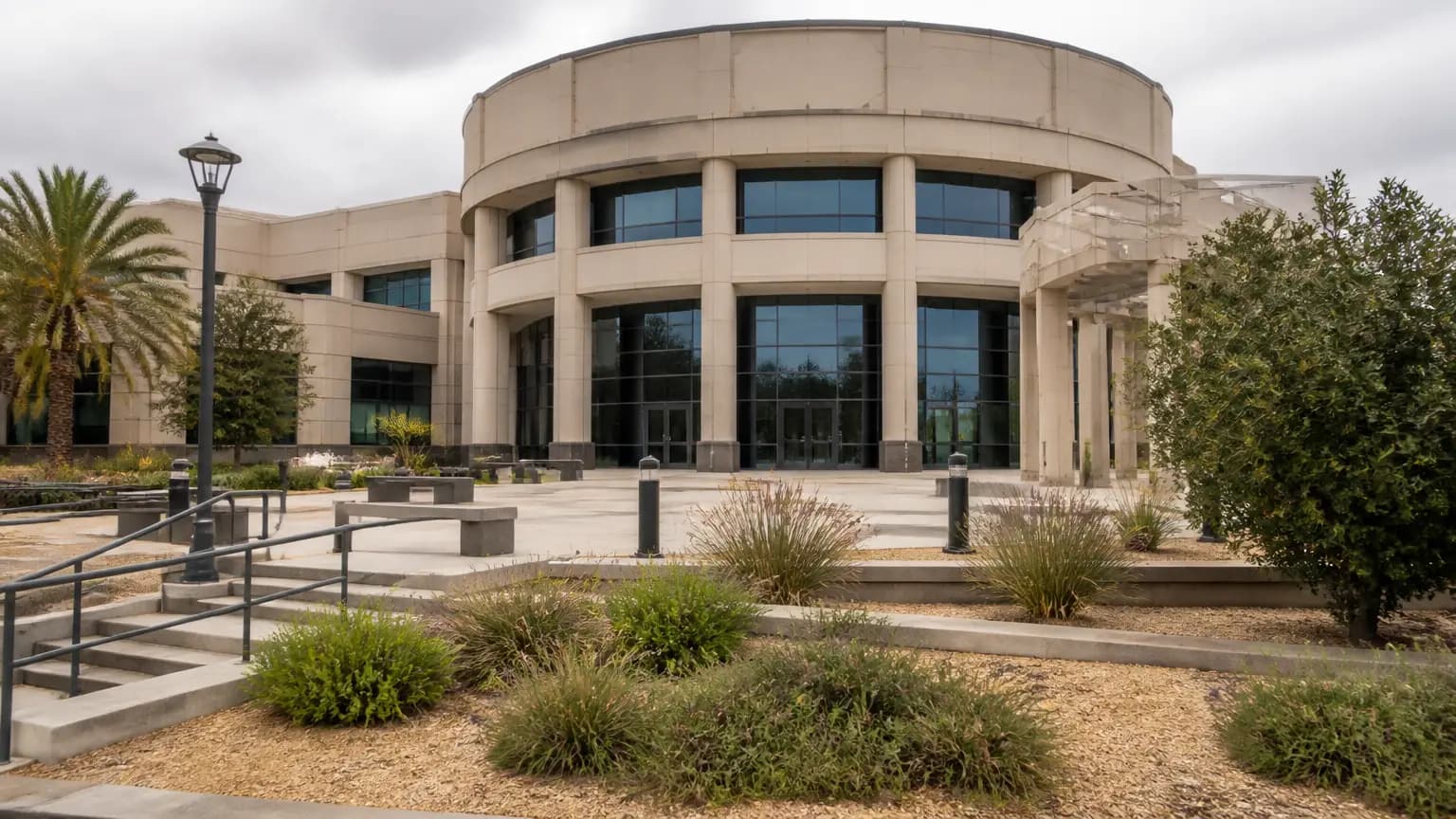
Lompoc is bringing a police presence back to its middle school campus. With a $1 million state grant and a unanimous City Council vote, the Lompoc Police Department will station a school resource officer at Lompoc Valley Middle School as early as next school year — a move that supporters say will build trust between students and law enforcement, and that critics warn could funnel young teens into the criminal justice system.
The Santa Maria Sun reported that the Lompoc City Council approved the position at its Sept. 1 meeting on a 5-0 vote, after Councilmember Jeremy Ball pulled the item from the consent agenda for public discussion. The funding comes from a public safety grant tied to Proposition 64, the 2016 statewide ballot measure that legalized recreational cannabis use in California.
Where the money comes from
The Proposition 64 grant will be spent over five years, according to the Sun's reporting. Lompoc qualifies for the funding because the city permits retail cannabis sales in storefronts — a policy choice that has made it eligible for grant dollars intended to offset public safety impacts tied to the legal cannabis industry.
The same funding stream already helps pay for a cannabis compliance officer within the Lompoc Police Department, a position responsible for overseeing local permits, conducting inspections, and ensuring cannabis operators follow city regulations.
The new grant money will now underwrite two related efforts: restoring the school resource officer position at the middle school and expanding youth education about cannabis. Police Chief Kevin Martin told the council the funding gives the department an opportunity to warn students about "the dangers of cannabis and some of the addiction problems that they could experience later on in their lives."
A familiar presence returns
The position isn't entirely new. Martin told council members that the department had an officer at the middle school "many years ago," and described it as a successful program that lapsed over time. The Lompoc Unified School District has repeatedly asked the department to return, Martin said — a point echoed by Ball, who emphasized that "this is a request from the school district. This isn't us as a city forcing a [school resource officer] on the school."
Martin said the officer's actions on campus will be guided by Lompoc Unified School District policy, and that the department deliberately seeks out candidates who can build relationships with students rather than simply enforce the law. Part of the goal, he said, is to expose students to police in a positive setting before they reach high school — where Lompoc already has resource officers. Ball noted he has seen "good rapport" between students and officers at one of the district's high schools.
There are limits to the soft-touch approach, Martin acknowledged. When serious crimes occur on campus, the officer must act. "Usually, it's a weapon on the campus or something on that level, and we have arrested for that in the past," he said.
Community concern at the Sept. 1 meeting
The vote was unanimous, but the path there wasn't frictionless. Multiple community members asked the council to discuss the item separately from the consent calendar, and the debate that followed reflected a broader national argument over police in schools.
One speaker, who identified himself as an uncle to two young students in the district, urged the council to question whether the approach fits middle schoolers. "Students who cause harm should understand its impact, accept responsibility, work to repair it, not simply be suspended, pushed out of school, or introduced to the criminal justice system," he said.
Another commenter cited research from organizations including the National Education Association, arguing that school resource officers disproportionately harm students of color. "Research shows that Black and Latino students face harsher punishments and higher arrest rates than white students when [school resource officers] are present," the community member said.
Ball, for his part, said he raised the item precisely because he knew some residents were uneasy. "I don't want to see a [school resource officer] — unless he has to — handcuffing a bunch of kids, but just having the presence there I think is reassuring to a lot of parents, a lot of teachers," Ball said.
What it means for the 805 region
For Santa Maria-area residents, the Lompoc decision is the latest chapter in an ongoing Central Coast conversation about how schools, cities, and police departments share responsibility for student safety — and who pays for it. Proposition 64 grant programs have become a meaningful funding source for Santa Barbara County communities that host cannabis retail, allowing cities like Lompoc to add public safety positions without dipping directly into general fund dollars.
The stakes are particularly pointed at the middle school level, where students are young enough that early interactions with law enforcement can shape lifelong attitudes — for better or worse, depending on whom you ask. Martin, for his part, framed the position as an investment in trust. "My hope is by getting back into the middle school, we'll be able to break down some of those walls and get the kids to be a little bit more comfortable around the police officers and understand why we're there," he said.
The officer could be on campus as early as next school year, with the grant funding the position over its five-year span. How the program performs — and whether the community's concerns about student discipline prove warranted — will likely be watched closely by neighboring districts weighing similar questions about police presence in their own schools.
Reported by 805.life
Researched and written drawing on primary sources. Additional reporting: Santa Maria Sun.
City
Santa MariaAdditional Reporting
Santa Maria SunPublished
September 10, 2026
Reported and written by 805.life
Explore Santa MariaAll Santa Maria NewsMore News from Santa Maria
 Santa Maria
No deal: Solvang staffers strike after rejecting City Council’s ‘last, best, and final’ pay raise offer
Solvang city workers made history this month — and not the charming Danish-village kind. About 30 unionized employees, including engineering technician Cole Phillips, walked off the job Sept. 15 after rejecting the City Council's "last, best, and final" pay offer. It's the first labor strike in Solvang's history, and it's a big deal for a small town where city staff keep the wheels turning. For those of us here in Santa Maria and across the 805, this is a reminder that the folks behind the counter at city hall, fixing our streets, and processing our permits are neighbors with bills to pay. When a city and its workers can't agree, residents feel it too — in slower services and a workforce that feels undervalued. The Santa Maria Sun has been following the standoff closely. Wherever you land on the politics, it's worth watching how this plays out up the valley. Small-town labor fights don't stay small for long.
 Santa Maria
Tie vote blocks Lompoc from censuring Steve Bridge
Lompoc's city council spent three hours on Sept. 15 wrestling with whether to censure one of their own, Councilmember Steve Bridge — and in the end, a tie vote meant the censure failed. Bridge's own appeal to the room was simple: remember the oath everyone stands and recites before every agenda, the same words our kids learn in kindergarten. Censure is a symbolic move, but symbols matter in small-town politics. It's the council's way of saying a colleague crossed a line, even when there's no formal punishment attached. A tie means half the dais wasn't willing to go there, and that split says as much about Lompoc's leadership as any resolution could. The Santa Maria Sun has the full account of that long meeting. For those of us up and down the 805, it's a reminder to keep an eye on our own councils — the local decisions that shape our towns often get decided by a single vote.
 Santa Maria
Santa Maria denies movie theater alcohol sales
Santa Maria moviegoers hoping to pair a cold one with their blockbuster will have to keep waiting. On Sept. 16, city planning commissioners turned down a proposal that would have let local theaters sell alcohol, making us the holdout while 55 other Regal cinemas across California already pour drinks alongside the popcorn. Commissioner Tim and others gave it a fair look, weighing the possible boost to our local cinema scene against the concerns that come with mixing booze and a dark room full of strangers. It's a very Santa Maria debate, honestly — we tend to be cautious about change, and that's not always a bad thing. The Santa Maria Sun first reported the decision, and it's worth a read if you want the full back-and-forth. So for now, it's soda and candy at the concession stand. Whether that keeps our theaters family-friendly or just keeps them losing ground to Atascadero and SLO, only time will tell. What do you think, neighbors?