Measure C: Taxpayers Deserve Accountability
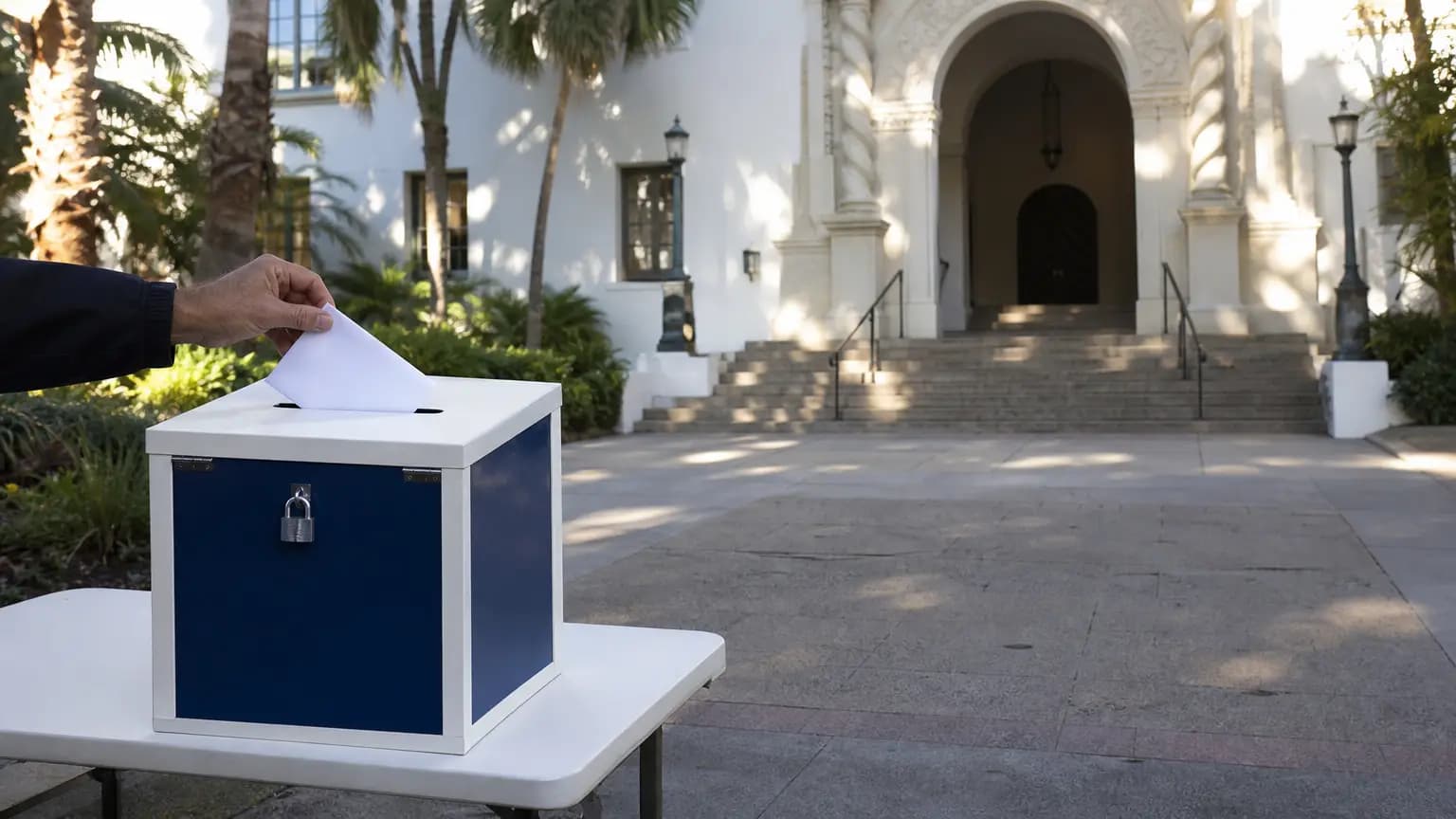
In Santa Barbara, the persistent challenge of homelessness is an inescapable reality for residents and business owners. From State Street to the waterfront, the visible impacts of the crisis have prompted growing frustration over how effectively public funds are being managed. At the center of this conversation is Measure C, a dedicated funding measure approved by voters to combat homelessness. Recently, locals have begun demanding a clearer accounting of those dollars.
The conversation was catalyzed by a recent community letter published by the Santa Barbara Independent on July 28, 2026. Authored by Santa Barbara resident Joann Olejnik, the letter succinctly captures a growing sentiment on the Central Coast: while voters willingly opened their wallets to address homelessness, they are not seeing the measurable results they expected.
"When voters approve a dedicated funding measure like Measure C, they expect more than good intentions," Olejnik wrote. "They expect transparency, accountability, and measurable results." The letter emphasized that the public's desire for data isn't about politics, but rather about basic public trust.
The Implementation of Measure C
To understand the current demands for accountability, it is essential to look at how Measure C was pitched to the Santa Barbara community. Historically, local sales tax measures designed to address homelessness have been framed around the concept of "compassionate disruption"—the idea of clearing encampments while simultaneously offering robust social services, mental health support, and housing placement.
When Measure C was placed on the ballot, residents were promised that the revenue would be strictly ring-fenced for these specific interventions. Voters backed the measure, effectively agreeing to tax themselves to fund a coordinated response to the crisis. However, as the months and years have progressed, the daily reality on the streets has left many wondering if the strategy is working.
Across the 805 region, cities have struggled to balance immediate humanitarian needs with the concerns of local businesses and neighborhood safety. In Santa Barbara, the deployment of Measure C funds involves a complex web of city agencies, nonprofit partners, and outreach workers. While city officials have periodically hosted informational sessions and released budget overviews, critics argue that these updates focus heavily on inputs—how much money is being spent and how many people are being contacted—rather than outputs, such as how many people have successfully transitioned into permanent housing and out of the system entirely.
Demands for Measurable Outcomes
The crux of the recent call to action is a pivot from financial auditing to outcome-based evaluation. Taxpayers like Olejnik are explicitly asking for proof that the ongoing investment is justified by the cost.
"Taxpayers deserve to know how their money is being spent, what outcomes are being achieved, and whether those outcomes justify the cost," the letter stated. This reflects a broader trend on the Central Coast, where residents are increasingly demanding data-driven governance.
Specifically, community members are looking for concrete metrics. How many individuals have received sustained mental health treatment funded by the measure? What is the long-term retention rate for people placed into temporary vs. permanent housing? Are 911 calls and emergency room visits related to homelessness decreasing as a result of the proactive outreach? Without these data points clearly communicated to the public, trust in the program remains fractured.
What Comes Next for the 805 Region
As Santa Barbara navigates the next phase of its homelessness strategy, the demand for transparency will likely shape the political landscape leading into future city council meetings and budget cycles. Local officials will face mounting pressure to not only continue the work funded by Measure C but to overhaul how they communicate its successes and failures to the public.
For now, the message from the community is clear. As Olejnik put it, the voters approved the funding, and now, "We deserve the answers." How city leadership responds to this demand for accountability will be a critical test of public trust in the 805 region's approach to one of its most defining challenges.
Reported by 805.life
Researched and written drawing on primary sources. Additional reporting: Santa Barbara Independent.
City
Santa BarbaraAdditional Reporting
Santa Barbara IndependentPublished
July 28, 2026
Reported and written by 805.life
Explore Santa BarbaraAll Santa Barbara NewsMore News from Santa Barbara
Al no haber arma homicida, el juicio contra Caleb Flynn se centra en la relación extramatrimonial y en el supuesto intruso
A murder trial unfolding just up the coast is drawing attention here in Santa Barbara, and it's the kind of case that's hard to look away from. Caleb Flynn's trial, reported by KEYT News Channel 3-12, has no murder weapon — instead, prosecutors are leaning on testimony about a secret church affair, thousands of deleted texts, and lies told to the FBI. Even the family dogs stayed eerily quiet that night, which has become a strange piece of the puzzle. For those of us in the 805, it's a reminder that even tight-knit communities aren't immune to the kind of drama you'd expect from a courtroom thriller. Cases like this can shake faith in neighbors and institutions, and they raise hard questions about trust and evidence. We'll be watching how the trial unfolds — not out of spectacle, but because it touches on the real lives of people not so far from home.
UCSB Recovers From Slow Start, Beats CS Northridge in Big West Volleyball Opener
Good news for Gaucho fans — UCSB women's volleyball finally got back in the win column Friday night at the Thunderdome, shaking off a slow start to beat Cal State Northridge in the Big West opener. After dropping the first set, the team looked like a squad still finding its footing following a tough preseason that ended on a six-match skid. But conference play is a fresh slate, and the Gauchos took advantage. For our Isla Vista and Goleta neighbors, there's something special about catching a match on campus — cheap tickets, loud student section, and a team that's easy to root for. Thanks to Noozhawk for the coverage. If you haven't been to a UCSB volleyball match yet, consider this your sign to check one out this season.
Cottage Health Hosts Sepsis Conference Focused on Early Recognition and Treatment
Cottage Health pulled together doctors, nurses, pharmacists, respiratory therapists and other clinicians from across the region on Friday, Sept. 18, for a conference zeroing in on one of medicine's trickiest foes: sepsis. If you've never heard the word, you're not alone — but it's a leading cause of death in hospitals, and the difference between a good outcome and a tragic one often comes down to how fast someone recognizes the signs. That's why this gathering matters here. Santa Barbara County spans a big, sometimes rural region, and not every clinic or ER has the same resources. When Cottage Health convenes providers from up and down the 805 to share protocols and lessons learned, it quietly raises the standard of care for all of us — whether you're in Goleta, Lompoc, Santa Maria or Santa Ynez. The Santa Barbara Independent first reported the conference, and it's the kind of unglamorous, behind-the-scenes work that keeps our community healthier. Next time you or a loved one lands in an ER with a puzzling fever, this is the preparation you'll be glad happened.