Medi-Cal Is Changing. Here’s What to Do If You’re Worried About Coverage
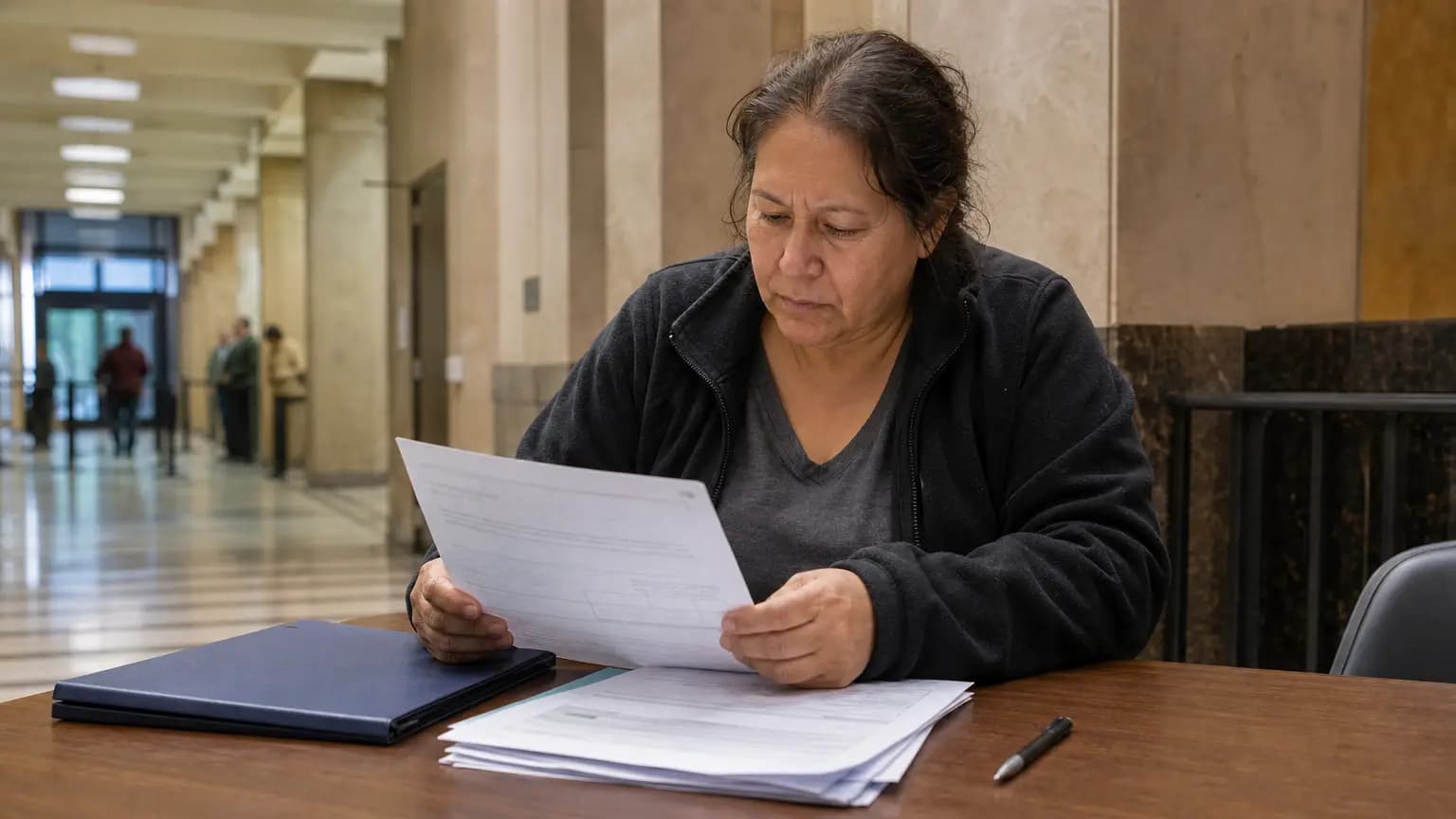
Recent shifts in state and federal healthcare policy are ushering in a wave of changes for Medi-Cal, California’s Medicaid program. While the majority of beneficiaries will not lose their coverage, the rollout of new rules has sparked confusion and anxiety across the state.
According to reporting originally published by the Santa Barbara Independent, the impending adjustments primarily impact adults without children, certain non-citizens, and seniors or individuals with disabilities. For residents on the Central Coast, navigating these updates requires proactive management of healthcare accounts.
The Most Important Step for Santa Barbara Residents
The sheer volume of upcoming changes means that staying informed is the best defense against an unexpected lapse in medical benefits. Local advocates and state officials emphasize two critical actions for anyone currently relying on Medi-Cal: update contact information with the county benefits office immediately, and consistently monitor the mail for official state letters.
Beneficiaries can ensure their phone numbers, mailing addresses, and email accounts are current by reaching out to their local county office or by creating and updating a profile on the BenefitsCal online portal. Because the state will send out notices—including standard renewal packets, which often arrive in bright yellow envelopes—responding quickly to any request for additional information is vital.
Jack Dailey, director of health policy at the Legal Aid Society of San Diego, noted that it is incredibly important for enrollees to watch their mail and be highly responsive to communications from the county.
New Work Requirements and Renewal Timelines
Close to 5 million Californians secured Medi-Cal coverage following the Obama-era expansion of eligibility, which opened the program to childless adults and those earning slightly above the federal poverty level. Now, this specific demographic faces stricter parameters to maintain their healthcare.
Effective Jan. 1, adults ages 19 to 64—along with many immigrants—must prove they are engaging in at least 80 hours of work, volunteering, or school (half-time) each month.
There are notable exemptions to these work requirements. Children, seniors, pregnant individuals, and those with severe health conditions or disabilities are exempt. Additionally, people enrolled in Medicare, individuals recently released from incarceration, American Indian and Alaska Native populations, and some former foster youth will not be subject to the 80-hour mandate.
Alongside work mandates, the frequency of eligibility checks is increasing. Beginning next March, the state will verify the income, work status, and other criteria for adults ages 19 to 64 every six months. While some of these renewals may process automatically based on existing data, beneficiaries will be notified by mail if further documentation is required.
Shifts in Immigration-Based Coverage
Non-citizens, which includes undocumented immigrants, refugees, asylum seekers, and certain green card holders, represent the group most heavily impacted by the new guidelines.
For undocumented immigrants, the landscape shifted on Jan. 1, when those over the age of 19 without legal status became unable to submit new applications for Medi-Cal (children remain eligible to apply). Those already enrolled can retain their coverage, provided they meet all standard renewal deadlines. However, if they miss a renewal window and their coverage lapses, they have a strict three-month grace period to reapply before losing eligibility entirely.
Further changes are slated for Jan. 1, 2027. At that time, undocumented immigrants will transition to a “fee-for-service” Medi-Cal model, which limits certain types of coverage. While doctor visits, mental health treatments, and prescriptions remain unaffected, patients must verify that their current providers accept this specific payment structure. Furthermore, starting July 1, 2027, adults in this demographic will lose dental coverage entirely, and those between the ages of 19 and 59 will be subjected to a $30 monthly fee.
Similarly, refugees, asylum seekers, humanitarian parolees, and survivors of domestic violence or trafficking will move to the fee-for-service model on Jan. 1, 2027. Six months later, this group will lose full-scope and dental benefits entirely, retaining coverage only for pregnancy and emergency medical services.
Asset Limits for Seniors and People with Disabilities
The modifications extend beyond childless adults and immigrant populations. Starting July 1, 2027, seniors (ages 65 and older) and individuals with disabilities will be subject to strict asset limits to qualify for Medi-Cal.
Under the new rules, a single individual cannot own more than $21,000 in countable assets, which include savings accounts, cash, and secondary property. For couples, the asset limit is capped at $31,000. Primary residences and a single vehicle are excluded from these calculations.
Because deciphering what qualifies as an asset can be complex, officials recommend that seniors and disabled beneficiaries consult their county benefits office, legal aid groups, or review the state's online FAQ for clarity.
Where to Find Help in the 805
As healthcare rules continue to shift, community resources are stepping up to bridge the information gap. Alongside county offices and the BenefitsCal portal, local promotoras—community health workers—and legal aid organizations are equipped to help residents understand their specific circumstances. By keeping contact information current and diligently reviewing mail from the state, Central Coast residents can navigate the turbulent changes and maintain their access to vital medical care.
Reported by 805.life
Researched and written drawing on primary sources. Additional reporting: Santa Barbara Independent.
City
Santa BarbaraAdditional Reporting
Santa Barbara IndependentPublished
August 8, 2026
Reported and written by 805.life
Explore Santa BarbaraAll Santa Barbara NewsMore News from Santa Barbara
Al no haber arma homicida, el juicio contra Caleb Flynn se centra en la relación extramatrimonial y en el supuesto intruso
A murder trial unfolding just up the coast is drawing attention here in Santa Barbara, and it's the kind of case that's hard to look away from. Caleb Flynn's trial, reported by KEYT News Channel 3-12, has no murder weapon — instead, prosecutors are leaning on testimony about a secret church affair, thousands of deleted texts, and lies told to the FBI. Even the family dogs stayed eerily quiet that night, which has become a strange piece of the puzzle. For those of us in the 805, it's a reminder that even tight-knit communities aren't immune to the kind of drama you'd expect from a courtroom thriller. Cases like this can shake faith in neighbors and institutions, and they raise hard questions about trust and evidence. We'll be watching how the trial unfolds — not out of spectacle, but because it touches on the real lives of people not so far from home.
UCSB Recovers From Slow Start, Beats CS Northridge in Big West Volleyball Opener
Good news for Gaucho fans — UCSB women's volleyball finally got back in the win column Friday night at the Thunderdome, shaking off a slow start to beat Cal State Northridge in the Big West opener. After dropping the first set, the team looked like a squad still finding its footing following a tough preseason that ended on a six-match skid. But conference play is a fresh slate, and the Gauchos took advantage. For our Isla Vista and Goleta neighbors, there's something special about catching a match on campus — cheap tickets, loud student section, and a team that's easy to root for. Thanks to Noozhawk for the coverage. If you haven't been to a UCSB volleyball match yet, consider this your sign to check one out this season.
Cottage Health Hosts Sepsis Conference Focused on Early Recognition and Treatment
Cottage Health pulled together doctors, nurses, pharmacists, respiratory therapists and other clinicians from across the region on Friday, Sept. 18, for a conference zeroing in on one of medicine's trickiest foes: sepsis. If you've never heard the word, you're not alone — but it's a leading cause of death in hospitals, and the difference between a good outcome and a tragic one often comes down to how fast someone recognizes the signs. That's why this gathering matters here. Santa Barbara County spans a big, sometimes rural region, and not every clinic or ER has the same resources. When Cottage Health convenes providers from up and down the 805 to share protocols and lessons learned, it quietly raises the standard of care for all of us — whether you're in Goleta, Lompoc, Santa Maria or Santa Ynez. The Santa Barbara Independent first reported the conference, and it's the kind of unglamorous, behind-the-scenes work that keeps our community healthier. Next time you or a loved one lands in an ER with a puzzling fever, this is the preparation you'll be glad happened.