Meta to Pay $17 Billion — and Limit ‘Likes’ for Teens — in Social Media Settlement with States
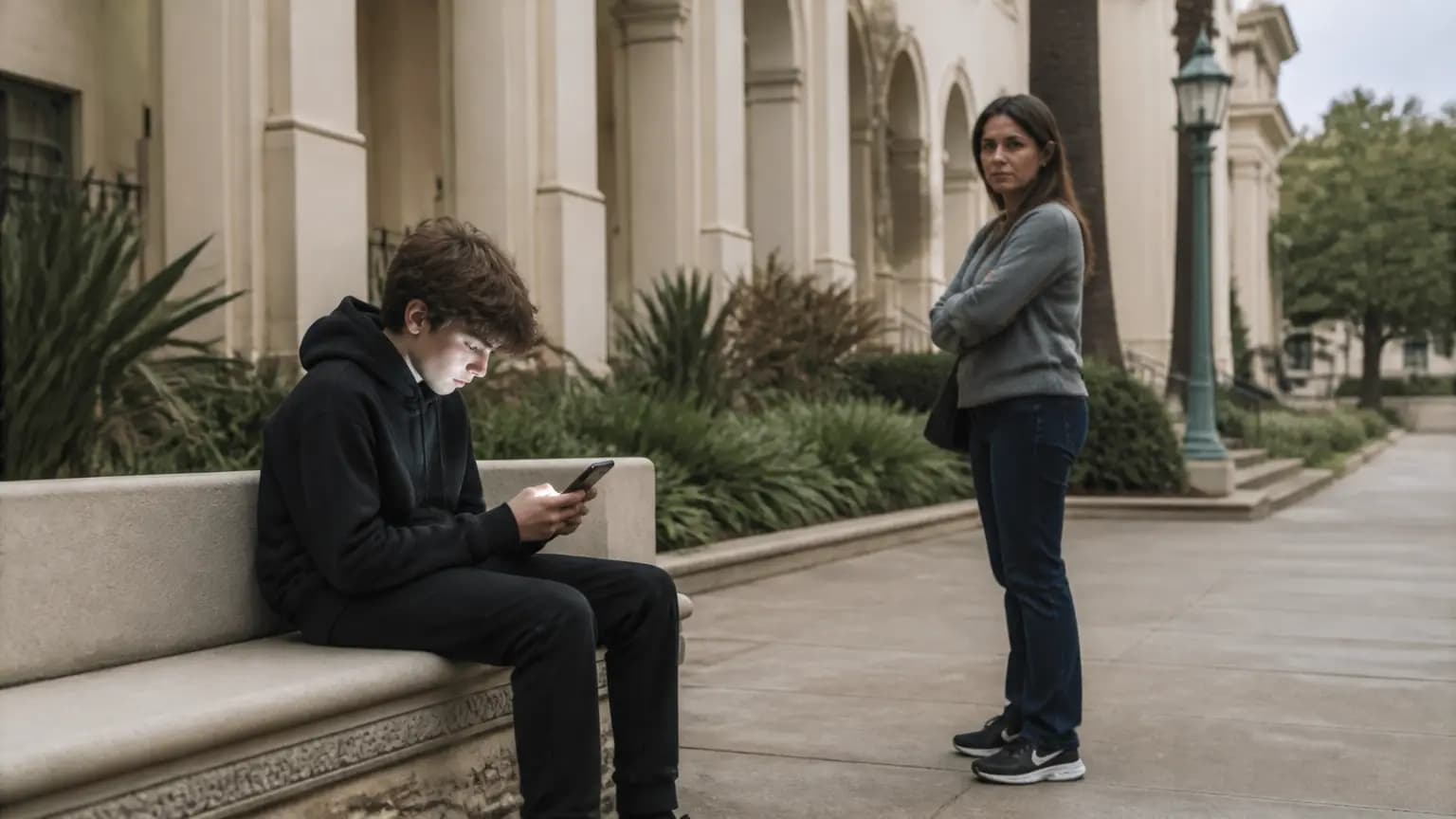
One of the largest legal reckonings in the history of social media landed this week, and its effects are expected to reach households across Santa Barbara County. Meta, the parent company of Facebook and Instagram, has agreed to pay up to $17 billion and to fundamentally reshape how its platforms treat users under 18 in order to settle a sweeping lawsuit brought by 47 states, including California, over allegations that the company deliberately engineered its products to be addictive to children.
California is set to receive up to $2.1 billion if a judge approves the deal, according to a statement from state Attorney General Rob Bonta. The Santa Barbara Independent, republishing reporting from CalMatters, noted that Meta's base payment exceeds $12 billion, with the total potentially rising to $17 billion over 10 years if other social media companies settle related claims, according to the New York Times.
What Meta Must Change for Teens
The proposed settlement goes far beyond money. If approved by a court, Meta would be required to make substantial changes to how Instagram and Facebook operate for minors, including:
- A daily time limit of two hours for users under 18 — reduced to one hour if other social media platforms agree to similar limits
- Hiding likes and reaction counts from users under 18
- A halt to notifications sent to underage users overnight or during typical school hours
- A new mechanism for teens to report harmful content
- A requirement that Meta respond to 90 percent of harmful content reports within six hours
Bonta said the company also agreed to a broader review and improvement of teen safety protections, including what he described as a block on the app during critical overnight hours and bans on plastic surgery filters.
"Meta has agreed to make massive transformations that will reduce the risk of harm from its platforms — and will do it within months," Bonta said in his office's statement.
For Santa Barbara parents, teachers, and school administrators who have spent years raising alarms about teen screen time and mental health, the changes could be tangible — a middle schooler in Goleta or the Mesa would, under the settlement, hit a hard daily cap on Instagram and stop receiving the late-night pings that sleep researchers and counselors have long flagged as harmful.
A Case Compared to Big Tobacco
The lawsuit, led by the attorneys general of California, Colorado, Kentucky, and New Jersey, accused Meta of knowingly building addictive products and promoting them to children even as its own internal research showed mental health harms. Observers compared the litigation to past court battles against Big Tobacco, and it was viewed as a major test of similar cases working their way through courts nationwide.
The timing was dramatic: opening arguments had begun just last week in an Oakland federal courtroom, with a weekslong trial anticipated before the settlement abruptly ended the proceeding.
Meta's legal position had already been weakening. Earlier this year, according to the CalMatters report, Meta and Google were found liable by a Los Angeles jury in a suit testing similar claims, and Meta lost a comparable case in New Mexico. But Wednesday's settlement eclipses any prior legal challenge to the company.
Attorneys Lexi Hazam and Previn Warren, who have represented families and school districts in litigation against tech companies, called the settlement "a major step toward holding Meta accountable for the harm its platforms have caused young people" — while noting that the fight is not over. Meta continues to face claims from parents and school districts around the country, and Google, Snap, and TikTok are among the companies confronting similar suits.
"We will not rest until every one of these plaintiffs sees justice for the harms caused by all of the defendants' platforms," Hazam and Warren said in a statement. A Meta spokesperson did not immediately respond to a request for comment, according to the original report.
What It Means for California — and Santa Barbara
The money is substantial. Meta will earmark a portion of the settlement funds to address mental health harms to children, while the California Legislature and governor will decide how to spend another portion of the state's share. For local families and school districts — some of which have joined their own litigation against social media companies nationwide — the influx of resources could eventually support mental health programming, though any allocation will depend on decisions in Sacramento and court approval of the deal itself.
The settlement also builds on groundwork California has already laid. The state has passed several bills regulating how children interact with social media, including measures that mirror the settlement's design changes, such as restricting notifications during school hours.
What Comes Next
The deal is not yet final. A federal judge must approve the settlement terms before the payments and platform changes take effect, and the outcome of related claims against other social media companies will determine whether the total payout climbs toward the $17 billion ceiling.
In the meantime, Santa Barbara County parents won't see changes immediately — but if the settlement is approved, the way local teenagers scroll, like, and get notified could look very different within months.
This article is based on reporting by Colin Lecher of CalMatters, republished by the Santa Barbara Independent.
Reported by 805.life
Researched and written drawing on primary sources. Additional reporting: Santa Barbara Independent.
City
Santa BarbaraAdditional Reporting
Santa Barbara IndependentPublished
August 26, 2026
Reported and written by 805.life
Explore Santa BarbaraAll Santa Barbara NewsMore News from Santa Barbara
 Santa Barbara
Shorthanded Bishop Diego no match for Marmonte League foe St. Bonaventure
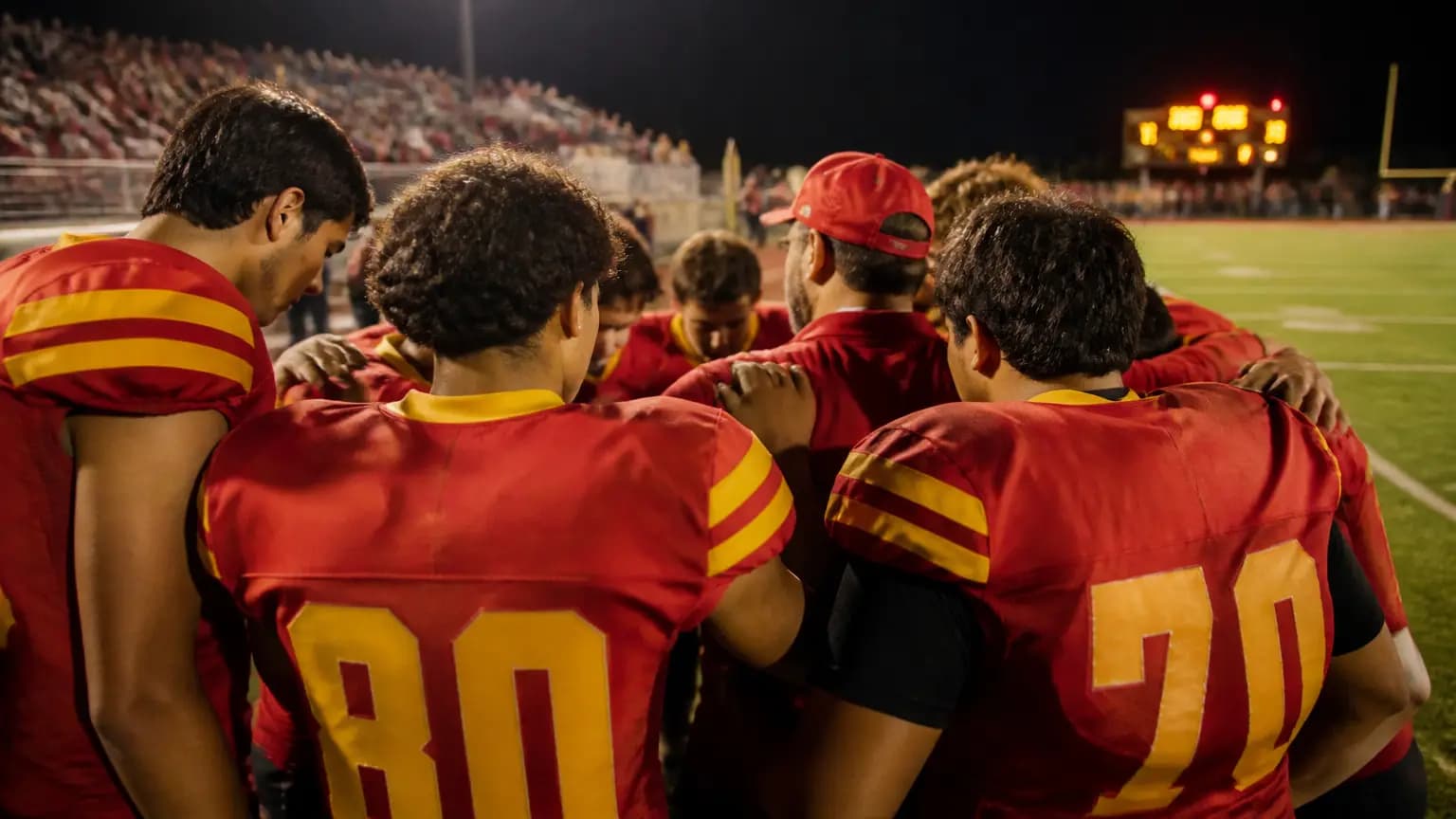
Tough Friday night for the Cardinals, and honestly, you have to feel for these kids. Bishop Diego fell 42-0 to St. Bonaventure, their fifth straight loss, but the scoreboard doesn't tell the whole story — the team is down close to ten players for the season with injuries. That's not a depth problem, that's a numbers problem. St. Bonaventure's Tony Dargan punched in two rushing touchdowns before halftime as the Seraphs rolled to a 21-0 lead, and the Marmonte League gap was just too much for a shorthanded Bishop Diego squad. For a small school on the Mesa, suiting up week after week with that many guys out says something about the players still grinding out there. If you see a Cardinal player around town this week, give them a nod. Thanks to KEYT News Channel 3-12 for keeping eyes on our local teams, even in the hard seasons.
 Santa Barbara
The Santa Barbara Way Includes and Values All Community Voices
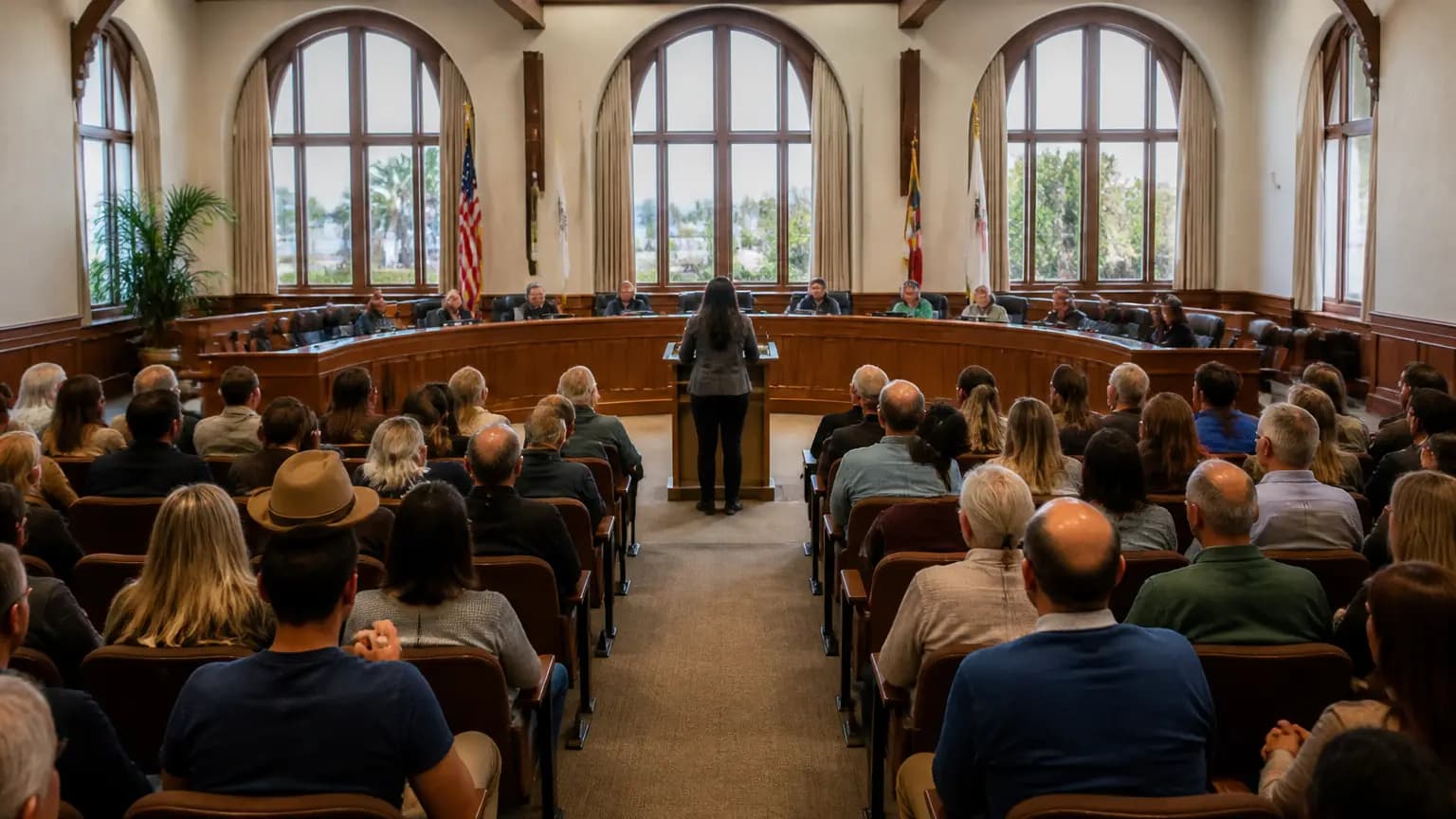
If you've felt a little tension around town lately, you're not imagining it. A recent piece in the Santa Barbara Independent makes the case that the division we're sensing isn't the Santa Barbara way at all — it's what happens when whole segments of our community get left out of the conversation. That resonates here on the Central Coast. From the Eastside to Goleta to Carpinteria, our strength has always been that neighbors show up, listen, and make room for each other. When voices get sidelined, decisions stop reflecting who we actually are. The good news? This is fixable, and it starts small — at kitchen tables, on front porches, and in the comment sections. Let's keep inviting everyone in. That's the 805 way, and it's the Santa Barbara way too.
 Santa Barbara
Departamento de Policía: Accidente fatal con fuga
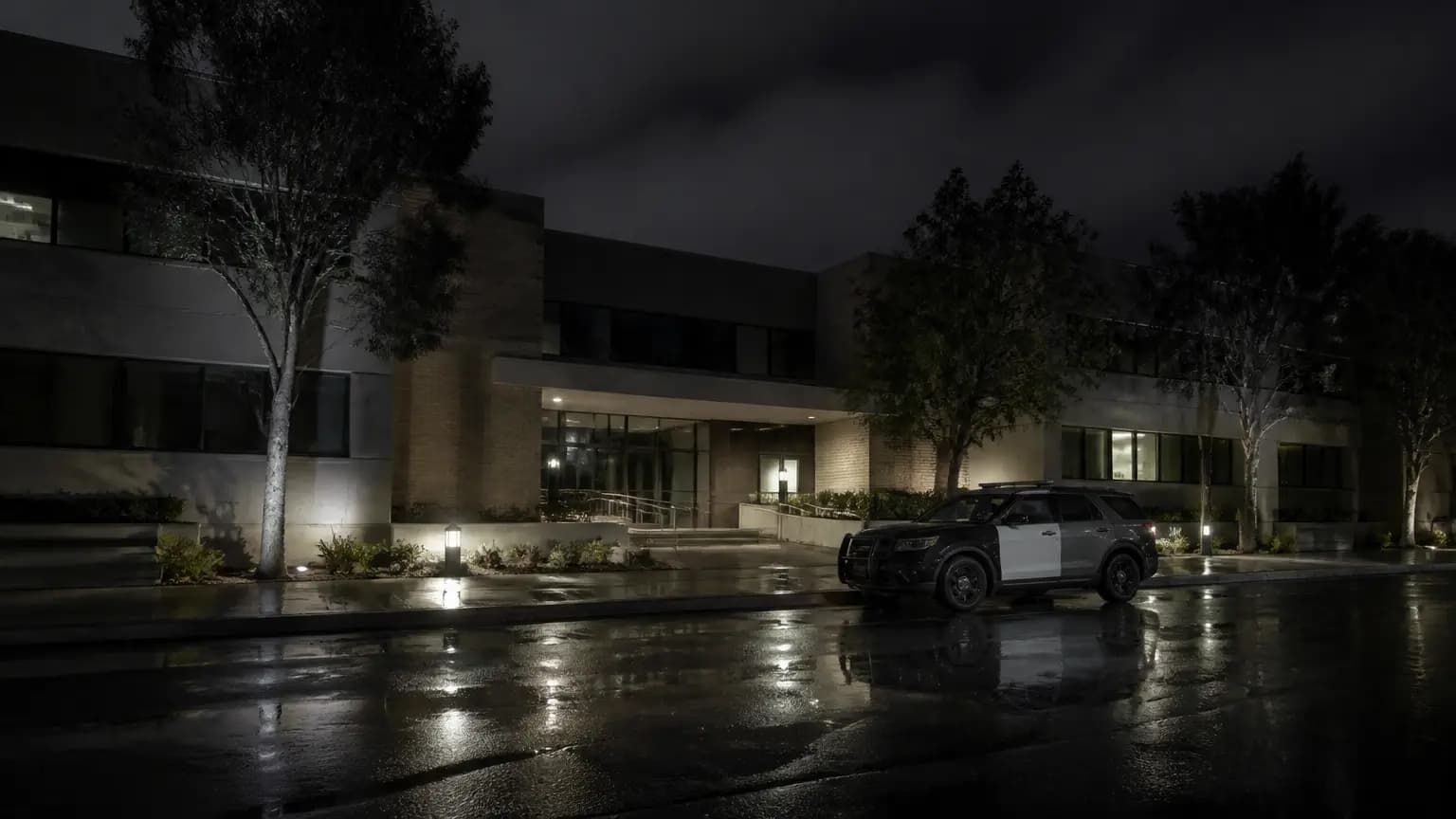
Late Thursday night, Santa Barbara police responded to a fatal hit-and-run crash near our neighborhood streets around 10:09 p.m. This is the kind of news that hits hard here — we know these roads, we walk them with our kids, and someone out there chose to drive away instead of stopping. If you were in the area that night or saw anything unusual, please reach out to the Santa Barbara Police Department. Even a small detail can help bring answers to a grieving family. The Santa Barbara Independent first reported the story, and we'll keep following it as more information becomes available. Take care of each other out there, Santa Barbara. And if you know the driver, do the right thing — come forward.