Newsom Signs Bill Extending Farmer-to-Food Bank Tax Credit to 2032
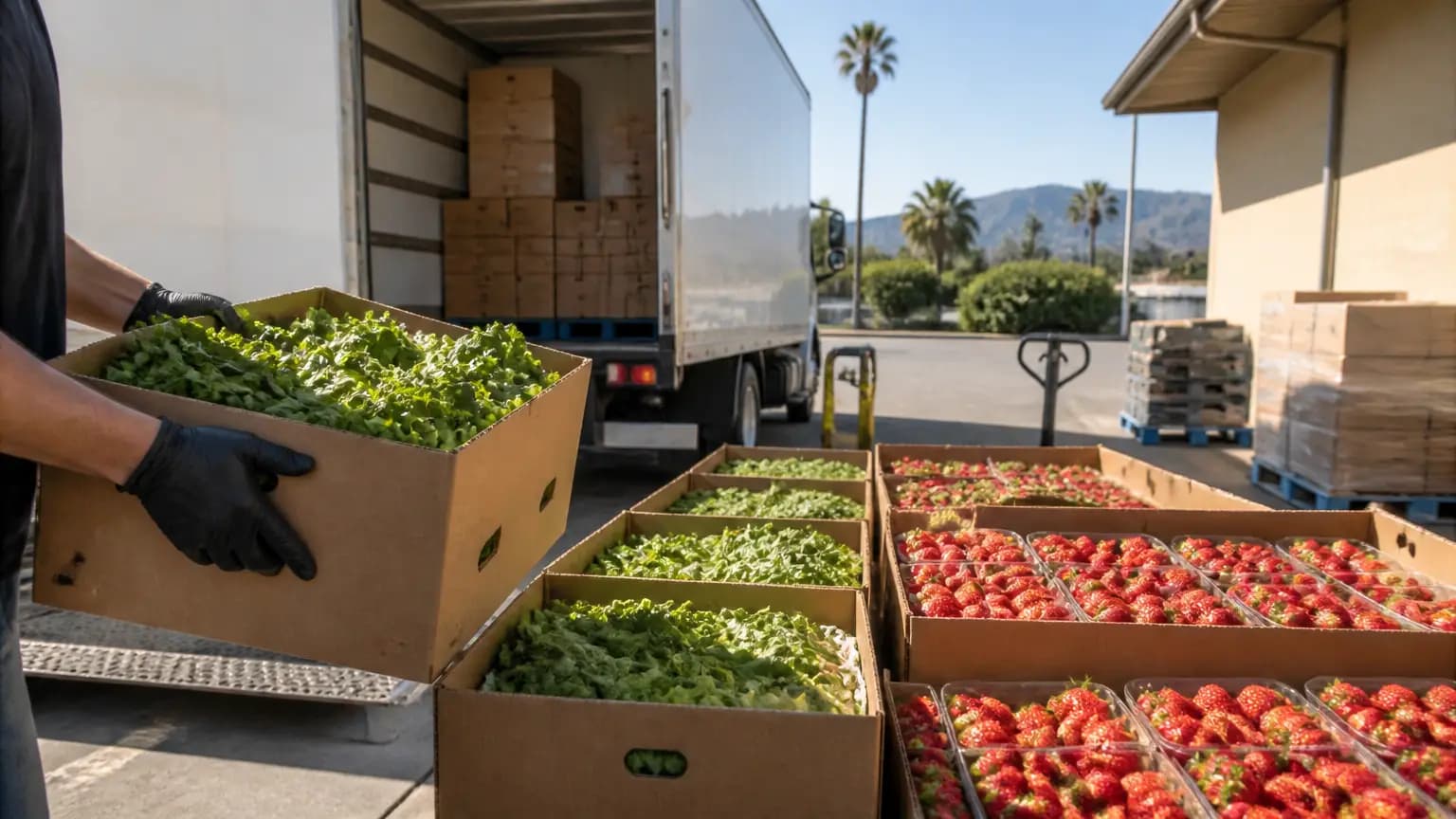
Santa Barbara County farmers and food security advocates got good news in late September, when Governor Gavin Newsom signed legislation extending California's Farmer to Food Bank tax credit through 2032. The credit, which had been set to expire in January, allows growers to reduce their taxable income by 15 percent when they donate produce, dairy, meat, beans, and other foods to food banks — a policy that local leaders say could help feed thousands of county residents at a moment when federal food assistance is shrinking.
Newsom signed the bill on September 27, according to the Santa Barbara Independent, which first reported the story locally. This year's extension was authored by Senator Jerry McNerney, a Democrat, with Senators Marie Alvarado-Gil, a Republican, and Laura Richardson, a Democrat, co-authoring.
The credit dates to 2011 and has been renewed twice before. Farmers must document their donations to claim the reduction at tax time.
What It Means for the Foodbank of Santa Barbara County
For the Foodbank of Santa Barbara County, the extension could be a building block for growth. CEO Erik Talkin told the Independent the renewed credit could help the organization expand its Farms to Foodbank program, an 18-month-old initiative launched after the U.S. Department of Agriculture canceled its Local Food Purchase Assistance Cooperative Agreement Program — a federal effort that paid small farms upfront for food destined for local food banks.
Since Farms to Foodbank began, Talkin said, it has gathered more than 718,000 pounds of local produce and raised more than $1 million to support the effort. The program fills a gap the USDA cancellation left behind, particularly for small growers who can't afford to wait months for reimbursement.
The timing matters locally. Roughly 53,000 people in Santa Barbara County use SNAP benefits — known in California as CalFresh — including nearly 20,000 children, according to figures cited by the Independent. And that safety net is fraying: changes to SNAP earlier this year tightened work requirements and made refugees ineligible for the program, and an estimated 337,710 people across California have lost benefits, according to the Center on Budget and Policy Priorities, a left-leaning research institute.
With fewer residents able to buy groceries with federal dollars, food banks and gleaning organizations are absorbing more of the demand — making donated local produce a growing part of the equation.
A Lifeline With Limits for Small Farms
While welcomed across the agricultural community, the tax credit isn't a cure-all, especially for small operations.
Megan Raff, who co-owns Dare 2 Dream Farms, a 40-acre family farm in Lompoc, with her husband, told the Independent the credit is a good thing that could help reduce food waste — particularly for larger farms. But she noted that margins are tight for small farmers, who often can't afford to wait until their annual tax filing to see the financial benefit of a donation.
That delay is baked into the credit's design: growers absorb the cost of donated food upfront and recoup a portion of it months later at tax time. Upfront payment programs — like the canceled USDA Local Food Purchase Assistance Cooperative Agreement Program — addressed that problem directly, which is why Raff pointed to it as an important support for small farms.
California took a step toward replacing it in June, when the state voted to fund a statewide version of the USDA program for one year. Details of how the state-level program will operate remain unclear, leaving farmers and food banks waiting for guidance.
Veggie Rescue Weighs In
The tax credit's reach may extend beyond traditional food banks. Other nonprofits working to fight food insecurity could qualify, and at least one Santa Barbara County organization is exploring whether it can participate.
Veggie Rescue, a nonprofit that collects excess produce from farms, backyards, and businesses and delivers it to organizations feeding people in need, is currently evaluating whether the credit applies to its model, the group told the Independent.
The organization is growing. Executive Director Eryn Shugart said Veggie Rescue collected nearly three-fourths of a million pounds of donated food last year for delivery to people facing hunger. If the credit applies, donations from farms could become even more attractive for growers who work with the gleaning nonprofit.
Why It Matters Here
Santa Barbara County is simultaneously one of California's most productive agricultural regions and home to significant food insecurity — a paradox that programs like Farms to Foodbank and Veggie Rescue work to close. The county's farms grow everything from strawberries and vegetables to cut flowers, and unsold or surplus harvest has long represented both a waste problem and a missed opportunity to feed neighbors.
The tax credit's extension through 2032 gives growers long-term certainty that donating food carries at least a partial financial benefit, rather than relying on year-to-year renewals that leave planning in limbo.
Still, local leaders caution that the credit is one tool among many. The upfront-payment model — through the Foodbank's own purchasing program and the state's nascent replacement for the USDA program — remains critical for small farms operating on thin margins. And with tens of thousands of county residents affected by SNAP cuts, demand at distribution sites shows no sign of easing.
For now, the extension offers a measure of stability: farmers who donate can count on the credit for the next six years, food banks can plan around a steadier supply of California-grown food, and residents struggling with grocery costs may see more local produce at distribution sites from Santa Maria to Carpinteria.
Reported by 805.life
Researched and written drawing on primary sources. Additional reporting: Santa Barbara Independent.
City
Santa BarbaraAdditional Reporting
Santa Barbara IndependentPublished
October 4, 2026
Reported and written by 805.life
Explore Santa BarbaraAll Santa Barbara NewsMore News from Santa Barbara
 Santa Barbara
Where Did Our Neighborhood Ballot Drop Boxes Go?
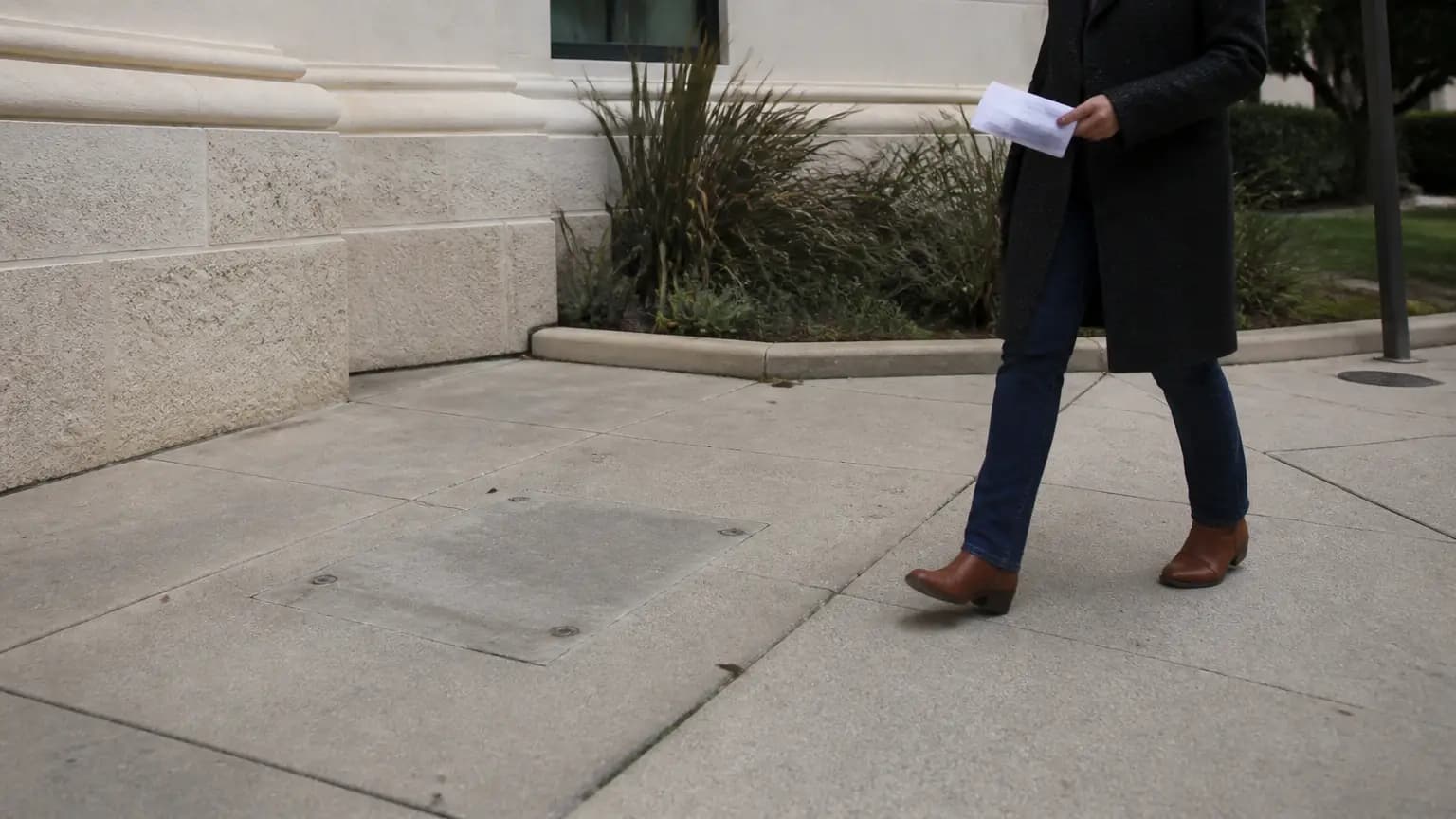
Hey neighbors — if you usually walk your ballot to the drop box on the Westside or Eastside, you may have noticed something missing. The Santa Barbara Independent reports that local voters are asking Registrar of Elections Joe Holland to bring back those official boxes by October 5, the date our county voter guide says drop boxes should be open. This isn't a small thing in a city where plenty of us don't drive to the downtown office, and where a short walk to drop off a ballot is how a lot of folks actually vote. Losing those spots quietly makes voting harder for the people who rely on them most — renters, seniors, families juggling work and school. So check your voter guide, find your nearest box, and if it's gone, say something. The Independent's full post has the details, and the county should hear from all of us before the deadline hits.
 Santa Barbara
Mark Patton: Pitcher Jesse Orosco Felt on Top of the World Series 40 Years Ago in Epic October Classic
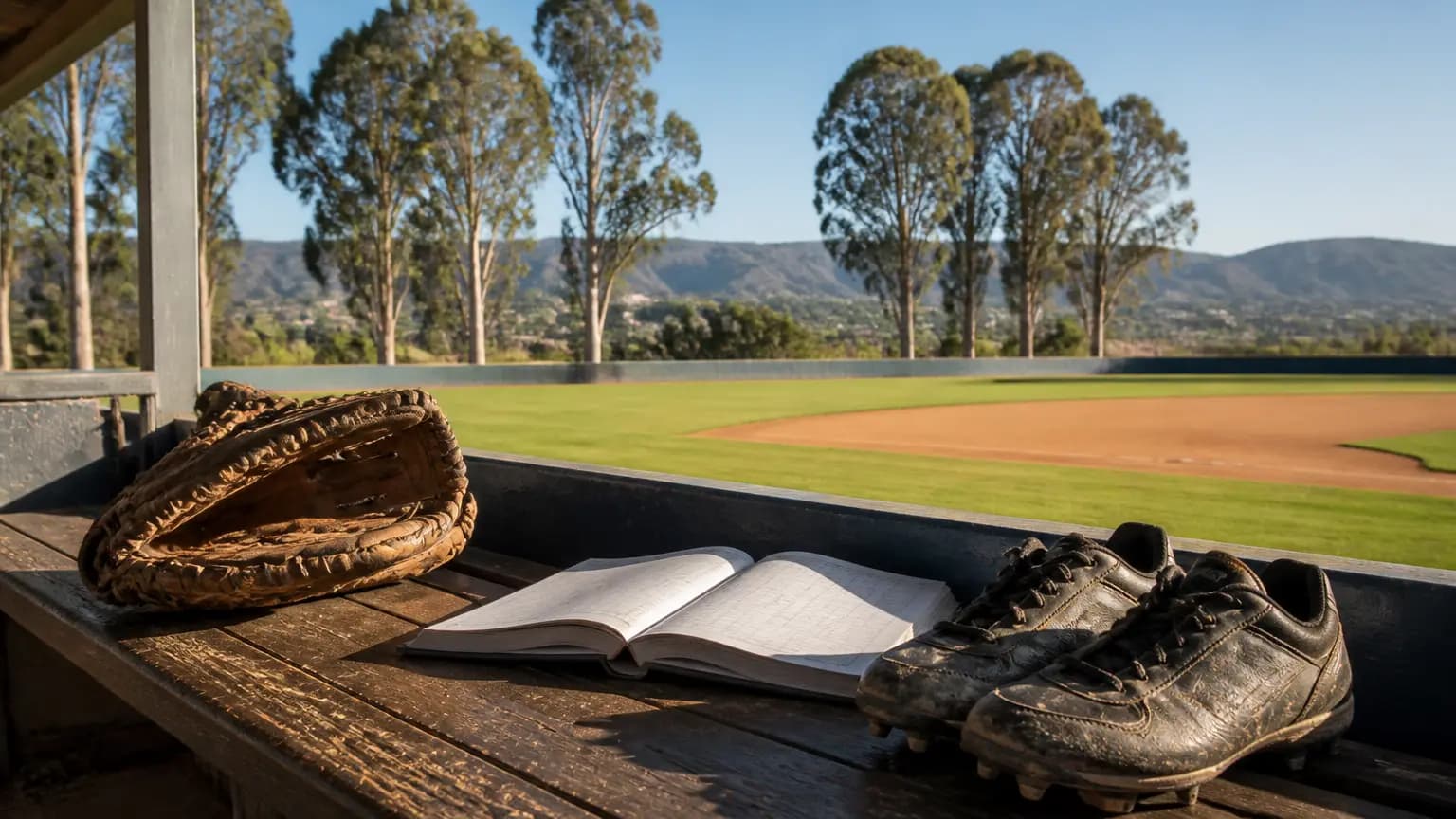
Forty years ago this month, a kid who'd been mowing down hitters for Rusty Fairly's Vaqueros at Santa Barbara City College stood on the mound in one of the wildest World Series ever played. Jesse Orosco's journey from SBCC's diamond to October glory is the kind of story that makes you love living here — our small-town ballfields really do send players to the biggest stages. Mark Patton's piece for Noozhawk brings it all back, including his own 1979 interview with the rookie Orosco. There's something special about a local writer remembering when a future World Series hero was just another Santa Barbara kid chasing a dream. Take a minute to read it. It's a warm reminder that greatness sometimes starts right here on the Central Coast, one pitch at a time.
 Santa Barbara
RESCHEDULED: Akram Khan Company Performance will be on Tuesday, October 20 at 7:30 PM at The Granada Theatre
Heads up, Santa Barbara — if you had tickets to see the Akram Khan Company at The Granada Theatre, your evening out just shifted. The performance has been rescheduled to Tuesday, October 20 at 7:30 PM due to unforeseen circumstances on the company's end. The Granada is one of our crown jewels downtown, and a night there is always worth planning around — dinner on State Street, a stroll past the marquee, then world-class dance on that historic stage. Akram Khan's work is the kind of thing that doesn't come through the 805 often, so it's worth holding onto those tickets. As the Santa Barbara Independent reports, this is a date change only, so keep an eye on your inbox for updated ticket info. Mark the new date, and we'll see you at the Granada.