Newsom won’t extend Diablo Canyon operations past 2030
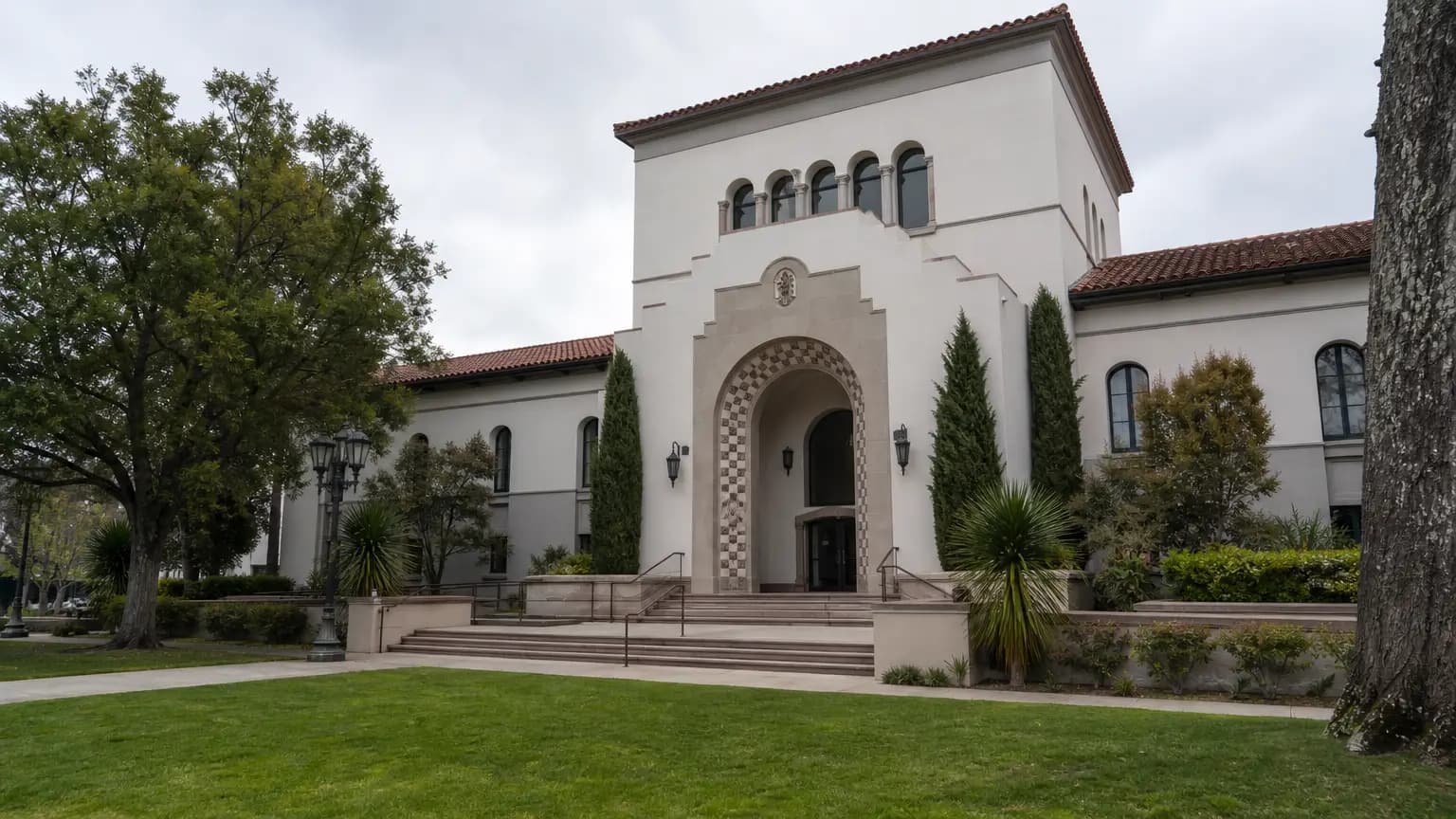
Just months after federal regulators approved a sweeping 20-year license renewal for the Diablo Canyon Nuclear Power Plant, Governor Gavin Newsom has announced he will not pursue the state approvals required to keep the facility running past 2030.
With less than six months remaining in his final term, Newsom stated Friday that the monumental decision regarding the San Luis Obispo County landmark will be left to the next administration, according to the CalCoastNews. The announcement leaves the long-term future of California's largest single source of electricity in a state of political limbo, drawing mixed reactions from state lawmakers, energy experts, and local residents.
A Tug-of-War Over California's Energy Future
The governor's decision directly contradicts a recent push by a coalition of state and local elected officials. On Aug. 4, a bipartisan group of lawmakers sent a letter to Newsom and the California Legislature urging them to approve an extension for Diablo Canyon through 2045. The officials argued that extending the plant's operational life was a necessary step to address constituent demands for energy affordability and reliability.
“As elected officials throughout California... what we have been hearing loud and clear is that they want immediate action from lawmakers addressing affordability,” the letter stated, as reported by CalCoastNews. The coalition pushed for legislative action this year to secure a steady, carbon-free power supply.
Newsom’s refusal to act on the state-level extension introduces a significant hurdle for Pacific Gas & Electric (PG&E), which operates the plant. While the federal government has given its blessing, the utility cannot fully utilize the renewed licenses without explicit backing from the state of California.
Federal Approval vs. State Roadblocks
The path to a long-term extension for Diablo Canyon appeared clear this past spring. In April, the U.S. Nuclear Regulatory Commission (NRC) approved a 20-year license renewal for the facility's two reactors. Under the federal renewal, Unit 1's operating license would extend to Nov. 2, 2044, and Unit 2's license would run until Aug. 26, 2045.
When the NRC announced the federal renewal, Newsom himself celebrated the decision. In an April statement, he commended the license approval, framing it as a vital step in California’s broader clean energy transition. He highlighted the move as a way to create good-paying jobs, combat climate change, and cement the Golden State as a "global powerhouse" in green energy.
However, Newsom's recent announcement creates a significant gap between federal approval and state cooperation. California's complex energy grid oversight requires state-level agreement to underwrite the operational costs and regulatory framework needed to keep the nuclear plant online. By stepping back from the extension, Newsom effectively stalls the process until a new governor takes office in 2027.
A Brief History of Diablo's Lifespan
The debate over Diablo Canyon’s future has been a decades-long saga for residents of the Central Coast. For years, PG&E operated under an agreement to completely shut down the plant by 2025. That timeline was abruptly upended earlier in the 2020s amid growing concerns over statewide power shortages, extreme heatwaves, and the slow rollout of renewable energy infrastructure.
Both state and federal officials eventually backed a shorter-term extension to keep the reactors running through 2030, a move designed to provide grid stability while California transitions to solar, wind, and battery storage. The NRC's 20-year renewal was viewed by many in the energy sector as a necessary evolution of that strategy, providing a reliable, zero-emissions baseload power source well into the mid-century.
For San Luis Obispo County, the plant's operational status is a major economic and social driver. Diablo Canyon employs over a thousand of workers and contributes significantly to the local tax base. The facility's presence has shaped the Central Coast economy, making its eventual closure a pressing concern for local workforce planning.
What Happens Next?
With Newsom punting the decision to the next administration, the fate of Diablo Canyon will likely become a defining issue in the upcoming 2026 gubernatorial race. Candidates will be forced to weigh the immediate economic and grid-reliability benefits of the nuclear plant against the desires of environmental advocacy groups who have long called for its closure.
In the short term, residents of the 805 region will see little operational change. Diablo Canyon will continue to generate roughly 2,250 megawatts of electricity—enough to power more than three million homes—and remains a critical safeguard against rolling blackouts during California's hottest summer months.
However, the long-term planning for San Luis Obispo County remains clouded. The state's energy agencies will now have to draft contingency grid plans that account for a potential 2030 closure, while PG&E and local lawmakers wait to see if the next governor will embrace nuclear power for decades to come, or finally pull the plug on Diablo Canyon.
Reported by 805.life
Researched and written drawing on primary sources. Additional reporting: CalCoastNews.
City
San Luis ObispoAdditional Reporting
CalCoastNewsPublished
August 10, 2026
Reported and written by 805.life
Explore San Luis ObispoAll San Luis Obispo NewsMore News from San Luis Obispo
Starbucks Coffee closing three store in San Luis Obispo
So it looks like we're losing three Starbucks locations here in SLO, part of a bigger wave of 250 closures across the U.S. and Canada that the company announced Thursday. CalCoastNews reports the chain didn't name the specific stores, but a Starbucks fan put together a list that includes three right here in San Luis Obispo. Whether you're a daily drive-thru regular or just grab a latte before hitting the Thursday night farmers market, this one hits a little close to home. Local coffee shops, of course, are probably raising an eyebrow — and maybe a mug — at the news. No word yet on which exact spots will close or when, so keep an eye out. In the meantime, this might be the perfect excuse to finally try that neighborhood café you've been meaning to visit.
 San Luis Obispo
Hundreds of San Luis Obispo County residents win quiet title lawsuit
Big news for hundreds of our neighbors across North County. A judge ruled Thursday that the 800-plus residents who joined a quiet title lawsuit to protect their right to use water from the Paso Robles Groundwater Basin without charge have won their case, according to CalCoastNews. That means water districts can no longer force these plaintiffs to pay fees or taxes just for using the groundwater beneath their own land. For a region where water is everything—ranches, vineyards, family homes—this isn't just a legal footnote. It's about who gets to decide how local water is used and paid for. Paso Robles has been at the center of California's groundwater debates for years, and this ruling gives these residents some hard-won certainty. We'll be watching to see how the districts respond and what it means for everyone else relying on the basin. For now, it's a genuine win for a lot of folks who just wanted to keep their water rights intact.
 San Luis Obispo
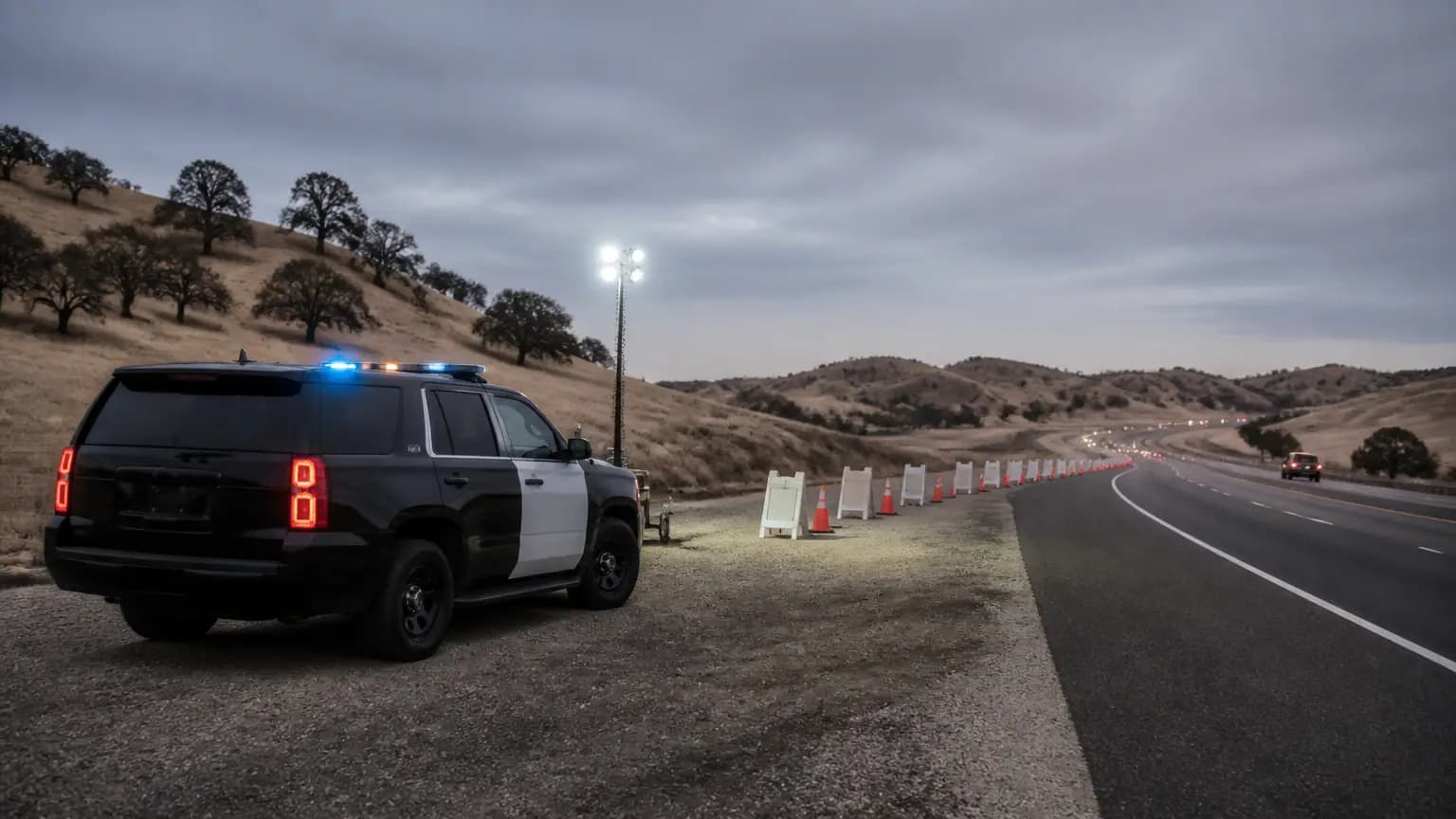
Templeton CHP officers holding DUI checkpoint Saturday night
Heads up, North County — Templeton CHP is running a DUI checkpoint somewhere in SLO County Saturday night. As always, they're keeping the exact spot under wraps, choosing it based on where crashes and DUI arrests have clustered in the past. If you're out on the 101 or winding home from a wine-country dinner, expect officers checking licenses and insurance, and keeping an eye out for signs of impairment. Here's the thing: checkpoints aren't really about catching folks off guard. They're about getting people to think twice before getting behind the wheel after a few glasses of Paso or Templeton wine. We love our tasting rooms and late dinners around here — that's exactly why this matters. Plan a designated driver, call a rideshare, or just stay put. CalCoastNews had the original heads-up, and we're passing it along because a little planning keeps everyone safer on our roads. Stay safe out there, neighbors.