Offshore Fracking Proposal in Santa Barbara Channel Shot Down by Coastal Commission
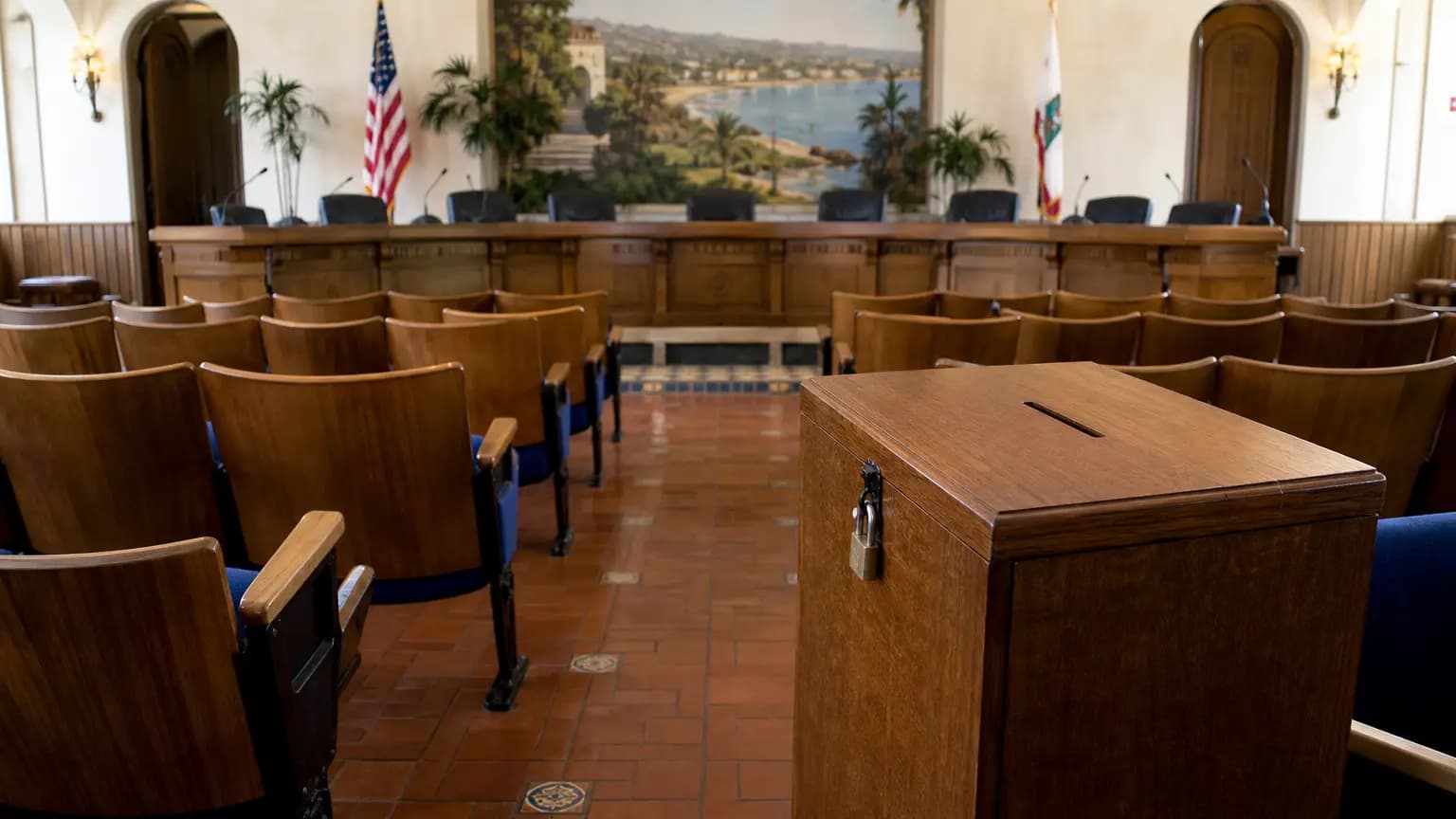
The California Coastal Commission delivered a unanimous rebuke on August 13 to an oil company's push to revive offshore hydraulic fracturing in the Santa Barbara Channel — waters that generations of Central Coast residents have fought to protect since a catastrophic 1969 spill reshaped the American environmental movement. But the fight is far from over: the federal government retains the power to override the commission's vote, and it has already signaled it may do exactly that.
What the Commission Decided — and Why
Meeting in Santa Cruz, the commission voted unanimously to formally object to a proposal by Oxnard-based DCOR, LLC to conduct hydraulic fracturing — "fracking" — at Platform Gilda, an aging offshore oil and gas structure sitting approximately 8.8 miles southwest of Ventura in the Santa Barbara Channel, in roughly 205 feet of water. As KCLU reported, the plan would have boosted daily production from about 1,100 barrels to 4,000 barrels per day.
The commission's staff report grounded the objection in two core concerns: the risk of an oil spill in ecologically sensitive federal waters and the structural integrity of a platform now well past its originally intended lifespan. Commissioners pointed to the dangers of containing a spill on the open ocean, particularly in rough seas or at night, as reported by the Santa Barbara Independent. They also cited the uncharted hazards posed by highly toxic fracking fluids injected into drill seams some 5,000 feet below the seafloor at pressures up to 10,000 pounds per square inch.
The specific technique DCOR proposed is known as "frac packing," a form of hydraulic fracturing. The Coastal Commission's staff report noted the project would rely on "new and intensified uses of the existing offshore production, processing, and transportation system" without constructing any new platforms or pipelines — but commissioners were not reassured.
A Platform Built for a Different Era
Platform Gilda was installed in 1981 and has been in continuous operation since — a lifespan that has already exceeded what engineers originally envisioned. The Independent reported that the platform was approved 45 years ago for conventional oil and gas drilling, with an expected operational life roughly half that long. The commission's staff questioned whether the aging structure could safely bear another two decades of intensified use.
DCOR pushed back on that framing. A company representative — the only voice at the hearing in favor of the proposal — argued the realistic extension would be closer to five additional years rather than the 20 cited by commission staff. He was outnumbered: approximately 30 speakers representing a broad coalition of environmental groups testified in opposition, according to the Independent.
This is the first fracking proposal off the California coast in more than a decade. DCOR submitted the proposal to the Bureau of Ocean Energy Management in March. The federal Bureau of Ocean Energy Management released a final environmental impact statement in April 2026, analyzing potential impacts on up to 16 existing wells — four in the Upper Repetto formation and 12 in the Lower Repetto, with fracturing proposed at depths greater than 4,500 feet below the seafloor.
Local Voices, Long Memory
For Santa Barbara, the specter of offshore drilling disasters is not abstract. On January 28, 1969, a blowout at Union Oil's Platform A spewed an estimated 80,000 to 100,000 barrels of crude oil into the Santa Barbara Channel, fouling coastlines from Goleta to Ventura and devastating marine life across the Channel Islands. That disaster galvanized the modern environmental movement and led directly to the creation of Earth Day and landmark federal environmental legislation.
Local organizations invoked that history in their opposition. "Offshore fracking and well-stimulation activities pose serious risks to our marine environment, coast, and communities," said Ted Morton, executive director of Santa Barbara Channelkeeper, in a statement reported by Indybay. Maggie Hall, deputy chief counsel at the Santa Barbara-based Environmental Defense Center, called the proposal a violation of state and federal law that "threatens marine life, and puts the health of communities at risk."
Fracking has been prohibited in federal waters off California since 2018, and the 9th U.S. Circuit Court of Appeals reaffirmed that moratorium in 2022. Environmentalists argue those prohibitions remain in force until the federal government complies with the Endangered Species Act, the National Environmental Policy Act, and the Coastal Zone Management Act.
The Federal Wildcard
The commission's unanimous "objection" carries legal weight — but not a final veto. Under the Coastal Zone Management Act, DCOR can appeal directly to the Secretary of Commerce to override the commission's determination. For that override to succeed, the Secretary would need to find that the projected 14 million additional barrels of oil production over 20 years would further U.S. national security interests, the Independent reported.
That pathway looks plausible given the current political climate. The Trump administration has championed aggressive domestic oil production expansion, and the geopolitical context lends urgency to the argument: the United States is at war with Iran, and the Strait of Hormuz — through which roughly 20 percent of the world's oil supply flows — remains closed to normal traffic. Environmentalists counter that 14 million barrels spread over two decades would have negligible impact on national or state oil supplies.
The threat to California's coastal authority runs even deeper. In May, Commerce Secretary Howard Lutnick directed NOAA to conduct a formal review of California's entire Coastal Management Program under the Coastal Zone Management Act, targeting the state's oversight of offshore oil production, among other issues. The written public comment period on that review runs through August 22, 2026. Environmental groups warn that if NOAA finds California "out of compliance," the state could lose its most powerful tool for blocking harmful offshore projects entirely.
What Comes Next
The commission's vote is a significant — and legally meaningful — state-level stand. But Platform Gilda sits in federal waters, and Washington holds the ultimate authority. DCOR is widely expected to appeal to the Commerce Department, setting up a clash between California's coastal protection mandate and the Trump administration's national-energy-emergency framing.
For Santa Barbarans, the outcome will determine whether a stretch of ocean that already carries the scars of the 1969 disaster faces a new era of intensified drilling — and whether the state agency born out of that catastrophe retains the power to say no.
Reported by 805.life
Researched and written drawing on primary sources. Additional reporting: Santa Barbara Independent.
City
Santa BarbaraAdditional Reporting
Santa Barbara IndependentPublished
August 13, 2026
Reported and written by 805.life
Explore Santa BarbaraAll Santa Barbara NewsMore News from Santa Barbara
 Santa Barbara
Tracking strong winds Monday
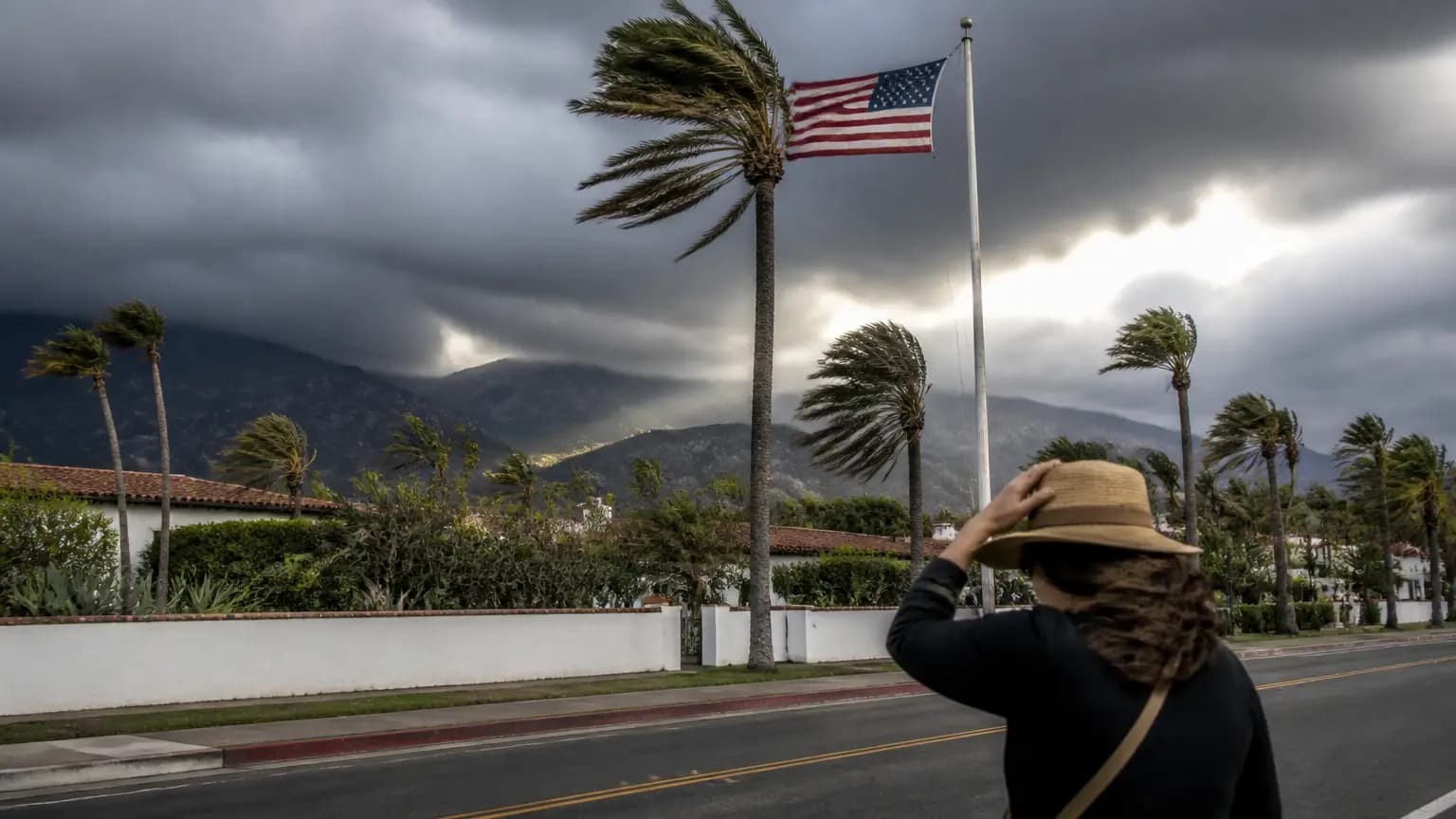
Happy Monday, neighbors! KEYT News Channel 3-12 is tracking some strong winds across the Central Coast today, so hold onto your hats from Goleta to Santa Ynez. We're looking at a mix of clouds and sun with temps climbing into the 70s and 80s, which sounds pretty perfect until you factor in those gusts. Here's the twist: Hurricane Polo is sending some tropical moisture our way, bumping up the humidity and bringing a chance of pop-up showers, especially south of us. It's not every day a hurricane influences our weather here in the 805, so keep an umbrella handy just in case. Whether you're hitting the farmers market or heading to the beach, stay safe and enjoy the warmth. And as always, a big thanks to KEYT for keeping us informed.
 Santa Barbara
Mark Patton: C.J. Shaw Shows Staying Power as UCSB’s Heir Apparent to NBA Star Ajay Mitchell
Gaucho fans, keep an eye on C.J. Shaw. The UCSB sophomore is quietly building his case as the heir apparent to Ajay Mitchell — the former Santa Barbara standout now lighting it up for the Oklahoma City Thunder. As Noozhawk's Mark Patton reports, Shaw even dreams about following that same NBA path, and Coach P sees the staying power. There's something special about watching a player grow up in the Thunderdome before our eyes. Mitchell showed local hoops fans that the path from Isla Vista to the league is real, and Shaw is next in line to chase it. So when you catch a Gauchos game this season, remember: you might be watching the 805's next NBA story unfold. Go Gauchos!
 Santa Barbara
Santa Barbara Environmentalists Join ‘Hands Across the Sand’ to Oppose New Offshore Oil Drilling
Hundreds of neighbors gathered on West Beach Saturday, linking hands in the sand to send a clear message: not off our coast. The gathering was part of a statewide moment marking 50 years of the California Coastal Act, the landmark law that has protected our shoreline since 1976 — and the timing couldn't feel more relevant here in Santa Barbara, where the 1969 oil spill helped spark the modern environmental movement. As the Santa Barbara Independent reported, the crowd came together to oppose new offshore oil drilling. Whether you surf, fish, walk the beach at sunset, or just love knowing our coast is wild and open, this fight touches all of us. It's a reminder that the protections we enjoy today were hard-won by locals who showed up — and that showing up still matters. Keep an eye on this one, 805.