PG&E agrees to pay $16 million to San Luis Obispo County agencies
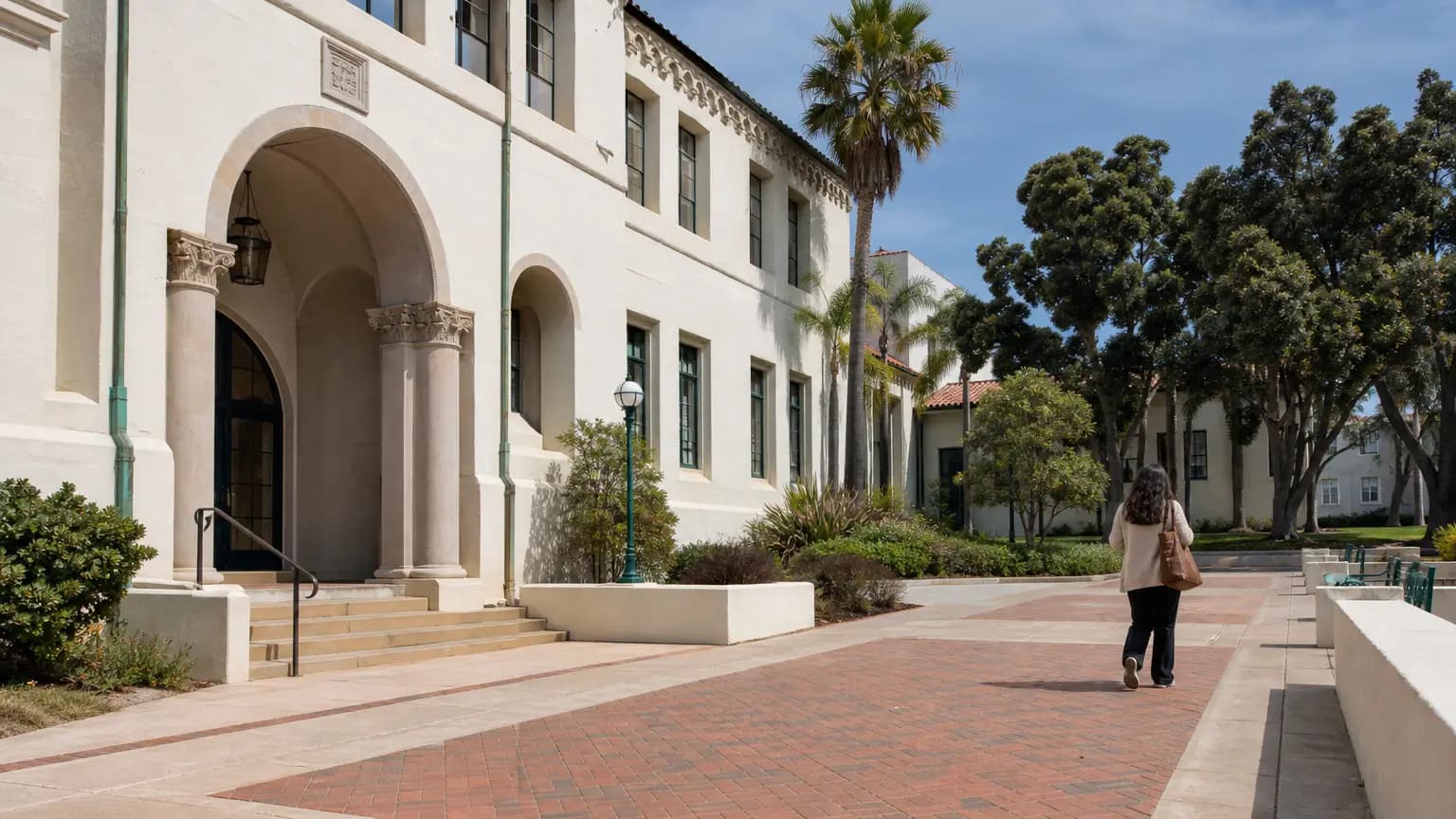
San Luis Obispo County's cities, schools, and county government are set to receive more than $16 million from Pacific Gas and Electric under a new agreement that compensates the region for the continued operation of Diablo Canyon Power Plant — a deal that mirrors legislation by state Senator John Laird and effectively resolves a funding gap that has lingered since the state approved the plant's extended run.
The agreement, announced by Laird (D-Santa Cruz) on August 17, comes as a relief to local agencies that have been bracing for budget shortfalls tied to the plant's changing tax footprint. For years, Diablo Canyon's host community has relied on payments designed to offset the local costs of housing California's last operating nuclear power plant. When state regulators allowed the facility to keep running through 2030, that community funding was not extended alongside it.
What the Agreement Covers
Under the terms reached between PG&E and San Luis Obispo County, the utility will make two annual payments of $8.3 million each. Those funds will be redistributed to local agencies whose budgets have been hit by two converging pressures: an accelerated decline in unitary tax funding from the power plant and the expiration of the community fund that previously supported local services.
The first of the payments is due, at least in part, by December 31, according to the CalCoastNews report by Karen Velie that first detailed the announcement.
The money is significant for a county of roughly 280,000 residents. Diablo Canyon, located on the coast just west of San Luis Obispo between Avila Beach and Montaña de Oro, has long been one of the region's largest employers and taxpayers. As the plant's valuation and associated tax contributions have shifted, county officials have warned about the knock-on effects for school districts and municipal services that once budgeted around a steadier revenue stream.
The Legislation Behind the Deal
The agreement didn't come out of nowhere — it follows legislation Laird authored, Senate Bill 931, which was designed to ensure continued funding for communities impacted by Diablo Canyon's ongoing operation.
"I authored SB 931 to make sure that the local community, including SLO County, cities, and schools, is adequately compensated for impacts associated with Diablo Canyon Power Plant's extended operations until 2030," Laird said in announcing the agreement.
The bill had already cleared the State Senate and passed through Assembly committees, and was positioned for a vote on the Assembly floor this month. But with PG&E now volunteering to provide the payments that would have been required under SB 931, Laird indicated the legislation is no longer needed — the agreement addresses the same issue the bill was written to resolve.
That outcome is a relatively unusual one in Sacramento. Rather than wait for a mandate, the utility opted to commit voluntarily to payments matching what the bill would have required, heading off a legislative fight.
Why the Funding Lapsed
The background here traces to Diablo Canyon's extended lifespan. The plant, which sits on a stretch of coastal bluff and supplies nearly ten percent of California's power, had been slated for closure as part of an earlier retirement roadmap. The state subsequently permitted the facility to continue operating through 2030. But while the operating extension was approved, the community funding framework established to offset local impacts was not extended with it — leaving San Luis Obispo County agencies facing a gap.
SB 931, and now the voluntary agreement, is intended to bridge that gap for the remaining years of the plant's licensed operation.
A Busy Month for Diablo Canyon
The funding agreement isn't the only recent development involving the plant. The week before the announcement, the U.S. Department of Energy awarded $271 million to support Diablo Canyon's extended operations — a federal commitment that underscores the plant's continuing role in California's electricity grid at a time when the state is working to shore up reliable power supplies.
Taken together, the federal award and the local funding agreement signal that Diablo Canyon will remain a central economic and energy fixture on the Central Coast for years to come, even as long-term questions about its post-2030 future remain unresolved.
What It Means for Residents
For San Luis Obispo County residents, the practical effect is budgetary stability. School districts, county departments, and city governments that had been planning around shrinking Diablo-related revenue will see new money flow in, beginning with the partial payment due by the end of the year. How exactly the funds will be divided among the county, its cities, and its school districts will be worked out under the redistribution framework described in the agreement.
Not everyone is celebrating without reservation. Reaction to the news has included skepticism from some readers who note that utility payments to local governments are ultimately recovered through rates paid by customers — a familiar tension in a region where PG&E's name is on the power bill of nearly every household.
Details on the precise allocation of the $16 million among individual agencies were not specified in the initial announcement, and residents can expect more information as the county processes the first payment.
---
This article is based on reporting by CalCoastNews. For the original story, visit [calcoastnews.com](https://calcoastnews.com/2026/08/pge-agrees-to-pay-16-million-to-san-luis-obispo-county-agencies/).
Reported by 805.life
Researched and written drawing on primary sources. Additional reporting: CalCoastNews.
City
San Luis ObispoAdditional Reporting
CalCoastNewsPublished
August 17, 2026
Reported and written by 805.life
Explore San Luis ObispoAll San Luis Obispo NewsMore News from San Luis Obispo
 San Luis Obispo
Jury convicts gang member in fatal shooting on the Pismo Beach Pier
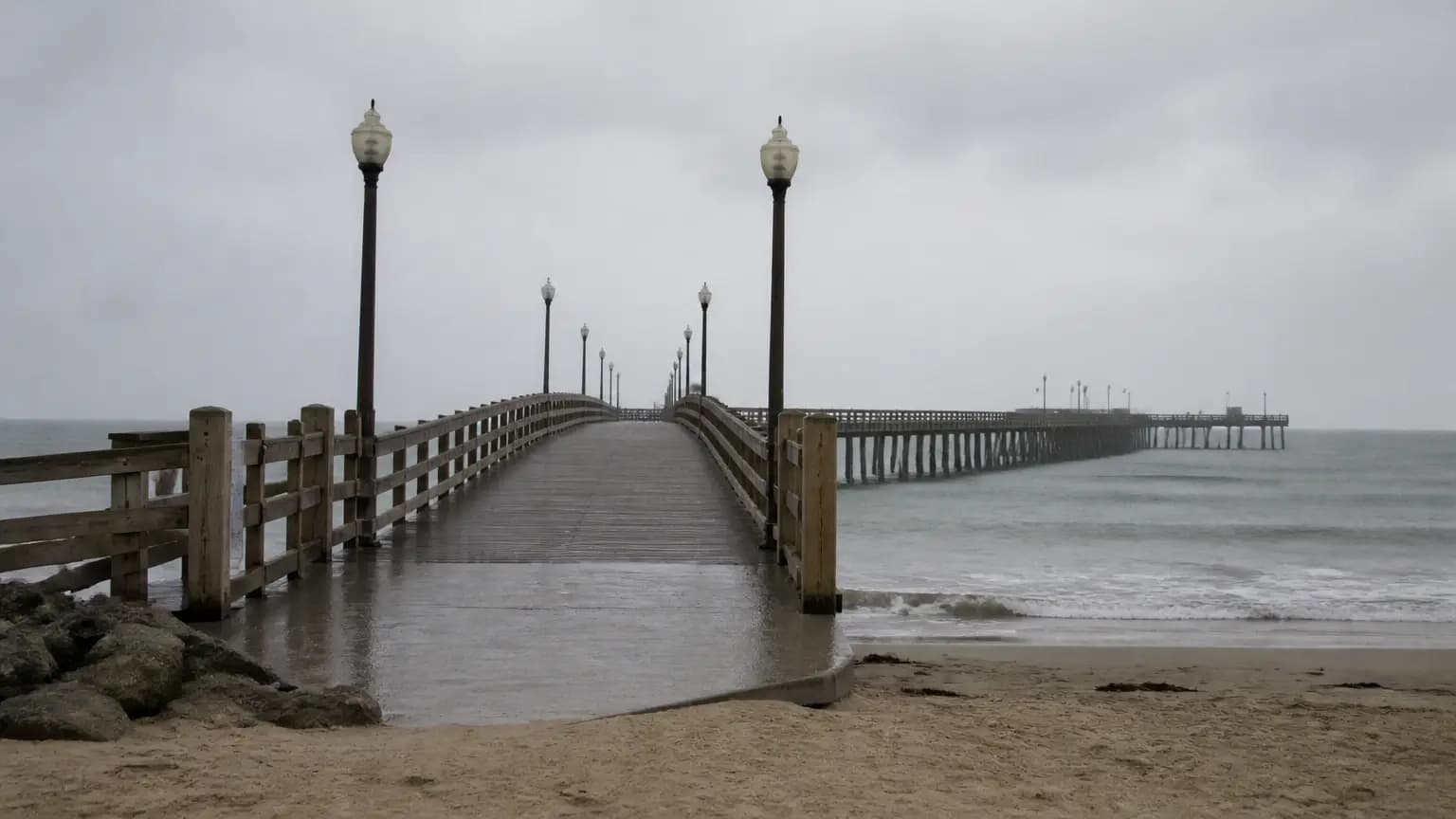
A jury this week convicted 22-year-old Daniel Santillana of assault with a semiautomatic firearm in a fatal shooting on the Pismo Beach Pier back in 2023, and found the crime was committed for the benefit of the Norteño street gang. It's a heavy reminder that even our iconic, postcard-perfect pier isn't immune to the violence that can spill into public spaces. For those of us who walk those planks with our kids and dogs, this news hits close to home. Thanks to CalCoastNews for keeping us informed on the case as it moved through the courts. The conviction won't bring anyone back, but it does send a message that gang violence won't be tolerated on the Central Coast. Let's keep an eye out for our neighbors and continue making Pismo the safe, welcoming place we know it can be.
 San Luis Obispo
See how much rainfall fell from storm that soaked San Luis Obispo County
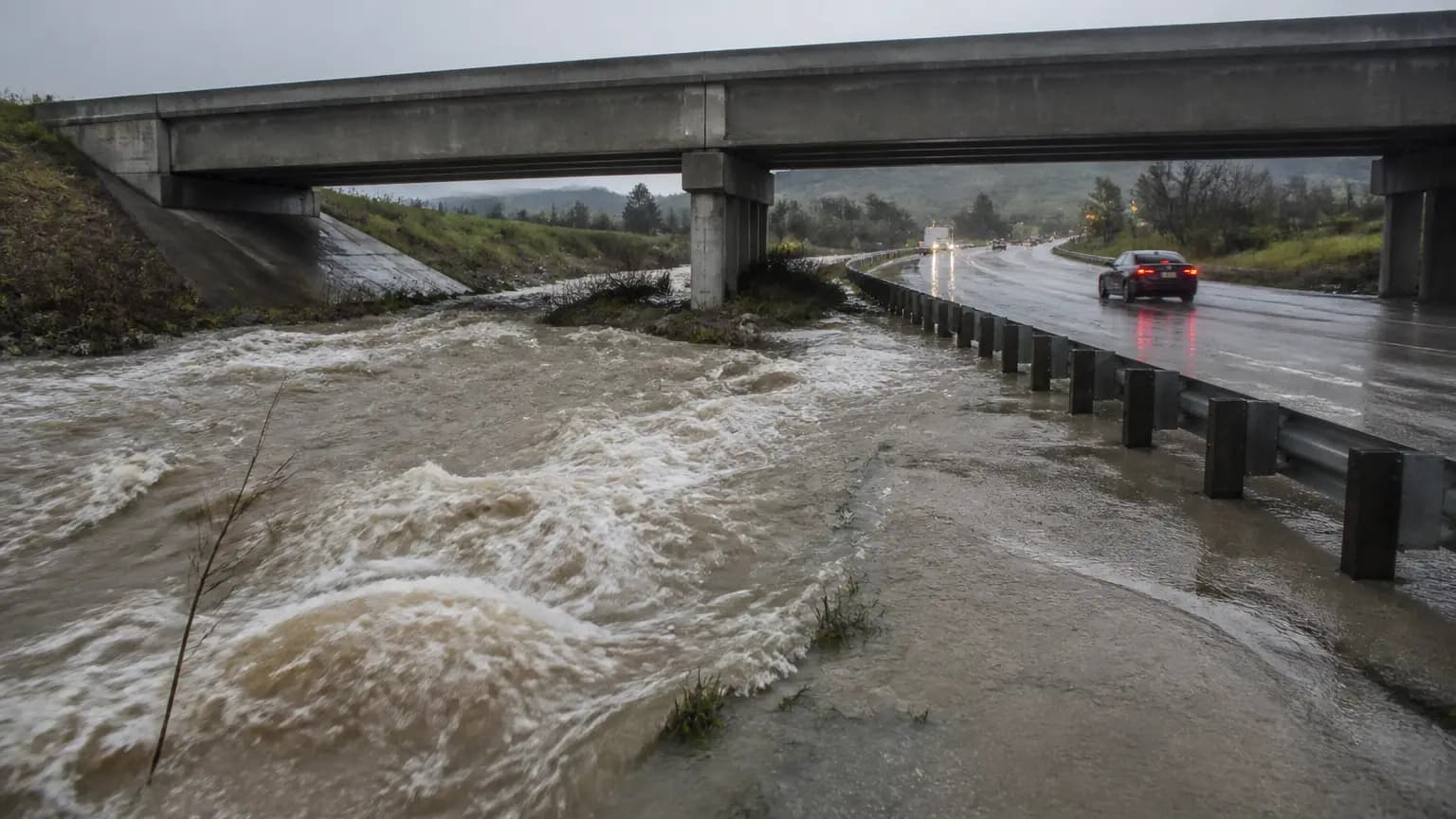
Well, that was a proper soaking. CalCoastNews reports a powerful storm rolled through SLO County on Wednesday, dumping close to 6 inches in some spots — with Arroyo Grande at 2.37 inches, Atascadero 1.77, Cambria 2.72, and Creston 1.29 over the past three days. If you were out on the roads, you know it wasn't pretty. Here in the 805, rain like this is a gift and a headache all at once. Our creeks and reservoirs need every drop, but our hillsides and highways don't always handle it gracefully — flooding and slick conditions made driving dicey for plenty of neighbors. Take a minute to check your gutters, slow down on the backroads, and maybe give a shout to anyone in the low-lying spots. And if you've got a rain total from your corner of the county, we'd love to hear it.
 San Luis Obispo
Missing teen found deceased in San Luis Obispo
It's with a heavy heart that we share news no parent in our community ever wants to hear. A 16-year-old nonverbal student who left San Luis Obispo High School on Wednesday afternoon was found deceased Thursday near Cuesta Park, according to CalCoastNews. Our thoughts go out to David Bennett's family, his classmates, and the staff and students at SLO High who are processing this loss. For families of children with special needs, this hits especially close to home. Nonverbal teens face unique safety challenges, and our community should be asking what more we can do to keep every student safe between the school bell and the front door. If you or someone you know needs support, reach out to local resources and check on the families around you. We'll be following this story as more details emerge. In the meantime, hold your loved ones a little closer tonight, SLO.