Port San Luis Harbor Patrol moves to unarmed safety model
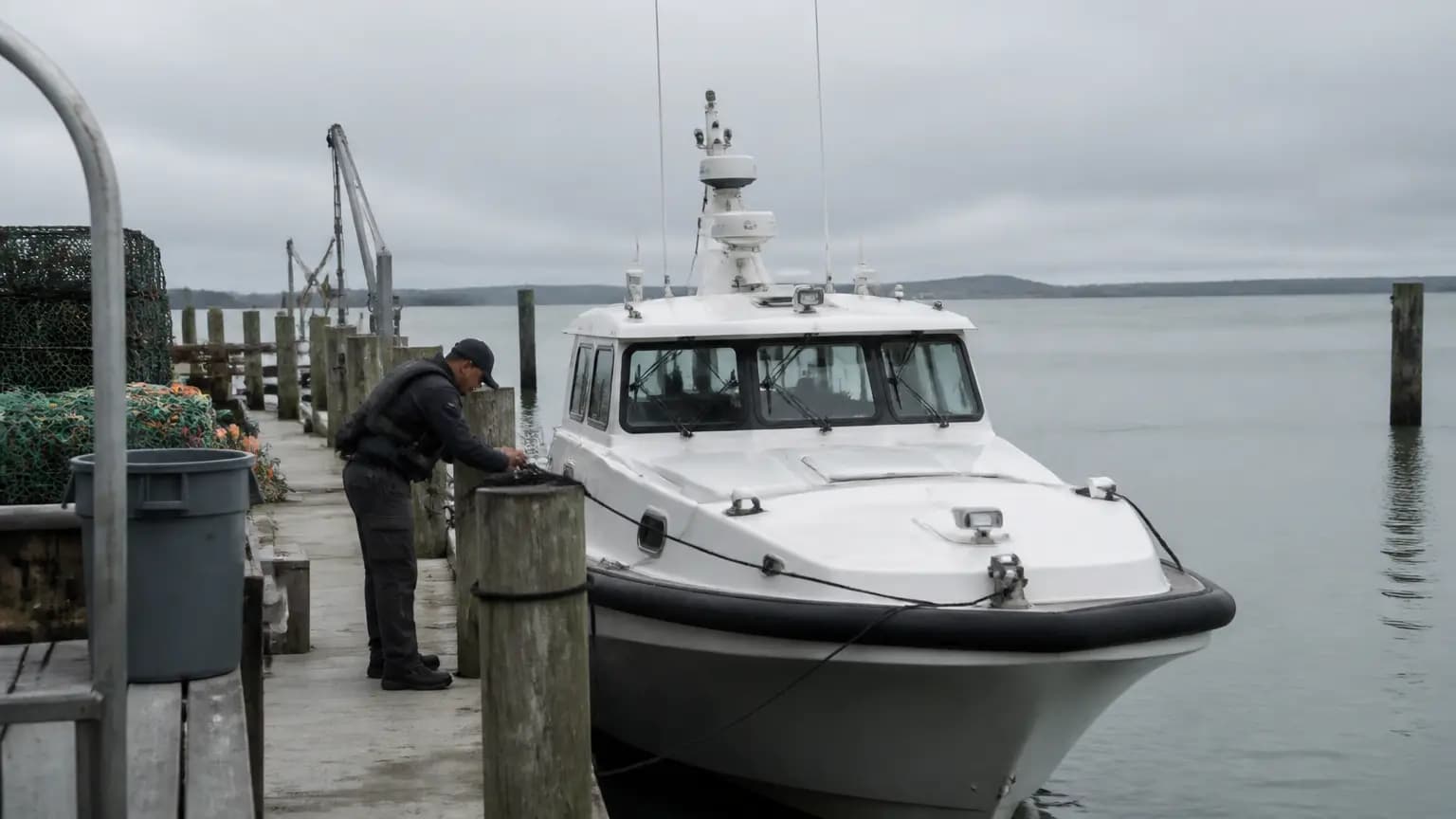
A nearly 20-year era of armed peace officers patrolling the waters off Avila Beach is coming to an end — and the change touches anyone from the Atascadero area who boats, fishes, or spends a day at Port San Luis.
The Port San Luis Harbor District announced on Sept. 8 that its Harbor Patrol officers will give up their status as California peace officers and stop carrying firearms under a new public safety model, as first reported by New Times SLO (Atascadero). Harbor Patrol will still respond to emergencies and enforce harbor and boating rules on district property and waterways, but incidents that require an armed officer or broader police powers will generally fall to the San Luis Obispo County Sheriff's Office.
For North County residents who trailer their boats down the grade to Avila Beach, the practical takeaway is this: Harbor Patrol isn't going anywhere. Officers will continue to respond to boating accidents, pull people from the water, provide medical aid, respond to fires, and enforce rules on district property and waterways.
What changes is what happens when an incident crosses into traditional police work.
Why the district made the move
The shift came after a review of the district's longtime law enforcement model prompted by changes in California's requirements for peace officers. Under Senate Bill 2, the state created a statewide system for certifying and decertifying peace officers and gave the California Commission on Peace Officer Standards and Training (POST) greater oversight authority.
For Port San Luis, that prompted POST to examine whether the Harbor District had the legal authority to maintain its peace officer program and what training its officers would need to keep operating under it.
"Some of those training requirements had not previously been applied to Harbor Patrol in the same way, which created uncertainty about what would be required going forward," Harbor Patrol Chief Matthew Ashton told New Times in an email.
Keeping the old model would have required the district to first resolve those legal questions and then potentially absorb additional training, certification, and administrative requirements.
"Operationally, that would have pushed Harbor Patrol much closer to the structure of a traditional police department," Ashton said.
Instead, the district chose to become an unarmed, specialized public safety agency.
A two-decade experiment ends
The Harbor District's journey into armed policing began in 2005, when Harbor Patrol started moving toward a law enforcement model; officers began carrying firearms in 2007.
Ashton emphasized that the program was not abandoned lightly. "This was not a short-lived program or something the district was looking to move away from," he told New Times. "It was a model that had been in place for many years and that the district was proud of."
The chief framed the change as a return to the agency's roots rather than a reduction in service.
"Our core mission is broader and more specialized — marine safety and rescue, medical response, fire response and prevention, boating safety, Harbor District enforcement, and general public safety," Ashton said. "We can continue providing those services without trying to turn Harbor Patrol into a miniature police department."
What stays — and what doesn't
The transition does not strip Harbor Patrol of all enforcement authority. Officers can still stop vessels, issue citations, and make certain misdemeanor arrests within their legal authority, according to the district.
Criminal investigations and situations requiring broader peace officer authority will generally be handled by the Sheriff's Office or another law enforcement agency. In the interim, Harbor Patrol officers can still respond to protect people and property, assist victims, and secure a scene while additional law enforcement resources are called.
The district says the transition will carry costs, including training, policy development, new uniforms, and equipment — but that the price tag is smaller than it would have been had the department opted to remain armed. Officials have not publicly detailed specific dollar figures.
"The financial piece was one part of evaluating the alternatives," Ashton told New Times. "The primary driver of this move was the legal and regulatory issues raised by POST."
What it means for the 805
Port San Luis is one of the Central Coast's busiest working harbors, drawing recreational boaters, commercial fishermen, kayakers, and day-trippers from across the region — including many Atascadero families who consider Avila Beach their go-to coastline. The harbor district also encompasses popular spots like the Harford Pier and the beaches along San Luis Obispo Bay.
The recalibration of Harbor Patrol's role reflects a broader trend among California's special districts as the state tightens oversight of who can serve as a peace officer and under what authority. POST's enhanced scrutiny under SB 2 has forced agencies outside traditional police departments to justify armed status or restructure.
For the public, district officials say, the visible changes will largely be behind the scenes: an officer responding to a capsized kayak or a boat fire will still be there, quickly and with the same rescue and medical training. The difference will show up in incidents involving suspected crime, where the Sheriff's Office — which already patrols the unincorporated coastal area surrounding the port — will take the lead.
The transition is underway following the district's Sept. 8 announcement. Officials have not announced a specific completion date for the full switchover, including the uniform and equipment changes.
This article is based on reporting by [New Times SLO](https://www.newtimesslo.com/port-san-luis-harbor-patrol-moves-to-unarmed-safety-model/). Readers with questions about the transition can contact the Port San Luis Harbor District directly for details on the new public safety model.
Reported by 805.life
Researched and written drawing on primary sources. Additional reporting: New Times SLO (Atascadero).
City
AtascaderoAdditional Reporting
New Times SLO (Atascadero)Published
September 17, 2026
Reported and written by 805.life
Explore AtascaderoAll Atascadero NewsMore News from Atascadero
 Atascadero
Autumn Arts Annual 2026
Summer's still lingering here in Atascadero, but the calendar says fall, and New Times SLO (Atascadero) has rolled out its Autumn Arts Annual 2026 to prove it. If you've been waiting for an excuse to get out of the house and into something creative, this is your sign — exhibitions, performances, and all the seasonal happenings landing across the Central Coast. There's something special about autumn around here. The crowds thin out, the light turns golden over the North County, and our local galleries and venues finally get room to breathe. Whether you're a longtime Atascadero arts supporter or just curious about what's happening down the road, this roundup is worth a look. So grab a jacket — eventually — and go support the makers and organizers who keep our corner of the 805 interesting. Full details are over at New Times SLO.
 Atascadero
Atascadero council race draws four candidates for two seats
Atascadero folks, we've got a real race on our hands this November. Four candidates — incumbent Susan Funk, Emily Baranek, Mike Avila, and self-described outsider Ian Denchasy — are competing for two seats on the City Council, with Councilmember Heather Newsom stepping away. That's a big shift for a council that's been fairly steady in recent years. Housing and jobs are the headline issues, which won't surprise anyone who's watched rents climb and young families struggle to stay in North County. These are the decisions that shape what gets built, what gets approved, and what our town looks like a decade from now. Meanwhile, Mayor Charles Bourbeau runs unopposed for another two-year term. New Times SLO has the full candidate rundown, so do your homework before ballots arrive. Local elections are where your vote counts the most — this one's worth showing up for.
 Atascadero
SLO City Council refines confidentiality policy for elected officials
Our neighbors in SLO just tightened up the rules on keeping city business confidential, and it's worth a nod from those of us up here in Atascadero. The City Council unanimously adopted a resolution at its Sept. 15 meeting revising its policies and procedures manual, adding two specific guidelines on handling confidential information. This comes after Mayor Erica Stewart shared a confidential SLO County grand jury report—a reminder that even well-meaning officials can slip up. Why does it matter to us? Because transparency and trust in local government aren't just SLO issues. Every city on the Central Coast, including ours, benefits when elected leaders set clear expectations. It's a quiet but meaningful step toward accountability. New Times SLO (Atascadero) reported the story, and it's a good conversation starter for our own council. Small procedural changes can prevent big headaches down the road.