Power of the Towns, Power of the People
When Santa Barbara residents think about political power, the conversation often jumps straight to Washington — especially with midterm elections approaching in November. But a widely shared new column from the Santa Barbara Independent argues the opposite: that the levers most likely to change everyday life on the Central Coast sit at City Hall, the County Administration Building, and the local school board, not in the nation's capital.
In "Power of the Towns, Power of the People", part of the paper's "An Unruly Woman" opinion series, contributor Lorissa Rinehart makes the case that local government — the city councils, boards of supervisors, and school boards that few residents can name — determines "the trajectory of our days" far more than federal policy does. Her argument is grounded in personal experience: a fight over school enrollment that ended with her child admitted to the neighborhood school after the family successfully challenged an undisclosed admissions policy they say conflicted with the district's publicly posted rules.
A School Board Fight That Sparked a Broader Argument
Rinehart writes that when her child was denied admission to the public school near their home, she discovered the denial rested on a policy that hadn't been made public — one she argues the school board used to override the posted rules she had relied on when applying. Rather than detail every twist, she says simply that "we had the law on our side and we won."
The result, she writes, went beyond one family's enrollment: the challenge prompted broader discussions of a fairer admissions standard. That, she argues, is the point. City government exists "to empower citizens to control the mechanisms that shape their lives," and a single parent willing to dig through board policy can force institutional change that ripples outward — in her telling, even influencing state and national law over time.
The column's framing leans on etymology: democracy, she notes, translates most accurately from the Greek not as "power of the super PACs" but as "power of the towns" — a reminder that the most accessible, responsive layer of American government is the one with the lowest turnout.
Santa Barbara's Live Local Debates: ICE, Rent, Climate
The column points to three active local-policy fights in Santa Barbara to illustrate how much is decided close to home.
On immigration enforcement, the Independent column reports that the Santa Barbara County Board of Supervisors voted in April to prohibit U.S. Immigration and Customs Enforcement from using county properties, parks, and recreation areas for unauthorized activities. Supervisors also directed county planners to research ways to block ICE detention facilities from being sited in the county — research Rinehart argues can and will inform similar policies in other cities and states.
On housing, Santa Barbara City Council is currently debating whether to implement rent control and, if so, in what form. The stakes are significant: thousands of renters and landlords would be affected on both sides of the equation, and the column notes the next mayor will likely have a hand in how any policy takes shape. Other cities, Rinehart writes, will be watching Santa Barbara's outcome — success or failure — as they craft their own proposals.
On climate, the column cites Governor Gavin Newsom's declaration of a state of emergency over the historic El Niño, and points to the county's work last March, when the Board of Supervisors added an Environmental Justice Element to its General Plan. The element includes measures such as tree planting, climate resiliency hubs, and cleanup of hazardous sites. Even so, Rinehart notes that community advocates contend the plan still leaves marginalized communities with less-than-equitable protection — evidence, in her framing, that local government is powerful enough to be worth fighting over.
The Turnout Problem
The column's sharpest warning is statistical. Rinehart cites a Portland State University study finding that in many major American cities, fewer than 15 percent of eligible voters participate in mayoral and city council elections. It's a figure with obvious relevance for Santa Barbara, where city elections, mayoral races, and school board contests often draw a fraction of the attention — and turnout — of presidential years, even as they decide zoning, housing policy, school admissions, and public safety priorities.
Her conclusion is a call to treat every election, not just the marquee November contests, as existential: "Vote accordingly. Vote every chance you get. Vote like your life depends on it. Because it does."
Why It Matters for 805 Residents
For Santa Barbara readers, the column lands at a moment when the issues it names are all live. The rent control debate before City Council could reshape housing costs in one of California's least affordable markets. The county's stance on ICE facility siting positions Santa Barbara within a broader statewide tug-of-war over immigration enforcement. And the Environmental Justice Element — whatever its shortcomings — will guide county planning decisions for years to come.
The throughline, per the Independent, is that these decisions are made by bodies residents can actually reach: a school board that reversed course when challenged, a Board of Supervisors that holds public votes, a City Council that will take up rent control in full view. Whether residents engage — showing up to comment, watching turnout in local races, or simply voting in every election on the calendar — is, in Rinehart's telling, the whole ballgame.
The original column is available at the Santa Barbara Independent.
Reported by 805.life
Researched and written drawing on primary sources. Additional reporting: Santa Barbara Independent.
City
Santa BarbaraAdditional Reporting
Santa Barbara IndependentPublished
October 1, 2026
Reported and written by 805.life
Explore Santa BarbaraAll Santa Barbara NewsMore News from Santa Barbara
 Santa Barbara
To Permit or Not to Permit: Is That Even a Question?
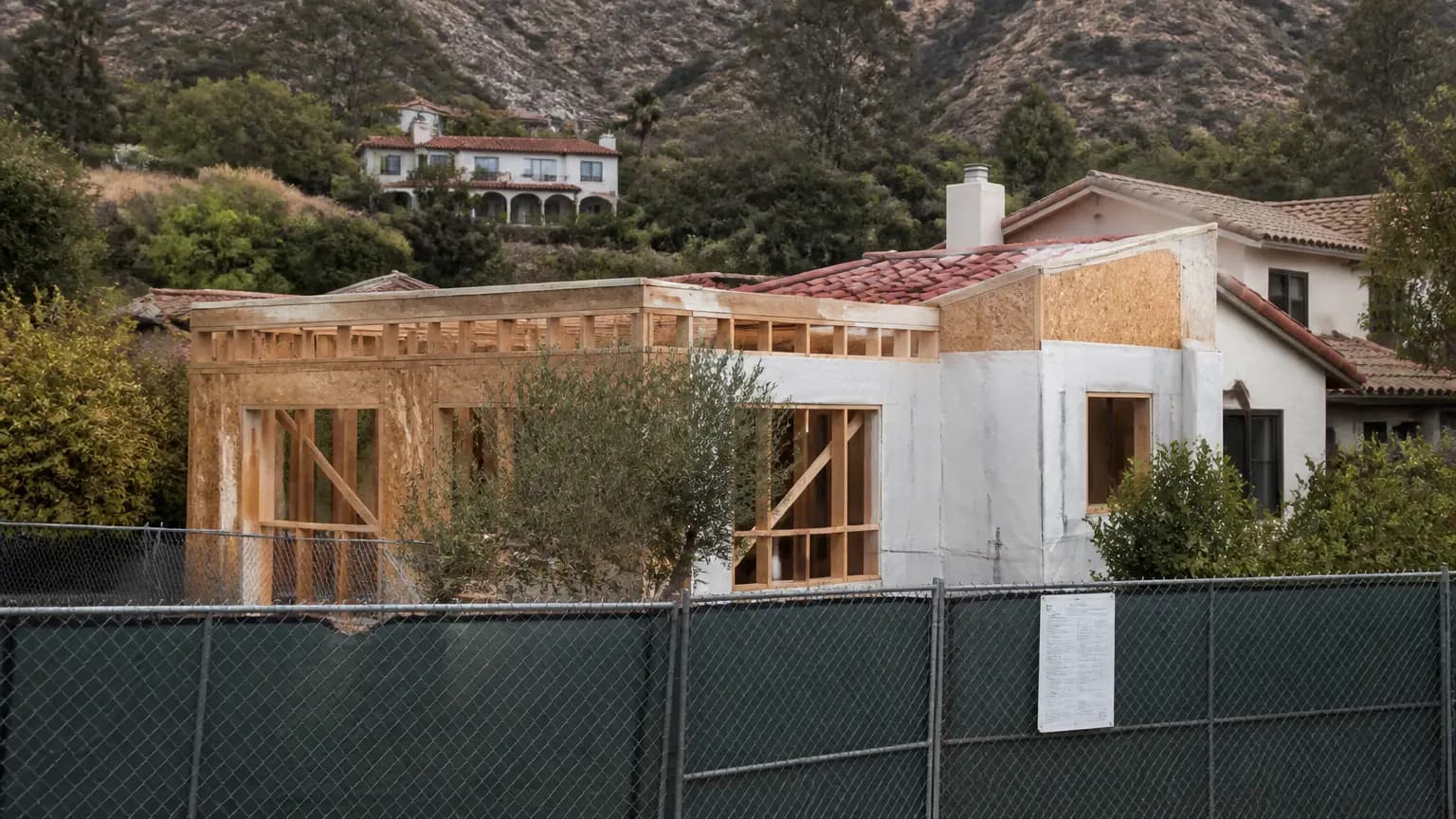
If you've ever driven past a half-finished addition in Santa Barbara and wondered, "did they pull a permit for that?" — you're not alone. The Santa Barbara Independent recently dug into the tricky balance between hazardous and harmonious building, and it's a conversation worth having over coffee. Here in the 805, our building rules aren't just bureaucracy — they're what keep our neighborhoods safe from wildfire risk, protect our quirky architectural character, and keep the peace between neighbors. Whether you're a homeowner dreaming of a backyard ADU or just someone who loves this town's look, permitting touches all of us. So before you start that weekend project, take a peek at the Independent's piece. It's a good reminder that a little paperwork now can save a lot of headaches later.
 Santa Barbara
Bye-Bye, White Trim?
Santa Barbara has always had a certain look — white trim, Spanish tile, that classic coastal palette we all know and love. But the Santa Barbara Independent recently posed a fun question: is it time to say bye-bye to white trim? The answer, apparently, is color drenching — painting walls, trim, and ceilings in the same hue to create a cozy, immersive feel that's anything but boring. Here in the 805, where our homes often lean traditional, this is a refreshing way to add personality without losing that Santa Barbara charm. Whether you're in a craftsman on the Mesa or a bungalow in Carpinteria, drenching a room in a deep olive or soft terracotta can make your space feel uniquely yours. It's a small change with a big impact — and a great excuse to support our local paint shops and designers. So, neighbors, what do you think? Ready to trade the white for something bolder? The Independent has the full scoop, and we're here for the conversation.
 Santa Barbara
A Rough Big West Opener for UCSB Men’s Soccer Ends in 1-1 Draw
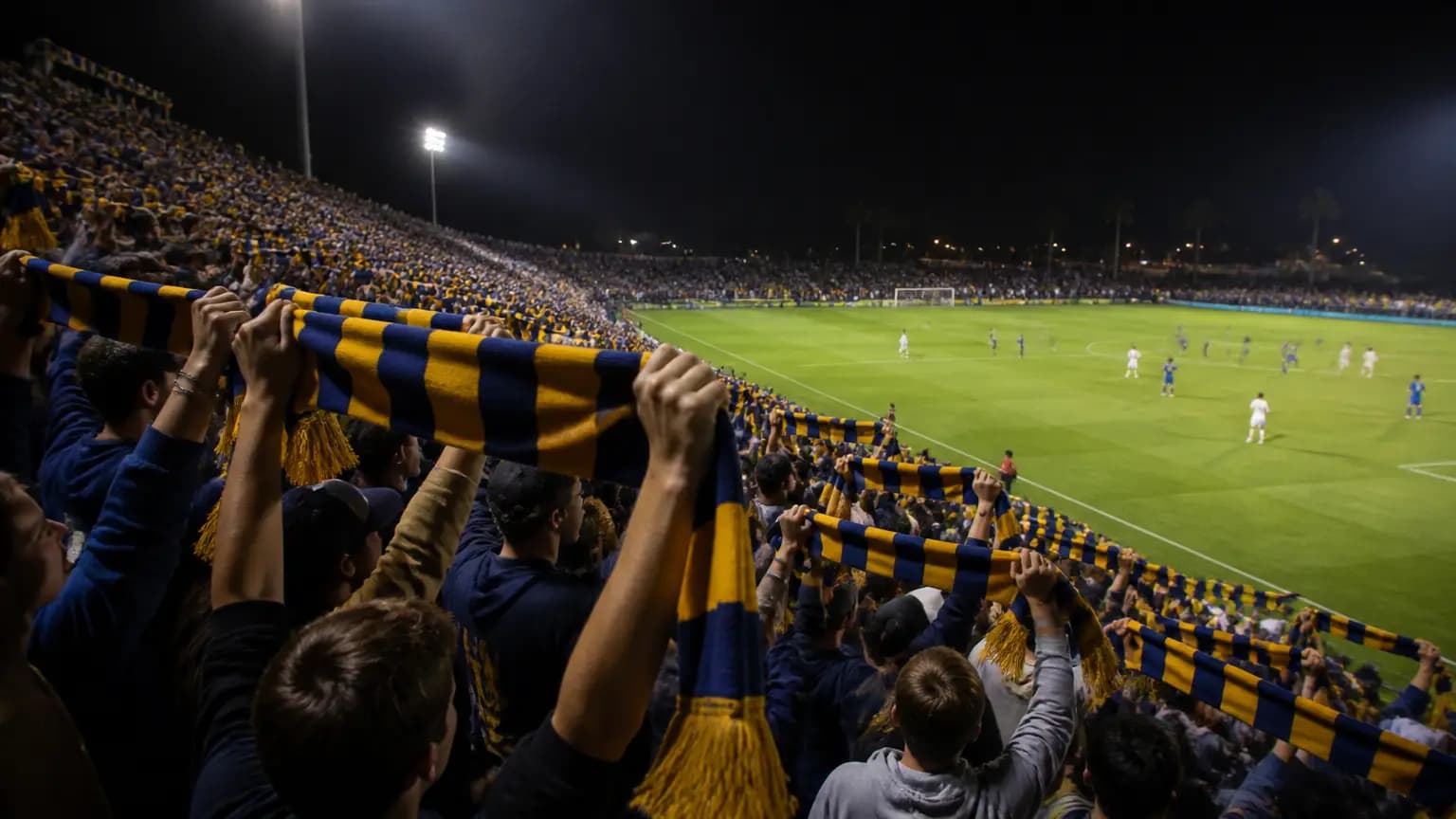
Gaucho faithful, that one stung. UCSB men's soccer opened Big West play at Harder Stadium on Wednesday night with a 1-1 draw that felt more like a loss — missed chances, a defensive miscue that gifted a second-half goal, and a costly red card after the Gauchos had a man advantage. Harder Stadium is our house, and Big West openers set the tone for the whole conference run. Dropping points at home against a team you outnumber is the kind of result that comes back to haunt you in November. Noozhawk has the full match report if you want the details. Here's hoping the guys shake it off and get back to finishing the way we know they can — the Thunderdome faithful deserve a bounce-back. Go Gauchos.