Ray Ford: Remembering the 1977 Sycamore Fire
Nearly half a century later, longtime Santa Barbara journalist Ray Ford's retelling of the Sycamore Fire reads like a warning that never gets old. On the evening of July 26, 1977, a four-foot box kite, a sundowner wind, and a drought-parched foothill combined to produce one of the most destructive nights in Santa Barbara history — 195 homes destroyed in roughly seven hours, as Noozhawk recounted in Ford's detailed account.
The story still resonates because the ingredients haven't changed. The sundowners still blow. The foothills still dry out. And Santa Barbarans still build their most beautiful neighborhoods right up against the wildland edge.
A Hillsides Primed to Burn
The mid-1970s had brought prolonged drought to the Central Coast. By late July 1977, days of oppressive heat had cured grass and brush to tinder. That Tuesday, the temperature hit 92 degrees, and the heat showed no sign of breaking.
Fire agencies saw it coming. The News-Press had spent the preceding week publishing warnings about fire danger and prevention. County, city, and Montecito firefighters ran joint training exercises to sharpen their readiness. At 4:30 p.m. on July 26, a Red Flag alert was posted, and engines began patrolling the hazardous foothill areas.
County Fire Inspector Tony Scurria put it plainly in that evening's paper: hot weather and wind were drawing moisture out of the brush. A fire that might have stayed a small spot blaze weeks earlier now had the potential to become something far larger.
Even so, few could have imagined what would follow.
A Kite, a Power Line, and 7:27 P.M.
Around 7 p.m., a young man and his girlfriend were flying a balsa-and-paper box kite near Coyote and Mountain drives. At first the breeze was too weak to keep it aloft. Then the sundowner began to build — warm wind slicing down from the mountains. Within minutes it was gusting hard enough to wrench the spool from the young man's hands, sending the kite tumbling downhill toward the ocean.
The kite and its string tangled in telephone lines beneath higher-voltage electrical lines. Wind pushed the string upward into the power system, and the resulting electrical arc showered sparks into drought-dry vegetation below.
The fire began at approximately 7:27 p.m. A nearby resident heard a sharp zap, lost power, and rushed outside to see the yellow kite caught in the wires — and a young man below it, trying unsuccessfully to beat back the flames with a shovel.
The first call reached Montecito Fire dispatch at 7:38 p.m. Engine 2 from the Sycamore Canyon station arrived eight minutes later. Investigators initially considered arson, but the evidence — kite, string, and spool tangled on the Edison lines — pointed to a heartbreaking conclusion: the ignition was accidental. The cause was simple. The consequences were not.
Three Chiefs, One Firestorm
The first crews found a fire that looked stubborn but potentially controllable. A second engine reached Mountain Drive before 8 p.m., and at 8:22 p.m. an air tanker dropped retardant on the flames.
But the wind was growing hotter, stronger, and more erratic.
Montecito Fire Chief Charles Graham responded from home. County Fire Chief William Patterson, monitoring fire traffic on his way home, turned around and headed for Coyote Drive. Santa Barbara City Fire Chief Richard Peterson left work on his own home to join the response. A command post went up at Westmont College, Patterson was appointed fire boss, and U.S. Forest Service District Ranger Denny Bungarz helped direct the air attack.
The command structure worked as intended. It wasn't enough.
The most wrenching decision fell to Peterson. As flames neared city limits, he committed every city fire engine to the Sycamore Fire for about an hour and a half — an extraordinary gamble that left no reserve for another emergency anywhere else in Santa Barbara. By luck or grace, no other fire broke out during that window.
At 8:46 p.m., darkness grounded the air attack. Roughly 250 firefighters were on scene, and the blaze was entering its most destructive phase. Two minutes later, an urgent radio call went out: Truck 15 needed help.
One County firefighter at Coyote and Banana roads later described flames moving horizontally across the ground — a wind-whipped carpet of incandescent coals and embers racing downhill. The fire didn't advance as a single wall. It splintered into multiple fronts, running into Sycamore Canyon, across the foothills to the east, and toward Stanwood Drive and the Riviera.
By 8:55 p.m., the first house fire was confirmed near Banana Road. By 9 p.m., the wind had become exceptionally severe, with thousands of flaming embers landing on roofs and in yards ahead of the flame front.
The Wood-Roof Conflagration
What made the Sycamore Fire different from an ordinary brush fire, County Fire Marshal Don Oaks later concluded, was the rooftops. The Sycamore Fire, he said, was a wood-roof conflagration. Burning wood shakes lifted from one roof, carried on the wind, and landed on the next — house-to-house ignition that let the fire leap ahead of the main front, using the very materials the neighborhoods were built with as fuel.
Homes burned on Chelam Way. The fire crossed Sycamore Canyon Road. The oak woodland west of Barker Pass Road became a cauldron of flame. The fire threatened the lower Eastside before the night was through — and then, almost as quickly as it came, it was over. Seven hours after the kite went up, the firestorm had run its course. The damage would stay with Santa Barbara for decades.
Why It Still Matters
Ford's account is more than nostalgia. It's a reminder that the Sycamore Fire sits in a direct lineage with the fires that followed — a pattern of sundowner-driven conflagrations in the same canyons and Riviera hillside that has repeated across the decades. The lessons of 1977 — the danger of wood-shake roofs, the ferocity of downslope winds, the speed at which a foothill ignition becomes a neighborhood disaster — are the same lessons Santa Barbara continues to live with today.
The next time a Red Flag warning posts and the wind starts pouring down the mountains, remember the kite on Coyote Drive. It took less than 90 minutes from ignition to the first home lost.
This account is drawn from Ray Ford's reporting for [Noozhawk](https://www.noozhawk.com/ray-ford-remembering-the-1977-sycamore-fire/).
Reported by 805.life
Researched and written drawing on primary sources. Additional reporting: Noozhawk.
City
Santa BarbaraAdditional Reporting
NoozhawkPublished
August 16, 2026
Reported and written by 805.life
Explore Santa BarbaraAll Santa Barbara NewsMore News from Santa Barbara
 Santa Barbara
Power of the Towns, Power of the People
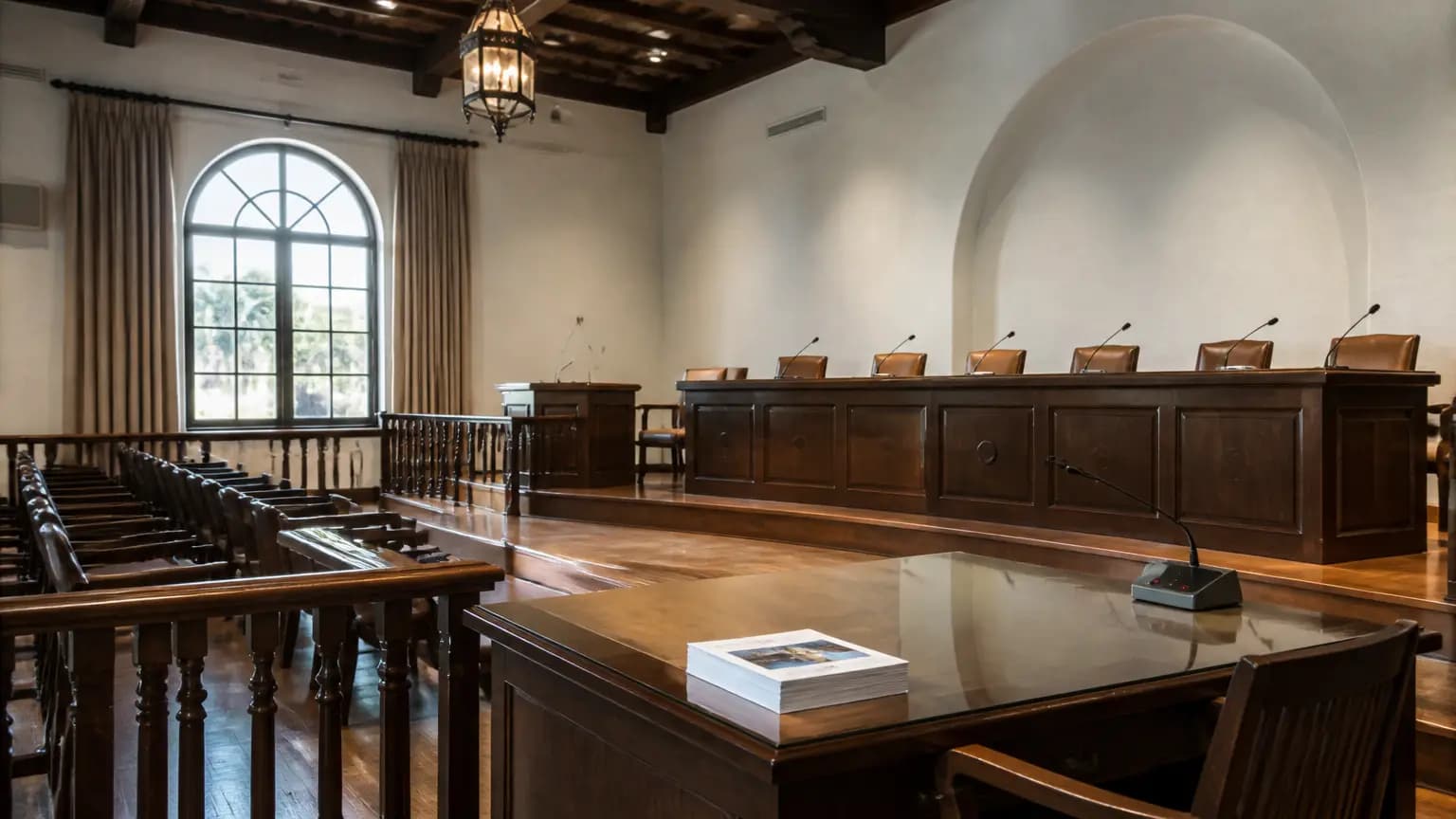
Here on the Central Coast, we love to talk about what's happening in Washington and Sacramento — but let's be honest, the decisions that shape our actual daily lives usually get made a lot closer to home. Whether it's a school board weighing admissions policies, a city council debating rent control, or neighbors showing up to a planning meeting in Goleta or Carpinteria, local government is where the rubber meets the road. The Santa Barbara Independent recently made this point beautifully with "Power of the Towns, Power of the People," and it's a reminder worth pinning to the fridge. The folks deciding how our kids get into schools, what we pay in rent, and how our neighborhoods grow aren't distant politicians — they're our neighbors, and they answer to us. So next time a meeting notice lands in your inbox, don't scroll past it. Show up, speak up, and bring a friend. That's the 805 way.
 Santa Barbara
To Permit or Not to Permit: Is That Even a Question?
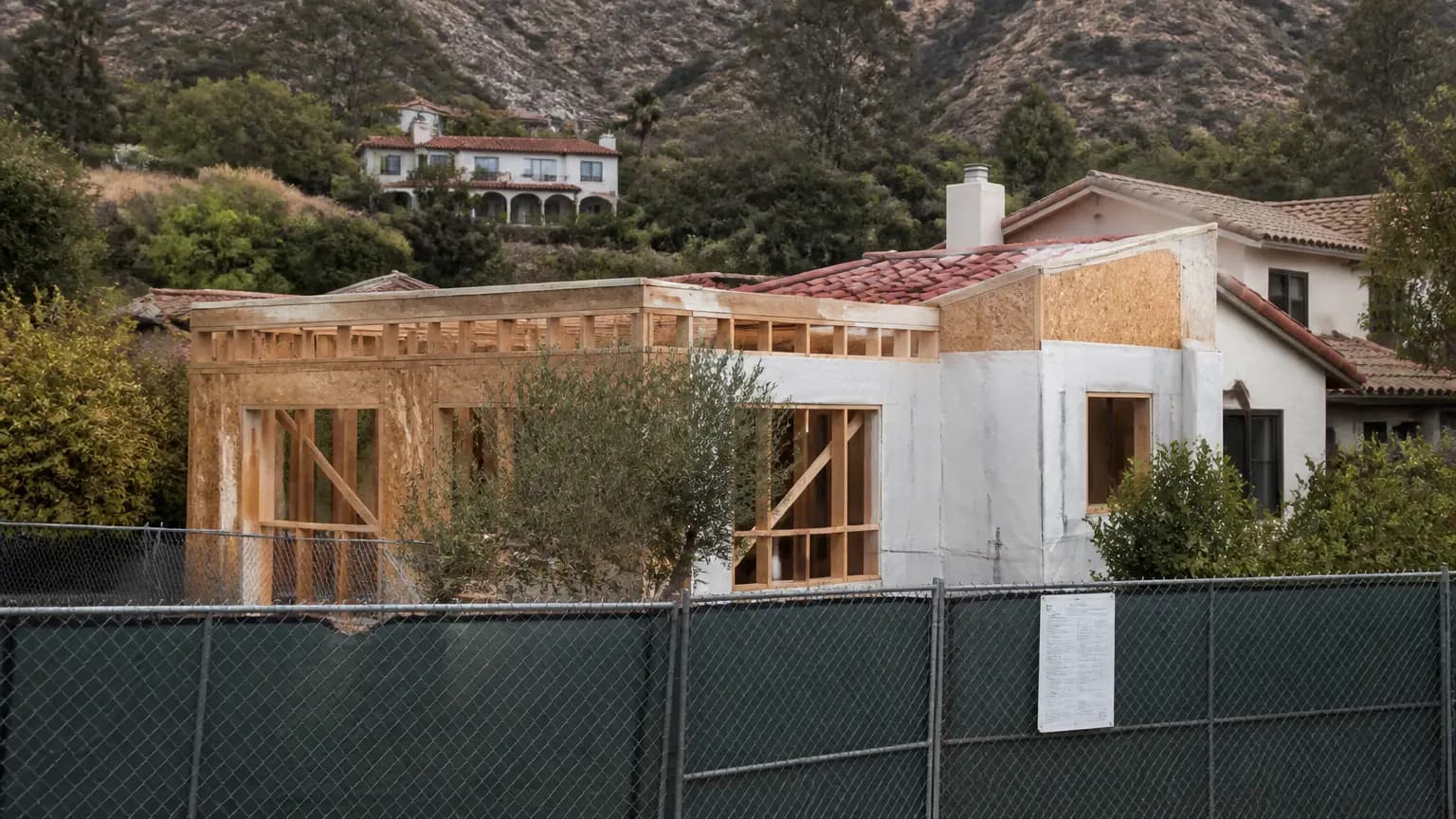
If you've ever driven past a half-finished addition in Santa Barbara and wondered, "did they pull a permit for that?" — you're not alone. The Santa Barbara Independent recently dug into the tricky balance between hazardous and harmonious building, and it's a conversation worth having over coffee. Here in the 805, our building rules aren't just bureaucracy — they're what keep our neighborhoods safe from wildfire risk, protect our quirky architectural character, and keep the peace between neighbors. Whether you're a homeowner dreaming of a backyard ADU or just someone who loves this town's look, permitting touches all of us. So before you start that weekend project, take a peek at the Independent's piece. It's a good reminder that a little paperwork now can save a lot of headaches later.
 Santa Barbara
Bye-Bye, White Trim?
Santa Barbara has always had a certain look — white trim, Spanish tile, that classic coastal palette we all know and love. But the Santa Barbara Independent recently posed a fun question: is it time to say bye-bye to white trim? The answer, apparently, is color drenching — painting walls, trim, and ceilings in the same hue to create a cozy, immersive feel that's anything but boring. Here in the 805, where our homes often lean traditional, this is a refreshing way to add personality without losing that Santa Barbara charm. Whether you're in a craftsman on the Mesa or a bungalow in Carpinteria, drenching a room in a deep olive or soft terracotta can make your space feel uniquely yours. It's a small change with a big impact — and a great excuse to support our local paint shops and designers. So, neighbors, what do you think? Ready to trade the white for something bolder? The Independent has the full scoop, and we're here for the conversation.