Referendum to Repeal State Street Master Plan Is Based on False Premise, Promise
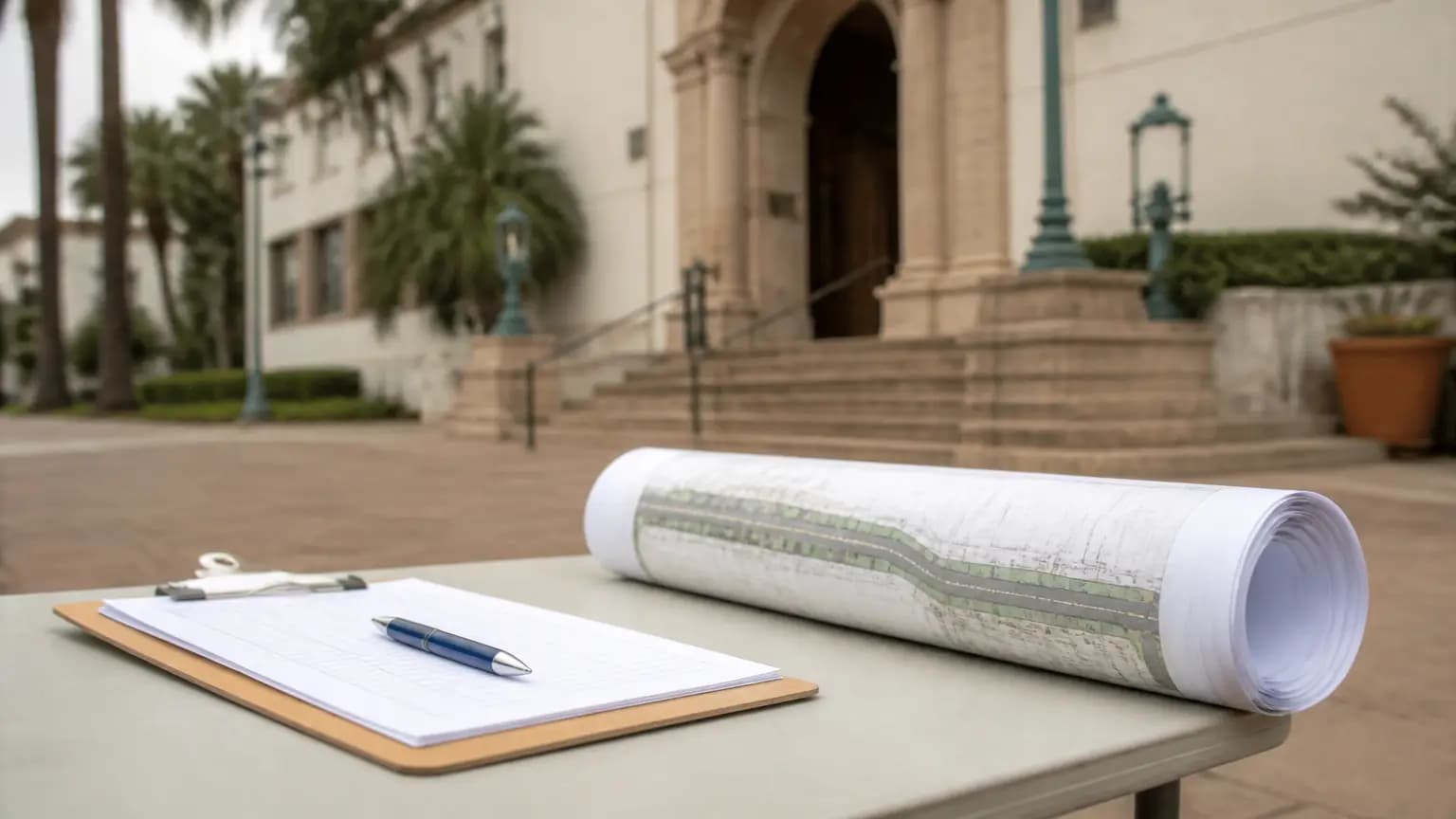
A petition drive is underway outside Santa Barbara grocery stores seeking to put a referendum on the ballot to repeal the State Street Master Plan and reopen the downtown corridor to cars — but opponents of the effort, including Santa Barbara Independent columnist Nick Welsh, argue the campaign is built on a "false premise and false promise."
The stakes are considerable. The Master Plan, approved by the Santa Barbara City Council earlier this year in a 6-1 vote, represents the culmination of roughly five years of debate over the future of the city's signature corridor. If the referendum qualifies for the ballot and passes, the city would face renewed delay, additional expense, and the potential loss of major infrastructure improvements embedded in the plan.
What the Referendum Would Actually Undo
The central claim of the repeal effort — led by developer Jim Knell, whose signature gatherers have been stationed outside locations such as the downtown Ralphs — is that the Master Plan locks cars out of State Street permanently. Welsh argues the opposite is true: the plan as approved already envisions vehicles returning to State Street at certain times and in specific locations, with details still to be determined by the City Council.
What repeal would more concretely eliminate, according to Welsh's reporting, are two of the plan's least controversial and most consequential features: the widening of downtown sidewalks from 20 feet to 30, and a major overhaul of State Street's storm-drain system.
The sidewalk expansion is the piece that makes outdoor dining permanent. Parklets that sprang up during the COVID-19 pandemic — which Welsh credits with saving downtown restaurants and the central business district — would be replaced by widened sidewalks allowing alfresco dining without structures sitting in the street. Repealing the plan, he writes, would mean that outdoor dining "magic" disappears.
The Flood Control Question
The stormwater infrastructure is the plan's single most expensive component, accounting for roughly half of what is estimated to be a $100 million project. Beyond keeping State Street from flooding in heavy rains, that infrastructure is a legal and practical prerequisite for building housing downtown in meaningful numbers, Welsh reports. The cost of such systems is so high that no individual developer could absorb it and still break even — which is why the city taking on that burden is seen by housing advocates as essential to adding residents downtown, widely cited as key to reviving the corridor's economy.
Even critics of City Hall spending, Welsh notes, are being asked to consider whether flood control is worth abandoning for the sake of reopening the street to cars.
A Downtown Already Transforming
While the political fight continues, State Street has been changing on its own. UC Santa Barbara is moving into one of the large vacancies that left the 400 block a dead zone, and the Music Academy of the West is doing the same on the 900 block. Welsh also describes a nascent competition among new projects over rooftop amenities — signs, he argues, that the corridor's recovery is already underway and should be allowed to proceed.
The deeper diagnosis in Welsh's column is that State Street's struggles predate the pedestrian promenade. What hollowed out downtown retail, he writes, was the shift to online shopping — "the Amazon delivery van" — not the absence of cars, and bringing vehicles back will not restore a retail economy that no longer exists in its old form.
How We Got Here
State Street's car-free stretches began as an emergency pandemic measure in 2020, when the city closed portions of the corridor to vehicle traffic to allow restaurants room for outdoor dining. What started as temporary became the subject of years of public process, culminating in the Master Plan approved by council in a 6-1 vote earlier this year.
The referendum campaign now seeks registered city voters to sign petitions to force a public vote on repealing that plan. Signature gatherers — some paid per signature, Welsh notes — are expected to be stationed outside grocery stores and pharmacies in the coming weeks.
The debate has grown heated at times. Welsh cautions plan supporters against confronting signature gatherers, referencing clashes involving local progressive activist Daraka Larimore-Hall, and argues that name-calling only discredits the pro-plan cause.
What Happens Next
For Santa Barbara residents, the immediate question is whether the referendum gathers enough valid signatures from registered city voters to qualify for a future ballot. If it does, voters would face a choice with significant consequences: keep a plan that pairs limited vehicle access with wider sidewalks, permanent outdoor dining, and roughly $50 million in flood control work — or repeal it and return to a debate many in the city consider long since settled, at the cost of more delay and expense for downtown's revival.
805.life will continue to follow the referendum effort as it develops.
Reported by 805.life
Researched and written drawing on primary sources. Additional reporting: Santa Barbara Independent.
City
Santa BarbaraAdditional Reporting
Santa Barbara IndependentPublished
October 9, 2026
Reported and written by 805.life
Explore Santa BarbaraAll Santa Barbara NewsMore News from Santa Barbara
 Santa Barbara
New California Law Aims to Prevent Wildfires During Vegetation Clearing
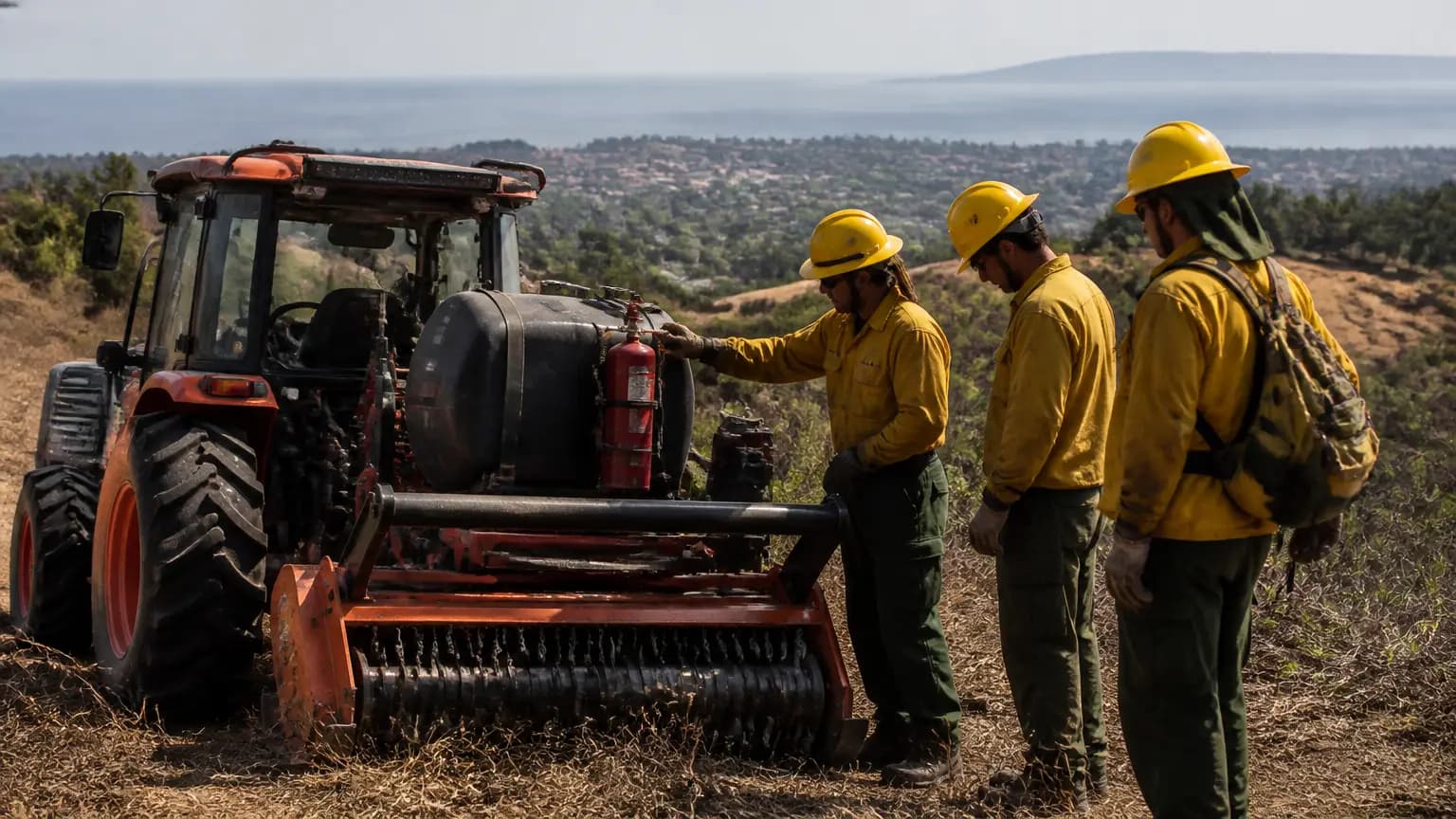
Heads up, neighbors — California just passed a new law that hits close to home for anyone who's watched our hillsides turn tinder-dry. Assembly Bill 2075 requires crews doing vegetation clearing to keep fire-suppression equipment within reach, and it comes directly out of the 2024 Mountain Fire in Ventura County, which investigators traced to hot debris from a tractor tire during an earlier fire operation. That's a sobering reminder of how quickly things can go wrong here in the 805, where we've all had those anxious September afternoons watching smoke on the ridge. If you've done defensible-space work around your property — or hired someone to do it — this is worth knowing about. Clearing brush is one of the best things we can do, but it has to be done carefully. As KEYT News Channel 3-12 reported, the goal is simple: keep water, tools, or other suppression gear right there so a stray spark doesn't turn a routine job into the next big one. It's not glamorous news, but it's the kind that quietly keeps our canyons and neighborhoods safer.
 Santa Barbara
Brian ‘Hawaiian Brian’ Nelson of Santa Barbara, 1948-2026
Santa Barbara lost one of its own this month. Brian "Hawaiian Brian" Nelson passed away Aug. 6, 2026, at Cottage Hospital — the very place he was born on June 3, 1948. There's something quietly beautiful about a life that begins and ends in the same building, in the same town, surrounded by the same ocean breeze. Brian's reach went well beyond our 805 bubble. As Noozhawk reported, his work and service touched people far from the Central Coast, with his brother Tarry Nelson among those carrying his memory forward. That's the kind of legacy we love to see here — a local kid who never forgot where he came from, even as his impact traveled farther than our coastline. Whether you knew him personally or just knew the name, Hawaiian Brian was part of the fabric of Santa Barbara. Our thoughts are with the Nelson family and everyone who called him friend. Aloha, Brian — mahalo for everything you gave back.
 Santa Barbara
Author Talk Addresses Profiles of People With Disabilities
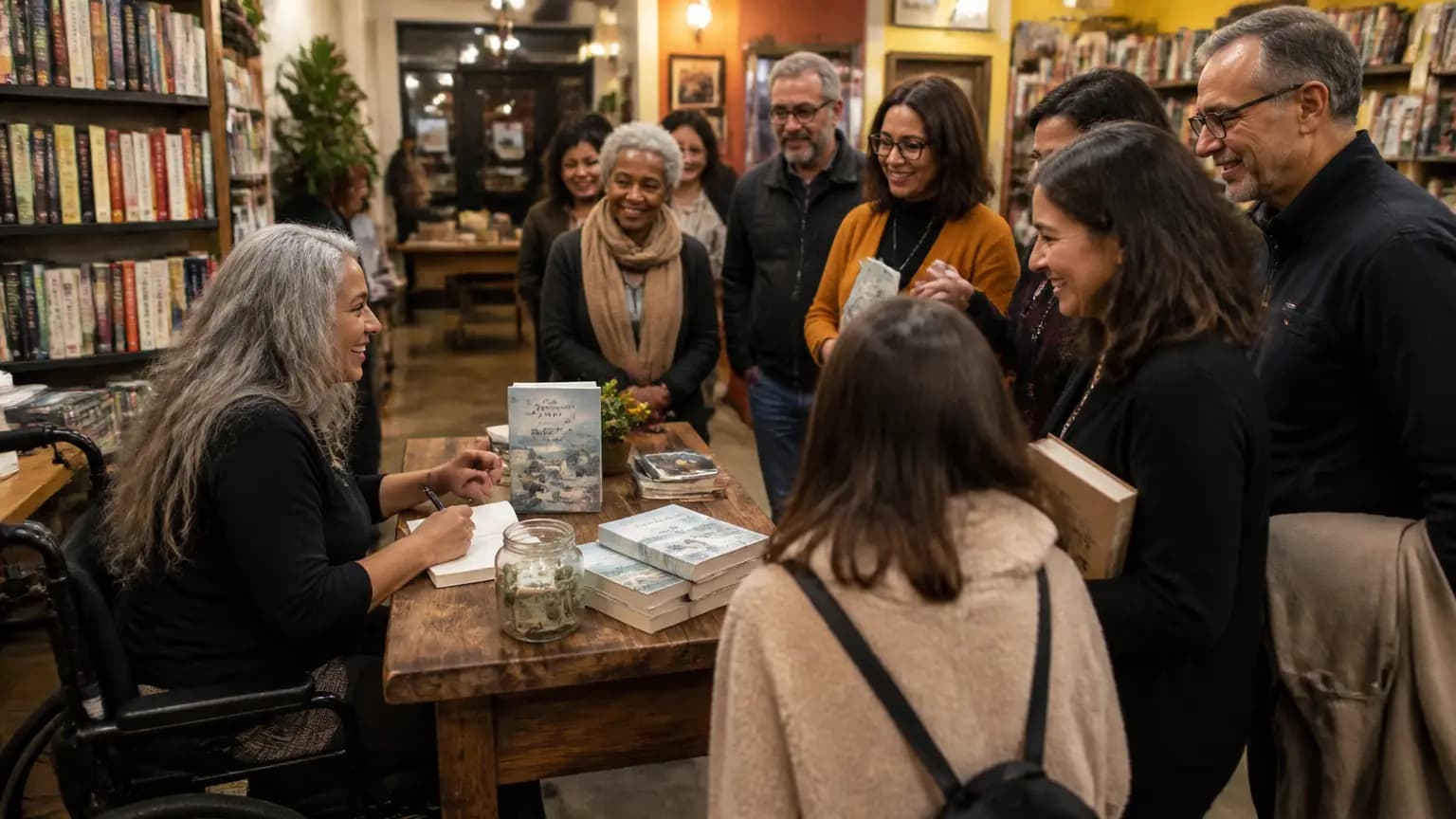
Santa Barbara readers, mark your calendars for a meaningful evening at Chaucer's Books. Local author Jennifer Chassman Browne will be at the State Street shop on Monday, Oct. 26 at 6 p.m. to talk about and sign her new book, "See Us, Know Us: Profiles of Disability." It's a chance to hear the real stories behind the people in our community whose experiences often go unnoticed. What makes this event especially worth showing up for is the giving-back angle. From 5:30 to 7:30 p.m., 10% of all in-store sales go to Access Central Coast, a local organization doing important work for people with disabilities here in the 805. So you can pick up a great read and support a neighbor at the same time. Thanks to Noozhawk for spotlighting it. These kinds of gatherings are what make Santa Barbara feel like a small town with a big heart. Swing by Chaucer's, meet the author, and help make sure our neighbors are seen and known.