Santa Barbara Commissions Recommend Ambassador Park Name Change to Celebrate Chumash
A small, palm-lined stretch of open space on Cabrillo Boulevard may soon carry a name far older than the city itself. Two Santa Barbara commissions have voted to recommend renaming Ambassador Park as Syuxtun Park, a change that would formally recognize the site as the home of the largest known Chumash village in the region.
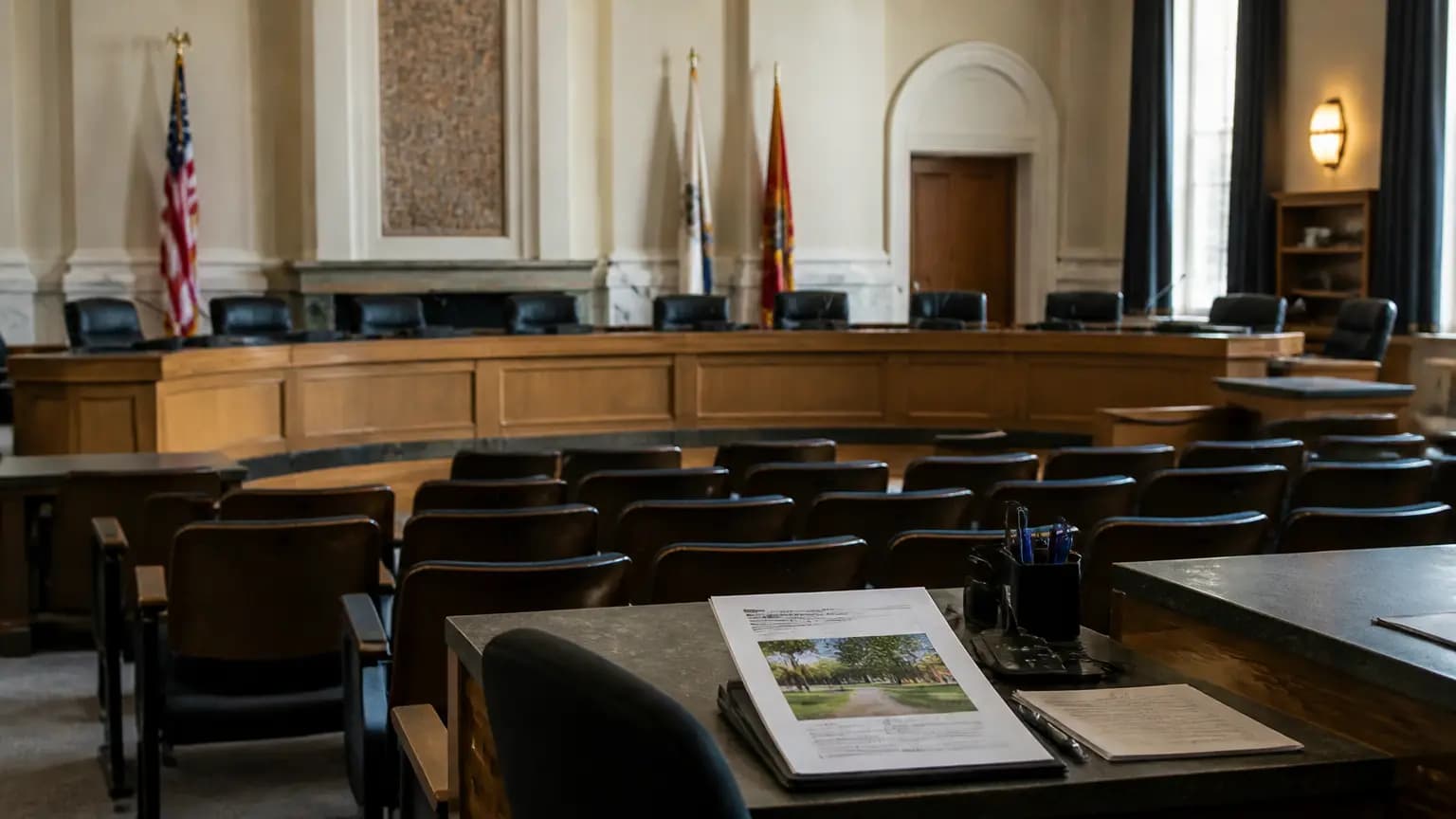
As Noozhawk first reported, the city's Parks and Recreation Commission and the Historic Landmarks Commission both approved forwarding the name-change recommendation to the Santa Barbara City Council, which has final say. The vote marks a milestone in a years-long effort to transform the waterfront park into a space that celebrates Chumash history and culture.
What's in a Name
Syuxtun — the Chumash word for "it splits" or "where the two trails run" — refers to a fork in a trail along the coast, according to the Santa Barbara Museum of Natural History. The name reconnects the park to its deepest layer of history: for thousands of years before Spanish colonization, the land belonged to the Chumash people, and this particular site was home to Syuxtun village, the largest known Chumash settlement in the region. Project planner Holly Garcin told the commissions that hundreds of residents are estimated to have lived in the area, relying on the surrounding natural habitat to survive.
"It would just really commemorate the significance of this site, the history of the land, be in alignment with the landmark designation, and just really highlight this project as a whole and showcase how wonderful it is for the community," Garcin said of the proposed name.
The park, which sits across from West Beach between Hotel Milo and the Sandy Beach Inn, was dedicated as a city landmark in 1990 because of its significance to Chumash people and history. Its more recent past is layered as well: in the early 20th century the land was developed into the Potter Hotel, which was destroyed by fire in 1921. Three years later, in 1924, the land was dedicated as a city park.
Commissioners embraced the renaming enthusiastically. "I think it is really fantastic and it makes total sense," said Historic Landmarks Commissioner Cass Ensberg. "This is what it should be, and we should all learn how to say these words and maybe a few more words, too." Parks and Recreation Commission Chair Kathy McGill said after the vote that the project "looks really exciting" and that she hopes "the rest of it goes well."
A Decade in the Making
The reimagining of Ambassador Park began in 2017, when the city started developing the concept alongside the California State Coastal Conservancy and members of the Chumash community. In 2020, the city received a $50,000 Coastal Conservancy grant to explore turning the park into a space that celebrates Chumash history and culture, and in 2025 the conservancy awarded another $250,000 to move the project from concept into preliminary planning.
Parks and Recreation Director Jill Zachary told the Parks and Recreation Commission that the conservancy is expected to contribute $750,000 to the project overall. The total cost is still being determined.
"We actually feel really fortunate to have the kind of collaboration and communication that we've had and worked through a lot of discussion points to arrive at the design that we have today," Zachary said.
A Walk From Sea to Summit
The redesign's guiding idea, Garcin said, is to celebrate Chumash culture through natural landscape. The iconic palm trees lining the park will remain, but the rest of the space will be reimagined with new pathways, open grass areas, and a centerpiece constellation mosaic.
Perhaps the most distinctive feature is the planting plan, which will arrange native habitat in a deliberate sequence. Ocean bluff plantings will greet visitors at the Cabrillo Boulevard entrance, transitioning to creek and marsh plants, then mountain chaparral, and finally oak woodland vegetation on the mountain side of the park.
"This sort of mimics the experience as you go from the sea, across the land to the mountains," Garcin explained.
Signage throughout the park will identify the different plants, and animal signage and detailing will represent creatures significant in Chumash oral history that lived in those habitats.
What Comes Next
The immediate next step is City Council consideration of the name recommendation. If approved there, the project returns to the Historic Landmarks Commission on Nov. 18 for preliminary design feedback — a required step given the park's 1990 landmark designation. The Parks and Recreation Department hopes to begin construction in 2028.
For Santa Barbara residents, the project represents one of the most visible municipal efforts to date to center Chumash heritage in the city's public landscape. The renaming would join a broader regional movement to restore Indigenous place names and recognize Native history along the Central Coast, where Chumash communities have lived for thousands of years and continue to play an active role in cultural and environmental stewardship.
For now, visitors to the Cabrillo Boulevard waterfront will see little change — the palms still stand, and the grassy expanse remains quiet across from West Beach. But if the City Council signs off, the park will soon bear the name of the village that once anchored this stretch of coast, and a walk through its paths will trace the journey from the shoreline to the mountains, much as the people of Syuxtun once knew it.
Reported by 805.life
Researched and written drawing on primary sources. Additional reporting: Noozhawk.
City
Santa BarbaraAdditional Reporting
NoozhawkPublished
November 4, 2026
Reported and written by 805.life
Explore Santa BarbaraAll Santa Barbara NewsMore News from Santa Barbara
 Santa Barbara
Better Homes in America — and in Santa Barbara
Did you know that nearly a century before Santa Barbara became the poster child for Spanish Colonial revival charm, it was already a national laboratory for the 'Better Homes' ideal? In 1922, Herbert Hoover — yes, that Hoover — took the helm of the Better Homes in America movement, and Santa Barbara was one of the cities that answered the call. The Santa Barbara Independent recently revisited that moment, and it's a fun reminder that our little corner of the 805 has long been ahead of the curve on how we think about home. What I love about this story is how it connects the dots. Hoover's campaign was about making housing practical, affordable, and beautiful — ideas that still shape our conversations about density, design, and neighborhood character today. Santa Barbara's own architectural legacy, from the red-tile roofs to the courtyard bungalows, didn't happen by accident; it was part of a broader national push to elevate everyday living. So next time you stroll past a charming Craftsman or a whitewashed adobe, tip your hat to 1922. Our city has always been a place where the idea of 'home' gets a little extra thought — and that's something worth celebrating.
 Santa Barbara
Relearning the Ways of the Shore
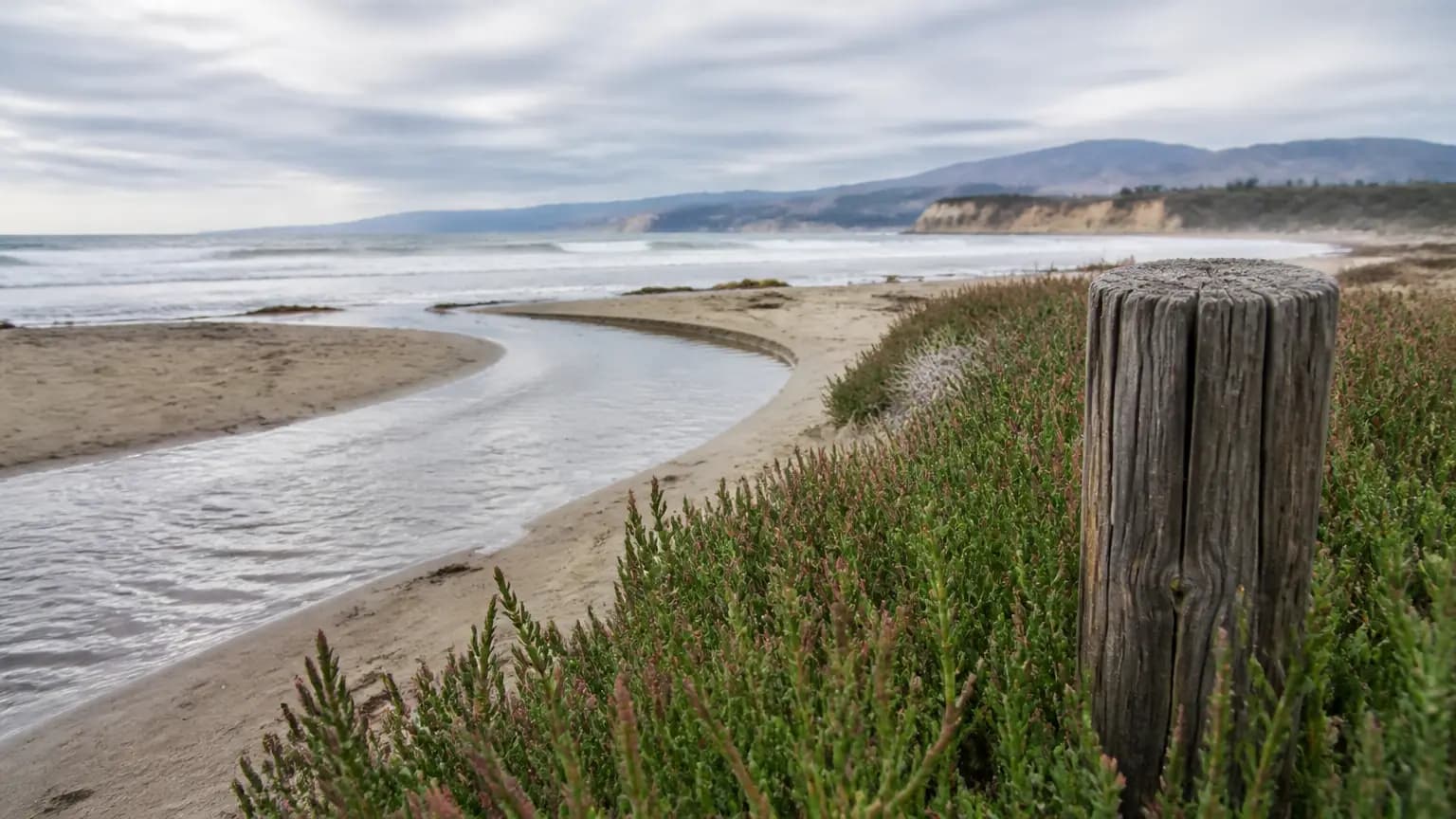
Living on the 805 means living with the ocean at our doorstep, and a recent piece in the Santa Barbara Independent reminds us that the shoreline we know is always shifting. The article, "Relearning the Ways of the Shore," makes a thoughtful case: restoring our beaches and wetlands to their natural state isn't just nostalgia—it's a smart defense against rising seas. Here in Santa Barbara, where so much of our identity is tied to the coast, that's worth paying attention to. Whether you're a surfer at Leadbetter, a walker on the Mesa, or someone who just loves a sunset at Goleta Beach, this affects all of us. Healthy dunes and marshlands absorb wave energy and buffer inland areas. The Independent's story is a nudge to think long-term about how we care for the shore we love. It's not about fighting the ocean—it's about working with it, the way the coast has always done. That's a lesson worth relearning.
 Santa Barbara
You Gotta Know When to Hold ’Em
If you've been watching Santa Barbara real estate from the sidelines, the latest word from the Santa Barbara Independent is worth a second look: the market is finding its balance, and that means room to negotiate again. After years of bidding wars and over-asking offers, that's a shift worth noticing — whether you're buying your first place off Milpas or thinking about selling the family home in the Mesa. A balanced market doesn't mean dramatic price drops or a sudden flood of listings. It means conversations. Contingencies come back into play, inspections matter again, and buyers and sellers actually talk. For longtime locals squeezed by the last few years, that's a quiet but real opportunity. So hold 'em if you've got a good hand — but know when to talk. Whether you're in Santa Barbara proper or anywhere across the 805, it's a good moment to check in with a trusted local agent and see what's actually possible.