Santa Barbara Considers Stricter Rules for Using Dwindling Reserve Funds

Santa Barbara city leaders are moving toward stricter rules governing when — and whether — the City Council can tap the city's dwindling emergency reserves, as new figures show the fund is less than half its required size.
At its Tuesday meeting, the city's Finance Committee recommended that the full City Council consider a new policy limiting the council's own access to reserve funds, the Noozhawk reported. The recommendation comes as Finance Director Keith DeMartini warned that if current spending patterns continue without replenishment, the city's disaster reserves could be fully depleted by the end of fiscal year 2028-29.
"Obviously we cannot allow this to occur," DeMartini told the committee. "We won't. We have to make additional revenue decisions and also decisions that will control and reduce expenses to not allow this to occur."
A Reserve Fund Far Below Target
Santa Barbara's policy calls for reserves equal to 25% of the general fund budget — roughly three months of operating expenses — meant to cover one-time costs or sustain the city through an emergency. By that standard, the city should be holding about $56.7 million in reserves today. Instead, DeMartini reported, the actual balance stands at roughly $27 million.
The shortfall is even starker when the reserves are broken into their two components. City policy designates 10% of the operating budget for contingency reserves and 15% for disaster reserves. The contingency portion has already been fully depleted, according to DeMartini, leaving the city reliant on disaster reserves that are themselves about $6 million below where they should be.
For a city that has repeatedly leaned on one-time money to close ongoing budget gaps in recent years, the numbers amount to a fiscal warning sign. A depleted reserve leaves Santa Barbara with less cushion to respond to a major wildfire, earthquake, flood or other disaster — a scenario that is hardly hypothetical for a coastal community bordered by wildfire-prone hillsides.
Councilmembers Split on Lowering the Bar
Councilwoman Meagan Harmon, who sits on the Finance Committee and has roughly four months left in her term, put forward two proposals she acknowledged were "controversial": lowering the reserve target from 25% to 15% by eliminating the contingency category entirely, and stripping the council of its ability to draw on emergency reserves except in state- or federally declared emergencies or other specifically defined situations.
"I think we've gone too many years of sort of dipping in and being really flexible and truthfully it's just not working and the proof is in the pudding," Harmon said. "We're into our emergency reserves right now and it's not sustainable and it's not safe."
Her stance reflects a tension at the heart of the debate: a policy target the city cannot meet may provide less discipline than a lower target it actually honors.
Her committee colleagues, Councilmembers Eric Friedman and Wendy Santamaria, were hesitant to lower the 25% target but signaled support for restricting the council's access to the reserves. Friedman urged the full council to recommit to the existing standard, arguing the city is better served by fully funding both the 15% disaster and 10% contingency tiers.
"There are things that will come up throughout the year that we need to be able to use that for and then quickly replenish them," Friedman said.
New policy language with strict rules around reserve use will head to the full City Council at a later date, along with a companion policy governing how budget surpluses should be used.
No Steady Funding Yet for Housing Trust
The committee also wrestled with a second budget pressure point: finding an ongoing funding source for the Local Housing Trust Fund, which supports affordable housing development and housing assistance. The trust has been a recurring flashpoint in the past two budget cycles. This year, absent a dedicated revenue stream, the council voted to use $1 million from Measure C — the sales tax measure voters approved for infrastructure projects — to help meet the $2 million annual contribution the city committed to when the fund was created.
City staff laid out a menu of possible funding sources, including Measure C, Measure I (which funds essential city services), in-lieu fees collected from development projects, and a vacancy tax, which would require voter approval. Other options include raising the transient occupancy tax charged to hotel guests, increasing real property transfer taxes, or pursuing outside fundraising.
Harmon said she believes a transient occupancy tax increase dedicated specifically to the housing fund is the only path to a sustainable revenue source. Santamaria called a TOT increase "worth considering" but floated a commercial vacancy tax instead, arguing that empty storefronts are the vacancies most visible downtown and most damaging to the city's economic vitality — and that such a tax could nudge property owners to fill them, even if it doesn't raise substantial revenue.
Friedman opposed new taxes for now, saying the city first needs to demonstrate it can manage its own budget and rebuild reserves. He did back deeper conversations with philanthropists and outside contributors.
City Administrator Kelly McAdoo emphasized that the discussion is only the beginning, and that staff will return to the Finance Committee regularly as preparation begins for next year's budget.
What Comes Next
For residents, the stakes are twofold. In the near term, decisions about reserves and taxes will shape how the city closes future budget gaps — through service cuts, new revenue, or continued borrowing from funds meant for emergencies. Longer term, the strength of the reserve balance determines how well Santa Barbara can weather a major disaster without drastic cuts elsewhere.
The full City Council will take up the proposed reserve-use restrictions and surplus policy in the coming months, alongside the broader question of how — or whether — to sustainably fund affordable housing efforts. Until then, the committee's recommendation stands as a rare instance of elected officials asking to have their own spending authority curtailed.
Reported by 805.life
Researched and written drawing on primary sources. Additional reporting: Noozhawk.
City
Santa BarbaraAdditional Reporting
NoozhawkPublished
August 27, 2026
Reported and written by 805.life
Explore Santa BarbaraAll Santa Barbara NewsMore News from Santa Barbara
 Santa Barbara
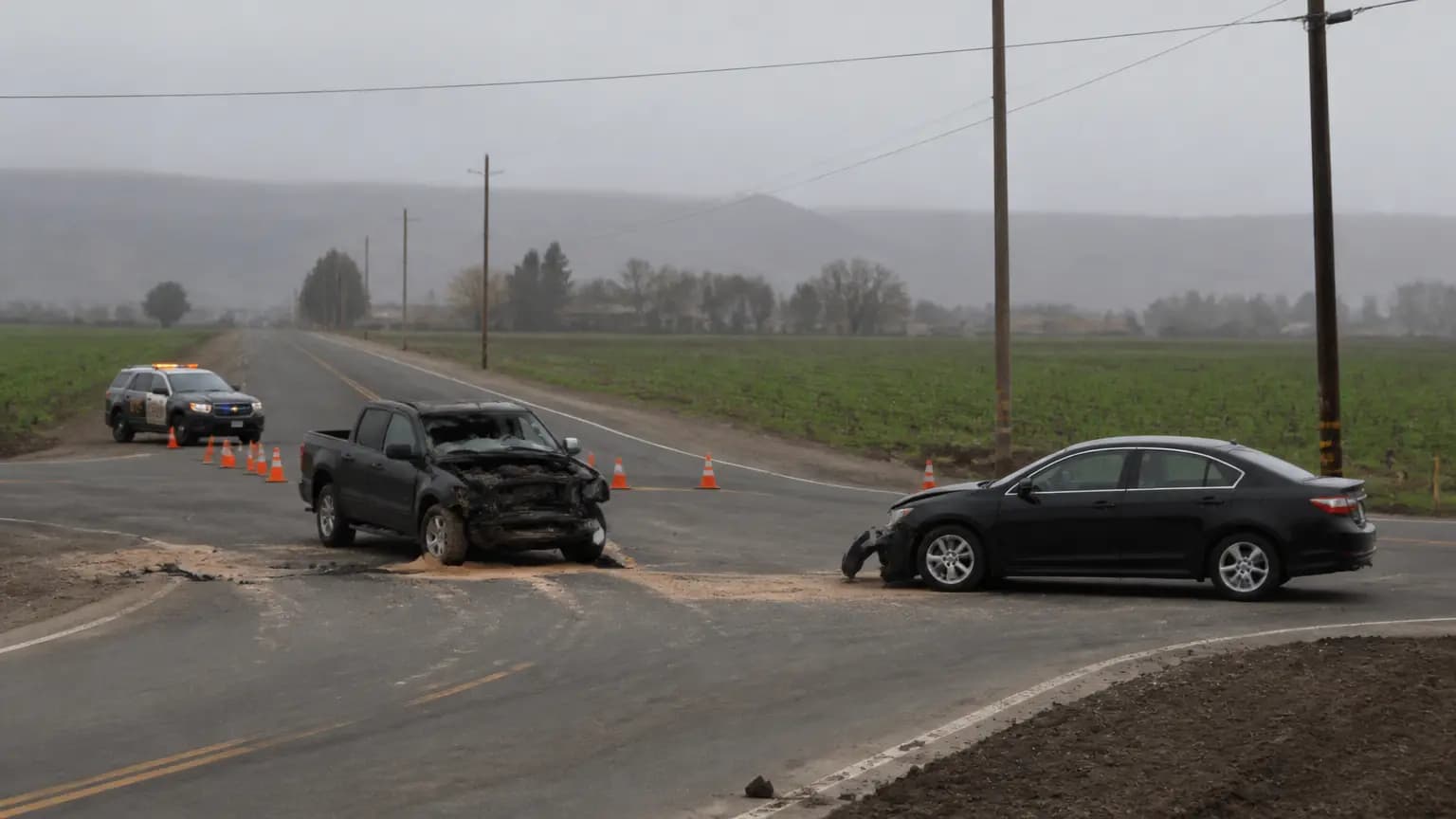
Three-Vehicle Crash in Santa Maria Valley Sends 5 Patients to Hospital
Heads up, neighbors — a rough one out on the west side Sunday afternoon. Five people were hurt in a three-car crash near West Betteravia and Mahoney roads, just past the Santa Maria city limits, according to Noozhawk. County Fire and Santa Maria Fire crews were on scene by 1:40 p.m., with three sedans involved and five patients taken to the hospital. That Betteravia-Mahoney stretch is a familiar commute for plenty of us heading between Santa Maria and the vineyards and farms out west, and it's a good reminder to slow down and stay alert on those rural intersections. No word yet on what caused the crash or how those injured are doing. We're sending good thoughts to everyone involved and to the first responders who showed up fast on a Sunday. We'll share updates as Noozhawk reports them.
 Santa Barbara
Santa Barbara Humane Western Gala Rounds Up $370,000
Santa Barbara Humane just showed what this community can do when it rallies around a good cause. Nearly 300 folks turned out at the Santa Barbara campus for Whiskers Under the Moon, a Western-themed gala that pulled in over $370,000 — blowing past the $300,000 goal by a cool $70K. That's real money going to work right here on the Central Coast, helping people with pets and pets without people. Holding the event on campus was a smart touch. Instead of a stuffy ballroom, guests got to see firsthand the place their dollars support. There's something about standing where the animals actually are that makes generosity feel personal. We love a good party, but we love it more when the boots-and-bowties crowd leaves behind funding for shelter care and community programs. Hats off to everyone who showed up. As Noozhawk reported, this one's a win worth celebrating. If you missed it, keep an eye out — Santa Barbara Humane's work runs all year, not just gala night.
 Santa Barbara
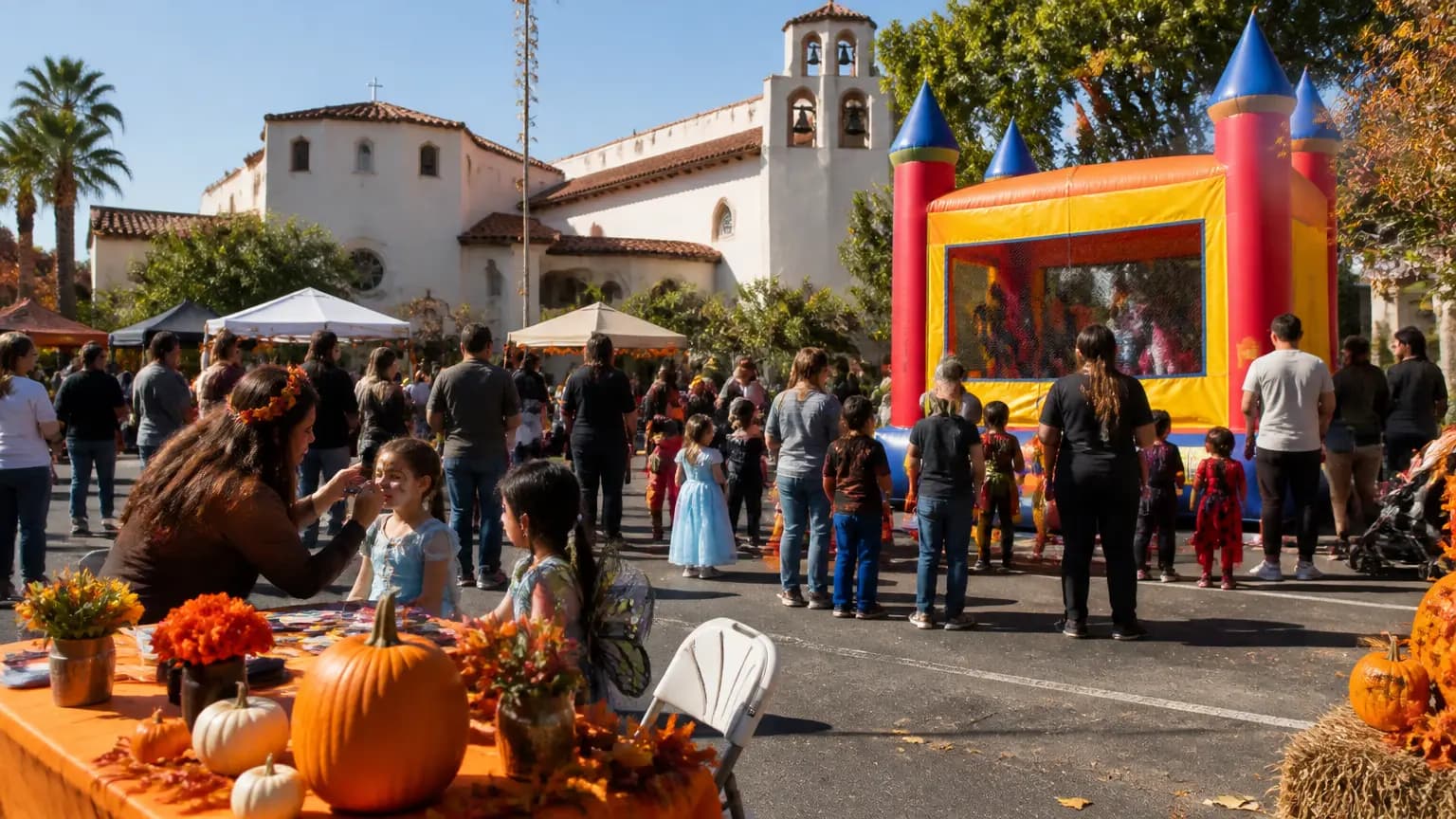
Fall Family Festival Offers a Fun Zone of Autumn Activities
Halloween on the Mesa just got a whole lot easier for parents. Cliff Drive Care Center and Free Methodist Church of Santa Barbara are turning their parking lot at 1435 Cliff Drive into a Fun Zone mini-carnival on Saturday, Oct. 31, from 11 a.m. to 2 p.m. — bounce houses, toddler and preschool games, face painting, and plenty of activities for the elementary-age crew. What I love about this is the timing. A midday, drop-in festival means little ones who can't handle trick-or-treating after dark still get the full autumn experience, and parents get a relaxed, safe space to let the kids burn off energy before the evening sugar rush. It's the kind of neighborhood gathering that makes the Mesa feel like a small town inside a big city. Big thanks to Noozhawk for keeping us posted on local happenings like this. Mark your calendars, Santa Barbara — costumes encouraged, and the parking lot is about to be the happiest place on Cliff Drive.