Santa Barbara Neighborhood Clinics’ Dental Program Marks Landmark Year in Community Health, Saving Thousands from Emergency Rooms and Costly Procedures
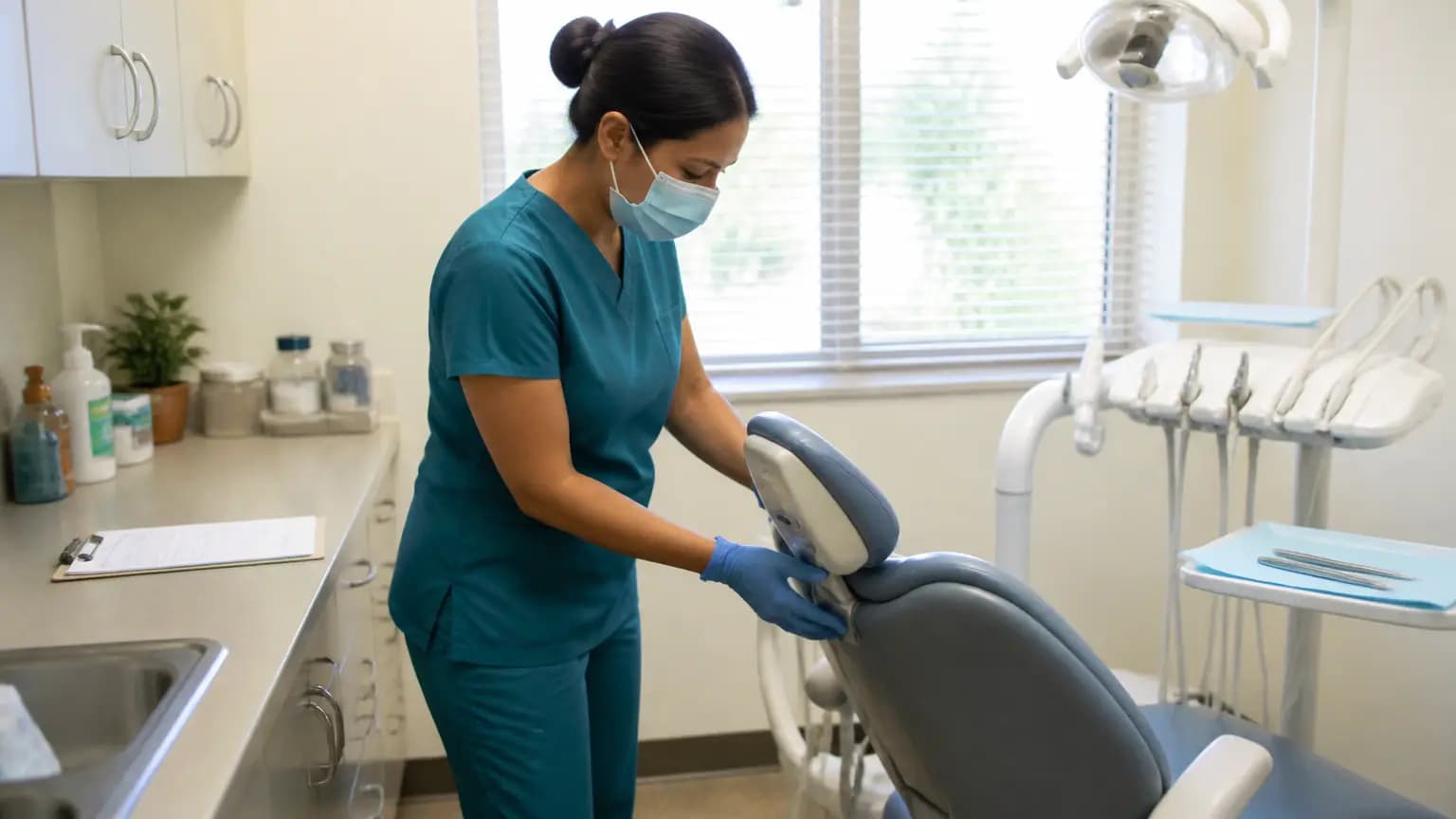
Santa Barbara Neighborhood Clinics (SBNC) is marking a landmark year for its dental program, releasing 2025 figures that show the nonprofit safety-net provider delivered nearly 24,000 dental patient encounters across the region — a scale of preventive and restorative care that officials say is keeping hundreds of residents out of hospital emergency rooms and sparing low-income families from procedures that can cost thousands of dollars.
According to data published by SBNC and reported by the Santa Barbara Independent, the program logged 23,846 patient encounters in 2025, serving roughly 6,800 unique patients with services ranging from routine cleanings to root canal therapy and dental implants.
The numbers land at a moment when access to affordable dental care remains a persistent gap in communities across the 805. Santa Barbara's water supply is not fluoridated, and SBNC has identified its service population as high-risk for dental caries — the clinical term for cavities — making preventive intervention the program's central strategy for breaking what clinicians describe as a lifelong cycle of decay.
Prevention First: Thousands of Sealants for Kids
The clearest evidence of that strategy is in the sealant numbers. SBNC placed 2,398 dental sealants in 2025, focusing on children as young as 6 or 7 years old — the age when permanent molars typically arrive and are most vulnerable.
"A simple sealant can prevent a lifetime of invasive and expensive restorations," Christina Mendoza, DDS, dental director at SBNC, said in the organization's announcement. "In a high-risk area like ours, providing these services to children isn't just about dental health; it's about long-term financial stability for these families. It keeps kids in the classroom and ensures parents can remain productive at work without the interruption of dental pain or emergencies."
The preventive push is paired with restorative work aimed at saving teeth rather than pulling them. The clinic completed 112 root canal treatments in 2025 — procedures that at private practices often run into the thousands of dollars per tooth. Program staff say that by offering them at reduced or no cost, SBNC spares patients both the financial hit and the health consequences of tooth loss.
The program also performed 1,093 extractions and treated 1,101 new emergency dental patients. Officials say those interventions likely prevented hundreds of unnecessary visits to local emergency departments, where dental pain is a common — and notoriously poorly treated — complaint, since hospital ERs generally lack dental staff and can do little beyond pain relief and antibiotics.
The Mobile Clinic Brings Care to Campus
For families juggling work schedules, transportation gaps, or childcare constraints, SBNC's Mobile Clinic has become a critical workaround. The mobile unit recorded 4,130 total encounters in 2025 and conducted screenings at 27 schools and preschools spanning Santa Barbara, Goleta, and Carpinteria.
The school-based numbers are striking: 2,906 screenings and 3,406 fluoride applications delivered directly on campuses, saving what SBNC estimates as hundreds of hours of parent travel and waiting-room time.
The mobile program offers a less quantifiable benefit as well, staff noted: children often tolerate treatment better in familiar surroundings. Clinic personnel said kids are frequently more comfortable receiving care at their own schools than in a clinical setting, which has allowed the team to treat students who might otherwise have needed referrals to specialists — an added cost and logistical burden for families least able to absorb either.
Training the Next Generation of Dentists
SBNC's dental operation is also a pipeline for the profession itself. The clinic's Advanced Education in General Dentistry (AEGD) residency program graduated seven residents this year, bringing its total to more than 90 graduates since 2010. Interest in the program is growing: it drew 40 applicants for the 2026–2027 class, according to the announcement.
The residency program functions as a two-way benefit for the community — residents gain supervised experience in a high-volume safety-net setting, while SBNC extends its treatment capacity with the added clinical staffing.
Why It Matters for the 805
For a region where the high cost of living stretches family budgets thin, dental disease is often treated as a discretionary problem — until it isn't. Untreated decay is among the most common causes of school absenteeism nationally, and dental pain that goes unaddressed in a clinic setting frequently ends up in the ER, where costs are dramatically higher and definitive treatment is rarely available.
SBNC's 2025 figures suggest the alternative model works at scale: prevent decay early with sealants and fluoride, restore teeth affordably when problems arise, and meet patients where they are — literally, in school parking lots — rather than waiting for emergencies.
The organization, whose stated mission is to provide "compassionate, affordable, and responsive healthcare to all," operates as part of the region's health care safety net, serving patients regardless of insurance status or ability to pay. Residents seeking dental services or more information about the program can visit sbclinics.org.
SBNC has not announced specific expansion plans beyond the incoming AEGD residency class, but the continued demand — from the 40 applicants to the residency program to the more than 1,100 new emergency patients in a single year — signals that the need across Santa Barbara, Goleta, and Carpinteria remains substantial, and that the clinic's dental program will continue to be a cornerstone of community health care on the Central Coast.
Reported by 805.life
Researched and written drawing on primary sources. Additional reporting: Santa Barbara Independent.
City
Santa BarbaraAdditional Reporting
Santa Barbara IndependentPublished
August 24, 2026
Reported and written by 805.life
Explore Santa BarbaraAll Santa Barbara NewsMore News from Santa Barbara
 Santa Barbara
SBCAG solicita la opinión del público sobre cómo mejorar la participación comunitaria
SBCAG, the regional body that helps coordinate transportation and planning across Santa Barbara County, wants to hear from you — not just about roads and buses, but about how the agency itself can do a better job of listening to residents. As reported by the Santa Barbara Independent, the association is gathering public input on how to improve community engagement, which is a polite way of asking: how can government make it easier for everyday folks to show up and be heard? Here on the Central Coast, where decisions about highways, housing and transit ripple through every neighborhood from Carpinteria to Santa Maria, that question matters. Too often, the people most affected by regional planning are the least likely to make it to a weekday meeting in a distant conference room. So if you've ever felt like your voice got lost in the shuffle, this is your chance to say so. Keep an eye on SBCAG's channels for how to weigh in — your two cents could help shape how the 805 plans its future.
 Santa Barbara
SBCAG Seeks Public Input on How to Improve Community Participation
Here's a question worth asking: how do you actually want to hear from your local government? SBCAG — the folks who plan transportation and regional projects across Santa Barbara County — is asking residents how they'd like to receive info and give feedback on the decisions that shape our daily commutes, housing, and growth. If you've ever sat through a 6 p.m. hearing at the county building, or tried to find a meeting agenda buried somewhere online, you know the current system doesn't always work for working families, Spanish-speaking neighbors, or anyone juggling kids and a job. The Santa Barbara Independent reports SBCAG wants to fix that. So speak up — even if it's just to say "send me a text" or "hold meetings on weekends." The way our region gathers input now determines whether the next big transportation project reflects the 805 or just the loudest voices in the room.
 Santa Barbara
La Junta de Supervisores busca cubrir dos puestos en la Junta de Retiros del Condado
Our county supervisors are looking for a couple of good neighbors to step up and serve on the County Retirement Board. If you live in Santa Barbara County and have a head for finance, pensions, or just want to help look out for the retirement security of our local public workers, this could be your moment. The Retirement Board oversees the pension system that supports the people who keep our county running — from sheriff's deputies to parks staff. It's not glamorous work, but it matters, and it's one of those quiet civic roles that shapes our community's long-term health. The Santa Barbara Independent reports the Board of Supervisors is now accepting resumes from qualified residents. If you've got the background and the time, consider throwing your hat in the ring. Local government works best when regular folks show up. Details on how to apply are available through the county.