Santa Barbara Taking Baby Steps Toward Solving Sheriff’s Office Overtime Crisis
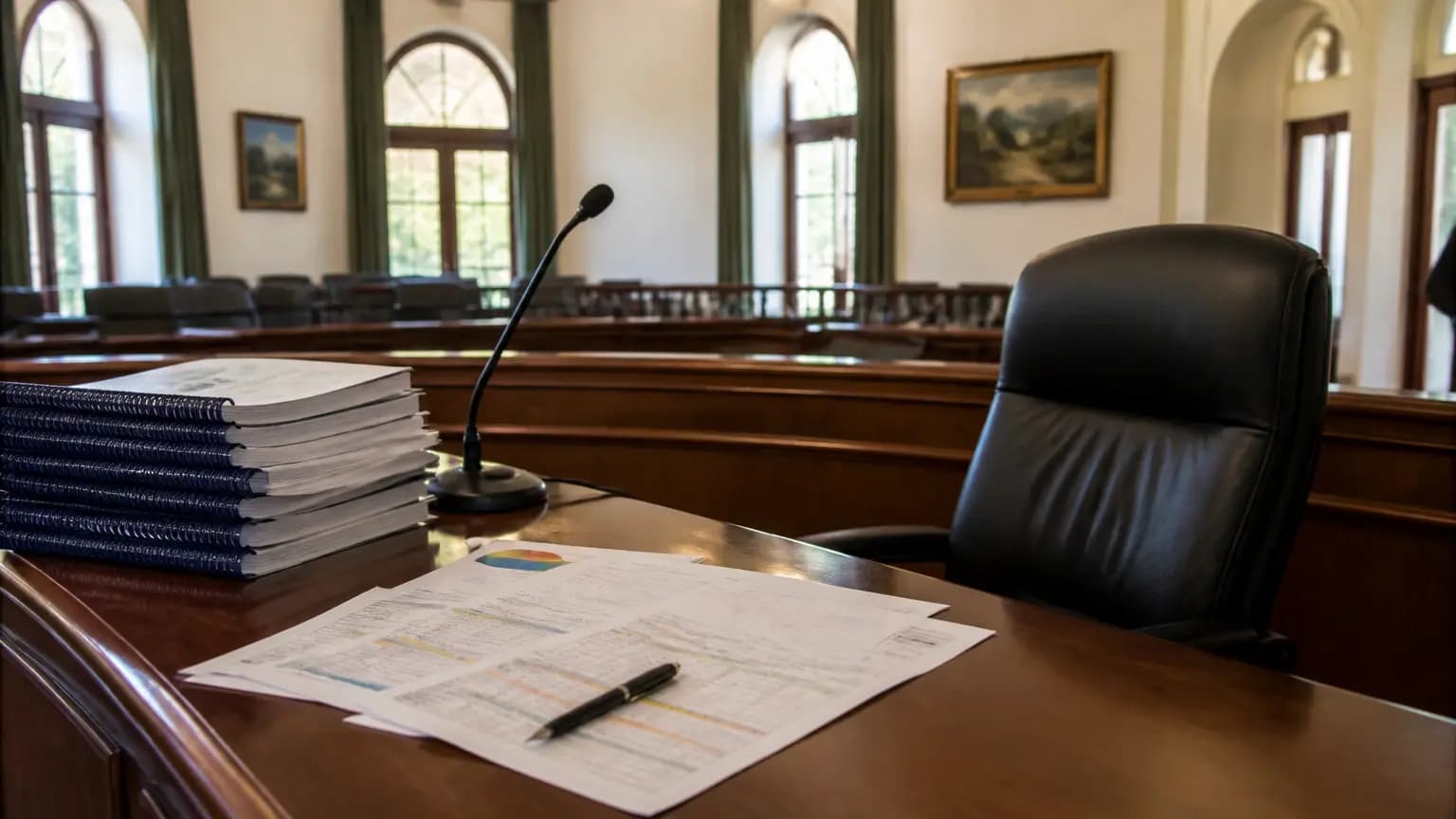
Santa Barbara County took its first concrete steps this week toward reining in the Sheriff's Office overtime spending that has become the county's most contentious budget issue, adopting a set of Grand Jury recommendations that include a tougher union contract, a modernized payroll system, and a plan to consolidate the county's two jails.
At Tuesday's Board of Supervisors meeting, county management analyst Nicole Parmelee laid out the county's formal response to a recent Grand Jury report faulting the Sheriff's Office for routinely blowing past its overtime allowance. The numbers behind the scrutiny are stark: the department is projected to spend roughly $19 million on overtime this year — about $9 million over budget — and the Sheriff's Office now consumes approximately 33 percent of the county's General Fund, up from 24 percent just two years ago, according to the Santa Barbara Independent.
For Santa Barbara residents, the stakes are tangible. The General Fund pays for the county's core services, and every additional dollar absorbed by public safety payroll is a dollar unavailable for parks, health programs, and other priorities. The issue has also raised questions about oversight and taxpayer trust, following recent criminal cases involving sheriff's personnel.
What the New Union Contract Changes
The centerpiece of the county's response is a newly negotiated labor agreement with the Deputy Sheriff's Association. Parmelee told supervisors the contract rewrites the overtime calculus in several ways: paid sick leave and comp time no longer count toward overtime hours; individual employees are capped at 1,300 overtime hours per year; annual comp-time accrual is limited to 120 hours; comp-time balances must be cashed out periodically; and rules on when employees can bill for drive time have been clarified.
Those changes directly target the practices that a recent county audit flagged. According to the audit, the department's top overtime earner collected $170,000 in overtime on top of a $103,000 base salary, and 29 other employees earned more in overtime than in base pay. In one extreme case cited by the Independent, a custody employee worked 2,298 extra hours in a single year — the equivalent of more than a full additional job — taking home an extra $130,000.
The meeting did not address the recent arrests of two custody sergeants on alleged timecard fraud charges — one accused of falsely claiming more than $175,000 for shifts not worked, the other charged with stealing $93,000 in overtime pay. The Sheriff's Office has said it strengthened internal review of timecards in response.
A Payroll System Built for the Problem
County officials agreed with the Grand Jury's finding that the Sheriff's Office's outdated payroll system makes it difficult to track and analyze overtime. The fix is already in motion: a new system called Workday is expected to go online by spring 2027. In the interim, Parmelee said, the Sheriff's Office is being encouraged to better categorize the reasons employees work extra hours — data that would help distinguish unavoidable coverage gaps from discretionary spending.
A more expansive audit of the department is also on the horizon. Parmelee told supervisors it will examine whether overtime is accurately recorded, properly approved, supported by legitimate need, and correctly paid.
The Two-Jail Question
Perhaps the most consequential recommendation is the proposal to consolidate jail operations and decommission the Main Jail in South County. Parmelee said county officials concurred with the Grand Jury that running two facilities drives up staffing costs, and a consolidation plan is expected to reach the Board of Supervisors this December.
Whether consolidation actually saves money remains an open question. The Grand Jury noted that jail populations have fallen — from 1,010 inmates in 2013 to 750 in 2025 — even as Sheriff's Office spending continued to climb. Shrinking populations could make consolidation feasible, but the transition costs, staffing logistics, and timeline for closing a facility that serves the South Coast have yet to be detailed.
Brown: 'This Isn't a Solved Problem'
Sheriff Bill Brown struck a cautiously optimistic tone, telling supervisors his department had enacted "extreme measures" to curb costs and continued to tighten oversight. "It's gotten quite draconian compared to what it's been in the past," he said.
But Brown was blunt that relief won't come quickly. The department will keep exceeding its overtime budget "for the foreseeable future," he cautioned, because the county must maintain minimum staffing levels in the jails and on patrol. He also pushed back on the assumption that overtime is always the more expensive option, arguing that overtime can sometimes cost less than hiring additional full-time employees once salaries and benefits are factored in.
Brown acknowledged the human toll of marathon shifts and the risk of burnout, framing the challenge as a balancing act among fiscal responsibility, adequate staffing, and employee workload. "It's all about balance," he said, "like everything else in life, I suppose."
What Comes Next
The December jail consolidation proposal is likely to be the next flashpoint, particularly for South Coast residents and county employees tied to the Main Jail. Meanwhile, the broader audit, the Workday rollout in spring 2027, and the first full year under the new deputy contract will test whether this week's "baby steps" — as the Independent characterized them — add up to meaningful relief for a General Fund increasingly consumed by public safety costs.
Supervisors signaled Tuesday that more hard conversations lie ahead. How those discussions resolve will shape both the county's budget outlook and the level of policing Santa Barbara residents can expect in the years to come.
Reported by 805.life
Researched and written drawing on primary sources. Additional reporting: Santa Barbara Independent.
City
Santa BarbaraAdditional Reporting
Santa Barbara IndependentPublished
August 26, 2026
Reported and written by 805.life
Explore Santa BarbaraAll Santa Barbara NewsMore News from Santa Barbara
 Santa Barbara
Shorthanded Bishop Diego no match for Marmonte League foe St. Bonaventure
Tough Friday night for the Cardinals, and honestly, you have to feel for these kids. Bishop Diego fell 42-0 to St. Bonaventure, their fifth straight loss, but the scoreboard doesn't tell the whole story — the team is down close to ten players for the season with injuries. That's not a depth problem, that's a numbers problem. St. Bonaventure's Tony Dargan punched in two rushing touchdowns before halftime as the Seraphs rolled to a 21-0 lead, and the Marmonte League gap was just too much for a shorthanded Bishop Diego squad. For a small school on the Mesa, suiting up week after week with that many guys out says something about the players still grinding out there. If you see a Cardinal player around town this week, give them a nod. Thanks to KEYT News Channel 3-12 for keeping eyes on our local teams, even in the hard seasons.
 Santa Barbara
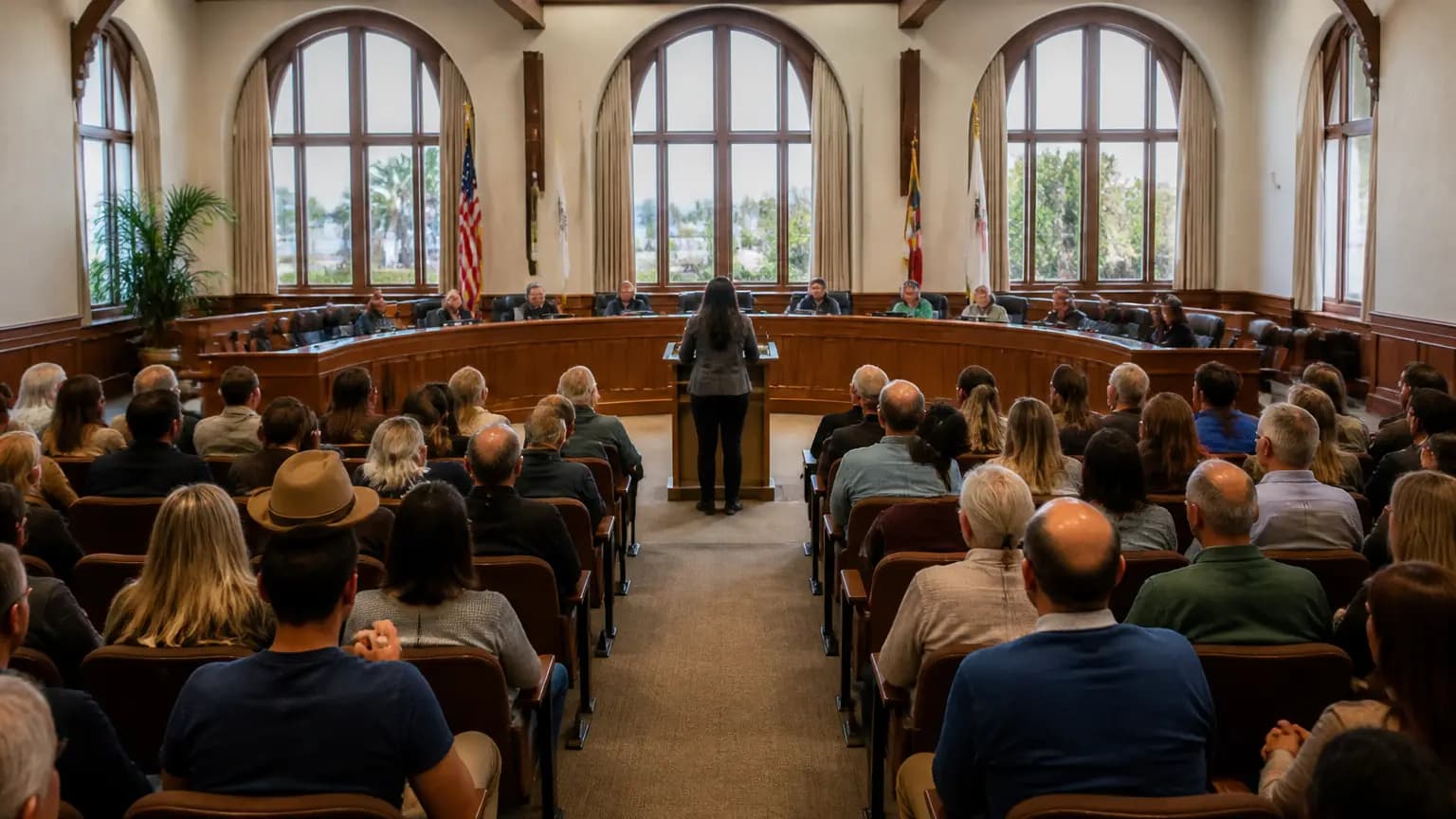
The Santa Barbara Way Includes and Values All Community Voices
If you've felt a little tension around town lately, you're not imagining it. A recent piece in the Santa Barbara Independent makes the case that the division we're sensing isn't the Santa Barbara way at all — it's what happens when whole segments of our community get left out of the conversation. That resonates here on the Central Coast. From the Eastside to Goleta to Carpinteria, our strength has always been that neighbors show up, listen, and make room for each other. When voices get sidelined, decisions stop reflecting who we actually are. The good news? This is fixable, and it starts small — at kitchen tables, on front porches, and in the comment sections. Let's keep inviting everyone in. That's the 805 way, and it's the Santa Barbara way too.
 Santa Barbara
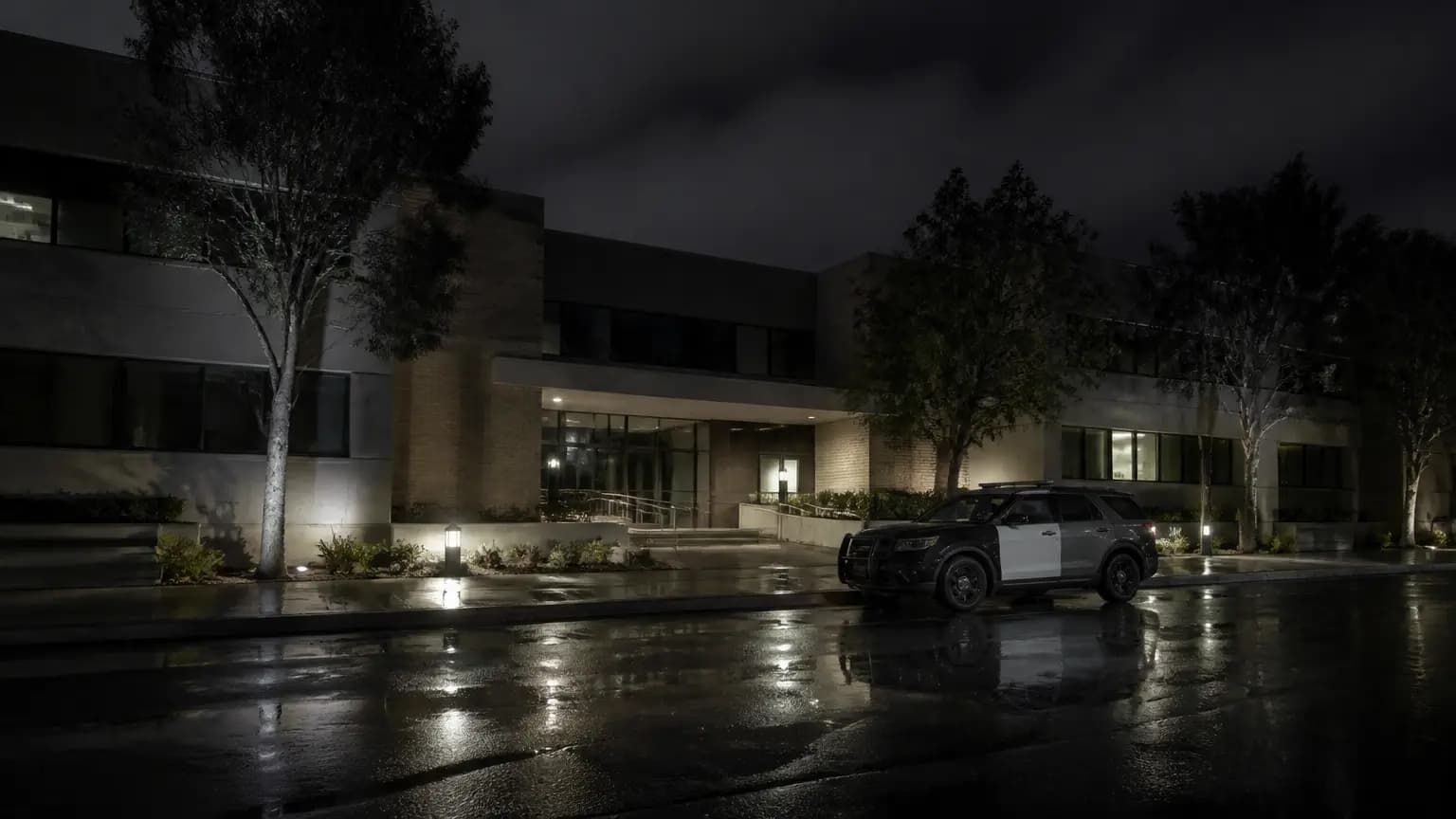
Departamento de Policía: Accidente fatal con fuga
Late Thursday night, Santa Barbara police responded to a fatal hit-and-run crash near our neighborhood streets around 10:09 p.m. This is the kind of news that hits hard here — we know these roads, we walk them with our kids, and someone out there chose to drive away instead of stopping. If you were in the area that night or saw anything unusual, please reach out to the Santa Barbara Police Department. Even a small detail can help bring answers to a grieving family. The Santa Barbara Independent first reported the story, and we'll keep following it as more information becomes available. Take care of each other out there, Santa Barbara. And if you know the driver, do the right thing — come forward.