Santa Maria-Bonita makes steps toward new school at Blosser Ranch
Santa Maria Sun
May 28, 2026
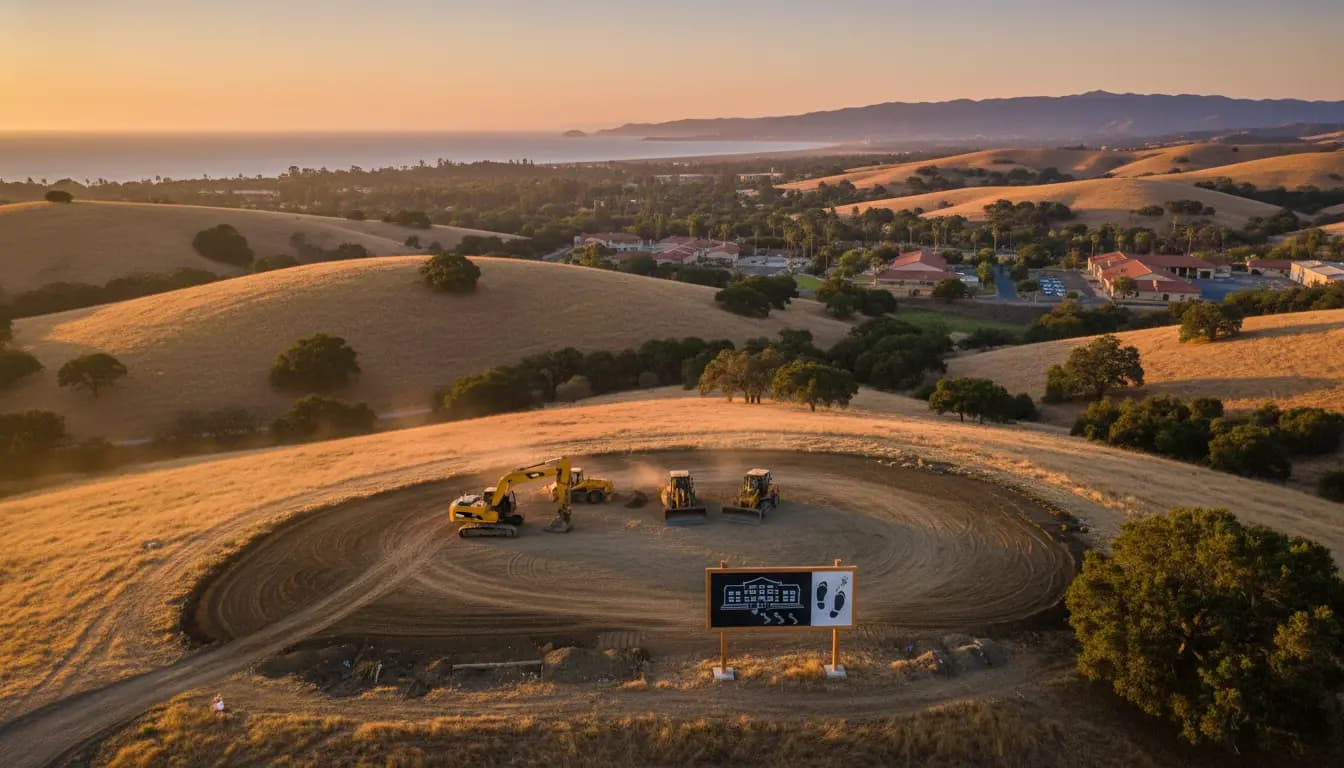
You know a project is really happening when the conversation turns to dirt—and lots of it. According to the *Santa Maria Sun*, the Santa Maria-Bonita School District is moving forward on that long-awaited new campus at Blosser Ranch, and the first big step is impressively down-to-earth. We’re talking about enough fill dirt to fill roughly 30 Olympic-sized swimming pools. Over the next six to 10 weeks, you might notice a steady parade of 12 to 15 dump trucks hauling that soil in, working eight to 10 hours a day. It’s not the most glamorous part of building a school, but it’s the kind of gritty groundwork that tells you this project is finally shifting from dream to driveway.
For families in Santa Maria’s growing north side, this is more than a construction update—it’s a sign that relief is on the way for overcrowded classrooms. Blosser Ranch has been on the district’s radar for years, and seeing actual trucks start to roll feels like watching a promise being kept. So next time you’re stuck behind a loaded dump truck on your morning commute, take a breath. That dirt is headed somewhere good: a place where our kids will soon be learning, laughing, and growing.
This summary was written by AI based on the original article from Santa Maria Sun.
City
Santa MariaSource
Santa Maria SunPublished
May 28, 2026
AI-curated summary from local news sources
Explore Santa MariaAll Santa Maria NewsMore News from Santa Maria
 Santa Maria
Rematch: Jeremy Ball and Jim Mosby are battling in another Lompoc race, this time to become the city’s next mayor
Lompoc voters, we've seen this matchup before. Jeremy Ball and Jim Mosby are facing off again—this time for mayor—six years after Ball won their 2020 race for the 4th District seat. Mosby bounced back in 2024 by defeating Jenelle Osborne for mayor, and now the two council incumbents are squaring off once more. It's a rematch that says a lot about how small-town politics works here on the Central Coast: familiar faces, long memories, and neighbors who've watched both men serve. Mayoral races in Lompoc shape everything from downtown revitalization to public safety and housing decisions, so this one's worth paying attention to. The Santa Maria Sun has the full story. Whatever your politics, do your homework before the ballot arrives—local races like this hit closer to home than anything in Washington.
 Santa Maria
Police use drones as first responders in Lompoc
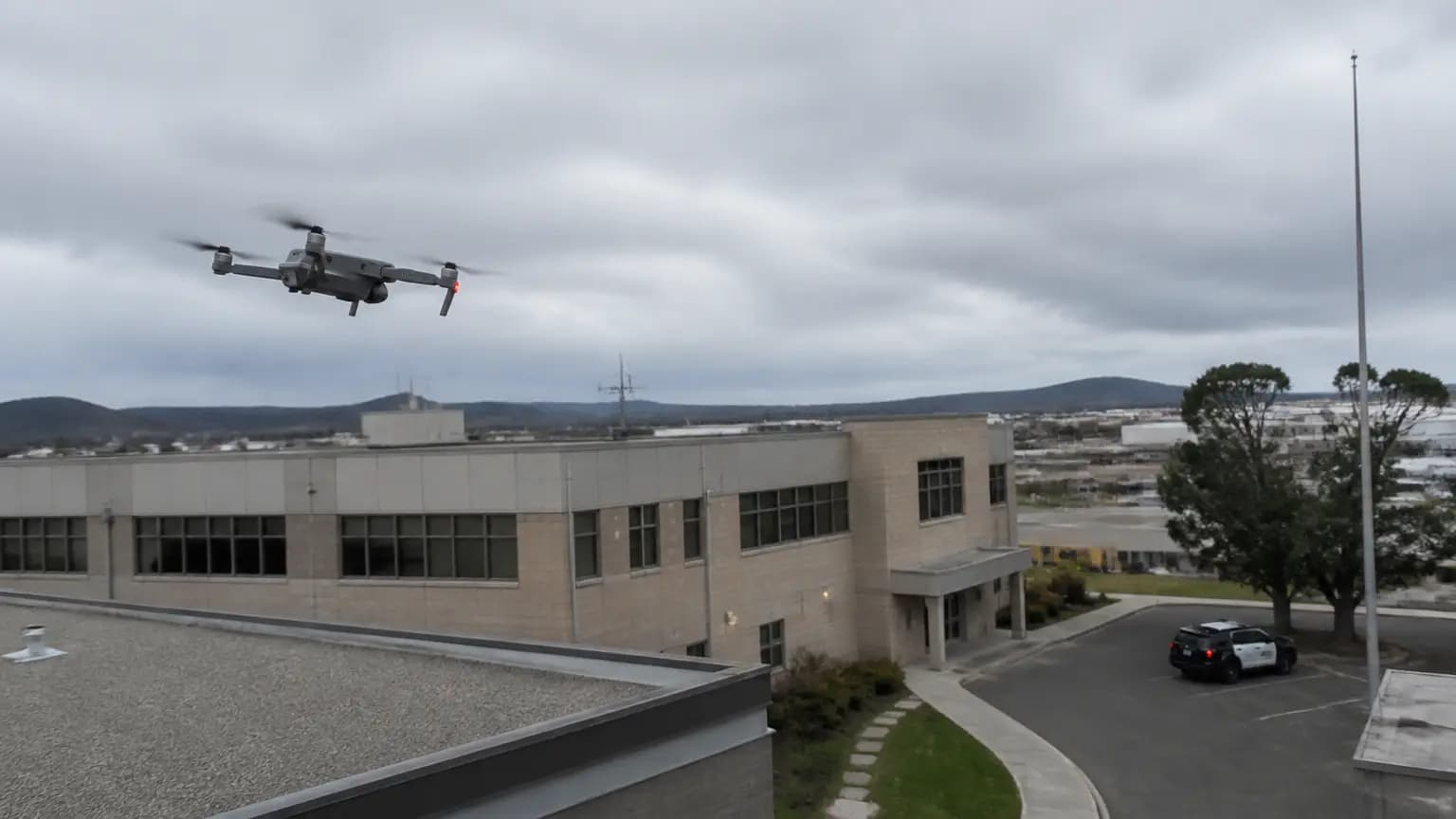
Lompoc's police department has been quietly testing something pretty futuristic since August: drones that launch from the roof of the station and get to emergencies before officers do. Two Flock Safety drones can cover a 3-mile radius, helping locate people and scope out tough terrain. Community Services Sgt. says it's been helpful in multiple cases. For those of us here in Santa Maria, it's worth watching. Lompoc is our neighbor up the 101, and what works there often shapes what other Central Coast departments try next. Drones as first responders could mean faster help in the backcountry and riverbeds, but it also raises fair questions about privacy and oversight. The Santa Maria Sun has the full story. We'll be keeping an eye on how this plays out across the 805.
 Santa Maria
State and local leaders condemn ICE arrest on Hancock campus
Santa Maria folks know the corner of College and Allan Hancock well — it's where we drop our kids off, grab a coffee, head to class. That's what makes this one hit close. A dad of five was taken into ICE custody right there while dropping his daughter off at Hancock, and by the next day the Board of Supervisors was weighing a resolution on National Immigrants Day. The timing says everything. Immigrant families are woven into the fabric of this town — our fields, our businesses, our schools. When a school drop-off turns into a detention, it shakes the trust that makes a community work. The Santa Maria Sun reports local and state leaders are speaking out, and whatever your politics, that matters here. Keep an eye on how the county votes and what support reaches this family. In Santa Maria, we look out for each other — that's not politics, that's just us.