Santa Maria drafts zone mandate for senior mobile home parks
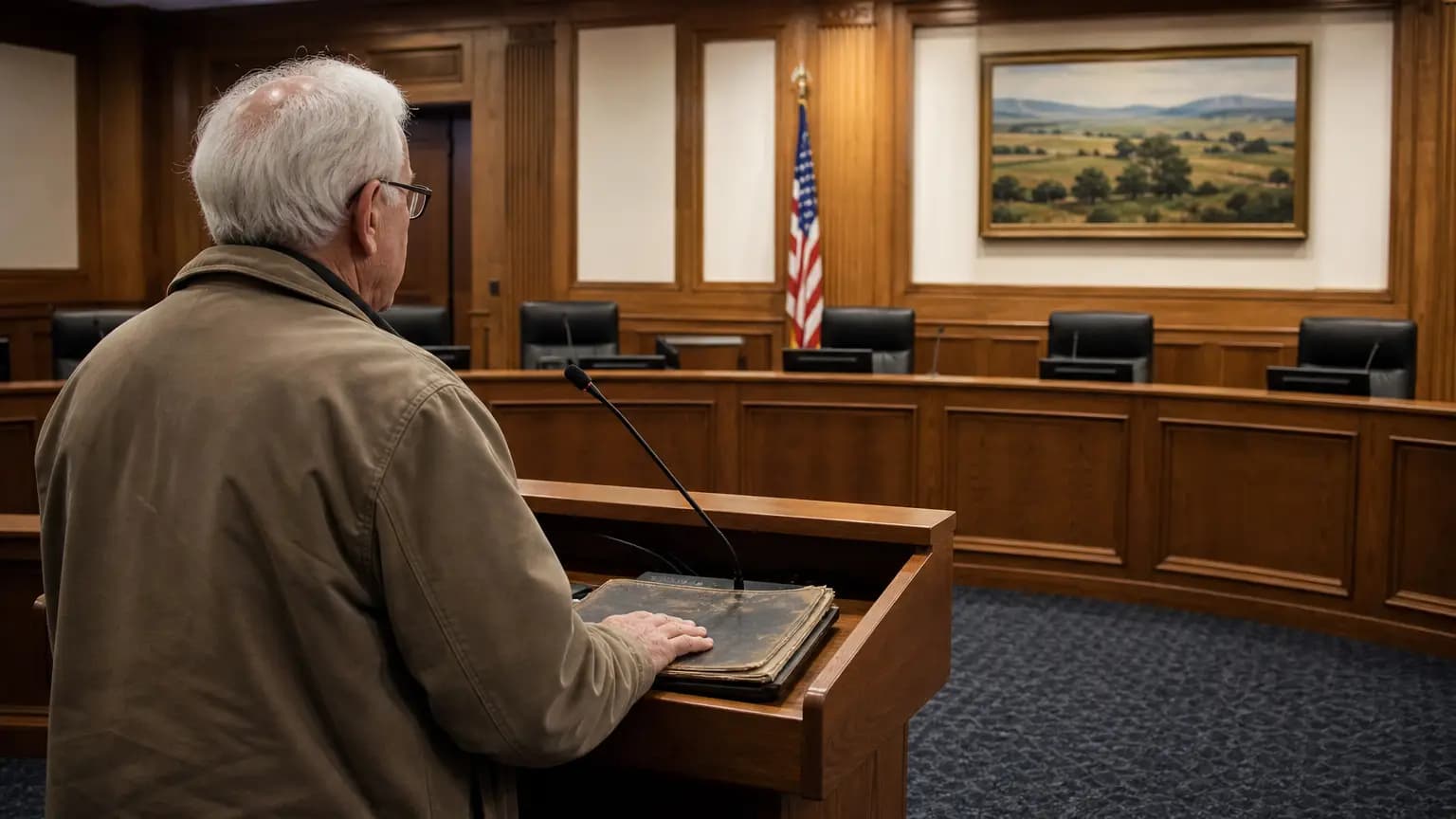
Hundreds of older adults living in Santa Maria's senior mobile home parks may soon gain a new layer of legal protection — one that could make it significantly harder for park owners to convert their communities to all-ages facilities. On July 1, the Santa Maria Planning Commission voted unanimously to advance a proposed Senior Mobile Home Park Overlay District (SMHP) to the City Council for final consideration, according to the Santa Maria Sun. The move adds a new zoning classification to the city's municipal code and, if the council concurs, would retroactively apply it to every existing senior mobile home park within city limits.
What the Ordinance Would Do
The proposed overlay targets a specific and growing vulnerability: the ability of a new park owner to quietly convert a 55-and-older community into an all-ages park — often without meaningful public input and at the cost of displacing long-term senior residents.
Under the draft ordinance, at least 80 percent of any applicable park's units must be occupied by at least one individual who is 55 or older, a threshold consistent with federal Housing for Older Persons Act (HOPA) requirements. City staff would be required to check in with each park at least once every two years to verify compliance. Parks would also have to clearly label their senior status in advertising, leases, and signage.
Any attempt by a park owner to convert to an all-ages facility would trigger a full public review process — including hearings before both the Planning Commission and the City Council — rather than a simple administrative decision made out of public view. Critically, the ordinance does not create a rent-control program and does not regulate how parks set their rents — a point city planners emphasized throughout the process.
"Specifically, this overlay aims to maintain affordable home ownership opportunities for residents aged 55 and older [and] prevent the displacement of vulnerable senior households on fixed incomes," Associate City Planner Greg Vine told commissioners at the July 1 meeting, as reported by the Santa Maria Sun.
Who Is Affected — and How Many People
The overlay would cover five age-restricted mobile home parks currently operating within Santa Maria's city limits. Those five parks together contain 1,137 total units, meaning thousands of residents stand to benefit if the City Council approves the measure. Santa Maria Community Development Director Chenin Dow has noted that roughly 60 percent of the city's substantial senior population are considered lower income — earning 80 percent or less of the regional Area Median Income — making affordable senior housing a critical need.
Residents of parks including Rancho Buena Vista Mobile Estates and Casa del Rio showed up to the July 1 meeting to voice support. Gary Hall, a retiree at Rancho Buena Vista and a longtime advocate with the North Santa Barbara County Manufactured Homeowners Team, has been a fixture at City Council meetings for years calling on the city to act. "Senior mobile home parks need to be preserved in Santa Maria, since they remain one of the few affordable housing options still available to seniors," Hall told commissioners.
Even residents outside city boundaries made the trip. Denise Regal, an Orcutt resident who lives at the Sunny Hills mobile home community — which already falls under the county's own overlay — told the commission she was speaking on behalf of friends in Santa Maria's parks. "The residents of Santa Maria's senior mobile home parks made their decisions to move into these parks based on the reliance that these places, for many, would be their final home, populated by neighbors of their same age," she said, according to the Santa Maria Sun.
The Del Cielo Warning — and a Statewide Pattern
Santa Maria's proposal did not emerge in a vacuum. It follows a well-documented chain of events that began just a few miles away in unincorporated Orcutt, at Del Cielo Mobile Estates on Santa Maria Way. Del Cielo has operated as a senior community for those aged 55 and older since it opened more than 60 years ago. In April 2024, the park was purchased by new ownership connected to Harmony Communities, a Stockton-based property management firm. In May 2024, Harmony served residents with a six-month notice of its intent to convert Del Cielo to an all-ages community, triggering an outcry from residents who had chosen the park specifically for its senior-only character.
Those residents appealed to Santa Barbara County, which responded with an emergency conversion moratorium in November 2024. In July 2025, the Santa Barbara County Board of Supervisors approved a permanent Senior Mobile Home Park Overlay Ordinance. Del Cielo's owners subsequently sued the county over that moratorium, arguing that the park had already been redesignated as all-ages under state law — a claim county officials and residents contested. The legal battle is ongoing, but it has not stopped neighboring jurisdictions from pursuing their own protections.
Steve Wagner, legislative action team coordinator for the North Santa Barbara County Manufactured Homeowners Team, described a pattern he sees playing out statewide: investors purchasing senior parks, converting them to all-ages facilities, and immediately hiking rents — often by 10 percent or more upon turnover. "Look into what happened at Del Cielo in the county. You'll see a formula that's going on throughout the state of California: the targeting of senior parks to change them for mere profit," Wagner told the Santa Maria Planning Commission. Similar overlay ordinances are now advancing in cities including San Marcos, and have been adopted in Santa Barbara and Ventura counties, making this a coordinated regional and statewide movement.
Enforcement Teeth — and Future Parks
Planning Commissioner Robert Dickerson pressed city staff at the July 1 meeting on two key points before casting his vote. First, he asked whether any future senior mobile home parks developed in Santa Maria would automatically fall under the new overlay. Planning Manager Dana Eady confirmed they would.
Second, Dickerson asked what would happen to a park that tried to convert to all-ages after the ordinance takes effect. Assistant City Attorney Heather Whitham was direct: a park that no longer qualifies as a senior mobile home park would be in violation of its zoning designation. Violations of the municipal code are misdemeanors, and the city has civil remedies, court actions, and code enforcement tools available to compel compliance. "We don't anticipate that," Whitham added — but the tools are there if needed.
The 5-0 Planning Commission vote was met with applause from those in attendance.
What Comes Next
The ordinance now heads to the full Santa Maria City Council. According to KEYT News Channel 3-12, if the Planning Commission approved the measure, the City Council was expected to take it up at its first meeting in August. The City Council meets in regular session on the first and third Tuesdays of each month at 5:30 p.m. at City Hall, 110 E. Cook Street.
Residents of the city's five senior mobile home parks — or anyone who wants to weigh in before the council votes — can monitor the city's Agenda Center & Meetings Portal for the item's scheduled date. Council agendas are posted to the city website on the Friday before each meeting.
The broader legal landscape remains worth watching. In some California jurisdictions, senior mobile home park overlays have resulted in lawsuits from park owners arguing the rules amount to illegal discrimination against families — a dynamic that played out at Del Cielo and may factor into how Santa Maria's council crafts final language. For now, though, the commission's unanimous recommendation sends a clear signal: city leaders are prepared to act to keep these communities intact.
Reported by 805.life
Researched and written drawing on primary sources. Additional reporting: Santa Maria Sun.
City
Santa MariaAdditional Reporting
Santa Maria SunPublished
July 9, 2026
Reported and written by 805.life
Explore Santa MariaAll Santa Maria NewsMore News from Santa Maria
 Santa Maria
Rematch: Jeremy Ball and Jim Mosby are battling in another Lompoc race, this time to become the city’s next mayor
Lompoc voters, we've seen this matchup before. Jeremy Ball and Jim Mosby are facing off again—this time for mayor—six years after Ball won their 2020 race for the 4th District seat. Mosby bounced back in 2024 by defeating Jenelle Osborne for mayor, and now the two council incumbents are squaring off once more. It's a rematch that says a lot about how small-town politics works here on the Central Coast: familiar faces, long memories, and neighbors who've watched both men serve. Mayoral races in Lompoc shape everything from downtown revitalization to public safety and housing decisions, so this one's worth paying attention to. The Santa Maria Sun has the full story. Whatever your politics, do your homework before the ballot arrives—local races like this hit closer to home than anything in Washington.
 Santa Maria
Police use drones as first responders in Lompoc
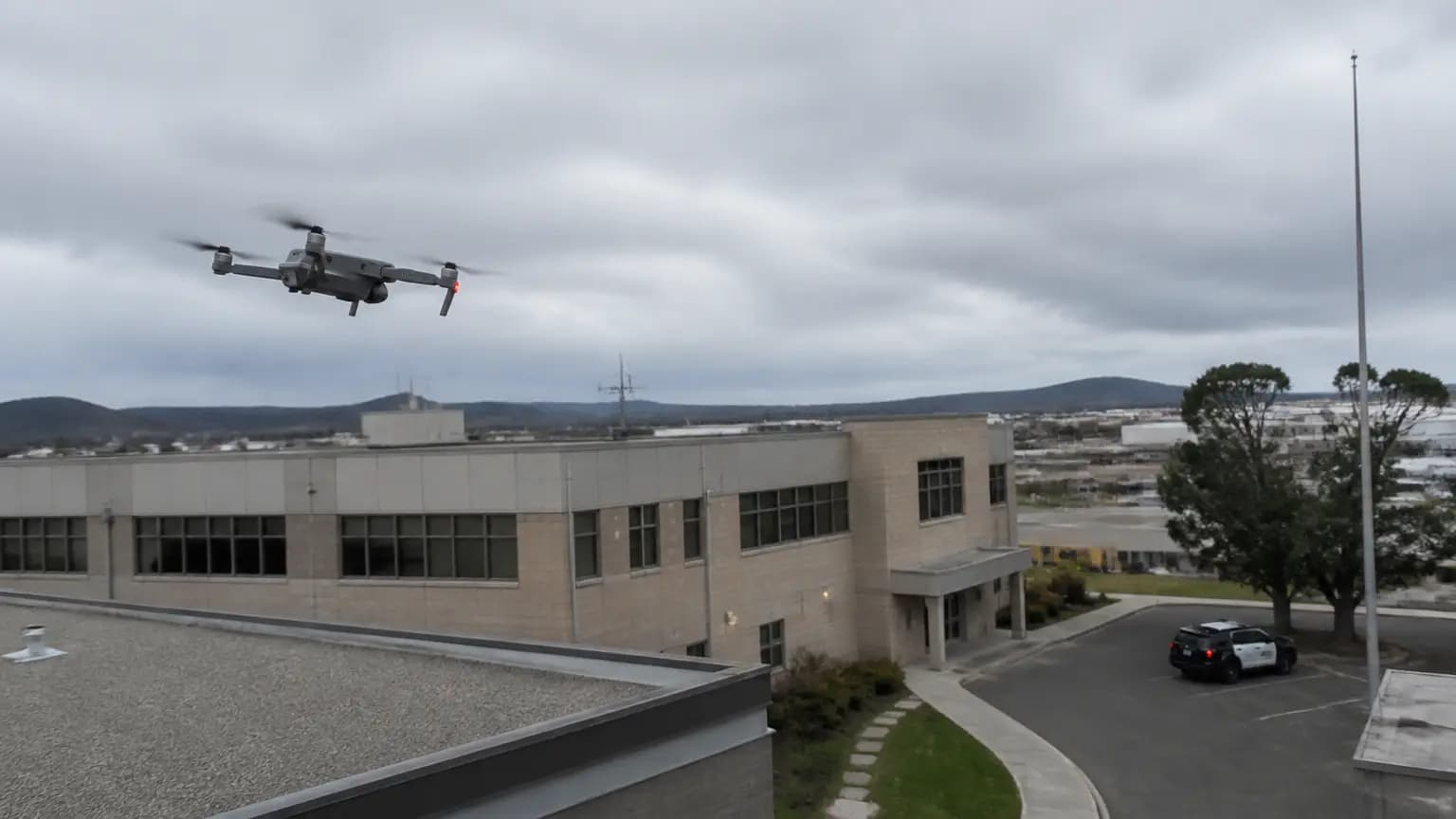
Lompoc's police department has been quietly testing something pretty futuristic since August: drones that launch from the roof of the station and get to emergencies before officers do. Two Flock Safety drones can cover a 3-mile radius, helping locate people and scope out tough terrain. Community Services Sgt. says it's been helpful in multiple cases. For those of us here in Santa Maria, it's worth watching. Lompoc is our neighbor up the 101, and what works there often shapes what other Central Coast departments try next. Drones as first responders could mean faster help in the backcountry and riverbeds, but it also raises fair questions about privacy and oversight. The Santa Maria Sun has the full story. We'll be keeping an eye on how this plays out across the 805.
 Santa Maria
State and local leaders condemn ICE arrest on Hancock campus
Santa Maria folks know the corner of College and Allan Hancock well — it's where we drop our kids off, grab a coffee, head to class. That's what makes this one hit close. A dad of five was taken into ICE custody right there while dropping his daughter off at Hancock, and by the next day the Board of Supervisors was weighing a resolution on National Immigrants Day. The timing says everything. Immigrant families are woven into the fabric of this town — our fields, our businesses, our schools. When a school drop-off turns into a detention, it shakes the trust that makes a community work. The Santa Maria Sun reports local and state leaders are speaking out, and whatever your politics, that matters here. Keep an eye on how the county votes and what support reaches this family. In Santa Maria, we look out for each other — that's not politics, that's just us.