Santa Susana Field Lab demolition draws scrutiny
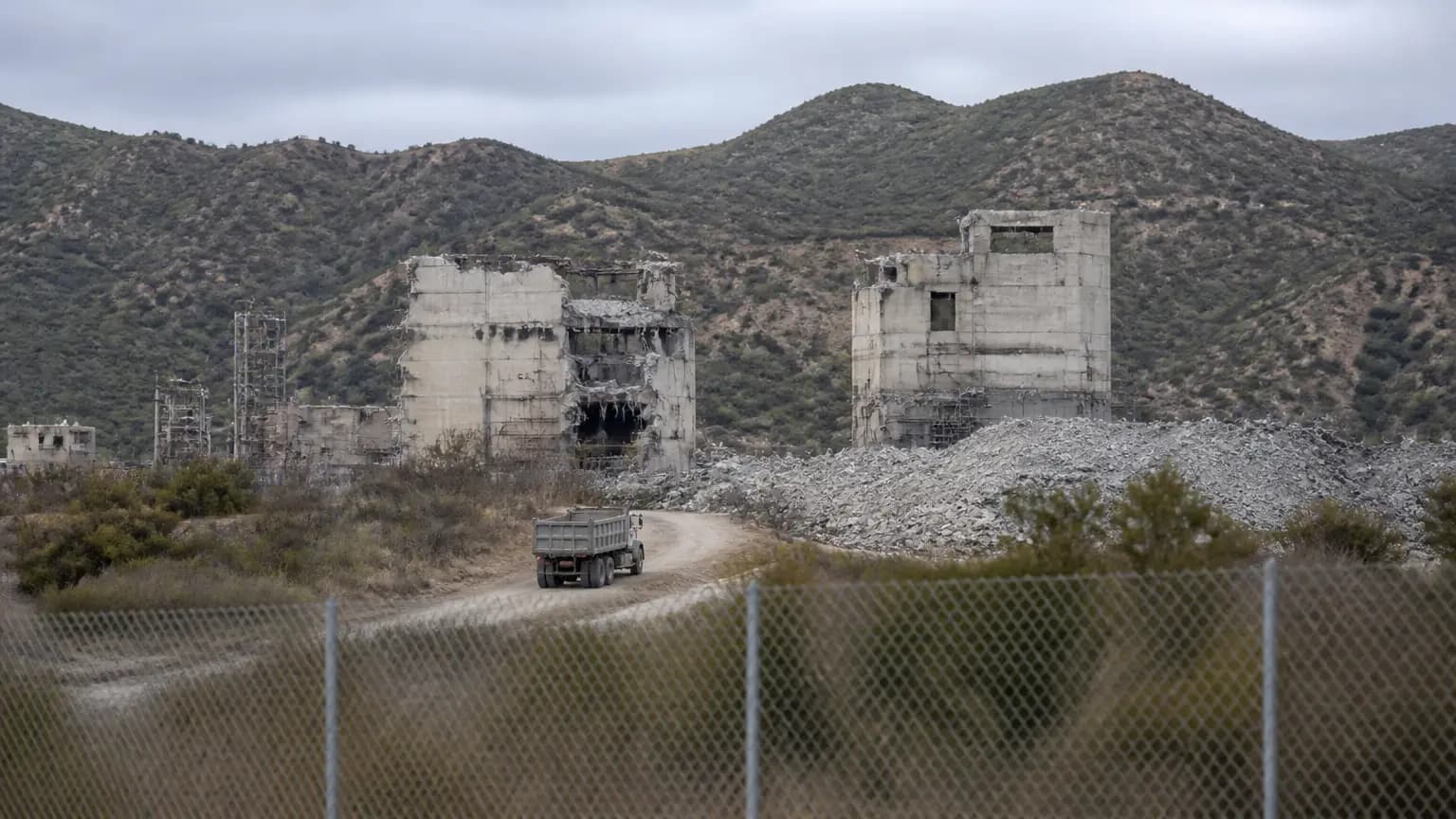
As Boeing wraps up demolition of five former nuclear research buildings at the Santa Susana Field Laboratory, community watchdog groups are raising sharp questions about radioactive contamination, where the demolition debris is headed, and which agency — if any — is actively overseeing the work.
The buildings sit in Area IV of the 2,850-acre former Rocketdyne site in the hills near Simi Valley, land used for Cold War-era nuclear and rocket research. Area IV was the site of a 1959 partial reactor meltdown and, according to the Simi Valley Acorn, three radioactive accidents at an on-site plutonium fuel facility. Boeing acquired the site in 1996 and owns most of the property, including Area IV, while NASA and the U.S. Department of Energy are responsible for other areas.
All of the buildings are expected to be down by the end of the year. For residents who have lived for decades in the shadow of the site's nuclear legacy, the pace of the teardown — and what they see as a gap in oversight — is the concern.
Questions over testing and clearance
Boeing maintains the Area IV buildings were properly decontaminated and cleared for unrestricted use by the California Department of Public Health. The state Department of Toxic Substances Control says state health officials and the U.S. Nuclear Regulatory Commission found radiation levels at or near natural background, posing no elevated public risk.
But advocates, including the group Parents Against SSFL (PASSFL), point to an independent review that found 88 readings above natural background at the former plutonium fuel facility. A 2023 study published in the journal Health Physics, they note, reported historical plutonium-239 detections in Area IV soil. Plutonium is radioactive and, if inhaled or ingested, can increase the risk of cancer.
The groups also question the 1986 studies by Tetra Tech EC that were used to clear the buildings. In 2025, the company agreed to a $57 million settlement over allegations it falsified radiological tests at a San Francisco site — though, as the Acorn reported, the settlement did not establish wrongdoing related to its SSFL work.
"Boeing should prove to us that plutonium 239 won't get into our water or air during the demolition and disposal," Melissa Bumstead, a Simi Valley-area resident and PASSFL co-director, told the Acorn. Bumstead's young daughter survived brain cancer twice. "Just because what Boeing is doing is legal doesn't mean it's safe," she said.
A regulatory gap, critics say
The demolition proceeded without review under the California Environmental Quality Act. Ventura County issued demolition permits in 2025 after determining the work did not involve radioactive materials. County representative Jeffrey Barnes referred radioactivity questions to Boeing and DTSC, saying the issue fell outside the county's expertise and jurisdiction. DTSC, in turn, referred dust-control and air-monitoring questions back to the county.
That back-and-forth drew a pointed rebuke from Larry Yee, former chair of the Los Angeles Regional Water Quality Control Board. "The fox is in the henhouse. The fox is tearing down the henhouse. There is no one watching the fox," Yee told the Acorn. "DTSC is not watching. And when you ask DTSC who is watching, they say the county. If you ask the county they say no, we're not watching, it's DTSC."
This isn't the first legal fight over demolition at the site. In 2013, Physicians for Social Responsibility-Los Angeles, the Southern California Federation of Scientists, Committee to Bridge the Gap and Consumer Watchdog won a temporary injunction challenging demolition and radioactive waste disposal at SSFL. Courts ruled against the groups in 2018 and 2023, finding the work did not require CEQA review. A separate challenge to a 2022 cleanup agreement — which critics said would leave most contaminated soil in place without adequate review — also failed.
PASSFL co-director Jeni Knack said residents were notified of demolition plans only in September, via a mailed newsletter. "CEQA would've required an environmental review and it would've given us an opportunity to comment, so we have neither of those things going forward," she said.
Air monitoring and dust controls
In a Sept. 28 letter to PASSFL, DTSC said an inspection found Boeing using dust controls and not disturbing building slabs or surrounding soil. The permit was later revised to allow removal of the slabs, exposing near-surface soil — a change that alarmed neighbors.
Boeing says more than 20,000 air samples collected from 2018 through 2025 showed no measurable increase in perimeter contaminants. But watchdog groups note that sampling covered wildfire conditions, not the current demolition.
The groups have also raised concerns that demolition work has been conducted during high winds. They are working with three university-affiliated radiation scientists and an air-quality scientist, deploying radiological air monitors and taking measurements near schools, with plans to publish their results.
Where does the debris go?
The demolition permit allows non-hazardous waste to be sent to industrial or municipal landfills, with concrete, asphalt and recoverable metal routed for recycling. Exactly which facilities will receive the material remains unclear to residents.
In a Sept. 28 email shared with the Acorn, Boeing program director Kamara Sams said debris would go to an "authorized facility" and referred the group to Boeing's website for more information.
For Simi Valley residents, the demolition marks a visible milestone in the site's long, contested cleanup saga — one that has stretched more than six decades since the 1959 meltdown. With the last buildings expected to fall by year's end, attention now shifts to the soil beneath them, the air around them, and the question of who, ultimately, is accountable for making sure what leaves the site is safe.
Reported by 805.life
Researched and written drawing on primary sources. Additional reporting: Simi Valley Acorn.
City
Simi ValleyAdditional Reporting
Simi Valley AcornPublished
October 30, 2026
Reported and written by 805.life
Explore Simi ValleyAll Simi Valley NewsMore News from Simi Valley
 Simi Valley
County elections chief urges voters to cast ballots early
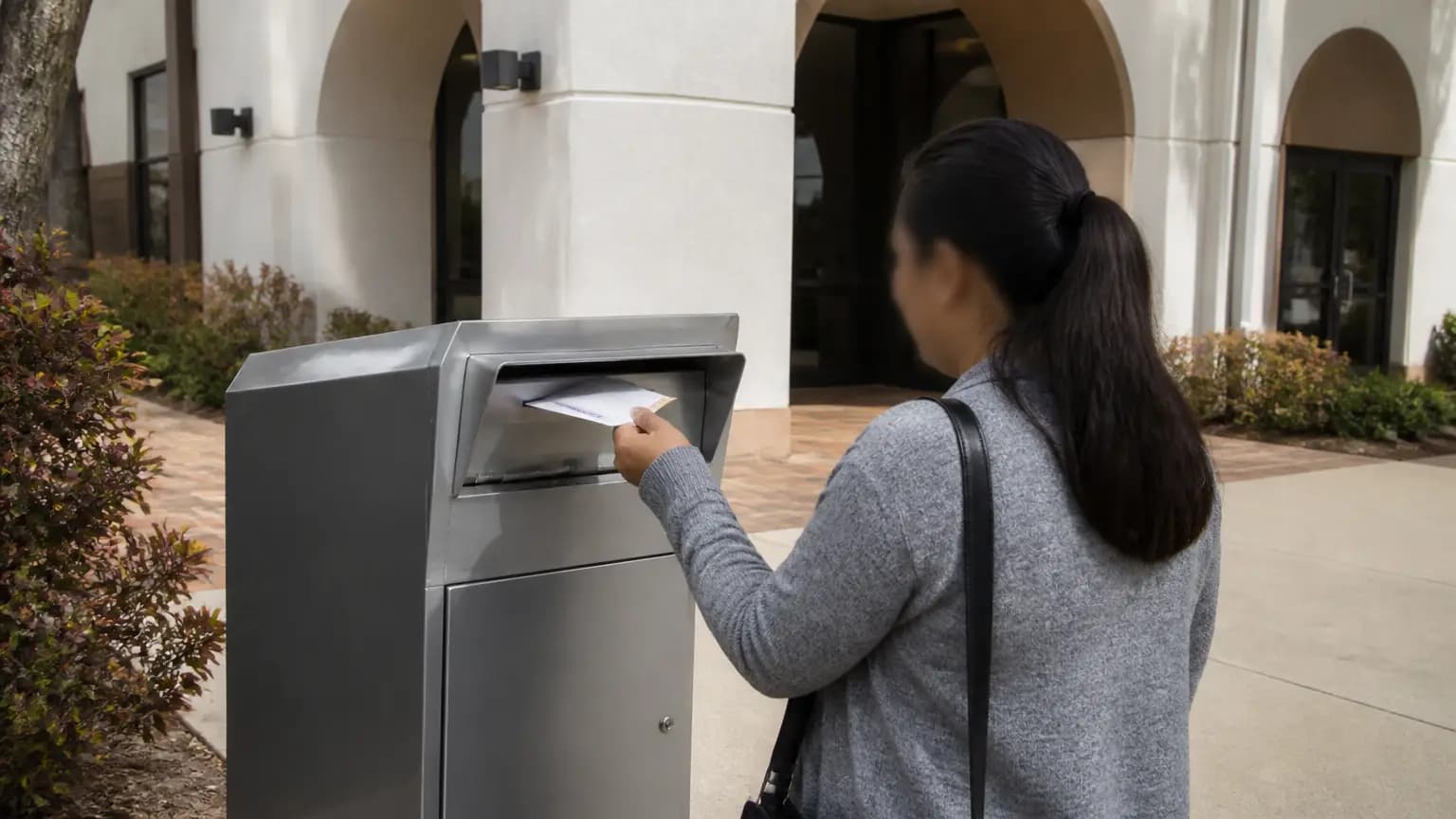
Ventura County's top elections official has a simple message for Simi Valley voters: don't wait until Nov. 3. Clerk-Recorder Michelle Ascencion wants residents to treat Election Day as a deadline, not a plan, and cast ballots early to sidestep long lines and last-minute surprises. It's practical advice worth heeding, especially for neighbors juggling work, school runs and everything else that fills a fall Tuesday. Voting early also gives you breathing room if something goes sideways — a misplaced ballot, a schedule conflict, or a question about your registration that's easier to sort out before the rush. The Simi Valley Acorn flagged the reminder this week, and it's the kind of small nudge that makes a real difference in turnout. So whether you drop your ballot off or head to a vote center ahead of time, get it done while the calendar's still on your side. Your future self on Nov. 3 will thank you.
 Simi Valley
Select Home Warranty Introduces Expanded HVAC Protection Plans Offering Up to $9,000 in Coverage for Simi Valley Homeowners
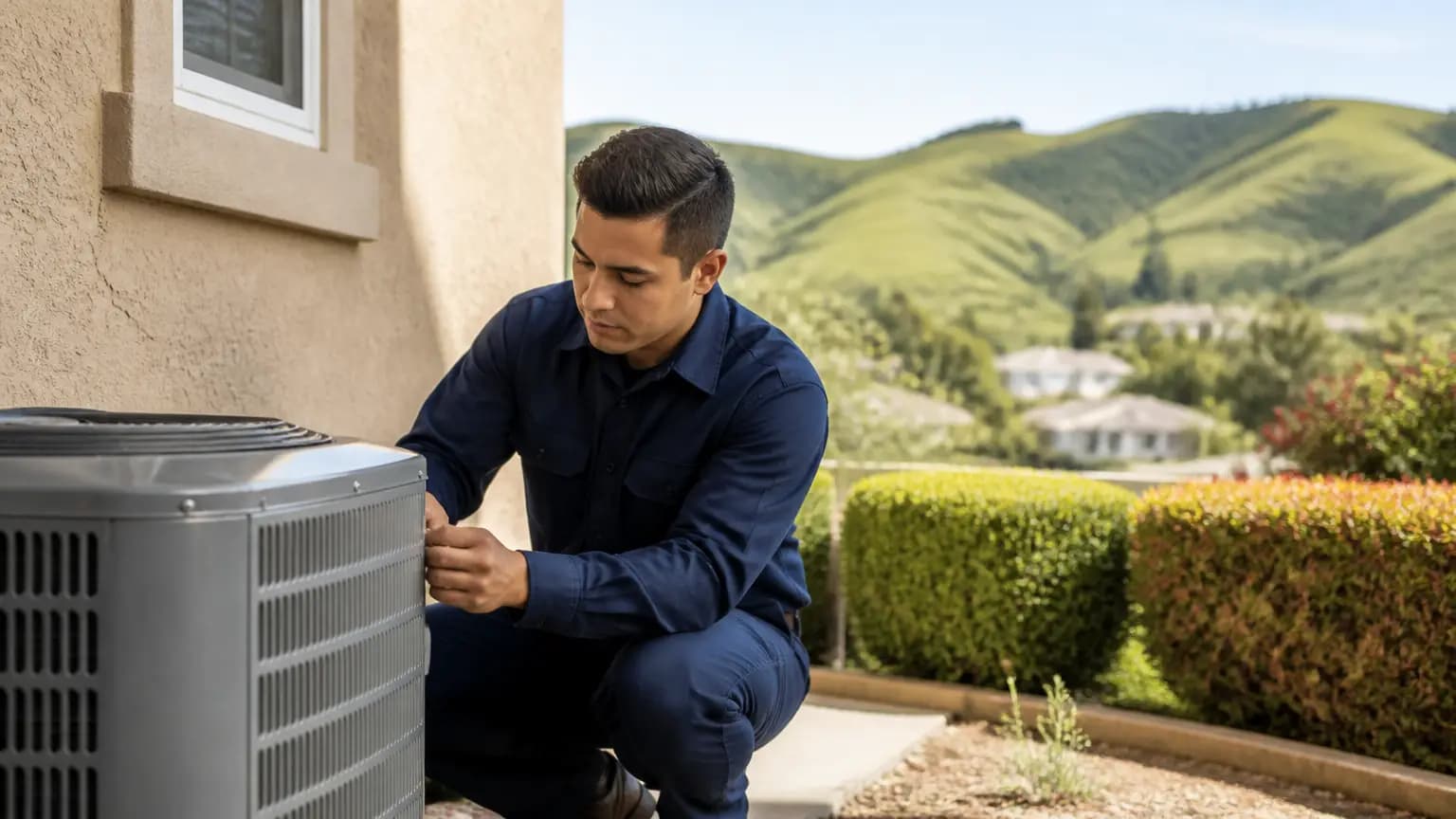
If you've lived in Simi Valley for more than a summer, you already know the drill: the AC runs hard from June through September, then the Santa Ana winds show up in October and make you wonder if your heater even remembers how to work. Our spot between the Santa Susana and Simi Hills means we get the full range of extremes, and HVAC systems here take a beating that homeowners in milder parts of the 805 never think about. That's why the news from the Simi Valley Acorn about Select Home Warranty expanding its HVAC protection plans — now offering up to $9,000 in coverage — is worth a look for local homeowners. When a compressor dies in August or a furnace quits during a cold snap, that repair bill can hit four figures fast, and not everyone has that sitting in savings. It's a business story, sure, but it's also a practical reminder to check what your own home warranty or insurance actually covers before the next heat wave rolls through the valley.
 Simi Valley
Jobs, Town Center and homelessness shape city council debate
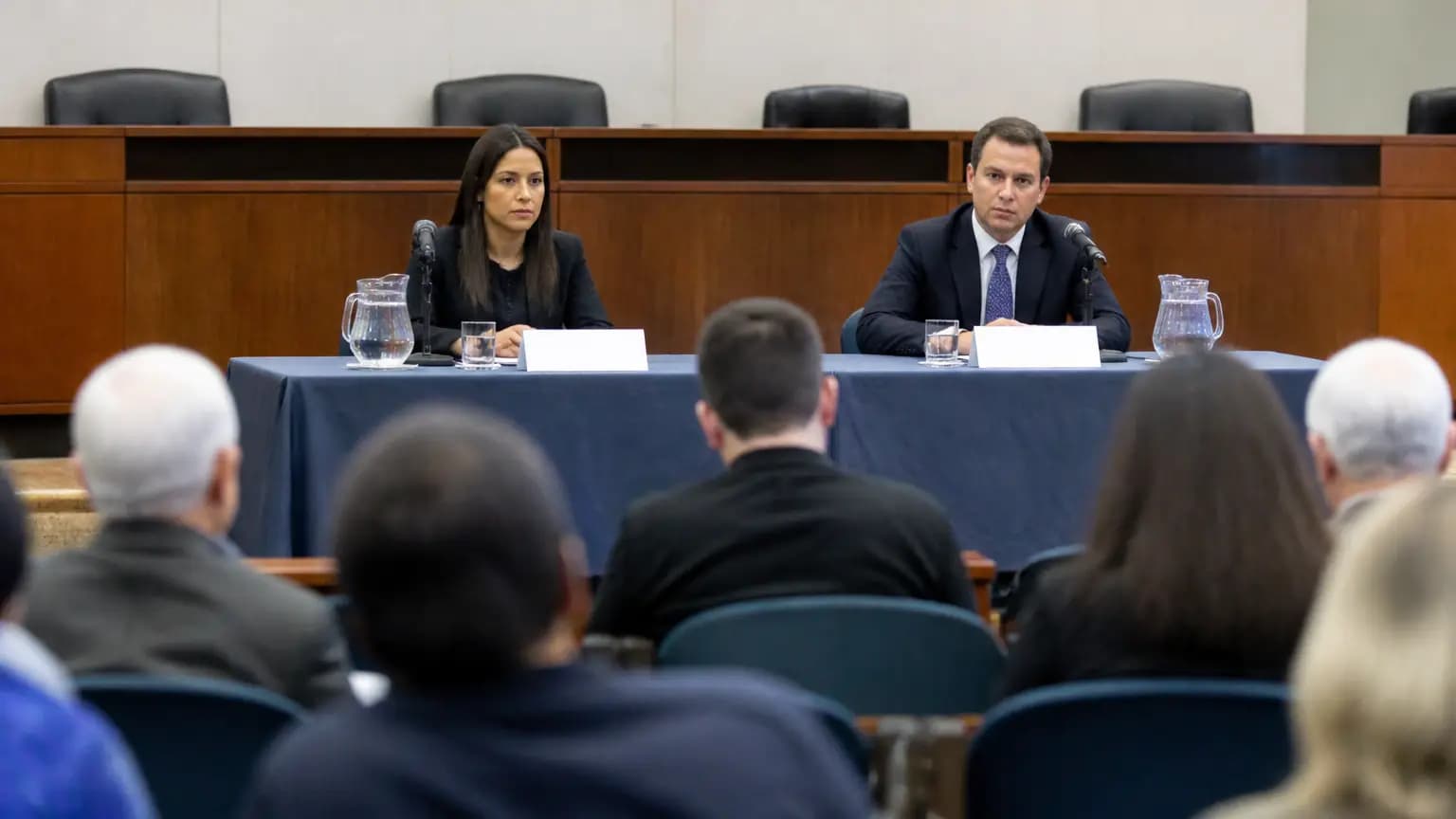
Simi Valley voters in District 2 have a real choice on their hands this November, and the Oct. 6 League of Women Voters forum at City Hall gave us a preview of the conversation ahead. Candidates Sam Cohen and Richard Perini squared off on the big three: jobs, the future of the Town Center, and how the city responds to homelessness. These aren't abstract issues — they're the things you talk about at the grocery store or over the back fence. The district stretches across much of southeastern Simi Valley, including Corriganville Park, so neighbors there have a direct stake in who sits on the council. Economic development and the Town Center question will shape what our community looks like for years, and homelessness touches every corner of the valley. The Simi Valley Acorn has the full rundown on the forum, and it's worth a read before ballots go out. Local elections often get lost in the noise, but this one decides who's at the table when these decisions get made. Take a few minutes, get informed, and make your voice count on Nov. 3.