Saving Sandy’s Coast
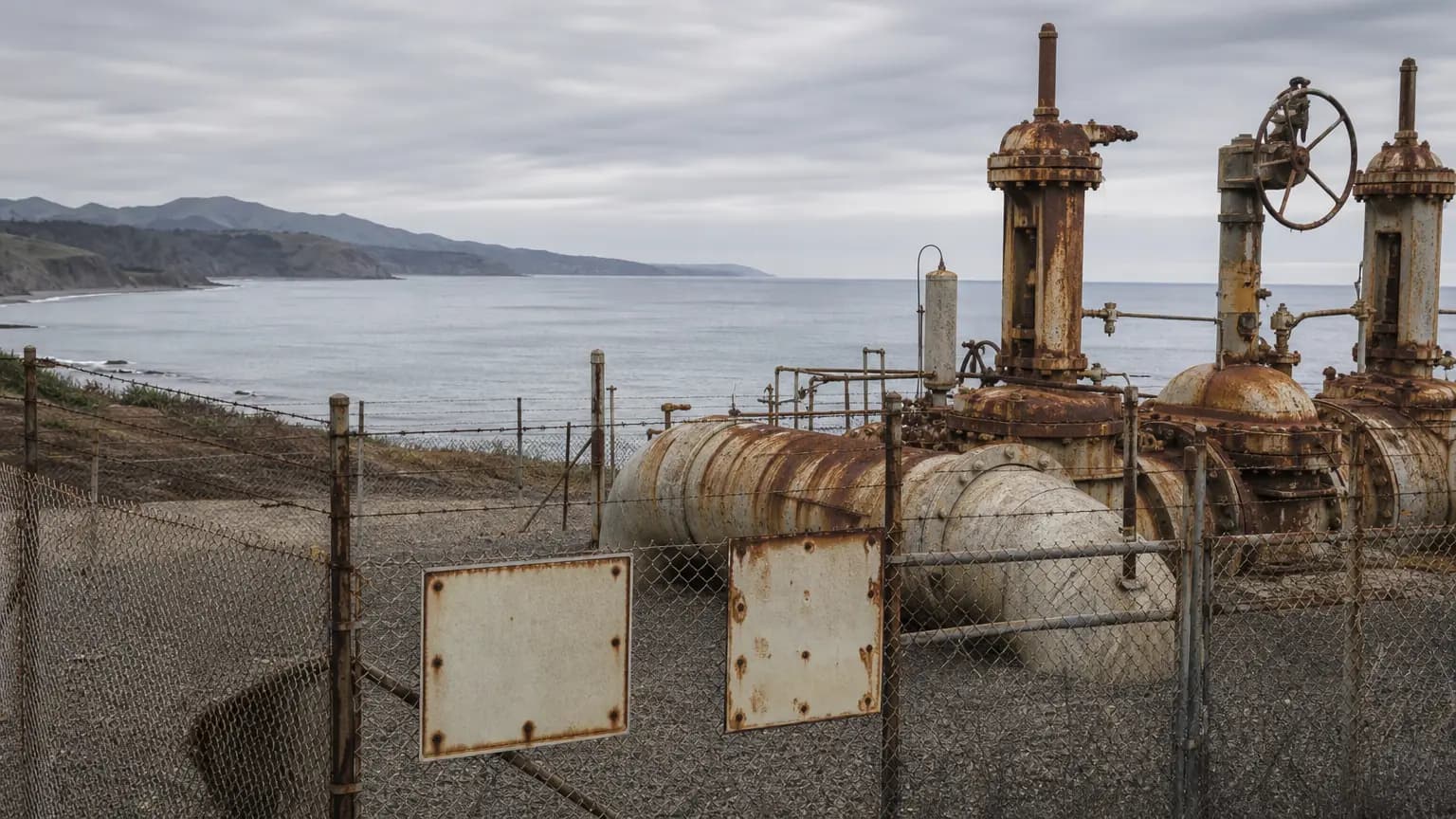
There is a specific kind of silence that settles over the water just before a wave breaks. For Lorissa Rinehart, that silence is deeply tied to the Santa Barbara coastline. In a recent poignant piece for the Santa Barbara Independent, Rinehart recounts paddling out at El Capitan, feeling the familiar rush of the Pacific Ocean while grappling with a profound sense of dread.
Just off the horizon, the silhouette of an offshore oil rig looms.
For those who call the 805 region home, these platforms are impossible to ignore. They are relics of a booming industry that has historically brought wealth to the state, but also devastating environmental tragedy to the Central Coast.
A Deeply Personal Connection to the Pacific
Rinehart’s love for the ocean was nurtured by her stepfather, Sandy Lejeune. As the former chair of the Surfrider Foundation's Santa Barbara chapter, Lejeune was a fixture in the local environmental community. He spent decades fighting to protect the rugged Gaviota Coast.
It was Lejeune who taught Rinehart how to surf at El Capitan’s beach break, pushing her into the white water until she finally learned to navigate the unbroken swells. He also taught her about the fragile ecosystem beneath those emerald waves.
For Santa Barbara, the threat to that ecosystem is not hypothetical. It is a dark chapter etched into the region's history, serving as a continual reminder of the delicate balance between nature and industry.
The Shadow of the 1969 and 2015 Spills
To understand the current anxiety over offshore drilling in Santa Barbara, one must look to the past. In 1969, an offshore oil rig suffered a blowout, spilling millions of gallons of crude oil into the Santa Barbara Channel. According to the National Oceanic and Atmospheric Administration (NOAA), the disaster coated miles of pristine beaches and killed thousands of marine animals. The devastation was so profound it served as a major catalyst for the modern environmental movement, ultimately inspiring the creation of Earth Day.
Decades later, the trauma repeated itself. In 2015, a corroded pipeline ruptured near Refugio State Beach, leaking hundreds of thousands of gallons of oil into the ocean. The incident occurred on ExxonMobil's watch, devastating local wildlife and closing beloved coastal destinations. As reported by local outlet Noozhawk, the Refugio spill forced a reckoning with the aging infrastructure used to pump fossil fuels along the Central Coast.
In the aftermath of the spill, local activists like Lejeune mobilized. They fought not only to clean the tar from their beaches but to shut the rigs down entirely. For a time, it felt as though they had succeeded. The pipelines remained dormant, offering the ocean a much-needed reprieve.
Sable Offshore and the National Defense Act
However, California’s political landscape left the door slightly ajar for the oil industry's eventual return. Rather than demanding the complete dismantling of the platforms, the infrastructure was preserved, waiting for a new operator.
That operator arrived in the form of Sable Offshore Corporation, a company that acquired the assets from ExxonMobil. The corporation's efforts to restart the pumps have been met with fierce resistance from local environmental groups and politicians. The Santa Barbara Independent reported that the state has issued numerous cease-and-desist orders to halt the project, reflecting deep concerns over the condition of the corroded pipelines.
Despite these local and state-level objections, federal intervention has accelerated the project's timeline. Utilizing the Defense Production Act, the federal government reportedly deemed the resumption of oil production a matter of national security, bypassing many of the regulatory hurdles designed to protect the coastline. Representative Salud Carbajal has been a vocal opponent of this maneuver, recently criticizing a provision in the National Defense Authorization Act that grants Sable extensive production and transportation rights.
The Fight for Future Generations
Sandy Lejeune passed away from cancer three years ago. But his legacy of environmental stewardship lives on in the community he helped build and the family he left behind. Rinehart writes of her desire to pass the surfing tradition down to her young son, Thoreau, named after the legendary naturalist Henry David Thoreau.
The threat of Sable Offshore’s operations casts a long shadow over that dream. Critics argue that pumping oil through decades-old, rusting pipelines is an invitation for another ecological disaster. An inevitable spill would not only devastate the marine life and kelp forests but also the coastal economy and the cultural fabric of Santa Barbara.
The battle over the Santa Barbara Channel is more than a debate over energy policy; it is a fight for the soul of the California coast. It is about whether the voices of local communities can stand up against the machinery of the federal government and the fossil fuel industry.
As the waves continue to peel along the point at El Capitan, surfers and activists remain vigilant. The rigs still stand, but so does the community’s resolve to protect their waters.
Reported by 805.life
Researched and written drawing on primary sources. Additional reporting: Santa Barbara Independent.
City
Santa BarbaraAdditional Reporting
Santa Barbara IndependentPublished
July 30, 2026
Reported and written by 805.life
Explore Santa BarbaraAll Santa Barbara NewsMore News from Santa Barbara
Al no haber arma homicida, el juicio contra Caleb Flynn se centra en la relación extramatrimonial y en el supuesto intruso
A murder trial unfolding just up the coast is drawing attention here in Santa Barbara, and it's the kind of case that's hard to look away from. Caleb Flynn's trial, reported by KEYT News Channel 3-12, has no murder weapon — instead, prosecutors are leaning on testimony about a secret church affair, thousands of deleted texts, and lies told to the FBI. Even the family dogs stayed eerily quiet that night, which has become a strange piece of the puzzle. For those of us in the 805, it's a reminder that even tight-knit communities aren't immune to the kind of drama you'd expect from a courtroom thriller. Cases like this can shake faith in neighbors and institutions, and they raise hard questions about trust and evidence. We'll be watching how the trial unfolds — not out of spectacle, but because it touches on the real lives of people not so far from home.
UCSB Recovers From Slow Start, Beats CS Northridge in Big West Volleyball Opener
Good news for Gaucho fans — UCSB women's volleyball finally got back in the win column Friday night at the Thunderdome, shaking off a slow start to beat Cal State Northridge in the Big West opener. After dropping the first set, the team looked like a squad still finding its footing following a tough preseason that ended on a six-match skid. But conference play is a fresh slate, and the Gauchos took advantage. For our Isla Vista and Goleta neighbors, there's something special about catching a match on campus — cheap tickets, loud student section, and a team that's easy to root for. Thanks to Noozhawk for the coverage. If you haven't been to a UCSB volleyball match yet, consider this your sign to check one out this season.
Cottage Health Hosts Sepsis Conference Focused on Early Recognition and Treatment
Cottage Health pulled together doctors, nurses, pharmacists, respiratory therapists and other clinicians from across the region on Friday, Sept. 18, for a conference zeroing in on one of medicine's trickiest foes: sepsis. If you've never heard the word, you're not alone — but it's a leading cause of death in hospitals, and the difference between a good outcome and a tragic one often comes down to how fast someone recognizes the signs. That's why this gathering matters here. Santa Barbara County spans a big, sometimes rural region, and not every clinic or ER has the same resources. When Cottage Health convenes providers from up and down the 805 to share protocols and lessons learned, it quietly raises the standard of care for all of us — whether you're in Goleta, Lompoc, Santa Maria or Santa Ynez. The Santa Barbara Independent first reported the conference, and it's the kind of unglamorous, behind-the-scenes work that keeps our community healthier. Next time you or a loved one lands in an ER with a puzzling fever, this is the preparation you'll be glad happened.