SLO City Council refines confidentiality policy for elected officials

San Luis Obispo elected officials now have clearer, written rules governing how they handle confidential materials — a change adopted unanimously at the City Council's Sept. 15 meeting that stems directly from the controversy over Mayor Erica Stewart's decision to share a draft grand jury report with a Cal Poly official.
The New Times SLO (Atascadero) reported that council members approved a resolution revising the council's policies and procedures manual in two specific ways: new instructions for handling grand jury materials before they are publicly released, and a strengthened confidentiality chapter reminding elected officials of their legal duty to keep private information — written or oral — secret as part of their official duties.
While the policy change happened inside SLO city limits, it carries relevance for Atascadero and other North County residents who follow how countywide institutions — including the SLO County civil grand jury — interact with local governments. Grand jury reports routinely examine city operations across the county, and any city receiving one must navigate the same confidentiality obligations that SLO officials are now spelling out explicitly.
What the new policy says
Under the revision to the manual's information distribution section, the New Times SLO reported, the manual now states: "In the case of a grand jury report received by an elected official prior to the public release, the elected official shall discuss with the city manager, city attorney, or a grand jury designee before distributing further."
The second addition, made to the manual's chapter on confidentiality, stresses that council members are legally obligated to keep confidential information secret — whether it arrives in writing or is shared orally — as part of their official duties.
The vote was unanimous, according to the New Times SLO's account of the Sept. 15 meeting, and the discussion was brief. Notably, neither council members nor city staff mentioned the underlying controversy — Stewart's sharing of the draft report — during that discussion.
The backstory
The policy change traces back to the release of public records showing that Stewart shared a draft of a confidential SLO County grand jury report examining how the city manages unpermitted fraternity parties near Cal Poly with a Cal Poly official before the report's public release. The records were obtained by resident Kathie Walker.
The episode prompted a formal review. A final advisory opinion from the SLO Personnel Board recommended against censuring the mayor, the New Times SLO reported. Councilmember Jan Marx subsequently sought to agendize a City Council discussion of the mayor's actions but failed to get the item on the agenda.
Stewart herself proposed the policy changes at the council's Aug. 18 meeting. "I know this has been a challenging conversation regarding my censure, and I know it's been a lot of time and energy and detailed work for the city attorney and city manager and administration team as well," she said, according to the New Times SLO. "I do think there is still one more cleanup that we have to do based in this conversation of a grand jury."
A resident's pushback
Not everyone agreed that the new policy addresses the full scope of the problem. Ahead of the Sept. 15 meeting, Walker — the resident whose public records requests surfaced the original disclosure — wrote a Sept. 13 letter to the council arguing that staff hadn't presented the "complete history" behind the proposed changes.
Walker wrote that the staff framing "treats the matter as one disclosure by one elected official," while the underlying records, in her telling, show "two separate confidentiality events involving the mayor, city management, and the City Attorney's Office." She asserted that a senior legal analyst with the city circulated confidential grand jury letters to the City Council and City Manager Whitney McDonald, among multiple staff members, last year.
Walker also argued the amendment is too narrow: she said it should cover confidential findings received by the city manager, distribution by city employees, and a collective staff review before public release. "The city should not characterize this matter as a misunderstanding caused by unclear policy without first examining the explicit confidentiality instructions already provided and the city's actions after receiving them," Walker wrote, per the New Times SLO.
Why it matters for Atascadero
The civil grand jury is a countywide body, and its reports land on the desks of elected officials in every city in SLO County — Atascadero included. When a draft report arrives, officials across the county face the same basic question San Luis Obispo just codified an answer to: who can you share it with, and when?
Atascadero's own city council operates under its policies and procedures framework, and episodes like the one in San Luis Obispo often prompt neighboring jurisdictions to review whether their rules are equally clear. The SLO episode illustrates the practical stakes: an official who forwards a confidential document — even, as Stewart has suggested, amid ambiguity about the rules — can trigger personnel investigations, censure attempts, and months of public controversy, all documented through records requests.
For Atascadero residents, the takeaway is twofold. First, transparency laws like the California Public Records Act remain a powerful tool: it was a resident's records request, not an internal audit, that brought the SLO disclosure to light. Second, the new SLO policy — requiring elected officials to consult the city manager, city attorney, or a grand jury designee before passing along a pre-release grand jury report — could serve as a model, or a cautionary tale, for other county cities reviewing their own confidentiality procedures.
Whether Walker's broader critique — that city staff and management should face the same explicit rules as elected officials — gains traction remains an open question. Her letter suggests at least one resident intends to keep the issue alive, even as the council moves on.
Reported by 805.life
Researched and written drawing on primary sources. Additional reporting: New Times SLO (Atascadero).
City
AtascaderoAdditional Reporting
New Times SLO (Atascadero)Published
September 17, 2026
Reported and written by 805.life
Explore AtascaderoAll Atascadero NewsMore News from Atascadero
 Atascadero
Autumn Arts Annual 2026
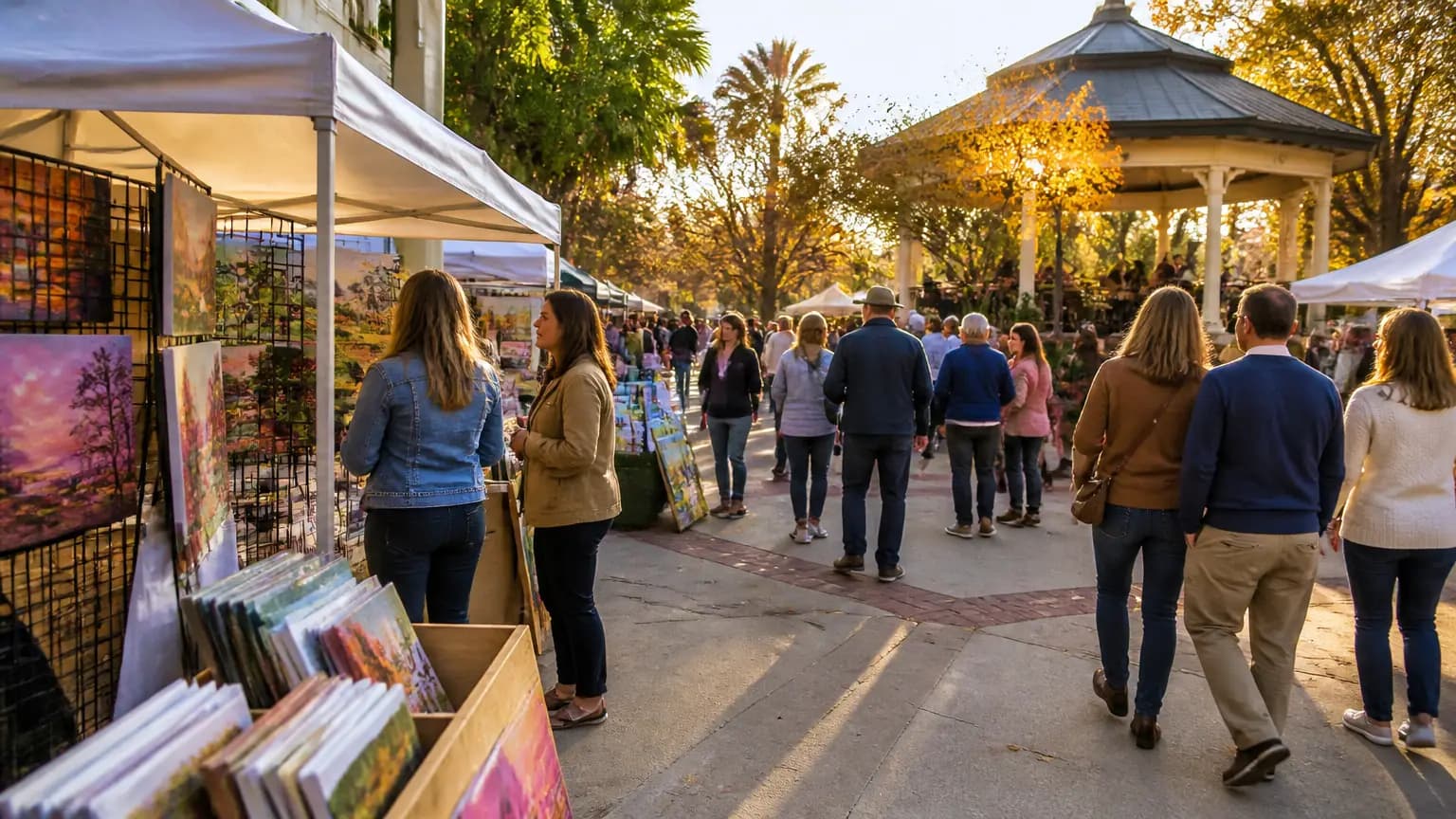
Summer's still lingering here in Atascadero, but the calendar says fall, and New Times SLO (Atascadero) has rolled out its Autumn Arts Annual 2026 to prove it. If you've been waiting for an excuse to get out of the house and into something creative, this is your sign — exhibitions, performances, and all the seasonal happenings landing across the Central Coast. There's something special about autumn around here. The crowds thin out, the light turns golden over the North County, and our local galleries and venues finally get room to breathe. Whether you're a longtime Atascadero arts supporter or just curious about what's happening down the road, this roundup is worth a look. So grab a jacket — eventually — and go support the makers and organizers who keep our corner of the 805 interesting. Full details are over at New Times SLO.
 Atascadero
Atascadero council race draws four candidates for two seats
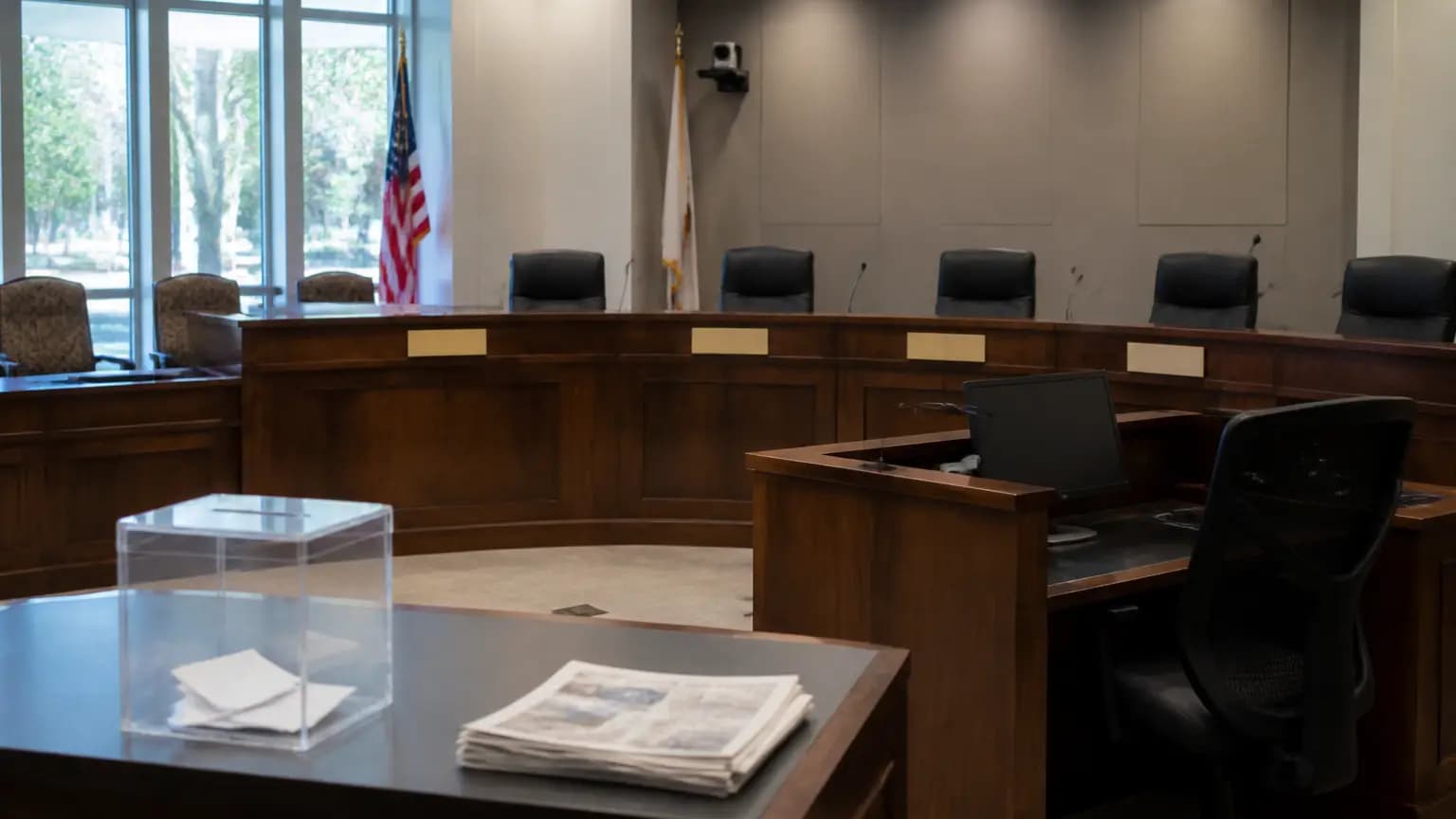
Atascadero folks, we've got a real race on our hands this November. Four candidates — incumbent Susan Funk, Emily Baranek, Mike Avila, and self-described outsider Ian Denchasy — are competing for two seats on the City Council, with Councilmember Heather Newsom stepping away. That's a big shift for a council that's been fairly steady in recent years. Housing and jobs are the headline issues, which won't surprise anyone who's watched rents climb and young families struggle to stay in North County. These are the decisions that shape what gets built, what gets approved, and what our town looks like a decade from now. Meanwhile, Mayor Charles Bourbeau runs unopposed for another two-year term. New Times SLO has the full candidate rundown, so do your homework before ballots arrive. Local elections are where your vote counts the most — this one's worth showing up for.
 Atascadero
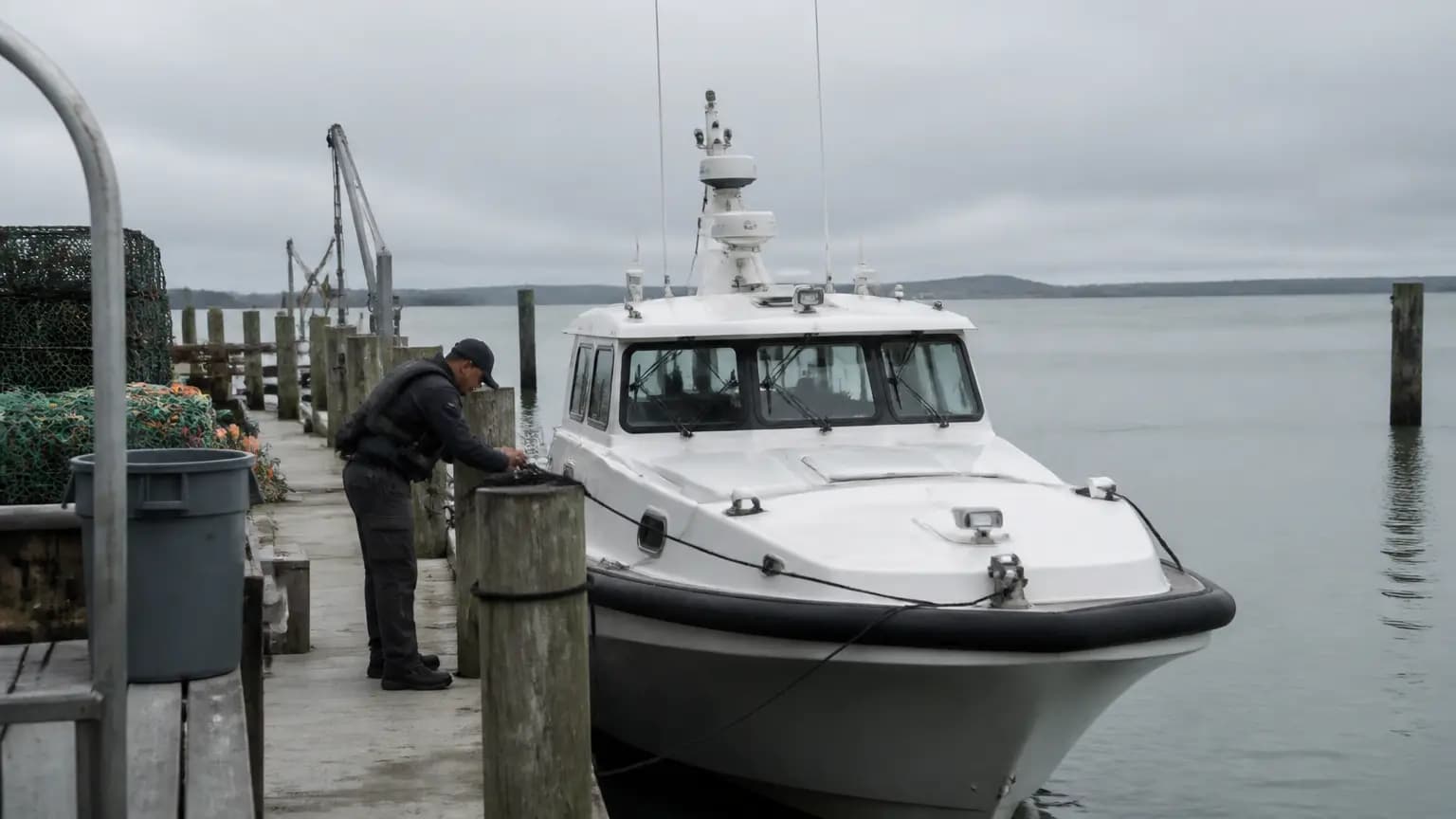
Port San Luis Harbor Patrol moves to unarmed safety model
Big change down at Port San Luis this month — after nearly 20 years, the Harbor Patrol is trading in its firearms and giving up its status as California peace officers. Instead, they'll move to an unarmed safety model, still responding to emergencies and enforcing harbor and boating rules, just without the badge-and-gun setup we've grown used to. For those of us up here in Atascadero, it's worth a moment's thought. Avila and Port San Luis are our backyard coastline — where we launch kayaks, crab off the pier, and teach the kids to tidepool. How that waterfront is kept safe and who shows up when something goes wrong is a real quality-of-life question, even from twenty minutes inland. New Times SLO (Atascadero) has the full story. Whatever side you land on, it's a notable shift in how our corner of the 805 looks after visitors and locals alike. Worth a read before your next trip to the coast.